
Why David Bowie Suddenly Feels More Alive Than Ever
26.02.2026 - 05:29:30 | ad-hoc-news.de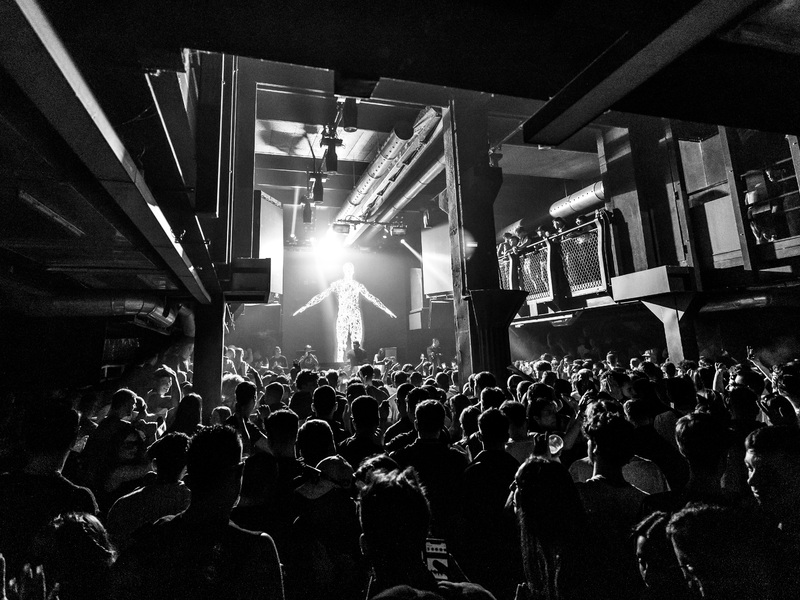
If you feel like David Bowie has been everywhere again lately, you're not imagining it. From unreleased tracks surfacing on streaming to viral TikToks soundtracked by “Life on Mars?”, Bowie's presence in 2026 feels strangely current, not nostalgic. You see his face in your feed, you hear that unmistakable voice in playlists, and suddenly you're diving back into albums that dropped before you were born.
Explore the official David Bowie hub for news, releases and archives
Even though Bowie died in January 2016, the Bowie machine has never really slowed down. Box sets, anniversary editions, unheard demos, AI remasters of classic live shows – it all keeps rolling. And every time it does, a new wave of fans shows up, swears he's their "new" favorite artist, and starts arguing online about the best era: Ziggy, Berlin, or the late-’90s deep cuts.
So what's actually happening right now in the David Bowie universe – and why does it feel like he could walk on stage tomorrow and sell out stadiums?
The Backstory: Breaking News in Detail
Because Bowie isn't here to promote things himself, the "breaking news" around him usually comes from his estate, archival projects, labels, film producers, or platforms like Spotify, Apple Music, and YouTube. Over the last few years, that's meant a steady stream of releases: live recordings that were previously vinyl-only or bootlegs, expanded box sets that bundle whole eras, and anniversary editions of the heavy-hitters like Hunky Dory, The Rise and Fall of Ziggy Stardust and the Spiders from Mars, Heroes, and Let’s Dance.
In the past month, the fresh talking points in Bowie-land have circled around three main areas (based on music press coverage and fan chatter):
- Newly surfaced live and demo material – Labels and rights holders have continued to tease "previously unheard" versions and rough demos from Bowie's classic ’70s and ’90s sessions. Whenever this happens, online fandom lights up trying to compare takes, spot lyric changes, or hear raw vocals without the studio polish.
- Ongoing reissue and box-set campaigns – The big career-spanning box set series that has already tackled the ’60s, glam, Berlin, and ’80s eras continues to be a long game. Each new installment sparks debates: did they pick the right live show? Why that remaster? Why did they include or exclude certain B-sides or soundtrack tracks?
- Film, documentary and biopic ecosystem – Since the release of Brett Morgen’s visually intense documentary Moonage Daydream, there's been a clear appetite for more Bowie on screen. Streaming platforms rotate older concert films like Ziggy Stardust and the Spiders from Mars and Serious Moonlight, and whenever a territory gets a fresh HD or 4K version, social feeds flare up with new clips and edits.
The “why” behind this constant motion is pretty simple: Bowie is now a multi-generational streaming act. Gen X bought the records, Millennials pirated and then re-bought them, Gen Z discovered him through TikTok audio and film syncs. For labels and the estate, that means a catalog that still behaves like it's "active." For fans, it means the Bowie story doesn't feel sealed off. It's more like an open-world game that keeps unlocking side quests.
There are also rumors in fan spaces about AI-enhanced live recordings and immersive Dolby Atmos rebuilds of crucial albums, especially the Berlin trilogy (Low, “Heroes”, Lodger) and Blackstar. Some sound engineers have already talked in interviews about how dense those mixes are, and tech-leaning fans are convinced the next big Bowie moment will be a fully spatial, headphone-melting overhaul of those records.
On top of that, Bowie anniversaries keep stacking up. Every January, the twin dates of his birthday (January 8, 1947) and his death (January 10, 2016) spark tribute shows, think-pieces, and themed radio or playlist takeovers. Every major album anniversary – 50 years of Young Americans, 40 years of Tonight, you name it – reopens the discourse, re-evaluates the "weaker" albums, and pushes another era into the spotlight for people who only know the big hits.
For you, as a listener in 2026, the effect is this: Bowie doesn't sit in a dusty "classic rock" folder. He shows up in "New Releases" because of archival drops. He trends on music Twitter/X when a demo surfaces. He infiltrates your algorithm because someone used "Modern Love" on a viral video. He's gone, but the story keeps getting sequels.
The Setlist & Show: What to Expect
Obviously, Bowie himself isn't touring. But Bowie-centric live experiences are quietly becoming their own thing: tribute tours, orchestral reinterpretations, immersive shows, and full-album performances by hand-picked bands endorsed (or at least tolerated) by the estate. If you've never been to one of these, it's worth knowing how they work and what they try to capture.
The typical Bowie tribute or "celebration" show leans into a setlist that tracks his evolution. You'll usually see something like:
- Glam & early ’70s openers – "Five Years," "Moonage Daydream," "Starman," "Ziggy Stardust" set the mood. The band brings the crunch, sequins come out, and the crowd screams every line of "Wham bam, thank you ma'am."
- Berlin-era deep cuts – "Sound and Vision," "Always Crashing in the Same Car," "Warszawa" (or at least an instrumental interlude inspired by it), and of course "Heroes." This is where the lighting goes colder, the synths take over, and the show feels more cinematic.
- Big ’80s and radio hits – "Let’s Dance," "Modern Love," "China Girl," "Ashes to Ashes." These songs drag even casual fans off their seats. Expect sing-alongs so loud they drown the band in the chorus of "Let's dance!".
- ’90s and 2000s curveballs – Better tribute projects refuse to stop at the ’80s. That means "I’m Afraid of Americans," "The Hearts Filthy Lesson," "Hallo Spaceboy," "Slip Away," and "Where Are We Now?" for the hardcore fans who live for Bowie's darker, art-rock phases.
- Emotional closers – "Life on Mars?" almost always shows up. So does "Space Oddity." Since 2016, more shows are ending with "Lazarus" or something from Blackstar, as a kind of quiet goodbye.
In terms of atmosphere, don't expect a stiff museum-tribute vibe. The best Bowie nights are weird, camp, queer, and defiantly theatrical. The crowd dresses up: glitter, lightning bolts, wide-legged trousers, ’70s makeup, bright suits. Half the fun is people-watching in the lobby before the lights go down.
Vocally, no one sounds like him – which is the point. Good Bowie tributes don't try to impersonate the exact timbre; they lean into interpreting the songs honestly. Some front vocalists lean into the rock snarl of “Rebel Rebel,” others push the crooner side of "Wild Is the Wind." What ties it together is the emotional weight: even when the band is tight and technically perfect, there's always a sense that everyone in the room is collectively "borrowing" Bowie for a night, not replacing him.
Orchestral Bowie shows hit differently. You might hear "Life on Mars?" with full strings, "Heroes" exploding with brass, or "Blackstar" reimagined with woodwinds and minimalist percussion. These nights are less about dancing and more about sitting there, stunned, as you realize how much compositional muscle is hiding under the studio production.
Setlist-wise, recent official and semi-official Bowie celebration tours have tended to:
- Anchor the night with 5–7 non-negotiable classics: "Space Oddity," "Changes," "Life on Mars?," "Ziggy Stardust," "Rebel Rebel," "Heroes," "Let's Dance."
- Rotate a handful of fan-favorite deep cuts depending on the city – "Win" in soul-loving markets, "Station to Station" for rock crowds, "Teenage Wildlife" where the hardcore fans show up.
- Slip in a song or two from Blackstar to connect the early-20s audience with Bowie's final, haunting era.
If you're thinking about grabbing tickets to a Bowie tribute, expect a night that feels less like a history lesson and more like a community ritual. It's a shared agreement: we're here to keep these songs moving.
What the web is saying:
Rumor Mill: What Fans Are Speculating
Bowie fandom has always thrived on theories, decoding, and straight-up wild speculation. Reddit threads and TikTok comment sections basically treat his entire discography like a puzzle he left behind on purpose.
Here's what people are currently obsessing over online:
- More unreleased Blackstar-era material – Ever since fans learned that Bowie was working right up until his death, there's been a persistent belief that more studio tracks, demos, or skeletal song ideas from the Blackstar sessions exist. Some users on r/bowie and r/music point to interviews with producer Tony Visconti where he mentioned alternate versions and unused fragments. The theory: a "final fragments" EP or deluxe edition could land around a future anniversary.
- AI "duets" and ethics debates – As AI-generated vocals get more convincing, some fans fantasize about Bowie "singing" new material or duetting with current artists. Others are horrified by the idea, arguing that Bowie was deeply intentional and wouldn't want synthetic versions of himself pumped out without his input. Threads split between curiosity (what if we heard Bowie on a hyperpop track?) and firm boundaries (no AI Bowie unless the estate sets strict rules and makes it explicit).
- Hologram / avatar tours – After the ABBA Voyage digital show, people started asking: would a Bowie avatar ever happen? On TikTok, you see edits of Bowie footage captioned "he deserves an ABBA-style show." On Reddit, the vibe is more cautious. Many fans feel that turning him into a hologram would clash with the way he constantly re-invented himself. A static "version" of Bowie would go against the whole point.
- Hidden messages and long-game foreshadowing – Post-Blackstar, people look back and search for signs that he was planning his exit earlier than we realized. Lines from "The Next Day," visual motifs from videos like "The Stars (Are Out Tonight)," and recurring imagery from his ’90s work get retro-fitted as clues. Whether Bowie truly intended such a massive coded farewell, or whether fans are doing what fans always do (connecting everything), the speculation refuses to die.
- Collabs that almost happened – In interview archives, you can find modern artists mentioning near-miss collaborations with Bowie – studio time that never lined up, songs that were discussed but not recorded. Fans swap these stories and imagine alternate timelines: Bowie on a Daft Punk track, Bowie co-writing with St. Vincent, Bowie experimenting with drill or glitchy hyperpop. These what-if fantasies only grow as more modern acts cite him as a primary influence.
Then there's the constant ranking discourse: best era, most underrated album, worst Bowie song (a dangerous game). TikTok has helped bring tracks like "Modern Love" and "Life on Mars?" to a very young audience, who then wander into Low or Outside and post "how is this from the same guy?" reaction videos. Older fans reply in the comments with long explanations about context, Berlin, cocaine, Brian Eno, art school, you name it.
One big emerging vibe: younger fans don't feel the need to pick a "canon" era. Someone might discover Bowie through a Netflix sync of "Heroes," get obsessed with the fashion of Ziggy Stardust via Pinterest and Instagram, and then quietly stream Blackstar at 2am on headphones because it feels like an indie art record. To them, he isn't trapped in the ’70s – he exists as a playlist-friendly, era-fluid artist whose entire catalog is fair game.
Key Dates & Facts at a Glance
| Type | Date | Location / Release | Notes |
|---|---|---|---|
| Birth | January 8, 1947 | Brixton, London, UK | Born David Robert Jones; later adopted the stage name David Bowie. |
| Debut Album | June 1, 1967 | David Bowie | Eclectic baroque-pop record, very different from his later glam sound. |
| Breakthrough Single | July 11, 1969 | "Space Oddity" | Released just days before the Apollo 11 Moon landing; became his first UK hit. |
| Iconic Album | June 16, 1972 | The Rise and Fall of Ziggy Stardust and the Spiders from Mars | Cemented his glam rock persona and global stardom. |
| Berlin Era | 1977–1979 | Low, "Heroes", Lodger | Recorded largely in Berlin with Brian Eno; highly influential experimental period. |
| US #1 Album | April 14, 1983 | Let's Dance | Commercial peak featuring "Let's Dance," "China Girl" and "Modern Love." |
| Final Studio Album | January 8, 2016 | Blackstar | Released on his 69th birthday; widely interpreted as a parting artistic statement. |
| Death | January 10, 2016 | New York City, USA | Died two days after the release of Blackstar, following a private battle with cancer. |
| Posthumous Spotlight | 2022 onwards | Moonage Daydream & archive projects | Documentary and reissues sparked renewed global interest. |
| Official Site | Ongoing | davidbowie.com | Central hub for verified news, releases and archival content. |
FAQ: Everything You Need to Know About David Bowie
Who was David Bowie in simple terms?
David Bowie was a British singer, songwriter, musician, actor, and visual shapeshifter who turned pop music into performance art. Across five decades, he shifted from folk to glam rock, soul, electronic, industrial, and experimental art rock. He wasn't just changing genres; he was changing identities: Ziggy Stardust, Aladdin Sane, the Thin White Duke, the suited elder statesman, the mysterious final-era figure of Blackstar. If you listen to "Space Oddity," "Heroes" and "I'm Afraid of Americans" back to back, you're basically hearing three different "artists" – and that was the point.
What are the must-hear David Bowie albums if I'm just starting?
If you're new, you can treat his catalog like distinct "seasons" of a long-running series:
- Season 1 – The Origin Story: Hunky Dory (1971). Contains "Changes," "Life on Mars?" and "Queen Bitch." It's melodic, witty, and surprisingly easy to fall in love with.
- Season 2 – The Superhero Era: The Rise and Fall of Ziggy Stardust and the Spiders from Mars (1972). Rock opera energy, glam attitude, and wall-to-wall anthems.
- Season 3 – The Experimental Arc: Low (1977) and "Heroes" (1977). Side A: strange, punchy art-pop songs. Side B: atmospheric, semi-instrumental soundscapes. Hugely influential on electronic and post-punk scenes.
- Season 4 – The Pop Takeover: Let's Dance (1983). Massive hooks, Nile Rodgers production, and clean, big-venue energy.
- Season 5 – The Late Masterpiece: Blackstar (2016). Dark, jazzy, cryptic, and emotionally heavy once you know it dropped days before his death.
From there, you can spin off into Station to Station, Young Americans, Scary Monsters (and Super Creeps), and ’90s-era gems like Outside and Earthling.
Why do people say David Bowie "predicted" modern pop and alt culture?
Because so many things that feel "normal" in 2026 were taboo or fringe when Bowie was playing with them. He blurred gender presentation, wrote about alienation and identity in ways that resonate hard with LGBTQ+ and neurodivergent listeners today, and treated image as a fluid, ever-changing tool rather than something fixed.
Musically, he pulled in ideas from underground scenes long before they were mainstream: krautrock, ambient music, drum’n’bass, industrial, art-pop. Listen to modern acts like Lady Gaga, The Weeknd, FKA twigs, St. Vincent, or even some hyperpop experiments, and you can usually trace a line back to something Bowie tried decades ago – not always first, but loudly and in front of a huge audience.
Was Bowie mostly a singles artist, or do the albums matter?
The hits – "Space Oddity," "Changes," "Starman," "Rebel Rebel," "Heroes," "Let's Dance" – are your entry point. They're ridiculously strong, and they stand alone on playlists. But Bowie is very much an "album" artist. Records like Ziggy Stardust, Low, and Blackstar feel like complete statements. Track ordering, side A/side B dynamics, and sonic themes actually matter. If you only hear the singles, you miss the weird corners where he went fully uncommercial for the sake of art.
For example, on Low, a track like "Sound and Vision" is a near-perfect art-pop single, but the second half of the album plunges into eerie instrumentals that sound like a film score for a movie that doesn't exist. That tension between catchy and unsettling is very Bowie.
How did David Bowie manage to stay relevant across so many decades?
He never stayed in one place. When a sound or persona started to feel too comfortable – or, importantly, too commercially successful – he often pivoted. After conquering the world with Ziggy, he killed off the character. After the glossy success of Let's Dance, he got restless and moved into more abrasive, less radio-friendly territory. Sometimes that confused people in the moment, but it's exactly why the catalog feels fresh now. You can pick almost any year from 1971 to 2003 and find him reacting against his previous self.
He also paid attention. Bowie listened to younger artists, collaborated with unexpected people (from Brian Eno to Nine Inch Nails), and stayed plugged into what was happening in fashion, film, and underground music. His relevance wasn't a nostalgia trick; he was actively curious right up to Blackstar, which pulled in New York jazz musicians and felt more like a contemporary experimental record than a legacy victory lap.
What's the best way to get into Bowie if I'm overwhelmed?
Start with three simple moves:
- Pick one "classic" and one "late" album – For many people, that combo is Hunky Dory + Blackstar or Ziggy Stardust + Blackstar. You'll instantly feel the range.
- Watch a live performance – Search for 1973 Ziggy-era performances, the 1979 performance of "Heroes" on German TV, and the 2000s shows where he looks relaxed and amused by his own legacy. Seeing him on stage explains a lot about why people were obsessed.
- Let yourself skip around – You don't need to consume his discography in order like homework. Follow what you vibe with. If you love the pop of "Modern Love," chase more ’80s. If you get stuck on the mood of "Warszawa," go deeper into the Berlin stuff.
Is there "new" David Bowie music still coming?
There is unlikely to be truly "new" studio albums, because Bowie finished what he wanted to finish and kept his illness private. But "new to us" material – live sets, alternate takes, demos, songs that existed in rough form – will probably continue appearing as the estate and labels work through the archives.
You'll also keep seeing new ways of hearing the old material: improved remasters, surround or Atmos mixes, curated playlists, film and TV sync moments that push certain songs into the spotlight. In a catalog this deep, even a B-side or live version can feel like a brand-new discovery when it hits your headphones at the right time.
Where should I go online if I want reliable Bowie info and not just rumors?
Use the official channels as your baseline. The official site at davidbowie.com and verified social accounts tend to post confirmed news about releases, box sets, and major projects. From there, you can branch out into fan forums, subreddits, and long-running fan sites that track sessions, tour dates, and obscure studio trivia. Just keep a filter on: rumors about "secret albums" and extreme AI experiments spread fast, but if they don't line up with anything official, treat them as fan fiction – fun to imagine, not guaranteed to happen.
The bigger takeaway is this: you haven't "missed" Bowie just because you weren't around during Ziggy or Let's Dance. In 2026, his world is still updating, still sparking debate, and still recruiting new listeners. If anything, you're arriving at a moment when his catalog has never been more accessible – and when entire generations are comparing notes in real time on what those songs mean now.
Hol dir jetzt den Wissensvorsprung der Aktien-Profis.

Seit 2005 liefert der Börsenbrief trading-notes verlässliche Aktien-Empfehlungen – dreimal pro Woche, direkt ins Postfach. 100% kostenlos. 100% Expertenwissen. Trage einfach deine E-Mail Adresse ein und verpasse ab heute keine Top-Chance mehr.
Jetzt abonnieren.


