Why Creedence Clearwater Revival Won’t Stay in the Past
14.02.2026 - 09:59:34 | ad-hoc-news.de
If you feel like you’re suddenly hearing Creedence Clearwater Revival everywhere again, you’re not imagining it. From TikTok edits to period dramas on streaming, those swampy riffs and John Fogerty’s rasp keep crashing straight into Gen Z playlists. A band that officially stopped in 1972 has no business being this loud in 2026, and yet here we are, arguing about the best version of "Fortunate Son" on Reddit at 2 a.m.
Part of the renewed buzz comes from longtime fans finally getting organized online, and part of it is younger listeners discovering just how hard these songs hit when the world feels messy. If you’ve fallen down the CCR rabbit hole or you’re wondering what the fuss is about, you’re exactly the audience this wave is built for.
Explore the Creedence universe: live projects, history and fan updates
There’s no official full-band reunion tour on the books, but that hasn’t stopped tribute projects, Fogerty’s own shows, playlist curators and film supervisors from turning Creedence Clearwater Revival into a present-tense obsession. Let’s break down what’s really happening, how the music is being performed today, and why this catalog refuses to age.
The Backstory: Breaking News in Detail
To understand the current Creedence Clearwater Revival buzz, you have to separate three overlapping storylines: the original band’s legacy, John Fogerty’s solo moves, and the touring offshoots that keep these songs on modern stages.
First, the obvious: the classic CCR lineup is not getting back together. Two members, Tom Fogerty and Stu Cook, have passed or moved on, and the original fallout from the early ’70s still casts a long shadow in interviews. Whenever John Fogerty talks about the old disputes over rights and royalties, you can hear that it’s not just industry gossip; it shaped his entire career. What’s changed in the last few years is the legal side. Fogerty finally regained control of a big chunk of his CCR publishing, which older fans see as a long-overdue course correction and younger fans barely believe even needed to be fought for.
That legal win matters now because it unlocked a new wave of syncs, remasters and official releases that feel more artist-approved than label-directed. The band’s classic Woodstock performance finally got full, cleaned-up treatment; live versions of "Born on the Bayou" and "Bad Moon Rising" from that set are all over YouTube recommendation feeds. Music supervisors clearly noticed. Within the last couple of years, Creedence tracks have turned up in prestige TV, war dramas, political thrillers and indie films, often at pivotal moments where you’re meant to feel that mix of anger, grit and strange optimism.
On socials, that’s translated into a very 2026 phenomenon: CCR has become a soundtrack for both nostalgia-core and doom-scrolling. TikTok edits pair "Have You Ever Seen the Rain" with moody city shots or clips of climate protests. "Fortunate Son" has become meme shorthand for calling out fake patriotism and performative politics, echoing the song’s original Vietnam-era sting. Fans in the US and UK especially grab these tracks for videos about class anxiety, burnout and the feeling that the system is rigged.
Meanwhile, real-world stages haven’t gone quiet. John Fogerty’s own touring shows – often branded around "The Celebration Tour" or "My 50 Year Trip" in recent years – have leaned heavily on CCR songs now that he feels freer to own that legacy publicly. In parallel, long-running offshoots and tribute acts, including projects like Creedence Clearwater Revisited and other high-end tributes, keep popping up across US casinos, European classic rock festivals and UK theaters. They’re not CCR in the strict historical sense, but for fans who want to scream "Green River" in a crowd, they fill a very specific need.
Put all of this together and you get the current moment: no official "Creedence Clearwater Revival tour" headline, but a very real network of shows, releases, streams and fan communities that make CCR feel like an active band in everything but name. The implications are huge for legacy rock in general. It’s not just about classic rock dads anymore. Gen Z playlists slide from Olivia Rodrigo into "Lodi" without blinking, because the emotions still line up: frustration, longing, rage at people in charge who don’t listen.
For US and UK fans, the takeaway is simple: even without a traditional reunion, 2026 is a great time to lean in. The catalog is easy to access in its best-sounding versions, the live tributes are tight, and the wider conversation around CCR is finally catching up to how raw and political these songs always were.
The Setlist & Show: What to Expect
When you buy a ticket to see Creedence songs live in 2026 – whether it’s John Fogerty front and center or a dedicated CCR tribute – you’re not signing up for a museum piece. You’re walking into a 90–120 minute hit parade that usually moves with the energy of a punk show and the sing-along power of a festival headliner.
Typical sets pull from all seven Creedence studio albums but lean hard on the late-’60s run that turned them into radio monsters. You can almost set your watch by some staples: "Born on the Bayou" often opens the night or shows up early, setting the mood with that swampy, hypnotic groove. "Green River" keeps that Louisiana-by-way-of-California vibe going, while "Travelin’ Band" and "Hey Tonight" push the tempo into barroom-rock chaos.
Then there are the global anthems that even casual fans know from movies, TikTok sounds or their parents’ record shelves. "Bad Moon Rising" is usually played surprisingly early, which works because it lets the room warm up fast – everybody knows the chorus, and there’s a dark joke in how cheerful the melody feels against lyrics about trouble on the way. "Proud Mary" is almost always in the last third of the set, stretching into extended call-and-response moments. Modern crowds treat the "rollin’, rollin’, rollin’ on the river" part like a communal ritual, phones in the air, friend groups screaming at each other over the band.
Expect "Fortunate Son" to be a major moment. In the late 2000s, it was still a kind of Boomer protest song; now it lands like a shot across the bow for every generation in the room. When the guitars kick in and Fogerty or a tribute vocalist sings "It ain’t me," younger fans yell it like they’re refusing to be the ones who pay for everyone else’s bad decisions. US audiences in particular bring a fierce energy to this track; in the UK, it often gets pointed at whatever the current government drama is.
Deeper cuts prove that these shows aren’t just nostalgia circuits for the greatest hits. "Lodi" hits hard with anyone who’s ever felt stuck in a dead-end job or hometown. "Long As I Can See the Light" gives the night a gospel-tinged lull, with phone lights replacing cigarette lighters. "Who’ll Stop the Rain" has quietly become one of the most emotional sing-alongs in the set, especially post-pandemic, as people map their own crises onto a song originally about war, protest and confusion.
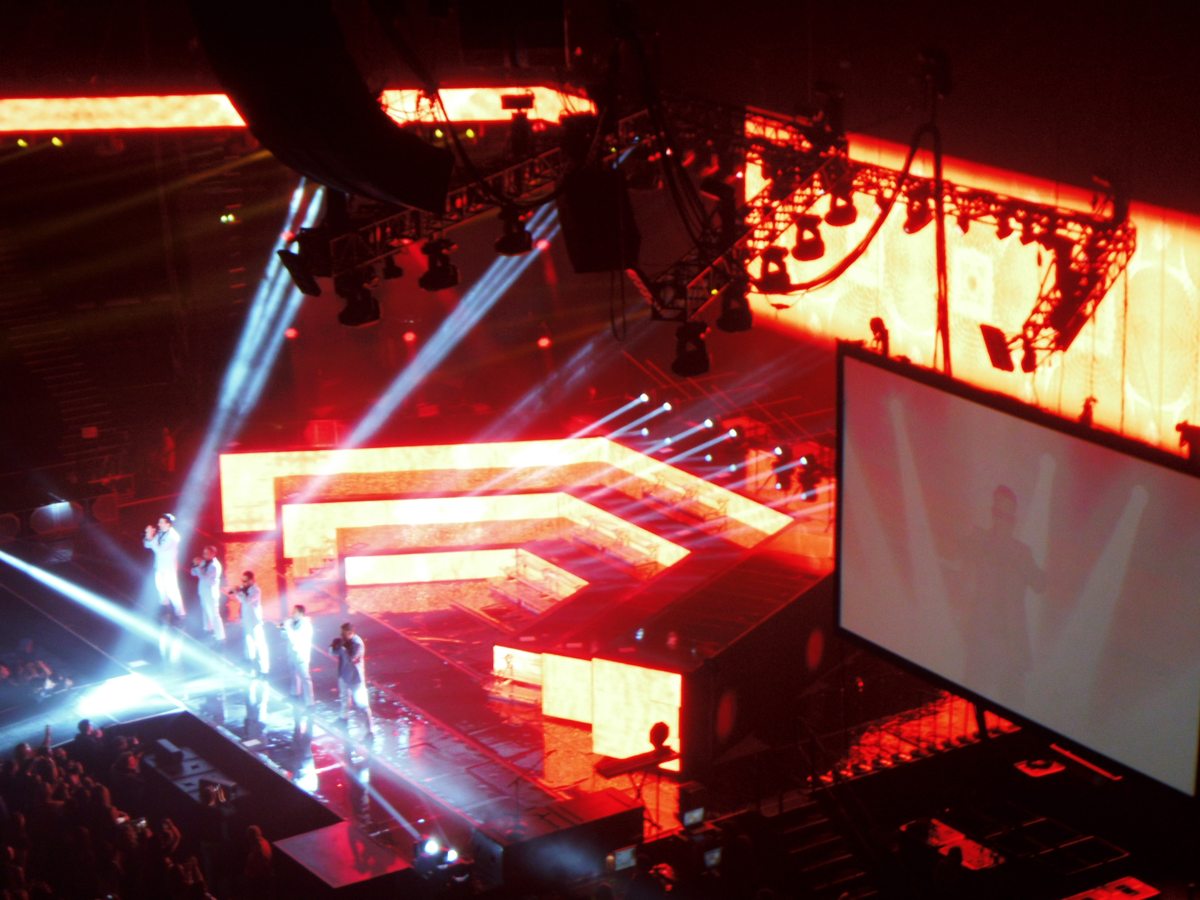
Atmosphere-wise, CCR-heavy shows feel weirdly cross-generational in a way few rock gigs manage. You’ll see teens in thrifted denim next to grandparents in faded tour tees, but the crowd dynamic is less "separate camps" and more "shared adrenaline." There’s a strong American-roots aesthetic: simple stage setups, a lot of telecasters and Les Pauls, no giant LED walls or overblown visuals. The songs carry the show. That minimalism actually feels fresh compared to current pop tours; it’s closer to indie rock or punk in its focus on performance and sweat instead of spectacle.
Sound-wise, expect a lot of grit. These songs weren’t written to be pristine. Guitars sit in that crunchy midrange; drums pound straight ahead with almost no fancy fills; bass lines stay thick and supportive. Vocals matter most. Any band trying to deliver Creedence properly has to lean into Fogerty’s style: urgent, slightly ragged, fully committed. That delivery is part of why CCR still lands with younger rock fans who love artists like Sam Fender or The Killers – there’s no irony, just raw, shouted feeling.
If you’re planning to hit a CCR-themed show, best strategy is simple: know the core hits ("Proud Mary", "Bad Moon Rising", "Fortunate Son", "Have You Ever Seen the Rain") and then give yourself a couple of deeper cuts to latch onto – "Lodi", "Green River" or "Up Around the Bend" are great choices. By the time the band hits the encore, you’ll understand why people keep calling these songs "evergreen" without sounding like they’re just parroting rock-critic clichés.
What the web is saying:
Rumor Mill: What Fans Are Speculating
Where there’s a legacy band with unresolved history, there’s always a rumor mill. Creedence Clearwater Revival might be officially over, but Reddit threads, Discord servers and TikTok comment sections are buzzing with theories, wishful thinking and a few hot takes that refuse to die.
One of the most persistent threads on r/music and classic rock subs is the idea of a "one-night-only" reunion under the CCR name. Fans spin elaborate scenarios: a surprise slot at Glastonbury, a Rock & Roll Hall of Fame-style all-star tribute with John Fogerty leading the charge, or a charity show in New Orleans with a rotating cast of younger rock singers. Most people know it isn’t realistic given the band’s history and the losses they’ve sustained, but the fantasy keeps resurfacing every time Fogerty plays a particularly stacked CCR-heavy set or a new doc clip goes viral.
Another popular theory focuses less on a reunion and more on the catalog. With Fogerty’s improved control over his songs, fans are speculating about a definitive mega-box: every studio album remastered from the original tapes, complete live shows from classic tours, studio outtakes, and maybe a Blu-ray of the Woodstock performance with modern sound. On Reddit, you’ll find nerdy dream tracklists for a "Creedence Clearwater Revival: Complete Sessions" package, right down to hypothetical alternate takes of "Run Through the Jungle" and early versions of "Have You Ever Seen the Rain".
On TikTok, the conversation skews different. There, CCR has become part of a broader "dad rock but make it hits" trend, where creators rate how well older songs slap on a modern system or in a gym playlist. "Fortunate Son" and "Up Around the Bend" routinely get labeled as "still goes way too hard," while "Have You Ever Seen the Rain" is used in more emotional edits. A mini-controversy flared up when one creator suggested "Bad Moon Rising" was "basically a happy song" because of its upbeat rhythm – cue a flood of comments pointing out the dark, apocalyptic lyrics. The misunderstanding turned into viral explainers about how CCR often paired bright melodies with grim subject matter.
Ticket prices are another sore point. Whenever John Fogerty or a high-profile CCR tribute announces US or European dates, Reddit quickly fills with debates about value. Some older fans complain that prices feel steep for songs that were originally rooted in working-class reality; younger fans counter that this is their only shot to hear these tracks at volume while some of the original era is still alive onstage. People swap strategies: catching festival slots instead of headline shows, chasing cheaper tickets in smaller cities, or finding local tribute bands in pubs and small theaters that charge a fraction of big-venue prices.
There’s also a creative speculation lane: who from the current generation could carry CCR’s songs in a full-album tribute? Names that pop up repeatedly include Marcus King, Chris Stapleton, Sam Fender and even Hozier for certain moodier tracks. Fans play fantasy A&R, pairing each modern artist with a specific song – Sam Fender on "Fortunate Son," Hozier on "Who’ll Stop the Rain," Stapleton growling through "Born on the Bayou." These threads say a lot about how people hear Creedence now: not as dusty classic rock, but as living material that could be reimagined without losing its bite.
Finally, there’s an ongoing vibe check about how political CCR really was and what that means in 2026. Some users argue that "Fortunate Son" and "Run Through the Jungle" are too tied to the Vietnam era; others insist the themes – inequality, distrust of leaders, fear of creeping authoritarianism – line up almost too perfectly with current anxieties. That argument is part history lesson, part modern therapy session, and it’s probably the clearest sign that Creedence Clearwater Revival lives far beyond nostalgia tours or playlist algorithms.
Key Dates & Facts at a Glance
| Type | Date | Detail | Notes for Fans |
|---|---|---|---|
| Band Formation | 1967 | Creedence Clearwater Revival name adopted in California | Core lineup: John Fogerty, Tom Fogerty, Stu Cook, Doug Clifford |
| Debut Album | 1968-05 | Release of self-titled album "Creedence Clearwater Revival" | Includes early versions of "Suzie Q" and "I Put a Spell on You" |
| Breakthrough Year | 1969 | Albums "Bayou Country", "Green River" and "Willy and the Poor Boys" | CCR releases three albums in one year, floods radio with hits |
| Woodstock Performance | 1969-08-17 | Late-night set at Woodstock Festival | Full performance later restored and officially released |
| "Cosmo’s Factory" | 1970-07 | Release of their biggest studio album | Features "Travelin’ Band", "Who’ll Stop the Rain", "Run Through the Jungle" |
| Band Breakup | 1972 | CCR disbands after internal tensions and lineup changes | Final studio album: "Mardi Gras" |
| Rock Hall Induction | 1993 | Creedence Clearwater Revival inducted into Rock & Roll Hall of Fame | Induction marked by ongoing tensions about performance |
| Catalog Momentum | 2020s | New remasters and live releases, including Woodstock set | Introduced CCR to younger streaming audiences |
| Rights Milestone | 2023 | John Fogerty regains majority control of his CCR publishing | Opens door for artist-driven releases and sync decisions |
| Ongoing Live Activity | 2024–2026 | Fogerty tours with CCR-heavy sets; tribute projects tour globally | Fans can still experience Creedence songs live across US, UK & Europe |
FAQ: Everything You Need to Know About Creedence Clearwater Revival
Who are Creedence Clearwater Revival, in the simplest terms?
Creedence Clearwater Revival – often shortened to CCR – were a four-piece band from California who built an entire universe of roots rock in a few explosive years between 1968 and 1972. The lineup: John Fogerty on vocals and lead guitar, his older brother Tom Fogerty on rhythm guitar, Stu Cook on bass and Doug Clifford on drums. They didn’t lean on psychedelia or prog like many of their ’60s peers; instead they aimed straight for tight, punchy songs pulled from country, blues and R&B, wrapped in this swampy, Southern-soaked mood even though they were West Coast kids.
In everyday language: they’re the band behind "Bad Moon Rising", "Proud Mary", "Fortunate Son", "Have You Ever Seen the Rain", "Down on the Corner" and "Born on the Bayou" – the songs that show up in movies whenever a director wants things to feel gritty, real and a little haunted.
What made Creedence Clearwater Revival different from other classic rock bands?
Speed, focus and attitude. CCR knocked out seven studio albums in roughly four years, which is wild by modern standards. Those records are lean – most songs hover around the three-minute mark, and there’s almost zero filler. John Fogerty’s songwriting was locked in on hooks and storytelling; he wrote like someone who knew radio attention spans were short, but emotional lives were long.
They also tackled politics and power in a way that still feels sharp. "Fortunate Son" slices into class privilege and fake patriotism. "Run Through the Jungle" isn’t just a war song; it’s been read as a warning about guns, paranoia and a country spiraling out. Yet they balanced that sting with big communal tracks like "Down on the Corner" and "Lookin’ Out My Back Door" that felt joyous and weird. That tension – anger and celebration in the same catalog – is a big reason younger fans are still finding them relatable.
Is Creedence Clearwater Revival still touring today?
No, the original Creedence Clearwater Revival is not a touring band. They broke up in 1972, and the internal issues that led to that split never truly disappeared. Tom Fogerty died in 1990; Stu Cook and Doug Clifford have pursued other music and projects over the years, including the long-running Creedence Clearwater Revisited, which performed CCR material with different singers and guitarists.
However, if you want to see Creedence songs live, you’re not out of luck. John Fogerty tours regularly and fills his sets with CCR hits – often the majority of the show. Around the US, UK and Europe, multiple high-level tribute bands recreate classic CCR sounds in theaters, festivals and clubs. They’re transparent about being tributes, not the original band, but for many fans the energy and song selection scratch the same itch: loud guitars, communal choruses and a night anchored by "Proud Mary" and "Fortunate Son".
Why are Creedence Clearwater Revival songs still so popular with Gen Z and Millennials?
Because the problems CCR wrote about never really went away, and because the songs fit seamlessly into modern listening habits. Sonically, CCR tracks are short, hooky and easy to drop into playlists between newer artists. You can go from Phoebe Bridgers into "Have You Ever Seen the Rain" without a huge vibe shock; both mine sadness and uncertainty in very direct language. "Fortunate Son" sits comfortably next to more recent protest tracks, whether that’s hip-hop, punk or alt-rock. The beat slams, the chorus is chant-level simple, and the message – calling out people born into privilege who avoid real consequences – could describe multiple headlines in any given week.
On a more emotional level, there’s something comforting in how analog these recordings feel. In an era of heavily edited vocals and quantized drums, CCR tracks sound human. You hear fingers slide on strings, slight tempo shifts, the push-and-pull of four players in a room. That warmth is a big part of why these songs do numbers on streaming; they feel like a break from algorithm-perfect pop without losing replay value.
What are the must-hear Creedence Clearwater Revival songs if I’m just starting out?
Think of it in tiers. For absolute beginners, start with the obvious anthems:
- "Bad Moon Rising" – upbeat, instantly familiar, secretly apocalyptic.
- "Proud Mary" – CCR’s original version before Tina Turner turned it into a different classic.
- "Fortunate Son" – the protest song that won’t quit.
- "Have You Ever Seen the Rain" – melancholy, simple, devastatingly effective.
Once those click, move into stepping-stone tracks:
- "Born on the Bayou" – slow-burning, swamp-rock mood piece.
- "Green River" – all twang and groove, perfect driving song.
- "Up Around the Bend" – bright, hooky, pure festival energy.
- "Lodi" – for anyone who’s ever felt stuck and overlooked.
If you fall in deep, full albums like "Cosmo’s Factory" and "Willy and the Poor Boys" play almost like greatest-hits sets. They’re also the records most often referenced in thinkpieces and fan debates, so they’re great anchors if you want to talk CCR online without sounding lost.
Why did Creedence Clearwater Revival break up so quickly?
The short version: intense creative control, label pressures and family tension. John Fogerty carried most of the songwriting and creative decisions, which built a strong, coherent sound but also bred resentment. As the band’s success exploded, disagreements over direction, management and money intensified. Label and contract frustrations piled on, and Tom Fogerty eventually left over both musical and personal conflicts with his brother.
By the time of their final album, "Mardi Gras", the internal chemistry that fueled those early records was gone. The split left bruises that never fully healed, especially between John and Tom. That lingering hurt shows up in later interviews and is a big reason talk of any kind of "true" reunion always hits a hard wall. For fans, it’s bittersweet: that brief, burning window is part of why the catalog is so concentrated and powerful, but it also means there was no gentle winding down, just a hard stop.
Where should I start if I want to explore Creedence Clearwater Revival deeper than the hits?
If you want to move beyond playlists, the smartest route is to pair albums with live recordings. Start with "Cosmo’s Factory" front to back; it’s basically a blueprint for roots rock. Follow it with "Willy and the Poor Boys" for the street-side, harmonica-heavy side of CCR. Then check out an officially released live show – the Woodstock set is the most iconic, but there are other late-’60s and 1970 concerts that show how ferocious the band was onstage.
As you listen, pay attention to recurring themes: escape and entrapment ("Lodi", "Run Through the Jungle"), ordinary joy ("Down on the Corner"), and a deep suspicion of authority ("Fortunate Son", "Who’ll Stop the Rain"). Once you hear those threads, it’s hard to treat CCR as just background classic rock. You start to understand why in 2026, with everything going sideways in different ways, this band from more than 50 years ago still feels like they’re singing straight at you.
And when you’re ready to connect with the live side of that legacy – whether it’s Fogerty’s current shows or a carefully curated tribute – keep an eye on official announcements and fan hubs so you’re not the last person to find out when "Bad Moon Rising" is about to shake the walls in your city.
So schätzen die Börsenprofis Aktien ein!

Für. Immer. Kostenlos.