
Why Bee Gees Fever Is Quietly Back in 2026
24.02.2026 - 13:27:01 | ad-hoc-news.de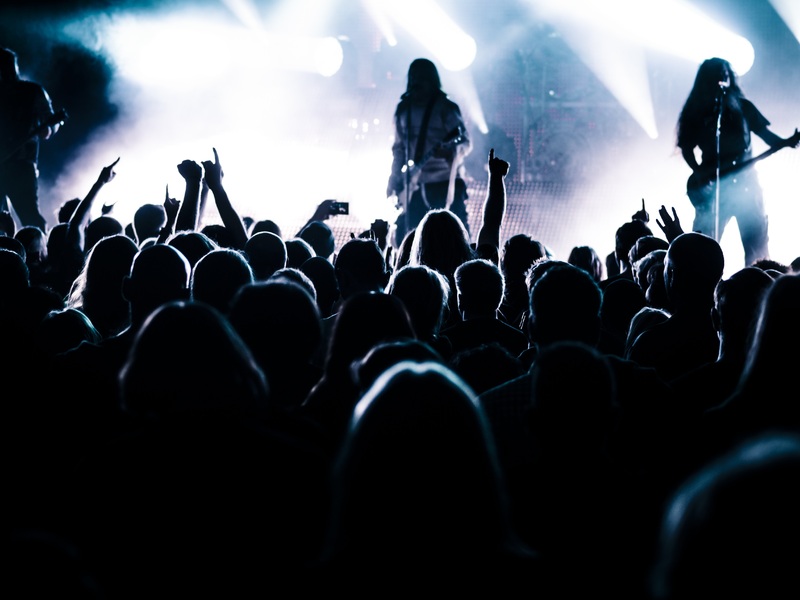
If you thought the Bee Gees were just your parents’ (or grandparents’) disco obsession, 2026 is proving you seriously wrong. Their songs are all over TikTok edits, Gen Z playlists are sneaking in deep cuts like "Love You Inside Out", and every few weeks a new rumor drops about tribute tours, hologram shows, or that long?gestating biopic finally moving ahead. The stayin’ alive era never really died—it just found a new algorithm.
Explore the official Bee Gees hub for music, news & legacy
For a group that peaked in the late ’70s, the Bee Gees are weirdly current. DJs are dropping "You Should Be Dancing" in hyperpop sets. Bedroom producers are flipping "Night Fever" into lo?fi samples. And every time a new TV show or film syncs "How Deep Is Your Love", a whole new wave of listeners runs to search who these high?voiced guys actually are. Let’s break down what’s happening right now with the Bee Gees, why they’re still musically relevant, and where the buzz is heading next.
The Backstory: Breaking News in Detail
There hasn’t been a traditional "new Bee Gees album" in years—Barry is the only surviving Gibb brother now—but the story hasn’t stopped. Instead, the Bee Gees are living a second life through reissues, sync deals, documentaries, and rising fan activity that’s pushing them back into the mainstream conversation.
In recent months, industry chatter has circled around three big talking points:
- Biopic momentum: Ever since a major?studio Bee Gees biopic was first reported as in development, fans have been tracking every casting whisper and production rumor. While no official start date has been locked in publicly, entertainment trade sites keep flagging script tweaks and director talks. The takeaway: studios see Bee Gees as the next big legacy-music movie after the success of Queen, Elton John, and Elvis films.
- Catalog power moves: Labels and rights-holders have been strategically re?releasing classic albums in remastered formats, often timed to anniversaries of "Saturday Night Fever" or key singles. You’ll see vinyl box sets, high?res streaming upgrades, and themed playlists spotlighted on major platforms, which quietly nudge young listeners into the Bee Gees universe.
- Legacy shows & tribute tours: While there hasn’t been a new globe?spanning Bee Gees tour in the traditional sense, there’s a steady rise of official?approved tribute shows, symphonic "Bee Gees songbook" nights, and one?off star?studded events built around their catalog. Think orchestras playing "How Can You Mend a Broken Heart" with guest vocalists, or full disco-nostalgia evenings in London, New York, and Vegas.
Behind the scenes, the reason is simple: the Bee Gees catalog still streams insanely well. Tracks like "Stayin’ Alive" and "More Than a Woman" never fall far off classic hits rankings, and every time another director uses their music in a movie trailer or prestige drama, the band surges on charts again. Labels and publishers know this, which is why you’re seeing a steady drip of packages, playlists, and anniversary talking points instead of one huge singular comeback event.
There’s also a generational shift driving this. Millennials grew up hearing the Bee Gees in their parents’ cars and now control playlists at parties and weddings. Gen Z picks up those same songs through TikTok or TV syncs, then digs backward into albums like "Main Course" and "Children of the World". Suddenly you’ve got teens debating whether "Tragedy" or "Jive Talkin’" is the better track, and music writers in 2026 noticing that Bee Gees content quietly performs extremely well with younger readers.
For fans, the implication is clear: the Bee Gees are shifting from "nostalgia act" into full cultural canon status, sitting alongside The Beatles and ABBA as names you just know, even if you’ve never put on a full album. That means more reissues, more think?pieces, more covers, more biopic talk, and more chances their songs turn up in unexpected 2026 contexts—from EDM festivals to relationship TikToks.
The Setlist & Show: What to Expect
Even if you can’t walk into a brand?new Bee Gees arena tour with all three brothers, the modern Bee Gees experience is still built around one key thing: the songs. Current tribute productions, orchestral shows, and special Barry Gibb?centered nights all orbit around a familiar, high?impact core setlist that pulls from the same legendary hits you’ve seen referenced for decades.
If you’re checking out a Bee Gees?branded live event in 2026—whether it’s a full band tribute, a symphonic night, or a themed disco party—these tracks are almost guaranteed to show up:
- "Stayin’ Alive" – The opener or the closer, and always the moment the crowd goes off. That instantly recognizable riff and falsetto hook still feel weirdly modern, especially when a live rhythm section leans into a heavier, punchier groove.
- "How Deep Is Your Love" – The slow?burn sing?along. Expect phone flashlights, couples swaying, and at least one person in your row crying a little. It’s one of those songs that sounds simple until you notice the chord changes and vocal layering.
- "Night Fever" – The pure disco ecstasy moment. Most shows will use lighting shifts—mirror?ball effects, deep blues and purples, maybe even period?style visuals—to drive home the ’70s fantasy.
- "You Should Be Dancing" – Usually placed mid?set to kick the energy into overdrive. Modern bands will sometimes stretch this into a jam section with extra percussion, giving you that sweaty club feel.
- "Jive Talkin’" – A fan?favorite that bridges funk and pop. Live versions often emphasize the groove and bass, which helps it click with younger crowds raised on R&B and nu?funk.
- "More Than a Woman" – Often paired with "Night Fever" as the full Saturday Night Fever core. Expect couples to treat this as their song, even if they were born decades after the film landed.
- "Tragedy" – The dramatic, theatrical moment. Big vocals, big chords, massive chorus. It plays like a power ballad fused with disco, and live it hits way harder than you’d expect if you only know it from the radio.
Deeper shows and full evening productions will also slip in earlier, pre?disco Bee Gees songs like "To Love Somebody" and "Massachusetts", reminding people that the group started as a baroque pop act before they became kings of the light?up dancefloor. That’s where modern audiences often have their "wait, they wrote this too?" moment.
Atmosphere?wise, current Bee Gees?themed nights sit somewhere between a nostalgic costume party and a genuinely emotional celebration of songwriting. You’ll see older fans in original tour shirts right next to 20?somethings in thrifted flares and platform shoes. DJs and opening acts lean into disco, funk, and modern nu?disco (think Dua Lipa, Jessie Ware, SG Lewis) to show how the Bee Gees’ rhythmic ideas live on.
One predictable highlight: the stacked harmonies. Whether you’re watching Barry Gibb himself on a special date, a full tribute lineup, or a choir?driven orchestral project, the arrangements lean hard on those signature three?part blends. Even people who walked in thinking Bee Gees are "cheesy disco guys" usually walk out talking about how tight the vocal arrangements are and how good the songs are outside the Saturday Night Fever aesthetic.
So if you’re heading to any Bee Gees?related event in 2026, expect:
- A greatest?hits?oriented setlist hitting all the major album touchpoints.
- At least one surprise deep cut that hardcore fans scream for—often from "Main Course" or the early ballad era.
- Heavy crowd participation; these are songs people know word?for?word, even when they think they don’t.
- A mix of nostalgia and discovery—older fans reliving it, younger fans realizing how many modern pop moves started here.
What the web is saying:
Rumor Mill: What Fans Are Speculating
If you’ve spent any time on Reddit music threads or TikTok comment sections lately, you’ll know that Bee Gees discourse is very much alive. The rumors and debates fall into a few recurring categories—and they say a lot about how younger listeners are connecting with the band.
1. The biopic casting obsession
On subreddits like r/popheads and r/movies, one of the favorite what?if games is "who should play the Bee Gees in the biopic?". Fans throw out names from British indie actors to pop stars who could theoretically handle the vocals. There are constant arguments over whether the casting should prioritize looks, vocal similarity, or pure acting chops. No matter what side you’re on, the takeaway is that people are invested enough in the group’s story to care about who gets to tell it on screen.
Another recurring speculation: how the film would handle the backlash years, when disco "died" and the Bee Gees got blamed for an entire genre. Younger fans on TikTok often frame this era as a story about coded backlash against queer culture and Black music, which adds a new layer to how people interpret the group’s career in 2026.
2. Hologram and AI shows—cool or cursed?
With ABBA Voyage proving that high?tech avatar shows can actually work, Bee Gees fans have started asking the obvious question: could something similar happen with Barry, Robin, and Maurice? On Reddit, opinions split hard. Some users are desperate for a full immersive "disco church" Bee Gees experience; others are uneasy about AI voices and digital recreations.
Even without any official confirmation, the basic tech is there: multi?track stems, deep archives of footage, and a catalog built for theatrical sound systems. So any hint of a Bee Gees immersive show sends fans into theory mode—speculating about setlists, visuals, potential venues (London, Vegas, NYC always come up), and whether Barry would sign off on it.
3. TikTok’s "Falsetto Challenge" and vocal hot takes
On TikTok, one of the funnier recurring trends is people trying to nail the Bee Gees’ falsetto. Clips tagged with Bee Gees songs show creators attempting that high "Stayin’ Alive" line, sometimes seriously and sometimes purely for comedy. Vocal coaches react to Bee Gees harmonies, explaining why the blend is more complex than casual listeners realize.
At the same time, you’ll find debates over whether the Bee Gees invented "pop falsetto culture" that later showed up in artists like The Weeknd, Justin Timberlake, and Bruno Mars. Purists will point to earlier soul and R&B singers, but everyone agrees: the Bee Gees normalized the idea that three men in tight falsetto could completely dominate global pop charts.
4. Ticket prices & "legacy tax" complaints
Whenever a big Bee Gees?themed concert or official tribute hits Ticketmaster, someone posts a screenshot of prices on Reddit or X. The usual discourse follows: are we paying for nostalgia or for real, current artistry? Is it fair that legacy?act nights cost as much as seeing new artists with current albums?
For many younger fans, though, there’s a sense that seeing Bee Gees music performed in a big venue—especially if Barry is involved in any capacity—is a once?in?a?lifetime experience. You see a lot of comments like, "It’s basically paying to hear 20 A?tier songs with a crowd. That’s cheaper than going to three separate shows for modern artists who only have a couple hits each."
All of this adds up to a strange but very 2026 reality: a band that launched in the 1960s is being argued over, memed, fancast, and theory?crafted as if they were a current pop group between album cycles. The rumors might not all pan out, but the attention is real—and that alone keeps Bee Gees energy in the feed.
Key Dates & Facts at a Glance
- Formation: The Bee Gees—brothers Barry, Robin, and Maurice Gibb—started performing together in the late 1950s, with their classic name and lineup locking in during the early 1960s.
- Breakthrough era: Their late?’60s run with songs like "To Love Somebody", "Massachusetts", and "I Started a Joke" established them as major pop writers before disco entered the picture.
- Disco dominance: The mid?to?late ’70s, especially the "Saturday Night Fever" soundtrack (released 1977), turned the Bee Gees into global icons and helped define mainstream disco worldwide.
- Key albums to know: "Main Course" (1975), "Children of the World" (1976), "Saturday Night Fever" (soundtrack, 1977), "Spirits Having Flown" (1979), plus earlier sets like "Bee Gees’ 1st" (1967).
- Chart impact: Across their career, the Bee Gees scored multiple No.1 hits on major charts with songs including "Stayin’ Alive", "Night Fever", "How Deep Is Your Love", "Tragedy", and "Too Much Heaven".
- Songwriting for others: Beyond their own hits, the Gibb brothers wrote or co?wrote songs for artists like Barbra Streisand, Dionne Warwick, and others, expanding their influence way beyond Bee Gees records.
- Tragedies & losses: Maurice Gibb died in 2003, Robin Gibb in 2012, leaving Barry Gibb as the only surviving Bee Gee.
- Honors: The Bee Gees have been inducted into the Rock and Roll Hall of Fame and have received major industry awards recognizing both their performance and songwriting careers.
- Streaming era: In the 2010s and 2020s, Bee Gees streams surged repeatedly thanks to documentaries, TV syncs, social media trends, and curated playlists on major platforms.
- Official site: For catalog info, legacy projects, and official announcements, fans point to the band’s home base at the official Bee Gees website.
FAQ: Everything You Need to Know About Bee Gees
Who exactly are the Bee Gees?
The Bee Gees are a British?Australian group formed by brothers Barry, Robin, and Maurice Gibb. They started as a pop and rock band in the 1960s, building a reputation on rich harmonies and emotionally heavy ballads. Over time, they evolved into one of the defining acts of the disco era, then continued to write and produce hits for themselves and others long after disco’s peak.
Unlike many legacy acts, their story crosses several genres and decades. Early records feel closer to Beatles?adjacent baroque pop, the ’70s work slides into funk?infused disco, and their later years lean toward adult contemporary and polished pop. That shape?shifting ability is a huge reason they remain interesting to listeners in 2026 who are used to artists bouncing between sounds.
Why are the Bee Gees still such a big deal in 2026?
Three main reasons: the songs, the story, and the timing.
- The songs still work in any era. "Stayin’ Alive" has a beat modern artists would happily steal. "How Deep Is Your Love" lands emotionally next to today’s soft?pop ballads. The structures, hooks, and harmonies feel timeless.
- The story—rising as pop balladeers, peaking as disco icons, getting blamed for "killing" rock, then returning as powerhouse writers for others—plays like a full prestige drama. That’s why a biopic has so much potential and why documentaries about them have performed well.
- The timing: Disco and ’70s aesthetics are having a multi?year comeback run in pop culture. From fashion and vinyl culture to artists mining disco and funk, the Bee Gees feel like a core reference point rather than a forgotten fad.
So when you scroll today’s feeds and suddenly see Bee Gees edits next to Olivia Rodrigo or The Weeknd clips, it’s because the algorithm and culture both recognize their catalog as instantly usable and emotionally effective.
What Bee Gees songs should a new fan start with?
If you’re completely new, build a starter playlist around these essentials:
- "Stayin’ Alive" – Iconic, yes, but still hits hard.
- "How Deep Is Your Love" – Soft, romantic, and harmonically gorgeous.
- "Night Fever" – If you don’t dance a little, check your wifi.
- "You Should Be Dancing" – One of their purest club tracks.
- "Jive Talkin’" – Groovy and funk?leaning; very playlist?friendly in 2026.
- "More Than a Woman" – A perfect crossover between ballad and dance.
- "To Love Somebody" – Early Bee Gees at peak ballad power.
- "Tragedy" – Dramatic, maximalist, and surprisingly modern in arrangement.
Once you’re into those, go album by album through "Main Course", "Children of the World", and the "Saturday Night Fever" soundtrack to get a real sense of their prime era, then double back to the ’60s albums to see where those voices came from.
Are the Bee Gees touring right now?
As of early 2026, there isn’t a classic Bee Gees tour in the old sense—two of the three brothers have passed away, and Barry Gibb has focused in recent years on select performances, collaborations, and legacy projects instead of heavy world touring.
However, the "Bee Gees live experience" exists through:
- Official and semi?official tribute shows carrying the Bee Gees name or branding.
- Orchestral "Bee Gees songbook" nights where symphonies perform rearranged versions of their hits with guest singers.
- Disco and "Saturday Night Fever" theme nights that anchor their setlists around Bee Gees classics.
So if you search your local venues or big city event listings, there’s a good chance something Bee Gees?related is on the calendar—even if it’s not Barry himself on stage.
What’s the deal with the Bee Gees biopic everyone keeps talking about?
Studios have been actively developing a Bee Gees biopic, drawing on the same formula that made recent music films so successful. While a final release date and full casting list haven’t dropped publicly, the project has been the subject of ongoing Hollywood coverage for a while.
Fans are especially curious about:
- How much of the film will focus on the "Saturday Night Fever" boom versus their early struggles and later writing career.
- Whether the movie will confront the anti?disco backlash and how it affected the band personally and professionally.
- How the casting will handle the brothers’ very different personalities: Barry’s steady presence, Robin’s piercing vibrato and sensitivity, Maurice’s quieter but essential glue role.
Until official trailers and casting details hit, expect the rumor mill to keep spinning. But one thing feels inevitable: once the biopic arrives, Bee Gees streams will spike again, and another wave of new listeners will show up asking, "How did I not know they made this many hits?"
Did the Bee Gees "invent" disco?
No single group invented disco; it emerged from Black, Latin, and queer club culture, building off soul, funk, and earlier dance music. But the Bee Gees were absolutely central to making disco global and commercially dominant.
When they shifted their sound in the mid?’70s toward more rhythmic, groove?driven tracks and then anchored the "Saturday Night Fever" soundtrack, they became the mainstream face of disco for much of the world. For better or worse, that also meant they took a lot of the heat when a backlash hit.
In 2026, younger listeners tend to view the Bee Gees as one important piece of a much bigger disco story—one that includes the clubs, DJs, and communities that built the sound long before Hollywood showed up. That more nuanced view is part of why Bee Gees fandom feels fresher and less stuck in old narratives.
Where can I follow official Bee Gees updates?
Your best starting point is the official Bee Gees website, which pulls together catalog information, legacy releases, and major announcements connected to the group’s name. From there, it’s worth following verified social pages tied to Barry Gibb and official Bee Gees channels on major streaming services, where playlists and reissues get highlighted.
For deeper fan talk—setlist predictions, biopic rumors, historical debates—Reddit communities and music?focused Discord servers are where the most passionate discussion lives. TikTok and Instagram, meanwhile, are perfect if you want the lighter side: edits, fits, falsetto memes, and people discovering these songs for the first time on camera.
Historical Flashback: From Baroque Pop to Global Disco
If you only know the Bee Gees for open shirts and white suits, it’s easy to miss how radical their evolution really was.
In the 1960s, the Bee Gees moved through a sound that sat closer to The Beatles and The Hollies than to anything resembling club music. Tracks like "New York Mining Disaster 1941" and "I Started a Joke" leaned heavily on storytelling, strings, and melancholic melodies. Robin’s trembly vibrato and Barry’s songwriting were the focus; groove wasn’t the main event yet.
The pivot came in the mid?’70s when they teamed with producer Arif Mardin and started cutting tracks that leaned on basslines and rhythm guitar in a new way. "Jive Talkin’" is often cited as a turning point: funky, syncopated, and clearly aimed at dancefloors rather than just radios. From there, they pushed further into what we now slot as "disco", though at the time it was more like highly crafted pop with heavy R&B and funk influence.
By the time "Stayin’ Alive" and "Night Fever" hit, the Bee Gees had fully rebranded—even visually. Out went the more buttoned?up ’60s aesthetic; in came chest hair, gold chains, and swagger. To some rock purists of the time, it looked like they "sold out". With hindsight, it feels like a confident reinvention that lined up perfectly with where nightlife and global pop were heading.
That ability to burn one version of themselves and build another is exactly the kind of move we now expect from top?tier pop artists. In that sense, the Bee Gees feel oddly contemporary: they survived early success, a sound shift, a backlash, and a late?career reinvention as behind?the?scenes hitmakers. If you’re a fan of 2020s artists who rebrand every two years, you’re already in Bee Gees territory—you just might not have known it yet.
Hol dir den Wissensvorsprung der Aktien-Profis.

Seit 2005 liefert der Börsenbrief trading-notes verlässliche Trading-Empfehlungen – dreimal die Woche, direkt ins Postfach. 100% kostenlos. 100% Expertenwissen. Trage einfach deine E-Mail Adresse ein und verpasse ab heute keine Top-Chance mehr.
Jetzt abonnieren.


