
Why Amy Winehouse Still Hurts So Good in 2026
08.03.2026 - 00:39:17 | ad-hoc-news.de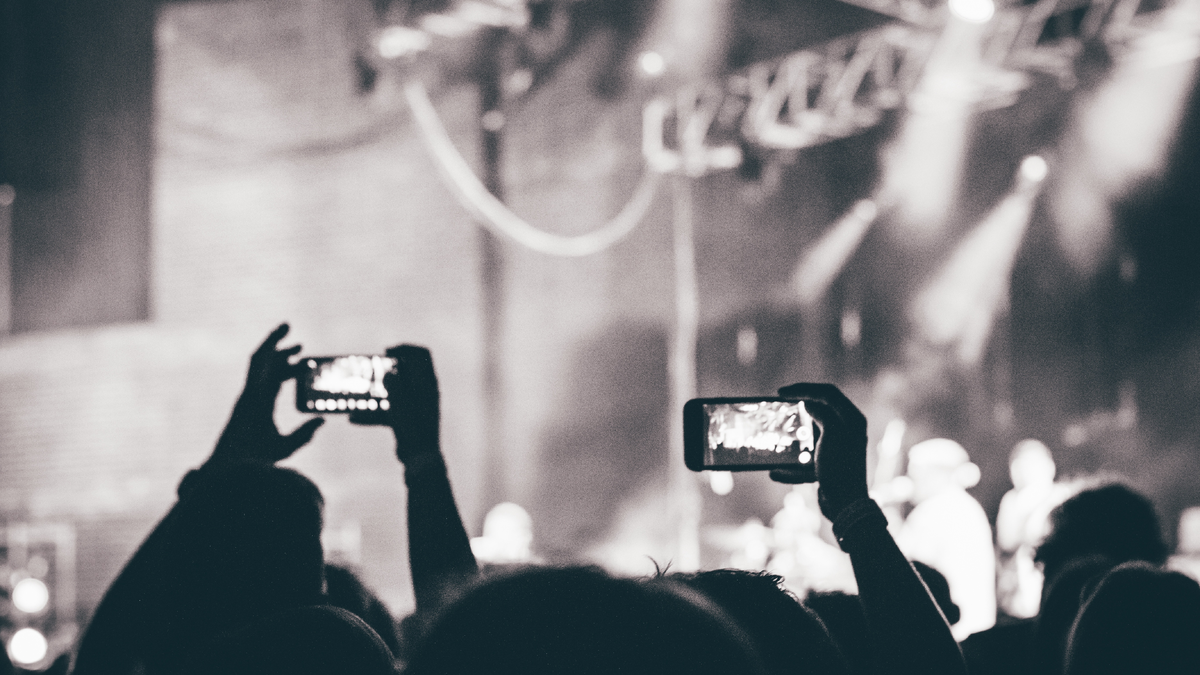
You can feel it again, can’t you? That sudden wave of Amy Winehouse everywhere on your feed. Old live clips on TikTok, fan edits on Instagram, Gen Z discovering Back to Black like it just dropped last Friday. More than a decade after her death, Amy is trending like a brand-new artist, and the emotion around her story is only getting heavier. If you want the official deep dive, the estate-approved updates and legacy projects are living here:
Visit the official Amy Winehouse site for legacy news
In 2026, Amy isn’t just nostalgia. She’s mood, she’s aesthetic, she’s heartbreak coursework. And every new doc, biopic, reissue, and viral edit keeps pulling you right back into that smoky Camden world she built in two short albums.
The Backstory: Breaking News in Detail
There may not be a fresh Amy Winehouse tweet or tour announcement (for obvious and tragic reasons), but the news cycle around her has barely taken a breath. Over the past few weeks, the buzz has circled around three big pillars: legacy releases, screen portrayals, and the ongoing culture war over who "owns" Amy’s story.
On the legacy side, labels and rights-holders keep leaning into deluxe reissues and special editions. Fans have seen anniversary pressings of Frank and Back to Black sell out in minutes, often with alternate takes of tracks like "Stronger Than Me," "Love Is a Losing Game," and raw demo versions of "Rehab" that sound even more fragile than the originals. Whenever a new vinyl variant or box set lands, social media floods with unboxings, needle-drop videos, and debates about whether the estate is honoring or exploiting her catalog.
Screen-wise, the posthumous biopic conversation refuses to die. Even if the main movie release cycle peaked earlier, clips, critiques, and fan video essays still resurface constantly. Some writers praise the way her music is spotlighted for a new generation; others argue that no dramatization can touch the brutal honesty of her own live performances. For you as a fan, it means a constant stream of think pieces, reaction videos, and hot takes asking the same core question: are we celebrating Amy or consuming her pain?
Then there’s the deeper industry talk. Music journalists and producers keep pointing to Amy as the blueprint for the raw, autobiographical, soul-meets-indie pop you hear now from artists like Billie Eilish, Olivia Rodrigo, and even some alt-R&B acts. In recent interviews across big outlets, producers recall how labels once thought Amy’s sound was "too retro" and "too British" to blow up in the US, right before "Rehab" bulldozed American radio. That shockwave is still felt in 2026 every time a young artist drops a jazz chord over a pop hook and cites her as the reason they picked up a mic.
For fans, the implication is simple: Amy Winehouse is no longer a tragic chapter; she’s homework. She’s the artist your favorite artist studied, and all the recent coverage is pushing a whole new crowd to dig into her catalog, interviews, and rough early footage. The news might not scream "Breaking!" every day, but the story keeps growing, and it’s very much alive.
The Setlist & Show: What to Expect
You can’t buy a ticket to an Amy Winehouse concert in 2026, but that hasn’t stopped fans from obsessing over what her perfect setlist would look like if she were still here. Old tour footage, bootleg setlists, and festival line-ups paint a pretty clear picture of how she liked to build a night.
Back in the Back to Black era, a typical show would weave through both of her studio albums plus a handful of covers. Fans who managed to catch her in London, New York, or at European festivals remember openers like "Addicted" or "Know You Now" from Frank setting this loose, jazzy bar-band vibe. Then she’d slide into the hits: "Rehab," "You Know I’m No Good," and the skyscraper of a title track, "Back to Black." Hearing these live was different. The studio versions are immaculate; the live versions were messy, stretched, slurred, and sometimes heartbreakingly exposed.
She almost always hit "Tears Dry on Their Own," with that Motown bounce, and "Love Is a Losing Game," which would drop the energy to a pin-drop hush. Older footage shows couples in the crowd quietly singing every word, people wiping their eyes, and Amy closing her own, almost as if she wished the song would end quicker even as she poured herself into it.
And then there were the covers. Amy loved reworking songs like The Zutons’ "Valerie" (which she turned into a Mark Ronson-powered anthem), "Cupid" by Sam Cooke, and "Our Day Will Come." Fans swap stories on Reddit about hearing deeply soulful versions of "Hey Little Rich Girl" or reggae-infused takes on old classics. Those covers became staples in imagined 2026 setlists, usually placed mid-show as a breather between emotional body blows.
If you were to walk into a hypothetical Amy show now, you’d probably expect a setlist something like:
- "Know You Now"
- "Stronger Than Me"
- "Rehab"
- "You Know I’m No Good"
- "Tears Dry on Their Own"
- "Just Friends"
- "Back to Black"
- "Love Is a Losing Game"
- "Me & Mr Jones"
- "Valerie" (cover)
- "Cupid" (cover)
- Encore: "Wake Up Alone" / "Our Day Will Come"
The atmosphere? Less arena spectacle, more late-night club. Think brass section in sharp suits, backing vocalists in retro dresses, Amy in her beehive and ballet flats, cigarette in hand, talking to the crowd like it’s last call at a tiny Camden pub. No elaborate LED walls, no pyro, no choreography. Just that slightly behind-the-beat phrasing, the jazz instincts, and the feeling that she was always half a second from falling apart or producing the most stunning vocal run of the night.
In 2026, tribute shows and orchestral "Amy Winehouse Symphonic" events try to recreate that. They often perform Back to Black in full, front to back, with guest vocalists rotating on numbers like "Rehab" and "Back to Black." Fans come dressed in winged eyeliner, tattoos out, and beehive-inspired hair, basically turning the venue into a living Amy cosplay. The songs hit differently in a room full of people who know exactly how the story ends.
What the web is saying:
Rumor Mill: What Fans Are Speculating
Even without new music, Amy Winehouse rumor culture is loud. On Reddit threads in spaces like r/popheads and r/music, fans spin a whole universe of "what if" scenarios and low-key conspiracies about vaults, remasters, and secret collabs that might never see daylight.
One recurring theory: the existence of a nearly finished third album. Devoted fans piece together quotes from producers and session musicians who hinted that Amy was writing again after Back to Black. There are whispers about demos that leaned even deeper into jazz and reggae, with possible early sketches of songs that never made it to radio. Some insist that if the label or estate ever runs low on ideas, a "lost album" compilation will suddenly appear, built from half-complete sessions, alternative vocal takes, and rough home recordings.
Another big speculation zone is AI and posthumous duets. With 2026 tech able to recreate vocal timbres, a part of the fanbase worries about someone building an "AI Amy" feature verse on a new pop track. Reddit debates melt down fast here: some say it would be a fascinating tribute if done with respect and control by her estate; others feel it would cross every possible boundary and cheapen her very human flaws, which were such a huge part of her artistry.
On TikTok, Amy is riding a different kind of rumor wave. Teenagers and twenty-somethings, many of whom were kids or not even born when Back to Black dropped, are posting "First listen to Amy Winehouse" reaction videos. Clips of her 2007 performances go viral with captions like, "How did we let this happen?" and "She sang like this while going through all of THAT?" When one creator suggests Amy would be "bigger than Billie Eilish" if she debuted now, thousands jump into the comments to argue chart stats, streaming culture, and whether the industry would have treated her any better in the 2020s.
There’s also a softer rumor stream: imagined comeback arcs. Fans write long posts about the version of Amy who got clean, moved out of the tabloids, and returned a decade later with a stripped-back, jazz-heavy third album produced by someone like Anderson .Paak or Thundercat. They picture her popping up for surprise tiny gigs in London, mentoring young singers on TV, or dropping collabs with artists like Adele, Sam Smith, or H.E.R. It’s pure fantasy, but it shows how hard fans cling to the idea of the artist she might have become.
Of course, not all speculation is dreamy. Some conversations circle around the ethics of posthumous releases and merch drops. When new products hit the market with Amy’s face or lyrics, TikTok and Reddit both light up with the same question: would she have actually wanted this out there? Fans try to balance their hunger for anything new with a protective instinct over her legacy, especially with an artist who was so clearly crushed by public pressure while alive.
Key Dates & Facts at a Glance
- Birth: Amy Jade Winehouse was born on 14 September 1983 in London, England.
- Debut Album Release: Frank was released in the UK in October 2003, introducing her jazz-rooted, confessional songwriting to critics and early fans.
- Breakthrough Album Release: Back to Black dropped in October 2006 in the UK and early 2007 in the US, powered by singles like "Rehab" and "You Know I’m No Good."
- Grammy Wins: At the 50th Grammy Awards in 2008, Amy won five Grammys in one night, including Record of the Year and Song of the Year for "Rehab," and Best New Artist.
- Iconic Single Releases: "Rehab" first hit the airwaves in 2006, followed by "You Know I’m No Good," "Back to Black," "Tears Dry on Their Own," and "Love Is a Losing Game."
- Major US Breakthrough Moment: Her 2008 Grammy performance via satellite from London became a cultural reset for American viewers who hadn’t seen her live persona in full before.
- Death: Amy Winehouse died on 23 July 2011 in London at age 27, entering the so-called "27 Club" alongside artists like Kurt Cobain and Janis Joplin.
- Posthumous Compilation: The album Lioness: Hidden Treasures, featuring demos and previously unreleased material, was released in December 2011.
- Charitable Legacy: The Amy Winehouse Foundation was launched to support young people dealing with addiction and to provide music education opportunities.
- Streaming Era Impact: In the years since her death, "Back to Black" and "Valerie" have kept racking up streams, making her a consistent presence on retro, soul, and heartbreak playlists.
- Official Hub: Ongoing updates on projects, merch, and legacy initiatives are maintained through the official site.
FAQ: Everything You Need to Know About Amy Winehouse
Who was Amy Winehouse, in simple terms?
Amy Winehouse was a British singer-songwriter who fused jazz, soul, R&B, and pop into something that sounded both retro and brutally modern. If you boil it down, she was the artist who could make you feel like you were sitting in a smoky 1960s club while also reading raw diary entries from a messy, very 2000s life. Her voice carried that old-school grit you’d associate with legends like Billie Holiday, but her lyrics were pure London sarcasm, heartbreak, and self-drag.
She released only two studio albums in her lifetime, Frank and Back to Black, but those two records were enough to change how the mainstream thought about soul and jazz-infused pop. She went from niche UK critical darling to worldwide chart force without toning down the accent, the honesty, or the imperfections. That’s the version of Amy people are still clinging to in 2026.
What made Amy Winehouse’s music so different?
Amy’s music hit differently because she broke a few silent rules. First, she wrote like she was gossiping with a brutally honest best friend. Songs like "You Know I’m No Good" and "Me & Mr Jones" are basically confessions over old-school soul arrangements. Second, she didn’t clean up her personality for the mic. The slang stayed, the swearing stayed, the self-blame stayed. That made even big, polished productions feel weirdly intimate.
On a technical level, she had serious jazz chops. Listen closely to the way she slides into notes, drags behind the beat, or bends a line on "Back to Black" or "Love Is a Losing Game." She was channeling decades of jazz and soul singers, but she used that language to tell stories about modern addiction, toxic love, and self-destruction. It’s that blend of classic and chaotic that keeps new listeners locked in.
Where did Amy come from musically?
Amy grew up in a very musical, very London environment. Her family loved jazz; she was raised on artists like Sarah Vaughan, Dinah Washington, and Tony Bennett. As she got older, she folded in influences from soul, reggae, and hip-hop, which you can hear all over Frank. Tracks like "Take the Box" and "In My Bed" carry that mix of jazz phrasing over hip-hop-adjacent grooves.
London’s neighborhood scenes also shaped her. Camden, with its small venues, pubs, and indie/alt kids, gave her a space where showing up a bit rough around the edges wasn’t a problem — it was the norm. Her early gigs were basically experiments: raw vocals, small backing bands, and not much filter between her brain and the crowd. That energy followed her even when the stages got huge.
When did Amy Winehouse really blow up globally?
For UK fans, Amy was already a big deal after Frank in 2003. But the real global explosion happened with Back to Black in 2006–2007. "Rehab" hitting radio was the switch. It was a song about refusing help, sung over a Motown-style groove with that unforgettable hook: "They tried to make me go to rehab, I said, no, no, no." It sounded nothing like the polished pop dominating mid-2000s charts.
Once the US caught on, especially after the Grammy wave in 2008, she turned from cult favorite into household name. That Grammy night — where she performed via satellite from London — introduced millions of American viewers to the full package: the eyeliner, the hair, the half-smirk, half-wince stage presence, and a voice that sounded older than she was. From that point on, the pressure was relentless.
Why do people still talk about Amy so much in 2026?
There are lots of 2000s stars we don’t talk about daily anymore, but Amy sticks because her story feels unfinished and painfully human. She wasn’t an image-first pop machine; her whole brand was vulnerability, even when it was uncomfortable to watch. In an era where authenticity is the buzzword, she’s the uncomfortable, real version of that idea.
Her songs were also built to last. "Back to Black" feels like a funeral march for a relationship; "Tears Dry on Their Own" is the soundtrack to forcing yourself through the day after a breakup; "Valerie" is that bittersweet, tipsy singalong that somehow hurts beneath the fun. Every time a new generation goes through its first intense heartbreak or mental health spiral, Amy’s songs land like they were written yesterday.
On top of that, current artists won’t stop naming her as an influence. When you hear Billie Eilish’s hushed honesty, Adele’s emotional ballads, or even some alt-R&B confessionals, you can trace a line back to Amy making raw, flawed storytelling viable at a global, radio-dominating level.
What can fans still explore if there’s no new album?
Even without new studio records, there’s a lot to dive into. You’ve got the two core albums, Frank and Back to Black, which sound different but connect lyrically. Then there’s the posthumous compilation Lioness: Hidden Treasures, which offers alternate takes and covers that show a softer, sometimes less guarded side of her voice.
Beyond official releases, live recordings and performances are a whole universe. Festival sets, small-venue gigs, TV appearances — each one shows a different version of Amy. Some nights she’s loose and funny, others she’s visibly struggling, but vocally stunning when everything locks in. That inconsistency is part of her myth, and fans in 2026 often gravitate toward these imperfect recordings because they feel so human.
There’s also the lyrical rabbit hole. Looking up interviews where she talked about writing "Back to Black" or "Rehab" adds layers to what you hear on record. Once you know which lines are almost word-for-word pulled from her real life, the songs shift from catchy to gutting.
How can you support Amy Winehouse’s legacy today?
If you’re feeling pulled into Amy’s universe in 2026, supporting her legacy isn’t just about streaming the hits. You can back projects that align with what we know she cared about — music and the fight against addiction. The Amy Winehouse Foundation, for example, focuses on helping young people who are dealing with substance issues and on giving them access to creative outlets, especially music.
You can also be intentional about how you share her image and story on social media. Instead of only reposting the most chaotic paparazzi clips, amplifying her best performances, her funniest interview moments, and her sharpest songwriting keeps the focus on her talent, not just her downfall. Talk about the music first. That’s how you keep Amy more than a cautionary tale.
Hol dir jetzt den Wissensvorsprung der Aktien-Profis.

Seit 2005 liefert der Börsenbrief trading-notes verlässliche Anlage-Empfehlungen – dreimal pro Woche, direkt ins Postfach. 100% kostenlos. 100% Expertenwissen. Trage einfach deine E-Mail Adresse ein und verpasse ab heute keine Top-Chance mehr. Jetzt kostenlos anmelden
Jetzt abonnieren.


