Why Amy Winehouse Still Hurts So Good in 2026
01.03.2026 - 23:44:05 | ad-hoc-news.de
You’ve probably noticed it: Amy Winehouse is suddenly all over your feed again. Clips from old live sessions on TikTok, think pieces on her legacy, and heated debates over how her story is told in 2026. For a singer who’s been gone since 2011, Amy feels weirdly present right now – not as nostalgia wallpaper, but as a living reference point for how raw, honest music is supposed to feel.
Explore the official Amy Winehouse site for music, merch & legacy projects
Gen Z is discovering her as if she just dropped her debut last night, while Millennials are quietly reliving one of the most intense eras in 00s pop. Between biopic conversations, anniversary think pieces about Back to Black, and constant re-uploads of her live vocals, the question isn’t "Why is Amy Winehouse trending?" It’s: How did her music manage to outlive every trend that came after her?
This deep read pulls together what’s actually happening right now, how her songs are being used, why her setlists still hit so hard even in archival form, and what fans are whispering about in comment sections and Reddit threads.
The Backstory: Breaking News in Detail
Because Amy Winehouse passed away in 2011, there’s obviously no new tour, album cycle, or fresh interview to cover in the usual sense. But that hasn’t stopped 2026 from feeling like a fresh Amy era for a whole new audience.
Over the last few months, several things have converged. First, the renewed focus on her life and art through biographical projects and documentaries continues to spark debate. Every time a new clip surfaces – whether it’s a rehearsal take of "Love Is a Losing Game" or a raw, shaky video from a tiny London club – it ripples through TikTok and YouTube with comment sections full of people saying things like, "How did we let this kind of voice slip away?"
Music press in the US and UK has leaned back into Amy’s catalog as a reference point for the current wave of confessional pop and neo?soul. Writers compare current acts – from bedroom-soul TikTok singers to chart-topping R&B artists – to Amy’s fearless way of writing about addiction, bad love, and self-sabotage. A few critics have pointed out that, if Amy dropped "Rehab" in 2026, it would still sound contemporary, just with slightly different production choices.
Streaming data backs this up. While hard numbers move constantly, industry reports over the last years have repeatedly flagged that Amy’s catalog performs like a current act, not a legacy one. Peaks often arrive around key dates: her birthday (September 14), the anniversary of her death (July 23), and the anniversary of Back to Black (October 27). Those mini-spikes essentially function like mini "eras" for fans who were too young to experience her in real time.
On top of that, vinyl culture has folded Amy into the same conversation as Fleetwood Mac, Erykah Badu, Lauryn Hill, and modern R&B. Walk into an indie shop in London, New York, Berlin, or LA, and you’ll usually see Back to Black and Frank in the front racks. Retailers say it’s often teenagers and early 20?somethings grabbing them – kids who grew up on streaming but now want "that Amy record" physically because it feels like part of their musical identity.
For fans, the implications are emotional. Amy is no longer just the tragic tabloid figure they vaguely remember from childhood. She’s being reintroduced as a songwriter’s songwriter and a vocalist who made vulnerability sound almost dangerous. There’s also a corrective energy: a lot of music listeners feel a kind of retroactive protectiveness, calling out the way she was treated by the press and the way her struggles were turned into punchlines. That context now colors how new listeners approach her music – with more empathy, more focus on the lyrics, and less on the chaos around her.
In short, the "breaking news" on Amy Winehouse in 2026 isn’t a press release. It’s that her catalog is still evolving in public perception. Each new wave of listeners pulls different meanings from the same songs, turning older live performances and setlists into near-mythic touchstones.
The Setlist & Show: What to Expect
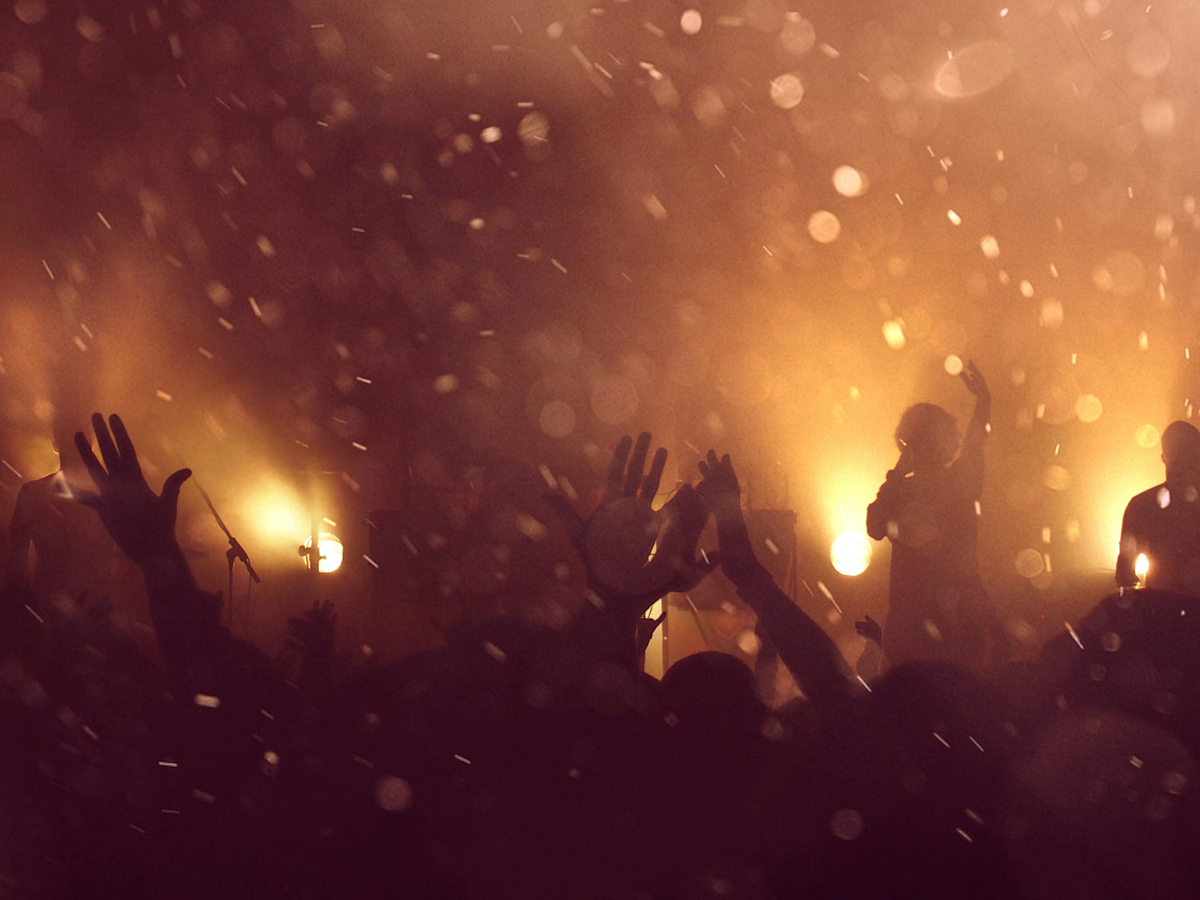
There are no new Amy Winehouse tour dates, but the way fans obsess over her old setlists online feels almost like planning for a show that will never happen. If you scroll through sites that archive concerts, you’ll see how consistent – and revealing – her sets were during the Back to Black era.
A typical set in the late 2000s would often open with "Addicted" or "Know You Now" – a nod to fans who’d been there since Frank. Then she would slide into the big guns from Back to Black:
- "Rehab"
- "Back to Black"
- "You Know I’m No Good"
- "Tears Dry on Their Own"
- "Love Is a Losing Game"
- "Me & Mr Jones"
She also loved folding in covers that said a lot about her taste and influences. "Valerie" (the Zutons song she reimagined with Mark Ronson) quickly turned into a set closer or encore favorite, often done with a playful looseness that made it feel half-party, half-meltdown. Other nights, she’d slip in soul standards like "Cupid" or "Hey Little Rich Girl", signaling that she saw herself in a lineage that ran through Motown, ska, and classic jazz.
Watching those archived performances in 2026, you notice two things. First: the arrangements. Her band – The Dap-Kings on many shows – gave her music a live, horn-soaked punch that modern acts are still chasing. "Rehab" live hits harder than the studio version: the horns bark, the drums swing with more menace, and Amy leans into certain lines like she’s rewriting the song in real time. Second: the way she treated tempo and phrasing. She’d stretch words out, fall behind the beat, then snap back with almost aggressive precision. That push-and-pull is why so many vocal coaches still use her performances as study material.
If you could "expect" anything from an Amy show, it was unpredictability wrapped around a core of absolute musical control. Some nights were messy – the internet has picked those apart for years – but when she was locked in, the set felt like watching someone use a 60s soul template to confess 21st?century mistakes. "Back to Black" would often arrive mid-set, turning entire venues into collective therapy. Fans still talk about hearing the opening bassline live and feeling the air change.
For today’s listeners, these setlists serve as unofficial guides into the catalog. If you only know "Rehab" and "Valerie", tracking what Amy chose to sing night after night is the best way to fall deeper into her world. Start with the live versions of:
- "Back to Black" (live at Shepherd’s Bush Empire, 2007)
- "You Know I’m No Good" (various BBC sessions)
- "Love Is a Losing Game" (acoustic performances)
- "Tears Dry on Their Own" (festival recordings)
Even through grainy footage, you can feel why fans still treat these as must-watch clips. The atmosphere is a combination of pub gig, soul revue, and confessional booth. The crowd sings, but there’s also this visible sense of people just staring, trying to process a voice that sounds ancient and brand new at the same time.
What the web is saying:
Rumor Mill: What Fans Are Speculating
With no new Amy music being recorded, the rumor mill has shifted into a different gear. Instead of guessing tour dates, fans speculate about unreleased material, new remaster projects, and how her legacy should be handled in the age of viral everything.
On Reddit threads in spaces like r/popheads and r/music, you’ll find recurring theories:
- Unreleased demos and live recordings. Fans regularly wonder just how much material is still locked in archives – from early Frank-era demos to uncirculated live sessions. Every time a rare clip leaks or an upgraded audio rip appears on YouTube, people instantly jump into "What else is hiding on some dusty hard drive?" mode.
- Legacy releases and deluxe editions. There’s constant talk about whether the estate and label will continue to drop expanded editions of Back to Black or Frank with bonus live tracks, B?sides, or alternate takes. Some fans are excited by the idea of having more official high-quality content; others are cautious, worried that it could slide into exploitation if it starts to feel like everything is being sliced up and resold.
- Biopic and documentary fatigue. On TikTok and in fan forums, there’s a visible split. Part of the fandom wants more carefully made documentaries that center Amy’s musicianship rather than her addiction. Another part is exhausted by dramatizations and would rather see energy go into music education, charities in her name, or cleaned-up concert films.
There’s also a bigger, more emotional conversation around how Amy’s story is used to talk about fame and mental health. Short-form videos often pair her live vocals with captions about burnout, the pressure on young women in music, and the cruelty of 00s tabloid culture. Young fans compare her treatment to today’s cycle of stan wars, cancel culture, and hyper-surveillance on social platforms.
One recurring fan suggestion: if another major posthumous project happens, they want it to be performance-first – a definitive live anthology or digitally restored run of full concerts. Many feel that the most respectful way to honor her is to make it easier to see and hear her at her best, rather than rehashing the same chaotic paparazzi footage.
Fans also keep an eye on sync placements – when Amy’s songs appear in new films, series, or adverts. Every time "Back to Black" or "Love Is a Losing Game" hits a key emotional scene, Shazam numbers reportedly jump and streaming playlists swell with Amy tracks. On social media, you’ll see people asking "What’s that song in episode 5?" only to realize they’ve been low-key listening to Amy in cafés and shops for years without putting a name to the voice.
In other words, the rumor mill around Amy isn’t about chart beef or messy Instagram Lives. It’s about stewardship: how her work is preserved, how new listeners access it, and how we talk about artists who didn’t survive the pressure that now defines 24/7 pop culture.
Key Dates & Facts at a Glance
- Birth: Amy Winehouse was born on 14 September 1983 in London, UK.
- Debut Album "Frank": Released in the UK on 20 October 2003, showcasing a jazz?leaning, confessional style that immediately marked her out as different from the pop mainstream.
- Breakthrough Album "Back to Black": Released on 27 October 2006 in the UK and early 2007 in the US, produced in large part with Mark Ronson and Salaam Remi.
- Signature Singles: Key tracks include "Rehab", "Back to Black", "You Know I’m No Good", "Tears Dry on Their Own", "Love Is a Losing Game", "Valerie" (with Mark Ronson), and earlier cuts like "Stronger Than Me" and "In My Bed".
- Grammys: In 2008, Amy won multiple Grammy Awards, including Record of the Year and Song of the Year for "Rehab", Best New Artist, and Best Pop Vocal Album for Back to Black.
- Chart Impact: Back to Black went multi?platinum in the UK and US, and after her death in July 2011, it returned to number one on several charts worldwide.
- Passing: Amy Winehouse died on 23 July 2011 in London at age 27, becoming part of the so?called "27 Club" of artists who died at that age.
- Posthumous Release "Lioness: Hidden Treasures": Put out in December 2011, this compilation gathered alternate takes, previously unreleased songs, and covers like "Our Day Will Come".
- Legacy Projects: Ongoing initiatives include the Amy Winehouse Foundation, which focuses on supporting vulnerable young people, and periodic reissues and archival releases of her music and live performances.
- Official Hub: The central place for verified news, merch, and legacy info remains the official site at amywinehouse.com.
FAQ: Everything You Need to Know About Amy Winehouse
Who was Amy Winehouse, in simple terms?
Amy Winehouse was a British singer and songwriter whose voice cut straight through the glossy pop of the 2000s. She blended 60s girl?group soul, jazz phrasing, and brutally honest lyrics about addiction, messy love, and self?destruction. If you’re new to her, think of her as the emotional ancestor of today’s confessional pop and R&B – but with a vocal tone and delivery that sounded like it was beamed in from another era.
Born in North London in 1983, she grew up on a diet of jazz – her family loved artists like Dinah Washington and Sarah Vaughan – and that DNA is all over the way she bends notes and treats rhythm. But she was also a kid of her time, absorbing hip?hop, UK garage, and neo?soul, which you can hear on Frank. That clash of influences made her impossible to slot into one genre.
What are Amy Winehouse’s essential albums and songs to start with?
If you’re just getting into Amy, there are two main studio albums you absolutely need to hear:
- Frank (2003): More jazz and hip?hop?leaning, with lyrics that feel like late?night oversharing. Start with "Stronger Than Me", "You Sent Me Flying", "In My Bed", and "Take the Box".
- Back to Black (2006): The iconic one. A tight, heartbroken soul record built around a breakup and spiralling self-awareness. Don’t skip "Back to Black", "Rehab", "You Know I’m No Good", "Love Is a Losing Game", "Tears Dry on Their Own", and "Me & Mr Jones".
Then there’s "Valerie", technically released as a Mark Ronson single featuring Amy but effectively her song in the public imagination. It shows the more playful side of her voice – still powerful, but breezier, with a kind of tipsy joy in the phrasing.
Once you’ve lived with those, dive into Lioness: Hidden Treasures for deeper cuts like "Our Day Will Come", "
So schätzen die Börsenprofis Aktien ein!

Für. Immer. Kostenlos.