
Volkswagen AG (Vz.) stock holds steady amid massive EV battery recall affecting nearly 100,000 vehicles worldwide
25.03.2026 - 07:27:27 | ad-hoc-news.de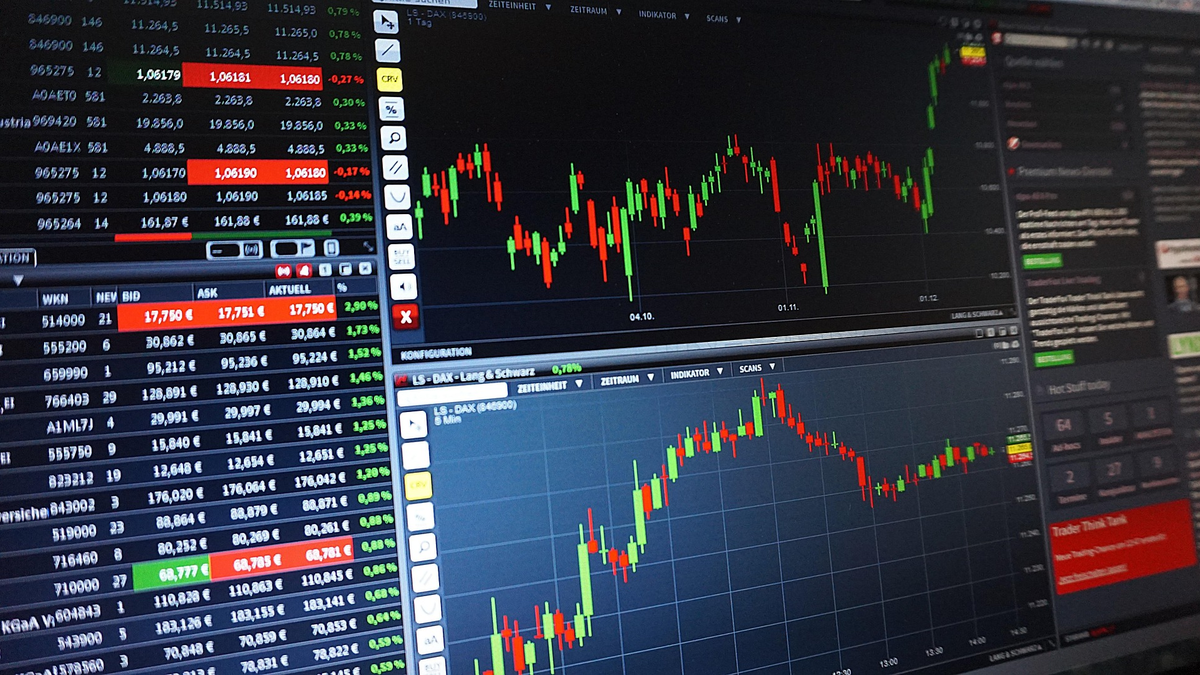
Volkswagen AG (Vz.) has initiated a worldwide recall of 94,031 electric vehicles due to defective high-voltage battery modules that could pose a fire hazard. The affected models include popular EVs like ID.3, ID.4, ID.5, ID. Buzz, ID. Buzz Cargo, and Cupra Born. Despite the scale of the recall, the Volkswagen AG (Vz.) stock on Xetra ended March 24, 2026, at 86.66 euros, up 0.65% or 0.56 euros, indicating investor confidence in the company's handling of the issue.
As of: 25.03.2026
Dr. Elena Markov, Senior Auto Sector Analyst: Volkswagen's latest battery recall underscores persistent challenges in scaling EV production quality, a critical test for its ambition to lead Europe's electrification transition amid intensifying global competition.
Details of the Battery Recall Trigger
The German Federal Motor Transport Authority (KBA) has ordered the recall under references 16271R for Volkswagen models with internal code 93MI, and 16269R for Cupra Born with code 93S4. These battery modules fail to meet specifications, potentially leading to a short circuit and fire risk, though no incidents of property damage or injuries have been reported to date. Production dates span from June 24, 2023, to August 23, 2024, for VW models, and February 7, 2022, to April 21, 2024, for Cupra Born.
Volkswagen confirmed the action stemmed from its ongoing quality monitoring, with customers being notified directly. The remedy involves a software update, inspection of battery modules, and replacement of any faulty units at no cost to owners. In Germany alone, 28,158 vehicles are impacted: 22,182 Volkswagen and 5,976 Cupra Born units. Globally, the split is 74,579 VW and 19,452 Cupra vehicles.
This is not the first such issue; a smaller recall in January 2026 under code 93MU affected 323 ID-series vehicles, hinting at recurring battery production challenges. Analysts like Dr. Stoll & Sauer describe it as a serious warning signal for EV quality at Volkswagen, potentially eroding consumer trust in the brand's electric transition.
Official source
Find the latest company information on the official website of Volkswagen AG (Vz.).
Visit the official company websiteStock Market Reaction and Immediate Implications
The Volkswagen AG (Vz.) stock demonstrated resilience, trading as high as 86.78 euros intraday on Xetra before closing at 86.66 euros, a 0.79% gain at its peak. This green performance contrasts with potential reputational damage from the recall, suggesting investors view it as a contained quality control measure rather than a systemic failure. Broader market sentiment, with the DAX showing little movement, supported the stock's stability.
For Volkswagen, the recall costs could run into tens of millions of euros, covering logistics, repairs, and goodwill measures, though exact figures remain undisclosed. More critically, it highlights vulnerabilities in the supply chain for battery components, likely sourced from partners like CATL or Northvolt, amid Volkswagen's aggressive EV ramp-up targeting 70% electric sales in Europe by 2030.
Short-term, service center capacity may strain, delaying deliveries of new vehicles and impacting Q2 2026 sales figures. However, the proactive disclosure and lack of safety incidents have mitigated downside pressure on the share price.
Sentiment and reactions
Impact on Key EV Models and Brand Perception
The ID.3, Volkswagen's flagship mass-market EV, is central to the recall, affecting its role as the entry point for many into electric mobility. With production centered in Zwickau, Germany, this model represents significant volume ambitions. Similarly, the ID.4 and ID.5 SUVs, key to competing with Tesla's Model Y, face scrutiny, potentially slowing adoption in Europe and North America.
ID. Buzz, the retro-styled electric van, carries high brand prestige and is pivotal for commercial fleet sales. Its inclusion amplifies visibility of the issue, as it symbolizes Volkswagen's EV heritage revival. Cupra Born, from the SEAT/Cupra subsidiary, extends the problem across the Volkswagen Group, underscoring group-wide quality controls.
Consumer confidence could wane, especially as EV buyers prioritize battery reliability. Resale values for affected used models may dip, while new sales face headwinds from negative publicity. Volkswagen's marketing spend on EV superiority now requires counter-narratives emphasizing swift resolution.
Strategic Context in Volkswagen's EV Transformation
Volkswagen has invested over 180 billion euros in electrification since 2019, building six battery factories and scaling to 1.7 million EV deliveries in 2025. This recall tests the maturity of its MEB platform, shared across ID models. Past Dieselgate scars make quality lapses particularly sensitive, with regulators watching closely.
Competition intensifies from Tesla, BYD, and legacy rivals like Stellantis. Battery quality issues could delay profitability targets for the EV business, projected at breakeven by 2026. Supply chain dependencies on Asian cell makers expose Volkswagen to geopolitical risks, including US-China trade tensions.
Positive note: The software-plus-inspection fix is less disruptive than full battery replacements, allowing most vehicles to return to roads quickly. This efficiency may bolster investor faith in Volkswagen's engineering prowess.
Why US Investors Should Monitor Volkswagen AG (Vz.) Stock
US investors access Volkswagen AG (Vz.) primarily via over-the-counter trading (OTC: VWAGY for ADRs) or European exchanges through brokers. The company's US footprint includes a Chattanooga plant producing ID.4 SUVs, directly competing with domestic EVs under IRA incentives. Battery recalls could ripple to American plants if shared components are implicated.
Volkswagen's 11% stake in Rivian offers indirect US exposure, with potential tech synergies in software and platforms. Global EV demand slowdowns, exacerbated by quality issues, impact transatlantic profitability. Tariff threats on Chinese EVs heighten relevance, as Volkswagen balances Europe, China, and US markets.
For US portfolios, Volkswagen provides value in autos via a 4-5% dividend yield and P/E below 5, contrasting growth-oriented Tesla. This recall tests that value proposition, but limited US scope minimizes direct regulatory backlash.
Further reading
Further developments, updates and company context can be explored through the linked pages below.
Risks, Open Questions, and Forward Outlook
Key risks include escalation if fire incidents emerge post-inspection, triggering lawsuits or amplified recalls. Warranty provisions may pressure 2026 margins, already squeezed by EV price wars. Reputational harm could cede market share to Chinese rivals in Europe.
Open questions surround root causes: manufacturing defects, supplier quality, or design flaws? Broader MEB platform implications loom, potentially affecting future models like ID.7. Regulatory probes in the US or EU could follow if patterns emerge.
Outlook remains constructive if resolved swiftly; Volkswagen's 2.5 million annual EV capacity target supports growth. Investors eye Q1 earnings for commentary on recall costs and sales impacts. Long-term, battery tech advancements via PowerCo joint venture could mitigate future risks.
Disclaimer: This is not investment advice. Stocks are volatile financial instruments.
So schätzen Börsenprofis die Aktie Volkswagen AG (Vz.) ein. Verpasse keine Chance mehr.

Für. Immer. Kostenlos.


