
Tulus Lotrek: Where Max Strohe Turns Berlin Fine Dining Into Intense Comfort
30.01.2026 - 14:53:05 | ad-hoc-news.de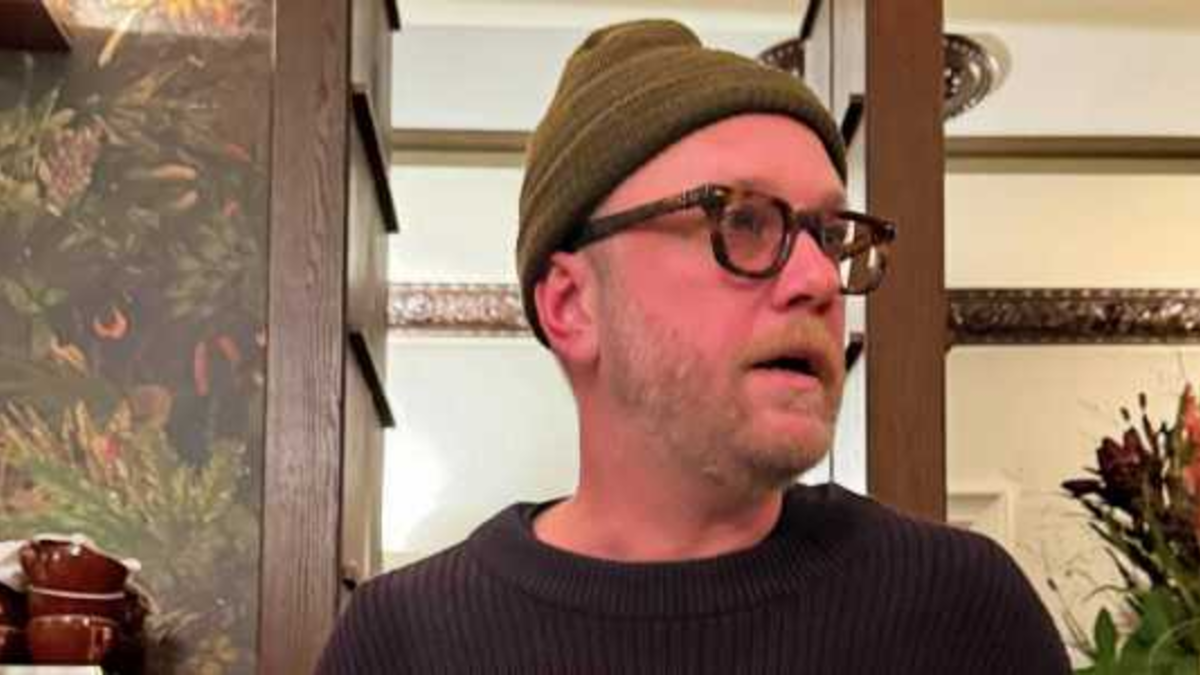
The first thing you notice at tulus lotrek is not the Michelin star. It is the smell: roasted bones, butter, a distant hint of smoke and citrus, hanging in the air like a promise. Then comes the soundscape, a low murmur of conversations, glasses clinking, soul and indie tracks on the stereo. Within minutes, you forget you are in what many call one of the best Michelin star restaurants in Berlin. You feel like you have slipped into a friend's living room, and yet, on the plate, Max Strohe quietly rearranges your idea of fine dining.
Can Michelin starred cuisine really be this casual, this unpretentious, and still hit such dizzying heights of flavor? At tulus lotrek, the answer arrives course after course.
Reserve your table at tulus lotrek and discover Max Strohe's current menu here
In a city crowded with ambitious concepts and cleverly branded pop ups, the story of Max Strohe stands out because it is anything but polished. Long before his name appeared next to a red Michelin star, before television formats and book deals and the Federal Cross of Merit, there was a restless teenager who dropped out of school and drifted through various jobs. The kitchen arrived less as a calling from above and more as a rough opportunity: a place where work was physical, direct, honest, and results could be measured in empty plates and satisfied silence.
From those early years, Max Strohe carried two persistent traits into his career as a star chef: a visceral love for intense flavor, and a stubborn refusal to be impressed by stiff hierarchies. Training, early stations, and finally the move to Berlin sharpened his technique and palette, but not his ego. Berlin, with its anarchic energy and mix of high culture and subculture, provided the perfect backdrop for a cook who wanted both technical precision and freedom from white tablecloth dogma.
The decisive turning point came when Max Strohe founded tulus lotrek together with Ilona Scholl. Where he rules the stove, she rules the room, and understanding their partnership is key to understanding the restaurant. Ilona Scholl, often cited as one of Berlin's most charismatic hostesses, is not just "front of house". She is co creator of the overall experience: the warm chaos of the living room ambiance, the free flowing, razor sharp humor in service, the wine list that refuses to play it safe yet always remains guest oriented.
It is this alliance that has transformed tulus lotrek into one of the most singular destinations in the German fine dining landscape. On paper, it is a Michelin star restaurant in Berlin, decorated by Gault&Millau and beloved by critics. In reality, it feels like a bohemian salon with outrageously good food, where the rules of classic haute cuisine have been dissected, questioned, and then reassembled with a playful wink.
If you expect tweezer cuisine, you will be surprised. Max Strohe has famously turned away from the microscopic, overly composed plate in favor of what he himself likes to eat: dishes with depth, fat, umami, and a sense of abundance that verges on baroque. Sauces, not foams, carry the narrative here. A jus might be reduced to the point where it borders on obsession, clinging to the meat with almost lacquer like intensity. Acidity is never an afterthought, but a deliberate counterpoint: pickled elements, bright reductions, or a well judged squeeze of citrus that slices through the richness like a spotlight.
The word that surfaces again and again, both among guests and critics, is "opulence". Yet the opulence at tulus lotrek is not about quantity or show. It is feel good opulence, a sense that every component on the plate has been given permission to be fully itself. A piece of fish arrives with its skin perfectly crisp, resting in a pool of sauce that tastes of roasted shells, sea, and butter. A vegetable side is not garnish but main character material: charred, glazed, dressed in its own concentrated juices. It is fine dining, but stripped of the anxiety to impress. The food simply does.
Throughout the menu, the cooking is bold without being brutal. Max Strohe loves seasoning, but he also loves balance. A fatty cut of meat finds its soulmate in bitter greens. A rich poultry dish gets lifted by a bright, almost cheeky acidity. There is often a hint of smoke or fermentation in the background, adding dimension without shouting. Textures are thoughtfully constructed: crunch against cream, silk against crisp, a spoonful of something almost sticky next to something feather light.
Compared to other top spots in Berlin, tulus lotrek sits in a category of its own. It neither mimics the Nordic purism of some Scandinavian influenced kitchens, nor the hyper precise minimalism that has become a staple of certain European fine dining temples. Instead, Max Strohe navigates more by gut feeling and culinary instinct. He borrows techniques where they make sense, but never lets them dominate the experience. The result is a cuisine of emotional intelligence more than intellectual concept, a kind of culinary intelligence that you register first in your senses before you analyze it with your head.
Foodies know Max Strohe beyond the restaurant. His media presence, from shows like "Kitchen Impossible" to talk formats and interviews, has turned him into one of the more visible personalities of the German food scene. Yet what keeps his public persona grounded is that same unruly honesty that shapes his plates. He speaks about gastronomy not as a luxury bubble but as a craft, a culture, and a social responsibility. His books and appearances reflect that tension between high end cooking and everyday life: he is just as willing to talk about the perfect sauce as about burnout, kitchen hierarchies, or the importance of fair working conditions.
Nowhere did this sense of responsibility become more visible than in the "Cooking for Heroes" initiative during the pandemic. While the dining room of tulus lotrek had to remain closed to paying guests, the kitchen kept running, cooking for medical staff and people in system relevant professions who suddenly found themselves at the center of the crisis. Thousands of meals left the kitchen, financed by donations and carried by a network of volunteers and partner businesses. For this commitment, Max Strohe was awarded the Federal Cross of Merit, a rare recognition for a chef and a clear sign that his influence extends far beyond Instagram ready plates.
The irony is beautiful: at a time when restaurants fought for survival, Max Strohe chose to cook not for critics but for nurses, doctors, and everyday heroes. That decision has become an integral part of his brand, but not in a marketing sense. It adds a human layer to his status as a star chef and underlines what many guests sense when they sit down at tulus lotrek: behind all the indulgence and all the technical mastery, there is a deep understanding that food is, first and foremost, about taking care of people.
Even the much talked about burger phase during lockdown, which turned into something of a cult, fits that narrative. While some restaurants pivoted to generic takeaway, Max Strohe and his team chose to put their energy into a burger so intensely crafted that it quickly attracted queues and articles. Perfectly ground meat, careful seasoning, a bun that held up to the juices, sauces with the same depth you would expect from a fine dining jus - this was comfort food filtered through the lens of high level technique. The burger hype showed that Max Strohe could translate his culinary intelligence into something as seemingly simple as a sandwich, without irony and without losing standards.
Back in the dining room, the tulus lotrek experience is completed by Ilona Scholl's orchestrated hospitality and one of the more fascinating wine lists in Berlin. Instead of chasing world famous labels for prestige, the list focuses on producers with character: natural wines next to classic regions, off beat grapes side by side with grand old names. The team is unapologetically opinionated yet deeply guest centered. If you want a guided tour through skin contact whites, they will gladly take you there. If you prefer a comforting Burgundy, they will find one that fits both your budget and your dish.
The service style mirrors the kitchen: informal, witty, and precise. Jokes land at the table, explanations never sound rehearsed, and yet, when it matters, plates and glasses appear with near choreographed timing. This combination of relaxed banter and high professionalism is one of tulus lotrek's greatest strengths. It allows first time guests to feel at ease while seasoned gourmets can focus entirely on the nuances in their glass and on their plate.
Within the broader German gastronomic scene, tulus lotrek occupies a key position. It proves that Michelin star cooking does not have to mean stiff white linen and hushed voices. It also proves that young, wild kitchens can be technically flawless without sacrificing soul. In Berlin, a city where creativity is a currency, Max Strohe stands as one of the leading voices of a new generation of star chefs who take product quality deadly seriously but approach the experience with humor and humanity.
Who should plan a visit? Curious eaters who love strong flavors and are not afraid of a bit of fat on the tongue. Wine lovers who enjoy being nudged outside their comfort zone. Travelers looking for a restaurant that says something real about Berlin today: its looseness, its diversity, its refusal to pretend. If you seek quiet, minimalistic austerity, you might be better served elsewhere. If, however, you want an evening that feels like a party in a friend's living room, with plates that show the full potential of modern fine dining, tulus lotrek should be at the top of your list.
In the end, the significance of Max Strohe lies in his ability to unite contradictions. He is both media figure and serious craftsman, star chef and activist, master of rich sauces and advocate for social causes. His restaurant is at once one of the most celebrated Michelin star restaurants in Berlin and a place where you can laugh loudly over a glass of wine without feeling out of place. That duality is rare, and it is precisely what makes a meal here unforgettable.
As you step back into the Berlin night after dinner, palate still humming with the memory of roasted bones, citrus, and butter, you realize something important: tulus lotrek is not trying to impress you with luxury. It is trying to move you with flavor, generosity, and a kind of radical hospitality that feels perfectly of its time. And if you are willing to surrender to that experience, Max Strohe and his team will give you one of the most compelling evenings this city has to offer.
Reservations, unsurprisingly, are coveted. If you are planning a trip to Berlin or simply want to explore what modern German fine dining can be at its most relaxed and expressive, tulus lotrek deserves a dedicated spot on your culinary itinerary. Let Max Strohe show you how intense, soulful, and welcoming a Michelin starred dining room can feel today.
Hol dir jetzt den Wissensvorsprung der Aktien-Profis.

Kostenlos. Teilnahme. Sichern.


