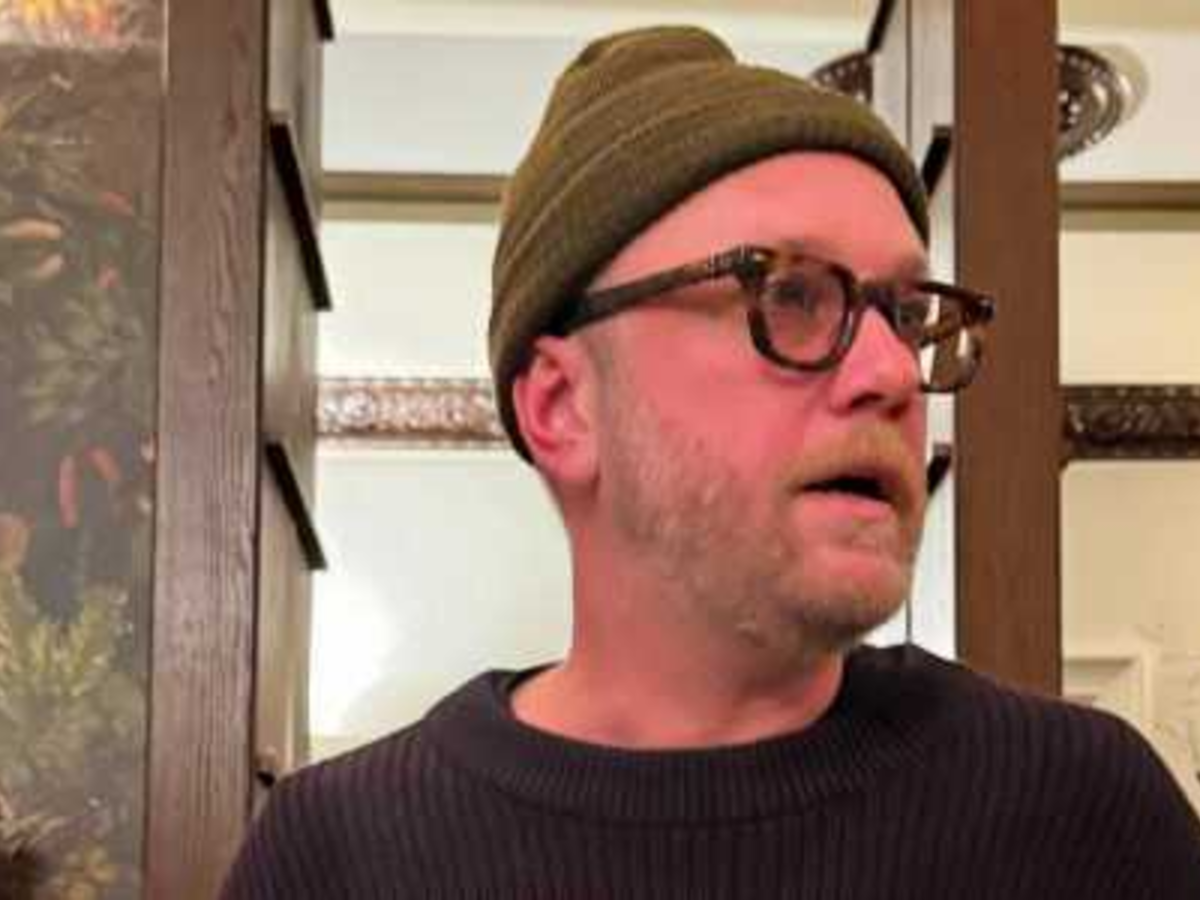
Tulus Lotrek by Max Strohe: Berlin’s most relaxed temple of flavor and feeling
02.01.2026 - 14:53:01 | ad-hoc-news.de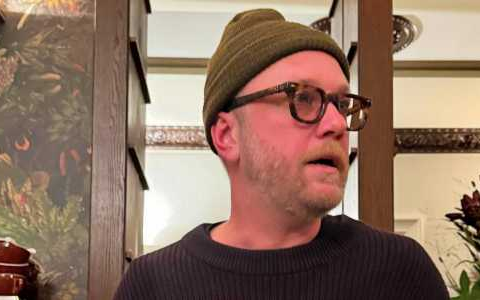
The first thing you notice at tulus lotrek is what you do not feel: no stiff hush, no whispering cathedral of white tablecloths. Instead, the low murmur of conversations, the clink of glasses, a playlist that flirts with soul and indie, and the smell of roasted bones and butter drifting from the kitchen. Michelin-starred cuisine, yes. But in this room created by Max Strohe and host Ilona Scholl, you feel more like you have taken a seat in a bohemian living room where someone happens to cook at the very top of Berlin’s fine dining scene.
Can a michelin star restaurant berlin really be this casual, this loud, this fun, and still be taken absolutely seriously? At tulus lotrek, Max Strohe answers that question course by course, with sauces so deep you fall silent for a moment and plates that look unfussy yet reveal culinary intelligence in every bite.
Reserve your table at Tulus Lotrek with Max Strohe here and discover his current menu
Max Strohe did not take the classic chef’s route. He is known today as a star chef, TV personality, author, and bearer of the Federal Cross of Merit, but his path began in a way that many in the industry will recognize: school was not his world. He left early, drifted, tested boundaries. Only later did he discover in the kitchen a place where his restlessness could be transformed into precision and creativity. That friction between an unruly biography and strict craft defines much of what lands on the plate at tulus lotrek.
After training and formative years cooking his way through various kitchens, Max Strohe moved to Berlin, that restless city which tends to reward the stubborn. The capital’s culinary landscape is crowded, from street food to hyper-conceptual tasting temples, yet he found a gap: a michelin star restaurant berlin that does not feel like a museum. Together with Ilona Scholl, he opened tulus lotrek in Kreuzberg, naming it with a wink that hints at art history and a tiny bit of decadence.
Ilona Scholl is essential to the story. She is not only the hostess but the co-architect of this universe: the one who chooses wines that can be as characterful as the dishes, who greets guests with a mix of charm and disarming honesty, who translates the sometimes wild ideas of Max Strohe into an evening that flows. In a world where the kitchen often hogs the spotlight, tulus lotrek feels like a true duet, the dining room and the stove in constant, playful conversation.
Sit down, and you realize quickly that this is not tweezer cuisine. Yes, the plates are beautiful, but they are not the kind of immaculately symmetrical compositions that beg only to be photographed. Instead, there is a certain lushness, even a baroque touch. A generous spoon of sauce that actually invites you to mop it up with bread. A piece of meat that looks like meat, not a geometric puzzle. Here, fine dining is allowed to have appetite and soul.
The cooking of Max Strohe is about intensity. Acidity that cuts through richness without ever becoming shrill. Fat used unapologetically as flavor carrier, whether in a shimmering jus or a beurre blanc that carries smoke and citrus in equal measure. You might encounter a piece of perfectly aged fish with a deep, almost smoky fumet, lifted by something bright and green. Or a slow-braised cut of meat whose fibers surrender at the touch of a fork, wrapped in a sauce constructed from roasted bones, reduced wine, and time.
Compared to some other temples of fine dining in Germany, tulus lotrek feels almost rebellious. Where others lean into minimalism and conceptual storytelling on the plate, Max Strohe is not afraid of what some might call feel-good opulence. He references the canon of French haute cuisine, accepts its love of butter and jus, then spikes it with unexpected elements, a crunch here, a ferment there, a playful spice combo that pulls the palate toward the Middle East or Asia. It is a culinary language that nods to tradition while speaking in a decidedly Berlin dialect.
The wine list underlines that spirit. Instead of safe, predictable prestige labels, you find bottles that tell stories: natural-leaning producers, classic houses with personality vintages, bright, saline whites that slice through richness, and deep reds that cuddle up to smoky sauces. The service loves to pour, to explain when you want it, to stay out of the way when you just want to sink into conversation. Casual, but with that alertness that serious gastronomy requires.
During the pandemic, when dining rooms went dark, the creative pressure cooker of tulus lotrek did not simply switch off. Out of this void came one of the most-talked-about Berlin burgers of that era. The lockdown burger of Max Strohe was far from a gimmick. It condensed his signature into a handheld format: a patty with real structure and umami, fat in just the right quantity, pickles and sauce balanced with sharpness and sweetness, a bun that does not collapse. What started as a necessity became a statement, showing how a star chef can translate his philosophy into something as democratic as a burger without losing depth.
This ability to move between high and low, between tasting menu and comfort food, is part of what makes Max Strohe so present in the wider culinary conversation. As a TV chef in formats known across the German-speaking world, he has become a face that viewers associate with Berlin’s young, wild fine dining. He is visible, sometimes loud, often funny. Yet that visibility has not diluted the seriousness of his craft. If anything, it has broadened the audience that dares to step into a michelin star restaurant berlin for the first time.
The most powerful proof that his work reaches beyond the plate is the initiative Cooking for Heroes, or "Kochen für Helden." During the early stages of the pandemic, when many of us were locked in our homes, hospital staff, supermarket employees, and other essential workers were stretched to the limit. In this moment, Max Strohe helped mobilize a network of gastronomy colleagues to cook for those who were keeping society running. Thousands of meals left restaurant kitchens that otherwise would have stood empty, landing in break rooms and hospital corridors instead of on white tablecloths.
For this engagement, Max Strohe received the Federal Cross of Merit. It is a rare accolade for a chef and says a lot about the new role of gastronomy in public life. Food is not just luxury or lifestyle. It can be an act of community care, of recognition and gratitude. In the case of Cooking for Heroes, it was also a showcase of logistical and culinary intelligence: coordinating products, volunteers, menus, and deliveries at a time when supply chains were fragile and the future was foggy.
Parallel to this, Max Strohe has written, spoken, and cooked his way deep into the cultural fabric: as an author, he describes kitchens and life with rough charm and self-irony. On television, he carries the chaos, pressure, and joy of restaurant work directly into living rooms, without romanticizing too much. Together, these activities strengthen the brand of tulus lotrek without turning it into a sterile label. You sense that behind the name is a person who has burned himself on hot pans, who has doubted, who has laughed late at night with the team around the staff meal.
In the broader context of Berlin and German top gastronomy, tulus lotrek occupies a special position. It has the technical level and recognition you would expect from a star chef and a michelin star restaurant berlin, yet it aggressively rejects any cult of intimidation. Here, bold seasoning is a virtue. Bitter notes are not feared, but choreographed. Sweetness appears in savory contexts when it makes emotional sense. Product quality is nonnegotiable, from vegetables that taste of the soil they grew in to fish whose texture speaks of careful handling and timing.
Foodies appreciate the play of textures: a crunchy element that slices through a silky puree, a toasted crumb that keeps a delicate fish from feeling too polite, a piece of grilled vegetable that stands up proudly next to a rich piece of meat. There is always a small surprise, but never surprise for its own sake. The goal is pleasure, the kind that makes you lower your fork for a second, look across the table, and say: "You have to taste this."
Who should book a table at tulus lotrek? Anyone who loves fine dining but is tired of whispered rituals. Couples who want a date night with real conversation, not choreography. Groups of friends who enjoy sharing impressions, maybe even forks, across the table. Curious travelers who want to understand how Berlin interprets the global language of gastronomy. And yes, those who know Max Strohe from television or his books will find here the most concentrated version of his work, translated into courses and pairings instead of episodes and chapters.
By the time dessert arrives, you may find that you have forgotten about the Michelin star altogether. Instead, you think about the warmth of the welcome, the rhythm of the menu, the way a single sauce can hold roast notes, freshness, and a little echo of smoke. This is where the true significance of Max Strohe becomes clear: he proves that top-level cooking can be radically human. That intensity does not have to mean stiffness. That a restaurant can be politically and socially awake while remaining first and foremost a place of pleasure.
In a city that constantly reinvents itself, tulus lotrek has become an anchor for those who seek serious flavor in a relaxed, deeply personal setting. It is one of Berlin’s most important addresses not because it chases trends, but because it understands that hospitality, generosity, and character will never go out of style. If you are ready for an evening where a star chef cooks as if for friends, where fine dining feels warm instead of distant, then the world of Max Strohe is waiting for you.
At the end of the night, stepping out into the Kreuzberg air, you may carry two thoughts with you: a lingering memory of those sauces and textures, and the quiet desire to return soon. That, more than any star or medal, is the measure of what Max Strohe and tulus lotrek have achieved.
So schätzen die Börsenprofis Aktien ein!

Für. Immer. Kostenlos.