The Who: Rock's Wildest Legends Who Defined a Generation with Explosive Energy and Timeless Hits
19.04.2026 - 20:32:05 | ad-hoc-news.de
The Who aren't just a band—they're a rock 'n' roll explosion. Formed in London in 1964, these four guys turned stages into battlegrounds, smashing instruments and amps in shows that felt like controlled riots. For young fans in North America, The Who's music hits hard because it's all about breaking free, chasing dreams, and living loud. Songs like "My Generation" still pump up playlists, sports events, and festivals across the U.S. and Canada, reminding everyone that rock is about attitude.
Pete Townshend, the guitar-wielding windmill master, Roger Daltrey on powerhouse vocals, John Entwistle's thunderous bass, and Keith Moon's wild drumming made The Who unstoppable. Their history is packed with volatility—creative clashes, hotel room demolitions, and non-stop energy that shaped classic rock. Townshend's perfectionism often sparked fights with Daltrey's bold style, while Moon's antics, like trashing rooms and vanishing on benders, kept everyone on edge. Yet, that chaos fueled masterpieces.
Why do they matter now? In a world of polished pop, The Who's raw edge feels fresh. North American listeners stream their tracks millions of times yearly on platforms like Spotify, proving their staying power. They're the blueprint for bands from Green Day to Foo Fighters, influencing punk, grunge, and arena rock that dominates U.S. festivals like Lollapalooza and Coachella.
The Birth of a Rock Powerhouse
Everything started in the gritty Shepherd's Bush area of West London. Pete Townshend and John Entwistle were schoolmates who bonded over jazz and skiffle. They recruited Roger Daltrey, a tough sheet metal worker, and later drummer Doug Sandom. By 1964, Keith Moon joined after crashing a gig—literally drumming his way in. The name 'The Who' fit their unpredictable vibe perfectly.
Early days were rough. They played mod clubs, smashing gear to outdo rivals like The Kinks. This 'auto-destructive art' caught eyes, landing them with manager Kit Lambert and producer Shel Talmy. Their debut single, "I Can't Explain" in 1965, cracked the UK Top 10, blending pop hooks with edgy guitars—a sound that crossed the Atlantic fast.
In North America, The Who arrived like a storm. Their 1967 Monterey Pop Festival set blew minds, paving the way for Woodstock in '69, where "Summertime Blues" cover sealed their U.S. fame. American teens embraced their rebel yell amid Vietnam protests and counterculture waves.
Smash Hits and Mod Madness
The Who's mod phase defined '60s youth culture. Songs like "My Generation" (1965) stuttered with teen frustration: "I hope I die before I get old." It hit No. 2 in the UK despite radio bans for Daltrey's mumbling—censors thought it promoted drugs. In the U.S., it climbed charts, becoming a staple for rebellious kids.
Follow-ups "Substitute" and "I'm a Boy" explored identity and alienation, themes that resonate with today's Gen Z facing social media pressures. Their live shows? Legendary destruction. By 1967's Smothers Brothers TV appearance, Townshend smashed his guitar so hard it exploded, injuring him and sparking lawsuits—but cementing their bad-boy rep.
Mods in North America—think sharp suits and scooters—lapped it up. The Who's style influenced fashion from NYC punk scenes to Canadian rockers, blending British invasion cool with American heartland grit.
Tommy: The Rock Opera Revolution
1969's Tommy changed everything. Townshend's rock opera told of a deaf, dumb, blind boy who becomes a messiah. Recorded amid band tensions, it soared to No. 4 in the U.S., selling millions. Hits "Pinball Wizard," "See Me, Feel Me," and "Listening to You" packed arenas.
This double album pioneered the concept record, inspiring Pink Floyd's The Wall and Broadway musicals. For North American fans, Tommy was therapy—dealing with pinball addiction, abuse, and spirituality in ways that mirrored '60s turmoil. The 1972 Ken Russell film starring Elton John and Tina Turner brought it to movie screens across the continent.
Fun fact: Tommy was recorded quickly, like many rock classics, capturing raw energy in marathon sessions. Townshend wrote it during spiritual retreats, drawing from guru Meher Baba's teachings.
Who's Next and Peak Power
1971's Who's Next distilled Lifehouse scraps into perfection. "Baba O'Riley," "Bargain," "Behind Blue Eyes," and "Won't Get Fooled Again" defined arena rock. That synth intro and scream? Stadium gold. It hit No. 1 in the UK, No. 4 U.S., with quadruple platinum sales.
Entwistle's bass solo in "My Wife" and Moon's fills made it technical wizardry. North Americans jammed to it at baseball games—"Baba O'Riley" is an MLB favorite. The album's themes of technology dystopia feel eerily current in our AI age.
Live, The Who were unmatched. Their 1970 Isle of Wight set drew 600,000. In the U.S., they headlined every major tour, outselling peers with sheer volume—amps cranked to 120 decibels.
Keith Moon: The Mad Genius Drummer
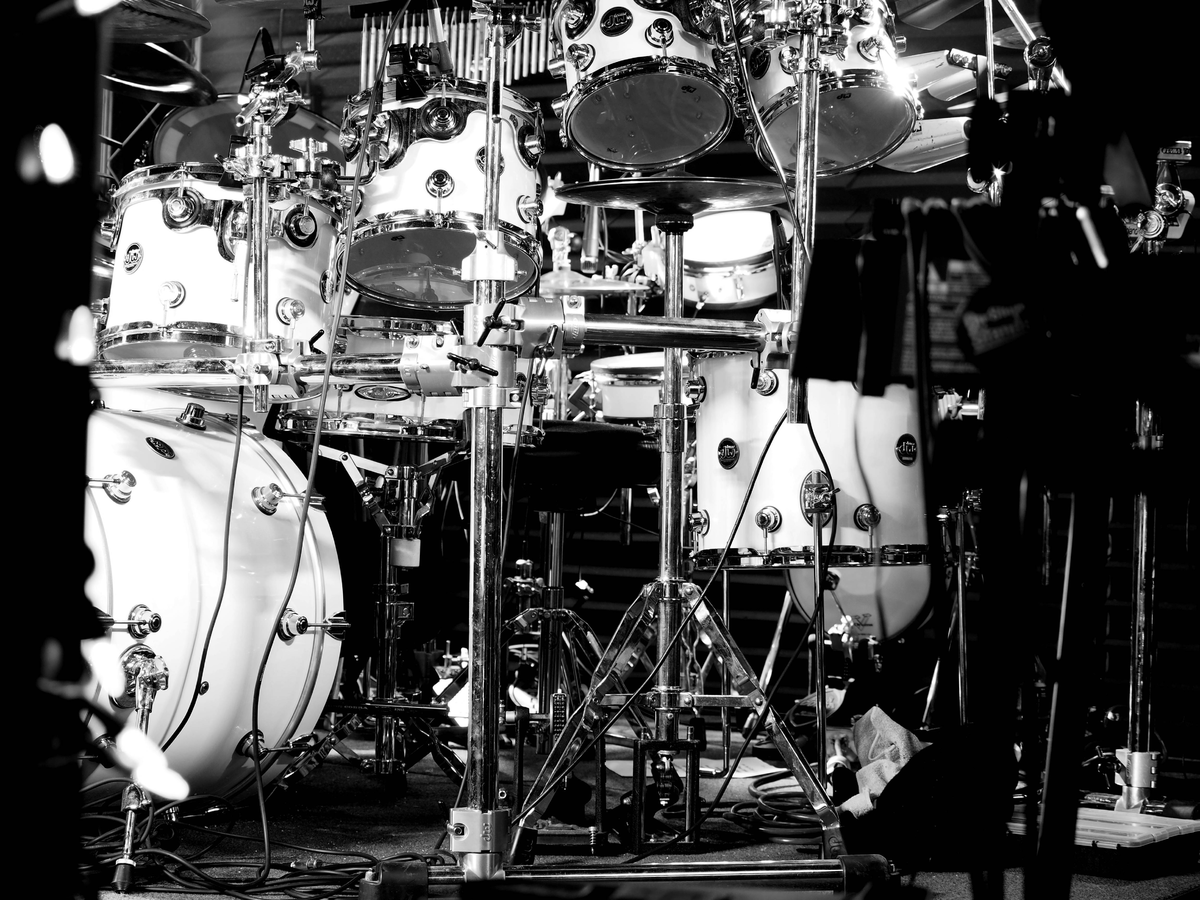
No Who story skips Keith Moon. Nicknamed 'Moon the Loon,' he redefined drumming with jazz fills, animal roars, and explosives. Tracks like "Won't Get Fooled Again" showcase his chaos—double bass pedals flying.
Offstage? Epic destruction. He drove a Lincoln into a hotel pool, cemented a toilet (prank gone wrong), and partied so hard he overdosed on horse tranquilizers in 1978 at 32. His death rocked the band, but live albums like Live at Leeds (1970) immortalize his fury—often called the best live rock record ever.
North American kids idolize Moon's spirit. Drummers from Travis Barker to young YouTubers study his style, keeping his wild legacy alive in garage bands everywhere.
Tragedies and Triumphs
The '70s brought highs and lows. Quadrophenia (1973), another mod opera, spawned "Love, Reign o'er Me." The film version fueled U.S. skinhead fascination. But 1979's Cincinnati concert saw 11 fans crushed in a stampede—sparking safety reforms at North American venues.
Entwistle died in 2002 from a cocaine heart attack at 57. Drummer Zak Starkey (Moon's godson) filled in. Daltrey and Townshend, now 80s, still perform, voices holding strong. Their 2023 dates proved classics don't age.
For young readers, these stories teach resilience. The Who lost members but evolved, like rock itself.
Iconic Songs Every Fan Needs
"My Generation": The stutter anthem. Play it loud.
"Baba O'Riley": Teenage wasteland vibes for road trips.
"Pinball Wizard": Catchy riff mastery.
"Behind Blue Eyes": Emotional gut-punch, covered endlessly.
Stream Who's Next or Tommy first—these albums shaped your favorite modern rock.
Influence on Today's Music
The Who's DNA runs through North American scenes. Green Day nods to mod punk, My Chemical Romance to operas, Arcade Fire to concepts. Festivals like Governors Ball blast them, drawing Gen Z crowds.
Townshend's windmill arm? Copied by generations. Daltrey's swing mic? Iconic. Their loudness wars pushed amps, influencing metal from Metallica to Slipknot.
Why North American Fans Love The Who
From Woodstock to Super Bowls, The Who's anthems unite. U.S. radio still spins them, Canadian rock radio too. Vinyl revivals bring kids to Live at Leeds. They're not dusty relics—they're alive in covers, samples, and TikTok challenges.
Watch the Isle of Wight doc or The Kids Are Alright film. Better yet, catch a tribute band or stream a full concert. The Who's fire burns eternal.
Band Dynamics: Chaos That Created Genius
Volatility defined them. Townshend-Daltrey clashes over songs and egos simmered decades. Moon's destruction derailed tours but inspired lore. Entwistle, the quiet assassin, balanced with blinding bass. Fights fueled art—like Tommy born from rehab reflections.
This mirrors rock bands everywhere, from Beatles to modern groups, showing tension breeds hits.
Albums Guide for New Listeners
My Generation (1965): Raw debut.
A Quick One (1966): Mini-opera "A Quick One, While He's Away."
The Who Sell Out (1967): Psychedelic ads spoof.
Tommy (1969): Epic start.
Who's Next (1971): Peak.
Quadrophenia (1973): Mod soul.
Who Are You (1978): Last with Moon.
Start with compilations like Meaty Beaty Big and Bouncy for singles.
Live Legacy: The Loudest Band Ever
The Who measured 126 decibels live—ear damage loud. Live at Leeds captures it: 40-minute "My Generation" jams. They pioneered laser shows, quadrophonic sound.
In North America, Madison Square Garden runs and California Jam fest set standards. Young fans dig bootlegs online, feeling that '70s rush.
Pete Townshend: The Visionary
Townshend's acoustic strumming, feedback experiments, and windmill chops innovated guitar. He pioneered rock operas, wrote memoirs, produced solo gems like Empty Glass. His Meher Baba faith infused spiritual depth.
In the U.S., he's a Rock Hall icon, mentoring kids via scholarships.
Roger Daltrey: The Golden Voice
Daltrey's growl turned boy to god. From boxer to frontman, his charisma held chaos. Solo hits like "Giving It All Away." Now, he curates festivals, fights cancer via charity.
North Americans cheer his gravelly power at stadiums.
John Entwistle: Bass Monster
The 'Ox' played lead-like bass—"Boris the Spider," solos in "5:15." Quiet offstage, explosive on. His gear collection was legendary.
Keith Moon Forever
Moon's tom-tom barrages, cymbal crashes defined rock drums. Partied with Hendrix, befriended stars. Films like Stake Out Nine' capture pranks.
The Who's Place in Rock History
Rock Hall 1990, Kennedy Center Honors. Influences: Oasis, Pearl Jam. North America embraced them post-British Invasion, making them global.
Stream, collect vinyl, watch docs. The Who teaches: Live loud, smash barriers, rock on.
Their story inspires: Turn fights into fuel, chaos into anthems. For young North Americans, they're the ultimate rock family—flawed, fierce, forever.
So schätzen die Börsenprofis Aktien ein!

Für. Immer. Kostenlos.