
The Who 2026: Is This The Last Big Tour?
06.03.2026 - 14:25:15 | ad-hoc-news.de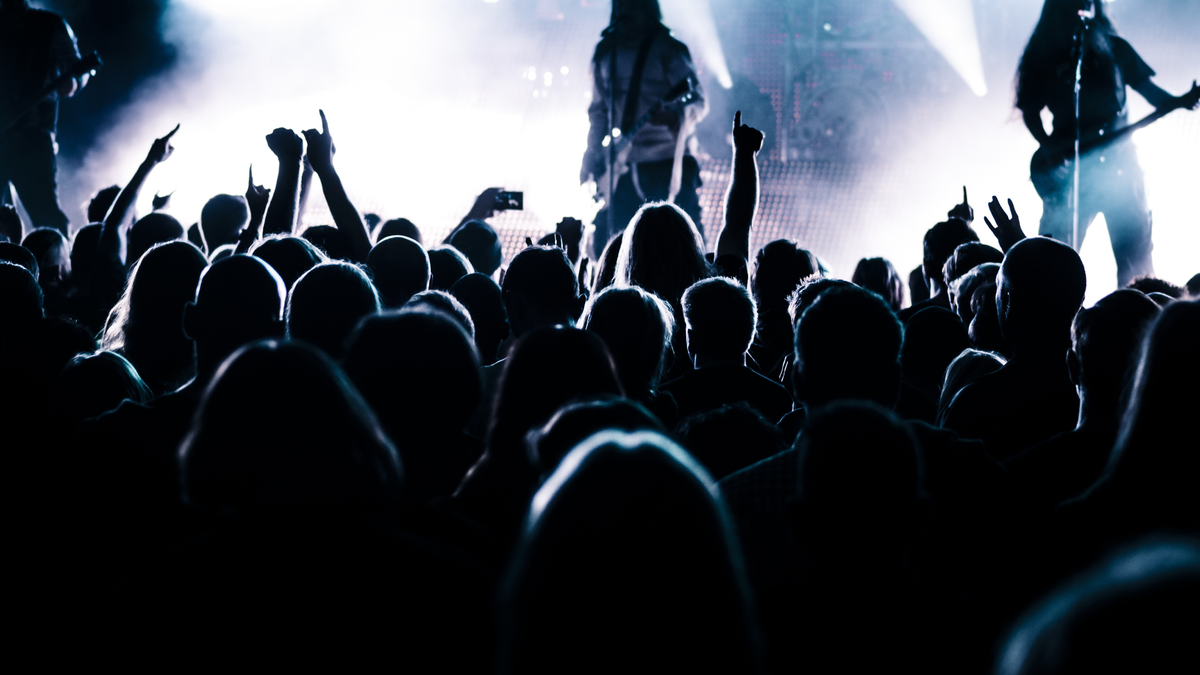
You can feel it in every comments section: fans asking the same thing again and again — are The Who really going out on a big 2026 tour, and could this be the last time we see Pete Townshend and Roger Daltrey on a major stage? For a band that literally wrote the rulebook for live rock chaos, any hint of new dates instantly explodes across Reddit, TikTok and classic rock Twitter. People are comparing old bootlegs, arguing about which city deserves a stop, and wondering if they’ll bring back deeper cuts from Quadrophenia or stick to the huge anthems.
Check the latest official tour dates and ticket info here
Right now the buzz is less about nostalgia and more about urgency. The Who are legends, but they’re also human. Every new run of shows feels like a bonus chapter that no one expected back when "hope I die before I get old" was blasting out of bedroom speakers. So fans are treating every rumor, every hint in interviews, like a countdown clock. If you’ve ever screamed the "Teenage Wasteland" hook in a car with your friends, or watched that exploding drum kit clip for the thousandth time, this moment hits different.
The Backstory: Breaking News in Detail
Across music news sites and fan forums, the current conversation about The Who sits at the intersection of reality and wishful thinking. In recent interviews, both Pete Townshend and Roger Daltrey have floated ideas that keep fueling speculation: more orchestral shows, a focused run of classic arena dates, maybe some festival appearances, maybe not. No one is promising a massive, 100-date world tour, but they’re also not shutting the door on big nights in key cities.
What we do know is that The Who’s official channels continue to highlight live activity: past tour recaps, orchestral show footage, and regular reminders to check in on tour pages for updates. That alone keeps fans glancing at calendars and holding off on booking other gigs in case a Who date drops in their city. For a band whose brand is built on explosive live performances, the quiet teasing is almost part of the show at this point.
Recent press conversations have also underlined a couple of key points. First, Roger Daltrey has been honest about the physical toll of singing this material. Hits like "Love, Reign O’er Me" and "Won’t Get Fooled Again" are not easy songs to push out at full force in your 70s. At the same time, when you look at fan-shot clips from the last few touring cycles, the energy is still there. It might be delivered with more restraint, but the roar of the crowd fills in the spaces — especially on those huge group-chant moments like "Yeeeeaah!" at the end of "Won’t Get Fooled Again."
Second, Pete Townshend has repeatedly signaled that he’s not interested in going through the motions. When he says he’d be up for more shows, he frames it around having a strong concept: orchestral reinterpretations, complete album performances, or tightly curated setlists that tell a story instead of a random jukebox of hits. That mindset affects how any 2026 dates might look: fewer shows, more carefully chosen venues, and a premium on getting tickets early because there probably won’t be endless additions.
For fans, the implication is clear: if you see new US, UK or European dates pop up, treat them as special events, not as just another classic rock tour that will circle back in a year or two. There’s a sense that every announcement from The Who now could be one of the last big swings, whether it’s framed as a farewell or just "more shows while it still feels good." Online, that’s creating a mix of panic-buy energy and deep gratitude. People are budgeting, making travel plans, and even coordinating group trips across borders to catch at least one night before the lights finally go down.
The Setlist & Show: What to Expect
Even without a full 2026 tour blueprint officially locked in, you can map out what a modern Who show tends to look like using recent setlists. Certain pillars almost never move. You’re going to hear "Baba O’Riley." You’re going to hear "Won’t Get Fooled Again." You’re very likely to get "Who Are You," "Pinball Wizard," "The Seeker" and "Behind Blue Eyes." Those are non?negotiable at this point; entire sections of the crowd show up just to scream those refrains with thousands of strangers.
In the last touring cycles, The Who leaned heavily into the orchestral concept. That meant sweeping, cinematic versions of "Love, Reign O’er Me" and a big block of Tommy material: "Overture," "1921," "Amazing Journey," "Sparks" and "Pinball Wizard" flowing almost like a rock opera medley. Fans reported goosebumps hearing those songs with strings and brass filling the arenas, transforming what used to be raw, ragged club music into something closer to a movie soundtrack while still keeping the electric guitar teeth.
They also regularly pulled from Quadrophenia, giving space to songs like "The Real Me," "5:15" and "Love, Reign O’er Me" as emotional centerpieces. These tracks hit especially hard for younger fans who discovered The Who through streaming and cult film clips and then realize, live, how massive these arrangements actually are. When the brass section punches in on "5:15" and the lights flare, the entire crowd becomes part of a very loud, very British fever dream.
Beyond the classics, there’s always the wildcard zone. Recent tours have occasionally slipped in "Eminence Front," "You Better You Bet," "I Can’t Explain" or "Substitute," plus deeper album songs like "Imagine a Man." Townshend sometimes reshapes arrangements, stretching intros or adding quieter, reflective passages that remind everyone there’s a serious songwriter behind all that amp?smashing mythology. Older fans treat these songs as sacred texts; younger fans keep Shazam open, trying to remember which deep cut just melted their face.
The vibe in the room is part rock museum, part raw present tense. In the standing sections, you’ll see parents and kids sharing earplugs, black tour tees from the 70s right next to brand new hoodies, and whole rows that go still and emotional during "Behind Blue Eyes" only to lose it completely once the big guitar break hits. When the synth loop of "Baba O’Riley" starts rolling, phones go up, arms go around shoulders, and you get that huge communal scream on "Teenage wasteland!" that never stops feeling cathartic, even if you’ve seen it a dozen times on YouTube already.
If 2026 shows follow that pattern, expect a structure something like:
- Opening with an orchestral or dramatic build (often Tommy or Quadrophenia pieces).
- A mid?set stretch of big radio staples: "Who Are You," "You Better You Bet," "The Kids Are Alright" or "I Can See for Miles."
- A quieter, emotionally heavy section: "Behind Blue Eyes," "Imagine a Man," "Love, Reign O’er Me."
- A closing run of absolute monsters: "Pinball Wizard," "Baba O’Riley," "Won’t Get Fooled Again," maybe "Eminence Front".
Atmosphere?wise, think: giant screens rolling archival footage, subtle tributes to John Entwistle and Keith Moon, stadium?level sound, and a band that understands exactly what these songs mean to people who weren’t even born when they first came out. The adrenaline doesn’t feel like a nostalgia convention; it feels like a living, still?mutating organism of rock history.
What the web is saying:
Rumor Mill: What Fans Are Speculating
If you scroll through r/music or classic rock corners of Reddit, you’ll see the same threads getting bumped daily: "Will The Who tour the US again?", "UK farewell shows when?", "Full Quadrophenia in 2026??" Fans are absolutely building their own storylines in the absence of concrete info.
One popular theory: that any new run of shows might be branded as some kind of final large?scale tour, especially in North America and the UK. People point to age, earlier interviews where Daltrey hinted at slowing down, and the reality that staging these big orchestral productions is expensive and logistically intense. TikTok edits cut between grainy 60s footage and recent arena clips with captions like "Last chance to see them?" and "If you miss this, you’ll regret it at 60." It’s emotional marketing, even if it’s unofficial.
Another obsession: ticket prices. Recent rock legacy tours have sparked backlash for VIP packages that stretch into absurd numbers. On Reddit, you’ll find arguments about whether paying top tier to be near the front for The Who is worth it, especially for younger fans without boomer savings. Some users say they’d rather sit in the cheap seats and just be in the same building as "Baba O’Riley" blasting at full volume. Others are saving aggressively for one perfect floor ticket, framing it as a once?in?a?lifetime moment.
There’s also ongoing speculation about what kind of band configuration The Who will use. Will the next shows continue the orchestral approach, or will they strip it back to a tighter rock band to preserve energy and lower costs? Fans trade clips: "Orchestral ‘Love, Reign O’er Me’ made me cry" versus "I miss the ragged edge of the 70s live sound." Some Redditors dream of a hybrid format — one half with orchestra for the epics, one half pure rock band for the punchier tracks like "The Seeker," "Substitute" and "I Can’t Explain."
A smaller but vocal pocket of the fandom is hungry for deep cuts. TikTok creators are making short explainer videos on underrated tracks like "A Quick One, While He’s Away," "Slip Kid" and "So Sad About Us," with captions like "Songs The Who should absolutely play if they tour again." Those posts rack up comments from older fans saying, "They used to play this in ‘x’ year; it was insane" alongside younger listeners just discovering the catalog beyond the Spotify top 10.
Finally, there are whispers about guest appearances. Every time a big UK or US festival drops a lineup, there’s a mini?wave of "secret headliner could be The Who" threads. People imagine special guests joining for "My Generation" or "Won’t Get Fooled Again" — maybe younger rock bands who cite The Who as influence, or orchestras tied to cities with strong classical scenes. None of this is locked in; it’s pure fan?fiction. But it speaks to how alive the mythology still is: a band that’s been around for decades is still sparking daydreams on platforms dominated by Gen Z.
Key Dates & Facts at a Glance
- Official tour hub: The latest confirmed dates, ticket links and announcements always go through the band’s official tour page at thewho.com/tour.
- Classic album milestones: Tommy (1969), Who’s Next (1971), Quadrophenia (1973) — these records still dominate modern setlists.
- Signature live staples: "Baba O’Riley," "Won’t Get Fooled Again," "Pinball Wizard," "Who Are You," "Behind Blue Eyes" and "The Real Me" are among the songs most likely to show up on any new tour.
- Orchestral era: Recent tours featured a full orchestra on many dates, turning Tommy and Quadrophenia tracks into huge cinematic moments.
- Typical show length: Fans report sets running roughly 2 hours, depending on curfews and whether an orchestra is involved.
- Fan age mix: Recent crowds span from teens and 20?somethings discovering The Who via streaming, to original fans who saw them in the 70s and still turn up wearing vintage tour shirts.
- Best way to get alerts: Following The Who’s official site and social channels remains the safest way to know when new dates drop, especially for high?demand cities in the US, UK and Europe.
FAQ: Everything You Need to Know About The Who
Who are The Who and why do they still matter in 2026?
The Who are one of the foundational rock bands of the 60s and 70s, built around Pete Townshend’s songwriting and guitar work and Roger Daltrey’s powerhouse vocals. Their mix of aggressive volume, smashed instruments and ambitious concept albums basically shaped what we now think of as stadium rock. In 2026, they still matter because their songs are woven into pop culture in a way that keeps renewing itself. "Baba O’Riley" opens TV shows and films, "Won’t Get Fooled Again" has become political shorthand, and Tommy and Quadrophenia still feel emotionally huge to new listeners. On streaming, younger fans are discovering them not as dusty history, but as a band whose riffs and choruses hit as hard as anything modern.
What kind of show does The Who put on these days?
Modern Who shows are big, polished and emotionally heavy, but still have that volatile spark the band is known for. You get a carefully structured setlist anchored by hits, often with orchestral arrangements that turn familiar songs into widescreen experiences. Pete Townshend still throws windmill chords, Roger Daltrey still swings the mic (more safely than in the 70s, but the visual is there), and the band around them is stacked with top?tier players who can handle complex arrangements. Compared to the wild, almost unhinged gigs of their youth, today’s shows are more controlled and professional — but the emotional stakes feel even higher, because everyone knows they’re witnessing a late chapter.
Where are fans most likely to see The Who if they tour again?
Historically, The Who have focused on major cities and key markets: London, Manchester, Glasgow and other big UK hubs; New York, Los Angeles, Chicago, Boston and similar mainstays in the US; plus major European cities like Paris, Amsterdam and Berlin. If new 2026 dates appear, you can expect the band to prioritize larger arenas and special venues that can support their production, especially if an orchestra is involved. That means you might need to travel from smaller towns to catch a show, which is why fans are already planning road trips and group bookings.
When do tickets usually go on sale, and how fast do they move?
Every tour cycle is different, but there are patterns. Typically, there’s an official announcement via the band’s channels, followed by a short lead?up to general onsale — sometimes with pre?sales for fan clubs, credit card partners or venue memberships. For a band with The Who’s legacy, prime seats and floor tickets can vanish quickly, often in minutes, especially in major cities. Upper?level and side?view seats might last longer, giving more casual fans a chance to grab something. Secondary markets then light up with resales, sometimes at inflated prices. The safest move if you care about being there: watch the official tour page, note onsale times in your time zone, and log in early.
Why are some fans calling this potentially "the last chance"?
There’s no official, carved?in?stone statement that 2026 dates would be the final shows from The Who. But fans are reading the room: the members are older, the scale of the production is demanding, and even younger artists are finding long tours exhausting. Add in hints from recent interviews where both Townshend and Daltrey talk about legacy, health and pacing themselves, and you get a mood that feels like the closing chapters of a book. Whether or not the band ever attaches the word "farewell" to a tour, many fans are treating any new dates as if this could be their last opportunity to experience these songs at this scale with the core members present.
What songs should you know before going to your first Who concert?
If you’re a newer fan prepping for a first show, there are some essentials. Start with "Baba O’Riley," "Won’t Get Fooled Again," "Pinball Wizard," "Who Are You," "Behind Blue Eyes," "The Kids Are Alright," "I Can’t Explain," "Substitute" and "The Seeker." Then dig into album tracks from Tommy ("Amazing Journey," "Sparks"), Who’s Next ("Bargain," "Going Mobile") and Quadrophenia ("The Real Me," "5:15," "Love, Reign O’er Me"). Even if the band doesn’t play every single one live, having that context makes the show feel richer; you’ll catch musical motifs, lyrical callbacks and understand why older fans lose their minds when certain riffs start.
How should you prepare for the live experience?
Practical stuff matters. Expect loud volumes, even with modern sound engineering, so bring decent earplugs — you’ll preserve your hearing and still feel the impact. Wear comfortable shoes; you’ll be on your feet for most of the big songs. Hydrate, especially for summer outdoor or festival dates. If you want merch, budget for it — official tour shirts and posters sell fast and double as time?capsules. Emotionally, expect to feel way more than you might from watching clips online. When thousands of people belt out "Teenage wasteland" together, or when the band pauses to acknowledge their history and fallen bandmates, it lands hard. That combination of shared memory and live volume is exactly why so many fans are fighting for one more night with The Who, even decades after their supposed peak.
Why does The Who’s story resonate so strongly with younger generations?
On paper, a band that exploded in the 60s shouldn’t have this much pull with Gen Z and younger millennials. But The Who’s themes — alienation, identity, anger at systems, the search for community — mirror the mood of the 2020s. "My Generation" is basically a proto?punk anthem about being dismissed by older people. Quadrophenia is about a young person feeling split and misunderstood. "Won’t Get Fooled Again" captures skepticism about political change that doesn’t actually help regular people. These ideas land in an era of economic anxiety, social media pressure and endless news cycles. Add riffs that still sound huge on headphones, and you get a band that keeps finding new life with listeners who were born long after the first records dropped.
Hol dir jetzt den Wissensvorsprung der Aktien-Profis.

Seit 2005 liefert der Börsenbrief trading-notes verlässliche Aktien-Empfehlungen - Dreimal die Woche, direkt ins Postfach. 100% kostenlos. 100% Expertenwissen. Trage einfach deine E-Mail Adresse ein und verpasse ab heute keine Top-Chance mehr. Jetzt abonnieren.
Für immer kostenlos


