
The Strokes Are Back: Why Everyone’s Watching 2026
20.02.2026 - 20:00:25 | ad-hoc-news.de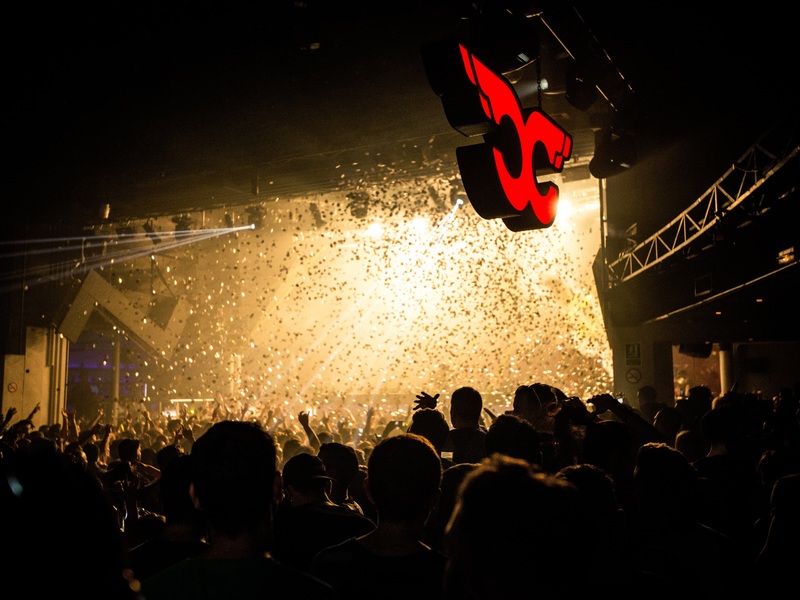
If it feels like you're seeing The Strokes' name everywhere again, you're not imagining it. Between fresh festival headlines, setlists getting picked apart on Reddit, and a wave of TikToks rediscovering Is This It like it just dropped yesterday, the New York band that rewired 2000s indie rock is suddenly back at the center of the conversation. Whether you're a day-one fan who wore out the Room on Fire CD or someone who found them through a viral "NYC indie sleaze" playlist, this new chapter feels like something you don't want to miss.
Hit The Strokes' official site for the latest drops, dates, and merch
So what's actually going on with The Strokes in 2026? There's festival chatter, new?material speculation, and a live show that quietly shifted into a new gear over the last couple of years. Here's the breakdown of what's really happening, what the setlists tell us, and why the fanbase is buzzing like it's 2001 all over again.
The Backstory: Breaking News in Detail
To understand the current hype cycle around The Strokes, you have to zoom out for a second. Their 2020 album The New Abnormal earned them a late?career critical glow-up, even winning a Grammy for Best Rock Album. That win quietly reset how a lot of casual listeners saw them: not just a nostalgia act, but a band that still had something sharp and relevant to say. Since then, every festival booking and every small move has been read as a clue about a possible "next era."
In the last year, the band’s public activity has followed a familiar pattern: carefully chosen festival slots, a handful of high?impact city shows, and just enough teasing in interviews to keep everyone guessing. UK and European rock press have repeatedly pointed out that the band's latest live shows lean more confidently on newer tracks like "The Adults Are Talking" and "Ode to the Mets" instead of hiding behind a purely early?2000s greatest hits run. That shift matters, because it suggests The Strokes themselves are thinking forward, not just trading on old memories.
On the US side, coverage in major outlets has focused on two threads: first, the band’s steady return as a top?line festival headliner, and second, rumors spilling out of New York and Los Angeles studios about the group working around Julian Casablancas' busy schedule. Industry sources quoted across music media have hinted that the group has blocked out writing and recording time rather than just flying in for festival paydays. Nobody is confirming a finished album, but almost nobody is denying that serious work is happening either.
Then there's the live angle. Fans who caught them in 2023–2025 noticed how much tighter and more committed the band looked onstage compared to some notoriously loose mid?2010s performances. Multiple reviewers described recent shows as "locked in" and surprisingly emotional, with Casablancas sounding more present and less checked?out. That change has driven a new wave of word?of?mouth: people aren't just going to hear "Last Nite" once, they're going because the entire show feels like a renewed version of The Strokes.
All of this fuels the current narrative: a legendary band quietly building momentum toward something bigger. Fans are reading between every Instagram caption, every festival announcement, and every oddly specific setlist decision for hints. The implication is clear: if a full US/UK/Europe run or a new record hits in 2026, those who are paying attention right now will be first in line.
The Setlist & Show: What to Expect
If you're trying to figure out whether it's worth scrambling for tickets the second The Strokes announce more 2026 dates, the setlists from the past couple of years are your best cheat sheet. The short version: they're no longer just a nostalgia playlist. It's a working, evolving show that jumps across their entire catalog.
Here's the rough blueprint that's been turning up at recent shows and festivals:
- The statement opener – Tracks like "Bad Decisions" or "The Adults Are Talking" have been opening sets, immediately signaling that post?2010 material isn't a side note. "The Adults Are Talking" especially has become a modern anthem, with its clipped drum machine groove, twin guitar lines, and Julian's controlled drawl building into a shout?along finish.
- The early?era adrenaline hits – You still get the rush of "Someday," "Last Nite," "Hard to Explain," and "New York City Cops." These songs land like generational karaoke, entire crowds taking over the choruses as if the band is just backing them up. The energy spike when that opening riff of "Last Nite" drops is still ridiculous.
- Deep cuts for the heads – Hardcore fans have been clocking appearances from songs like "Take It or Leave It," "Automatic Stop," "Under Control," and on a good night, "Reptilia" dropping in the middle of the set instead of just being a closer. These are the moments you see older fans get unreasonably emotional.
- The New Abnormal core – "Ode to the Mets," "Brooklyn Bridge to Chorus," and "Selfless" have all showed up frequently. Live, these songs feel less like a late add-on and more like the emotional core of the show, especially when "Ode to the Mets" appears near the end and the room goes from shout?along to stunned quiet.
- The encore chaos – The band tends to close with a one-two punch built on invincible hooks: "Juicebox," "You Only Live Once," "Reptilia," or "Is This It." On certain nights, they've even tossed "Heart in a Cage" or "Barely Legal" into the final stretch, just to keep the crowd guessing.
Atmosphere?wise, The Strokes' show in the 2020s and now into 2026 hits differently than it did a decade ago. Julian is still sarcastic and unpredictable on the mic, but the exhausted, half?bored vibe that haunted some 2010s gigs has mostly faded. Instead, reviewers and fans alike have noted that he's more conversational, more willing to crack jokes and acknowledge the crowd, and more emotionally locked in when he hits those vulnerable lines in songs like "Under Cover of Darkness" and "Ode to the Mets."
The rest of the band—Nick Valensi and Albert Hammond Jr. on guitar, Nikolai Fraiture on bass, and Fabrizio Moretti on drums—sound genuinely dialed. The dual?guitar chemistry that made their first two albums so addictive has become even more nuanced; Nick and Albert weave around each other in "The Adults Are Talking" and "Automatic Stop" in ways that feel almost effortless. Fab's drum parts still lock the entire thing together with that simple, driving, almost mechanical pulse that defined their early records, but he's subtly pushing dynamics more now, especially on the newer material.
In practical terms, you should expect a set that runs around 80–100 minutes, with somewhere between 18 and 22 songs when they're headlining a night, and a leaner 12–15 song blast when they're playing festivals. The lighting rigs at recent shows have leaned heavily into saturated reds, blues, and hazy white backlighting, building a retro?futurist vibe that matches the clash of early?2000s guitars with more modern synth textures from the later records.
For anyone who only knows the hits, that mix is kind of perfect. You get the classic New York scruff of "Barely Legal" and "Hard to Explain" plus the widescreen, late?night melancholy of "Ode to the Mets" and "The Adults Are Talking." For long?time fans, the deeper pulls and rearranged set orders hint at a band trying to reframe their own story while they quietly build toward whatever comes next.
What the web is saying:
Rumor Mill: What Fans Are Speculating
The Strokes' fanbase has never exactly been quiet, but 2026 speculation is on another level. If you dip into Reddit threads, Discord servers, or the deeper side of TikTok, you'll see three big rumor clusters dominating the conversation: album theories, tour debates, and setlist wars.
1. The "Shadow Album" Theory
One of the loudest threads on fan forums right now is the idea that the band has already finished a significant amount of new music—maybe even a full record—and is just waiting on the right rollout moment. Fans point to scattered studio sightings, producer name?drops in interviews, and the way members have referenced "working on stuff" without committing to details. The argument is that after the long wait before The New Abnormal, they've quietly built a follow?up and are playing the timing game around festival seasons.
There's also an aesthetic theory: TikTok edits that pair newer songs with visuals from classic NYC nightlife, vintage subway footage, and grainy rooftop imagery have sparked speculation that the next project might lean hard into a "future nostalgia" mood—sonically modern but visually anchored in the early?2000s city that made them.
2. Tour vs. One?Offs
Another debate: will The Strokes commit to a full, traditional tour, or will they keep doing "event" shows—major festivals, a cluster of big?city dates, maybe the occasional underplay in a tiny venue that sells out in seconds and melts Twitter? Some fans argue that the band no longer needs or wants to grind through 40?date runs; with their status, they can dip in for high?impact appearances and still dominate timelines.
Others counter that the renewed energy in the live show only makes sense if there's a bigger plan coming, and that a proper US/UK/Europe circuit would turn the rumored next era into a full cultural event instead of a half?hidden streak of festival clips. Ticket watch accounts on social media are already tracking every small move—any random city announcement instantly spawns theories about a wider routing.
3. Setlist Politics & "Justice For" Campaigns
Over on TikTok and Reddit, fans have taken to running "Justice for…" campaigns around deep cuts they want back in rotation. "Justice for 'Razorblade'" and "Justice for 'Ask Me Anything'" pop up regularly, often overlaid with slow?zoom edits of grainy early?2000s photos of the band. Some threads obsessively track which songs disappeared from setlists after certain tours, speculating that the band is tired of specific tracks or that they don't fit the current vibe.
Then there are the "Is this an era shift?" conversations. Whenever the band leans heavily into a certain album on a given night—say they stack the show with First Impressions of Earth or go extra?heavy on The New Abnormal—fans pounce on the setlist and frame it as evidence of where their heads are at. For some, a set dominated by later material is proof that new songs are coming; for others, a classic?heavy run looks like a subtle victory lap.
Finally, there's the meta?conversation: will The Strokes ever fully escape the long shadow of their debut? Some fans argue that the band is already past that point—that songs like "Under Cover of Darkness" and "The Adults Are Talking" stand shoulder to shoulder with "Last Nite". Others think they'll always be locked to the early?2000s rock revival narrative no matter what they release now. That tension fuels a lot of the speculation and gives every rumored move extra emotional weight: people aren't just guessing about tour dates, they're arguing about the band's legacy in real time.
Key Dates & Facts at a Glance
| Type | Item | Region | Date (Year) | Notes |
|---|---|---|---|---|
| Album Release | Is This It | US/UK | 2001 | Breakthrough debut; widely credited with kick?starting 2000s guitar rock revival. |
| Album Release | Room on Fire | Global | 2003 | Solidified their sound; includes fan favorites "Reptilia" and "Under Control". |
| Album Release | First Impressions of Earth | Global | 2006 | Longer, darker record featuring "Juicebox" and "Heart in a Cage". |
| Album Release | Angles | Global | 2011 | Marked their return after hiatus; includes "Under Cover of Darkness". |
| Album Release | Comedown Machine | Global | 2013 | More experimental; fan?favorite deep cuts like "Chances" and "Tap Out". |
| EP Release | Future Present Past | Global | 2016 | Bridge between eras; features "Threat of Joy" and "Drag Queen". |
| Album Release | The New Abnormal | Global | 2020 | Grammy?winning comeback album with "The Adults Are Talking" and "Ode to the Mets". |
| Award | Grammy for Best Rock Album | US | 2021 | First Grammy win for The Strokes, awarded for The New Abnormal. |
| Live Focus | US & UK Festival Headlining | US/UK/EU | 2023–2025 | Regular top?line spots at major festivals, fueling 2026 tour/album speculation. |
| Official Hub | The Strokes Website | Global | Ongoing | Latest official updates, merch, and live announcements: thestrokes.com. |
FAQ: Everything You Need to Know About The Strokes
Who are The Strokes, in 2026 terms?
The Strokes are a New York rock band—Julian Casablancas (vocals), Nick Valensi (guitar), Albert Hammond Jr. (guitar), Nikolai Fraiture (bass), and Fabrizio Moretti (drums)—who broke out in the early 2000s with a sound that fused Velvet Underground cool, lean punk energy, and hook?driven pop instincts. In 2026, they're in a rare lane: veterans with a classic debut, a cult?loved mid?career catalog, and a surprisingly strong late?period album in The New Abnormal. They're simultaneously a nostalgia trigger for older millennials and a fresh discovery for Gen Z waves who found them through playlists, TikTok edits, and festival livestreams.
What kind of show do you actually get if you see The Strokes live now?
Expect a tight, no?nonsense set built around songs that people deeply care about. The band isn't big on extended speeches or elaborate stage design; the focus is on the interplay between guitars, rhythms, and Julian's vocal delivery. You're likely to hear hits like "Last Nite," "Someday," "Reptilia," "Juicebox," and "You Only Live Once," alongside newer favorites like "The Adults Are Talking," "Brooklyn Bridge to Chorus," and "Ode to the Mets."
The energy is different from bands who lean on mosh pits and stage dives; The Strokes crowd vibe is more collective sing?along and locked?in head?nod, with pockets of full?body dancing and screaming near the front. Visually, it's a blur of leather jackets, thrifted 2000s fits, and phone screens lighting up for every opening riff. If you're into tight musicianship, iconic guitar parts, and songs that feel like a shared memory bank, it hits hard.
Where should a new fan start with their music?
Honestly, you probably can't go wrong starting with Is This It. It's a tight, 11?track record with zero wasted motion, and it explains why the band blew up in the first place. From there, you've got options:
- For more hits and hooks: Go to Room on Fire for "Reptilia," "12:51," and "Under Control."
- For a darker, more ambitious side: Try First Impressions of Earth—tracks like "Juicebox" and "Vision of Division" show them stretching out.
- For the "they came back strong" era: Dive into The New Abnormal. Start with "The Adults Are Talking," "Selfless," and "Ode to the Mets."
Playlists that mix early and late tracks work really well. Hearing "Hard to Explain" next to "Brooklyn Bridge to Chorus" brings out how much the band evolved while keeping that core DNA of tight drums, interlocking guitars, and strangely addictive vocal lines.
When is the best time to grab tickets if new shows are announced?
With a band at The Strokes' level, speed matters. Major city dates and festival headlining nights tend to move quickly, especially in New York, London, Los Angeles, and big European capitals. Pre?sale codes (through mailing lists, credit card promos, or festival partners) are often the difference between getting face?value tickets and getting shoved into resale chaos at inflated prices.
If you're tracking 2026 rumors, your best move is to keep an eye on their official site and social channels, plus the usual ticket platforms. Sign up for alerts, keep your payment details ready, and treat on?sale times like a mini holiday. The demand surge from younger fans who discovered The Strokes online plus older fans chasing nostalgia makes a potent combo.
Why do people still care this much about The Strokes?
Part of it is pure timing: they arrived at the exact moment the early?2000s needed something raw, loud, and stylish to cut through post?Y2K pop polish. But it's more than that. The Strokes wrote songs that feel like they live in your bloodstream once you've heard them enough. Those guitar lines in "Someday" and "Reptilia," the casually devastating lyrics of "Under Cover of Darkness" or "Ode to the Mets," the way Julian sounds both totally over it and secretly heartbroken—that combination locked them in people's emotional memory.
They also became shorthand for a whole era: cheap bars, small venues, scratched CDs, blogs gushing about "the return of rock." For Gen Z, that world is kind of mythical, and The Strokes are a portal into it. Factor in the late?career win of The New Abnormal, and you’ve got a band that means something real to at least two different generations for slightly different reasons—but with the same songs.
Are The Strokes considered "legacy" now, or still current?
They're firmly both. In pure industry terms, any act with a 20+ year history and a classic album is a legacy artist. But unlike bands who only tour greatest hits packages, The Strokes still have a credible, recent studio record in rotation and a fanbase expecting more. That's why festival lineups still drop their name in big font, why critics still lean in for new material rumors, and why TikTok edits using "The Adults Are Talking" feel just as current as ones using "Last Nite."
So while they have the catalog and influence of a legacy act, they're not sealed in amber. The relationship between their past and present is still being written in real time, which is exactly why 2026 feels like such a pivotal moment.
How do you keep up with official news versus pure rumors?
Your safest anchor is always going to be The Strokes' official channels—especially their website, which typically gathers tour dates, merch drops, and formal announcements in one place. From there, verified social accounts and reputable music outlets help separate signal from noise. Fan theories can be fun, but if you're planning travel, budgeting for tickets, or trying to schedule around possible shows, treat anything not confirmed by those official sources as exactly what it is: speculation.
The upside is that being tuned in early lets you move fast when something real does drop. And with the way The Strokes have been moving lately, it feels less like a question of "if" and more like "how big" their next move is going to be.
Historical Flashback: How We Got Here
Rewinding to the start helps make sense of why The Strokes' every move still hits the internet like a mini?earthquake. In 2001, Is This It landed at a moment when guitar bands sat in a weird space—either moving toward glossy radio rock or buried in niche scenes. The Strokes cut through with something lean, stylish, and confidently imperfect. Short songs, no bloat, riffs that felt instantly iconic, and a vocal tone that sounded like someone half?asleep and completely wired at the same time.
The first three albums—Is This It, Room on Fire, and First Impressions of Earth—formed an arc a lot of bands would kill for: instant impact, then refinement, then ambition and friction. After that, the 2010s were messier: side projects, solo albums, rumors of internal tension, and long gaps between releases. Yet even in those years, new waves of kids kept discovering them, turning "Reptilia" into a rhythm?game staple, "Someday" into a soundtrack for nostalgia edits, and "You Only Live Once" into a guiding quote on Tumblr and Instagram.
By the time The New Abnormal arrived, The Strokes had already outlived about five different "rock is back" moments. That album didn't try to recreate 2001; it leaned into time passing, relationships shifting, and the strange feeling of being older but still connected to your past self. That honesty gave it weight, and the Grammy recognition only amplified things. Which is how we get to 2026: a band that started as "the future of rock" now finding a way to be the present again—without pretending the last two decades didn't happen.
Wenn du diese Nachrichten liest, haben die Profis längst gehandelt. Wie groß ist dein Informationsrü
An der Börse entscheidet das Timing über Rendite. Wer sich nur auf allgemeine News verlässt, kauft oft dann, wenn die größten Gewinne bereits gemacht sind. Sichere dir jetzt den entscheidenden Vorsprung: Der Börsenbrief 'trading-notes' liefert dir dreimal wöchentlich datengestützte Trading-Empfehlungen direkt ins Postfach. Agiere vor der breiten Masse – 100% kostenlos und fundiert.
Jetzt abonnieren .


