The Rolling Stones 2026: Tour Buzz, Myths & Must-Hear Moments
11.03.2026 - 23:59:41 | ad-hoc-news.de
You can feel it: every time The Rolling Stones so much as hint at live dates, the internet starts to vibrate. Group chats heat up, dad-rock and Gen Z collide on TikTok, and everyone asks the same question: “Are they really still this good?” If you’ve even casually searched for tickets, clips or setlists lately, you know the answer is leaning hard toward yes.
Before we go any further, bookmark the one page that actually matters when it comes to official info, new dates and legit tickets:
Check the official Rolling Stones tour hub here
Because between rumors, fan theories and straight-up wrong screenshots flying around X, it’s getting harder to separate wishful thinking from what’s really cooking in the Stones’ world right now. Let’s break down what’s happening, what’s likely, and what fans on TikTok and Reddit are absolutely convinced is coming next.
The Backstory: Breaking News in Detail
When you talk about The Rolling Stones in 2026, you’re talking about a band that has outlived trends, formats, platforms and, honestly, most people’s expectations of how long a rock group can stay not just alive, but relevant. Every new hint of a tour or special show feels like an event because you know they don’t do anything small anymore.
Over the past few years, the pattern has been pretty clear: carefully planned stadium and arena runs, a tight core setlist with some risky deep cuts sprinkled in, and a marketing rollout that hits older fans through classic media while feeding younger crowds directly on TikTok, Instagram and YouTube Shorts. When a fresh wave of tour buzz starts, it’s usually sparked by a few specific things:
- A teaser or visual quietly dropped on the official site or socials.
- Local radio and regional promoters hinting at blocked-out stadium dates.
- Industry interviews where someone in the Stones camp talks too freely about "being on the road again".
In recent interviews, the band and their inner circle keep circling back to the same ideas: they’re genuinely energized by how many new, young faces they’re seeing in stadiums; they still want to road?test songs from newer material alongside the warhorses; and they’re hyper-aware that each new tour “cycle” could be their last at this scale. That awareness is part of the emotional weight behind all the current speculation.
Fan chatter in the last month has focused on a few key themes: possible US and UK stadium dates timed to festival season, a run of Europe shows to hit cities they skipped last time, and the ever-present dream of a few club or theater gigs where they strip things down and play like it’s 1964 all over again. Promo companies and venue calendars quietly blocking dates has only intensified the theories. People are watching venue schedules like hawks: if a major stadium suddenly has a suspicious gap in June or July, Reddit threads light up with “Stones?” immediately.
Why does this matter so much for fans? Because Stones tours have basically become multi?generational reunions. You’ve got boomers who saw them in the ’70s, Gen X who caught them during the ’90s mega?tours, millennials who finally have money to spend on bucket?list experiences, and Gen Z kids who discovered "Gimme Shelter" on TikTok and want to say they were there at least once. Every new tour rumor feels like another chance to cross them off your live?music bucket list before it’s too late.
On top of that, any suggestion of fresh activity feeds speculation about new studio material. The Stones have leaned hard into the narrative that they’re not a legacy museum act; they still write, record and test new songs in front of 50,000 people a night. Each hint of live dates triggers another round of “Are they going to debut something new?” discussions, and that’s exactly the kind of energy you’re seeing in fan communities right now.
The Setlist & Show: What to Expect
If you’ve never seen The Rolling Stones live, the setlist is usually the first thing you obsess over. Are they going to play the hits? Will they go weird and nerdy? Will they still sound like that? Based on recent tours, here’s the basic shape you can expect from a 2026?era Stones show.
The opener is almost always a statement track—something big enough to jolt everyone out of their seats in the first 30 seconds. Songs like "Start Me Up", "Street Fighting Man" or "Jumpin’ Jack Flash" have all served that role. They hit hard, they’re instantly recognizable, and they let Mick Jagger sprint onto the stage like he’s in his 20s, not his 80s.
From there, the flow roughly looks like this:
- Early?show bangers: Think "It’s Only Rock ’n Roll (But I Like It)", "Let’s Spend the Night Together", or "Tumbling Dice". This is where they lock the crowd in.
- Rotating deep-cut slot: This is catnip for hardcore fans. One night it could be "She’s a Rainbow", another night "Ruby Tuesday", or even later classics like "Memory Motel" or "Out of Control". People track these obsessively and trade setlist screenshots after every show.
- Blues/roots moment: In recent years they’ve carved out a space mid?set where the band digs back into the music they started with—Chicago blues, early R&B?flavored tracks, raw riffs. It’s both a history lesson and a flex.
- Keith spotlight: Keith Richards stepping up to the mic is still a highlight. Expect two tracks where he sings lead—songs like "Before They Make Me Run", "Happy", or "Slipping Away".
- Final sprint of iconic hits: This is where the stadium goes into full karaoke mode: "Sympathy for the Devil", "Paint It, Black", "Honky Tonk Women", "Miss You", "(I Can’t Get No) Satisfaction", and of course, "Gimme Shelter" with that massive, soaring guest vocal moment.
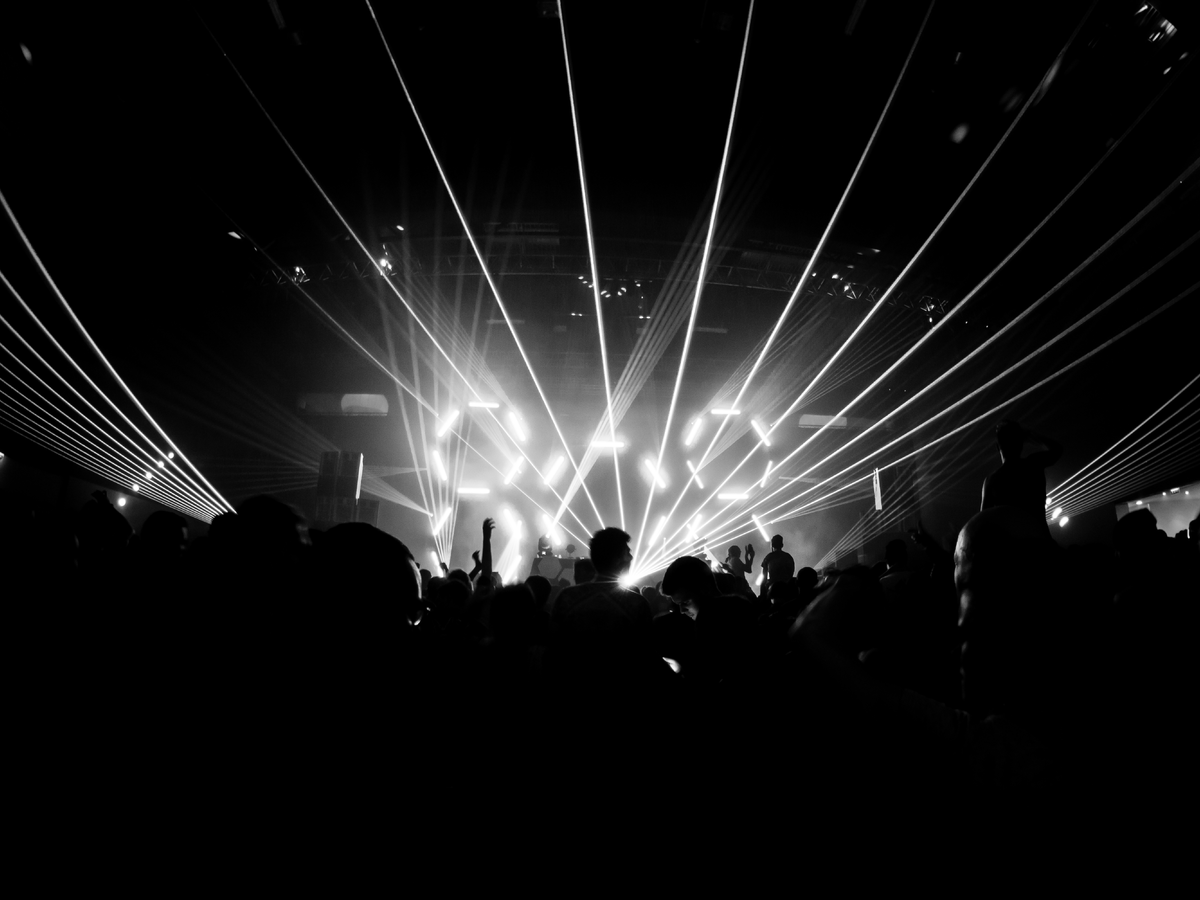
Atmosphere?wise, Stones shows in the 2020s and now mid?2020s feel weirdly hybrid. On one hand, they’re classic rock spectacles with towering video screens, pyrotechnics, and tens of thousands of people wearing old tour shirts from years you might not have even been born yet. On the other, there’s a strong digital layer: phones in the air for every intro, live TikToks from the nosebleeds, Gen Z fans rating the setlist on X in real time.
One underrated part of the modern Stones experience is the stage design. They’ve leaned into bold colors, stylized versions of the iconic tongue logo, and camera work that constantly cuts between tight shots of fingers on fretboards and massive crowd reactions. Even if you’re at the very back of the stadium, you’re never not staring at a huge, high?definition Jagger sprinting across the catwalk.
Sound?wise, expect a polished, heavy low?end mix with a surprising amount of subtlety in the guitars. The band is very aware that modern audiences expect arena?pop levels of clarity. Drums hit punchy and clean, backing vocals are tight, and when that first note of "Gimme Shelter" rings out, the reverb and lighting are timed down to the second. For all the talk about them being a straight rock ’n’ roll band, the production around them is absolutely 2026?ready.
Recent tours have also leaned on fan?voted songs for one slot each night. The band posts a poll ahead of time with four tracks, usually a mix of semi?hits and deeper cuts, and whichever wins gets added. This turns every show into a little bit of a one?off, and fans are already speculating which songs they’ll be campaigning for when the next run is confirmed.
And yes, they’re still experimenting with newer material. Whenever they have fresh songs, they usually drop one or two into the set in the first half so the new stuff rides the wave of early?show adrenaline. Hardcore fans listen obsessively to live recordings to catch how these arrangements evolve night to night—tempo tweaks, extra solos, extended outros.
What the web is saying:
Rumor Mill: What Fans Are Speculating
If you want to understand where Stones hype truly lives, you don’t just look at press releases—you look at Reddit threads, Finsta stories, Discord servers and TikTok comment sections. That’s where the real mental chaos is happening.
Here are the biggest narrative threads running through fan spaces right now:
- “Last massive stadium run” theories: Every time a new set of dates is rumored, people start framing it as potentially the final global stadium tour. Some fans are convinced this next run will be a "farewell to mega?venues" move before they pivot to smaller, more selective shows. Others push back, saying they’ve heard that line for a decade and the Stones keep returning bigger than ever. Either way, the fear of missing out is sky?high.
- Surprise guests and cross?gen collabs: TikTok and Reddit are full of fantasy lineups: Harry Styles, Billie Eilish, Olivia Rodrigo, Måneskin, The 1975. The argument is that the Stones have already proven they can hang with contemporary artists onstage, and a big new tour would be the perfect excuse to bring younger stars into the mix in key cities like LA, London or New York.
- Club show conspiracy theories: Long?time fans swear that any time the Stones announce a big city stadium gig, you should also watch tiny venues within a 5–10 mile radius. The rumor is that they love to rehearse in public by dropping “secret” or short?notice shows under semi?anonymous names. Whenever a small club mysteriously blocks out a date close to a stadium show, comment sections go full detective mode.
- Ticket price wars: One of the most heated threads everywhere is about pricing. Some fans accept that seeing a legendary band in 2026, with full stadium production, is going to cost serious money. Others are furious about dynamic pricing, VIP packages and fees. On TikTok you’ll see side?by?side videos: one person bragging about scoring nosebleeds and still having the time of their life, another doing a breakdown of how a pair of floor tickets cost more than a short vacation.
- Setlist justice campaigns: There are full?on Reddit campaigns around tracks people think "deserve" a comeback. You’ll find threads begging for the return of songs like "Moonlight Mile", "Play With Fire", or "Can’t You Hear Me Knocking". Fans coordinate voting when the band opens polls, trying to bump their favorites above the usual crowd?pleasers.
Another spicy topic: how long the shows will stay at this intensity level. Clips of Mick Jagger still tearing across a stadium stage spark arguments ranging from admiration to outright disbelief. Fans on r/music swap stories about seeing them ten, twenty, even thirty years apart and claiming the band somehow feels looser now. Skeptics argue that there’s a limit to how long anyone can perform at this pace, which only feeds the idea that “this next tour might really be your last shot.”
There’s also a softer, more emotional undercurrent: younger fans talking about going with parents or grandparents for the first (and maybe only) time. Personal posts go viral: a daughter bringing her dad with his original 1970s tour shirt, a grandson FaceTiming a grandfather from the stadium, or people scattering ashes unofficially at the back of the field while "Wild Horses" plays. That emotional layer is a big part of why speculation hits so hard—Stones shows have become family history moments.
So when you see yet another “leak” of city names and dates screenshot?circulating, know that behind the noise, there’s a whole fandom collectively trying to plan what might be the most meaningful night of live music they’ll ever attend. The hype isn’t just about riffs; it’s about people trying to lock in a memory while they still can.
Key Dates & Facts at a Glance
Here’s a quick reference list to keep your Stones knowledge sharp while you refresh that tour page:
- Band origin: Formed in London in the early 1960s, emerging out of the UK blues scene and turning into one of the defining rock bands of all time.
- Classic era milestone: By the late 1960s and early 1970s, albums like "Beggars Banquet", "Let It Bleed", "Sticky Fingers" and "Exile on Main St." locked in their reputation.
- Iconic songs you will almost always hear live: "(I Can’t Get No) Satisfaction", "Start Me Up", "Gimme Shelter", "Paint It, Black", "Sympathy for the Devil", "Jumpin’ Jack Flash".
- Typical show length: Around 2 hours, often 18–20 songs with minimal breaks.
- Venue size: Primarily stadiums and top?tier arenas; occasional special or one?off smaller shows are rare and sell out instantly.
- Ticket buying tip: Always verify dates and links via the official tour hub at rollingstones.com/tour to avoid scalpers and fake listings.
- Global impact: Multiple chart?topping albums across decades, record?breaking tour grosses, and a live reputation that has pulled in three or more generations of fans at once.
- Merch note: New tour cycles usually mean fresh tongue?logo designs, often themed around cities or countries on the schedule.
FAQ: Everything You Need to Know About The Rolling Stones
Who are The Rolling Stones in 2026, really?
In 2026, The Rolling Stones are more than just a “classic rock band.” They’re a living, still?touring cultural engine. On paper, they’re the London group that exploded in the 1960s, helped define the look and sound of rock rebellion, and has outlasted almost every peer. In practice, they are a stadium?tested live act that still sells a ridiculous number of tickets, moves merch like a streetwear brand, and fills social feeds with new clips after every performance.
For older fans, they’re the soundtrack of entire lives—relationships, road trips, heartbreaks. For Gen Z and younger millennials, they’re a combination of: “the band my parents talk about constantly,” “the guys behind that song I heard on Euphoria/Stranger Things/TikTok,” and “somehow still touring and looking wild doing it.”
What makes a Rolling Stones concert different from other legacy acts?
Plenty of artists from their generation still tour, but Stones shows have a particular energy. First, the crowd mix is unlike almost anything else. You’ll see kids in thrifted band tees next to fans who bought the original versions at a 1970s merch stand. That alone creates a strange, electric atmosphere—like a massive family reunion where no one knows each other but everyone knows every lyric.
Second, the setlists rarely feel like museum pieces. Yes, they play the hits. Yes, they keep certain structure elements. But the band still moves songs around, tests deeper album tracks and, when they have new material, actually plays it instead of pretending the last fifty years never happened. You can feel that live: it doesn’t come across as a tribute to their past; it comes across as a band still actively working with its own history.
Third, the performance level is shockingly high. Mick Jagger’s stamina, Keith Richards’ riff instincts, the tightness of the backing band—these are the things that keep TikTok commenters writing “no way they’re that age” under every stadium clip. You’re not watching a slowed?down nostalgia show; you’re watching a machine that has toured longer than most countries’ pop scenes have existed.
Where can you find accurate Rolling Stones tour information?
Between fake ticket resellers, AI?generated rumors and misread screenshots, it’s easier than ever to get misled. If you care about seeing them live, make one site your daily/weekly ritual:
https://rollingstones.com/tour
That’s the only source that matters for confirmed dates, official presales, and legit ticket links. From there, venues and major ticketing platforms will match the info. If you see a “leak” that doesn’t eventually line up with that page, treat it as a wish list, not gospel.
It’s also smart to follow the band’s official social accounts and sign up for email alerts if you’re serious about getting in early. By the time a TikTok about "just announced dates" hits your FYP, hardcore fans may already be deep into presale codes.
When do Rolling Stones tickets usually go on sale—and how fast do they move?
Timing can vary, but there’s a rough rhythm: a major announcement or teaser, followed by presale details for fan?club, credit?card partners or specific regions, and then a general on?sale that usually lands about a week after the first wave of hype. For bigger cities—LA, New York, London, Chicago, Toronto, major European capitals—floor and lower?bowl seats can move within minutes.
Upper levels and less central cities sometimes stick around longer, but the combination of multi?generational demand and FOMO means you should be ready to buy the moment your window opens. Fans often juggle multiple devices and browsers, comparing options in real time. It feels less like buying a ticket and more like trying to win a small digital war.
Prices swing all over the place, especially with dynamic pricing. That’s why a lot of fans obsessively check multiple dates: you might find that flying to a different city plus a cheaper ticket still costs less than the most hyped night in your home town.
Why do The Rolling Stones still matter to younger listeners?
Part of it is pure legacy and streaming algorithms. If you’ve ever put on a “Classic Rock” or “Best of the ’60s/’70s” playlist, you’ve met the Stones. Their songs pop up in movies, TV shows, trailers, sports coverage and viral edits. "Paint It, Black" still turns up under slow?motion clips. "Gimme Shelter" remains one of the most licensed mood?setting tracks in history. Once you recognize those intros, it’s hard not to get pulled deeper.
But there’s something bigger: they feel dangerous even now. Compared to some modern, heavily pre?planned live performances, there’s still unpredictability in how the Stones play. Tempos push and pull, solos stretch, Mick talks to the crowd like he’s trying to prove a point. That chaos is exciting, especially if your usual live reference point is tightly choreographed pop tours where every step and camera movement is locked.
Younger musicians also constantly cite them as reference points—whether it’s guitar tone, swagger, or the idea of turning imperfections into a style. So if you’re into indie rock, emo, garage bands or alt?pop with guitars, you’re already living in a world the Stones helped invent.
What should you expect if this is your first Rolling Stones show?
First, expect it to feel bigger than a normal gig. The crowd outside the venue will feel like a festival, with people in vintage shirts, home?made signs, and a surprising number of fans bringing kids or parents along. Once you’re in your seat or standing spot, the pre?show energy is intense: older fans trading stories about past tours, younger fans nervously hyping themselves up.
When the lights drop and the first riff hits, it’s loud, it’s bright, and it’s immediate. You don’t get a slow build: you’re thrown directly into a song people have been yelling in cars and bars for decades. From there, the two hours fly by. You’ll have at least one moment where the entire stadium sings every single word so loudly that you can barely hear the band—usually during "Satisfaction" or "You Can’t Always Get What You Want".
Emotionally, it hits differently knowing you’re watching a band that your grandparents’ generation could have seen new. For a lot of fans, that’s the point: you’re stepping into a live?music ritual that’s been running longer than most of us have been alive. And when you walk out hoarse, half?deaf and emotionally overloaded, you understand why people keep coming back even after seeing them five, ten, fifteen times.
How can you make the most out of the next Stones tour cycle?
Start by staying realistic about budget and flexible about location. If your dream show is too expensive in one city, look at surrounding dates; sometimes a train or cheap flight plus a different stadium can be a better overall deal. Travel?plus?ticket has become a big part of the modern Stones experience.
Next, use the internet the way hardcore fans do: join setlist?tracking sites, follow fan accounts on Instagram and X that post updated lists after each show, and scan Reddit threads for tips on best entrances, merch lines and sound spots in specific venues. That community knowledge can turn a good night into a great one.
Most of all, understand that for all the hype, production and myth, a Rolling Stones show ultimately lives or dies on one thing: how it makes you feel in the moment. And if history—and the current wave of footage, rumors and fan stories—is any sign, you’re probably going to walk away thinking the same thing fans have been saying for sixty?plus years: “That shouldn’t have been that good… but it was.”
So schätzen die Börsenprofis Aktien ein!

Für. Immer. Kostenlos.