The Cure: Why Robert Smith and His Iconic Band Still Define Alternative Music for a New Generation
13.04.2026 - 06:29:14 | ad-hoc-news.de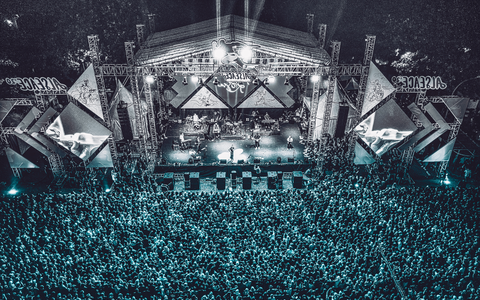
The Cure have been weaving their spellbinding sound for over four decades, and for young fans in North America, their music feels more vital than ever. Led by the eternally youthful Robert Smith, with his wild hair and lipstick-smeared intensity, The Cure blend post-punk gloom with shimmering pop hooks that hit different in 2026. Think endless 'Friday I'm in Love' scrolls on TikTok or 'Just Like Heaven' dominating road trip playlists—their catalog bridges Gen Z nostalgia and fresh discovery. Whether you're streaming on Spotify in LA or sharing fan edits on Instagram from Toronto, The Cure offer escapism that's both timeless and urgently relevant to today's chaotic world.
Formed in Crawley, England, in 1978, The Cure started as punks called Easy Cure before evolving into the goth-rock legends we know. Robert Smith, the creative force, has kept the band alive through lineup shifts, delivering albums that capture heartbreak, longing, and fleeting joy. For North American listeners, this resonates hard—picture late-night drives across the Midwest with 'Pictures of You' blasting, or festival crowds in Chicago losing it to live sets. Their influence ripples through modern acts like The 1975 or Olivia Rodrigo, who nod to that Cure melancholy in their own hits.
What keeps The Cure buzzing? Their songs are emotional shortcuts to feeling deeply without apology. In an era of quick dopamine hits, tracks like 'Lovesong' provide real catharsis, perfect for sharing on socials or analyzing in group chats. North American fandom thrives here: from Coachella vibes to viral covers, their music fuels personal stories and collective vibes.
Why does this topic remain relevant?
The Cure's relevance isn't fading—it's surging. Streaming data shows their plays spiking among 18-29-year-olds, with albums like Disintegration racking up billions. Why? Their themes of love's fragility and youthful confusion mirror millennial-parented Gen Z struggles. In North America, where mental health convos dominate, Smith's raw lyrics feel like therapy sessions set to reverb-drenched guitars.
Pop culture keeps resurrecting them too. Think 'The Cure' references in Euphoria episodes or Robert Smith's guest spots inspiring meme templates. Social algorithms push their classics to new ears, creating chain reactions: one viral dance challenge leads to playlist adds, then deep dives into B-sides. For young North Americans, this means The Cure aren't relics—they're a vibe you claim as your own.
Their DIY ethos also clicks with creator economy kids. Smith’s home-recorded demos inspire bedroom producers from Seattle to Miami, blending Cure synths into lo-fi beats. It's a direct line: their indie spirit empowers fans to make and share, turning passive listening into active culture.
The Streaming Renaissance
Spotify Wrapped doesn't lie—The Cure dominate 'throwback' categories. 'Friday I'm in Love' alone has over 1.5 billion streams, with U.S. and Canada leading. This isn't boomer nostalgia; it's zoomers finding solace in 80s optimism amid 2026 doomscrolling.
Social Media Fuel
TikTok edits pair 'A Forest' with aesthetic walks, while Instagram Reels use 'Close to Me' for fashion hauls. North American creators amplify this, making The Cure a staple in #AltTok and #GothGirl aesthetics.
Which songs, albums, or moments define The Cure?
No Cure deep dive skips the essentials. Boys Don't Cry (1979) kicked it off—punky, heartbroken, and endlessly quotable. That iconic video? Pure 80s time capsule, but its 'I try to laugh about it' line slays in modern heartbreak montages.
Seventeen Seconds (1980) went darker, birthing 'A Forest''s haunting maze of guitars. Then Pornography (1982) plunged into goth abyss—raw, unfiltered despair that's catnip for emo revivalists.
Pop Masterpieces: Kiss Me, Kiss Me, Kiss Me (1987)
This double album flipped the script with hits like 'Just Like Heaven' and 'Why Can't I Be You?'. Joyful chaos, perfect for festival singalongs. North Americans know it from summer drives or EDM remixes at EDC.
Disintegration (1989): The Pinnacle
Peak Cure—epic, emotional, eternal. 'Lovesong', 'Pictures of You', 'Fascination Street'. Smith's voice cracks with real pain; fans dissect it like poetry. Streams prove it's their crown jewel.
Wish (1992) and Beyond
'Friday I'm in Love' became their sunshine anthem. Later works like Bloodflowers (2000) stayed true to introspective roots, influencing indie rock's brooding side.
Key moments? Glastonbury 1990 set, blending hits with deep cuts. Or Smith's endless side projects, showing his restless genius. These define The Cure: evolution without selling out.
What about it is interesting for fans in North America?
For 18-29 North Americans, The Cure hit personal and cultural nerves. U.S. alt-radio in the 90s primed us—MTV rotations made 'Close to Me' a staple. Now, with Lolla and Governors Ball nods, live energy pulls in new crowds from NYC to Vancouver.
Style icons too: Smith's big hair, smudged makeup, oversized tees scream 'goth but make it approachable'. Young fans thrift Cure-era looks for festivals, blending with Y2K revival. It's wearable rebellion, big on Instagram.
Festival and Live Culture Ties
North American summers mean The Cure covers at Bonnaroo or indie nights in Austin. Their expansive sound translates live—think laser shows and crowd hypnosis.
Influence on Modern Stars
The Weeknd samples their melancholy, Billie Eilish echoes the whisper-scream dynamic. Canadian and U.S. acts like Beach House owe synth debts. Fans connect dots, making The Cure a 'hidden gem' flex.
Digital attention economy loves them—short-form content thrives on hooky choruses. One viral sound leads to album binges, boosting Spotify family plans across dorms and apartments.
What to listen to, watch, or follow next
Start with Greatest Hits for accessibility, then dive into Disintegration. Curate a playlist: 'In Between Days', 'Mint Car', 'The Lovecats' for variety.
Live Performances to Hunt
YouTube gems: Festival sets from the 2000s, full Disintegration residencies. North American clips from old Lollapaloozas capture raw energy.
Documentaries and Books
The Cure: A Perfect Dream docuseries unpacks the chaos. Smith's interviews reveal vulnerability—pair with fan pods like 'The Curehead Podcast'.
Modern Twists
Follow covers by Phoebe Bridgers or remixes on SoundCloud. TikTok lives recreate Smith wails—join the fun. For style, scour Depop for vintage tees.
Next up: revisit B-sides like 'The Funeral Party' for depth. Their world shaped nu-gaze and dream pop—explore My Bloody Valentine or Beach Fossils as gateways.
Build Your Cure Ritual
Dim lights, incense, full album spins. Share reactions on Discord Cure servers—North American chapters buzz with meetup plans. It's community as much as music.
The Cure's magic lies in invitation: enter their fog-shrouded world, emerge changed. For young North Americans, they're not past—they're the soundtrack to figuring it all out.
Keep exploring: their influence ensures endless rabbit holes, from rare demos to fan art scenes. In a fast world, The Cure remind us to linger in the feeling.
So schätzen die Börsenprofis Aktien ein!

Für. Immer. Kostenlos.