
Rod Stewart 2026: Tour Buzz, Setlists, Wild Fan Theories
19.02.2026 - 20:30:52 | ad-hoc-news.de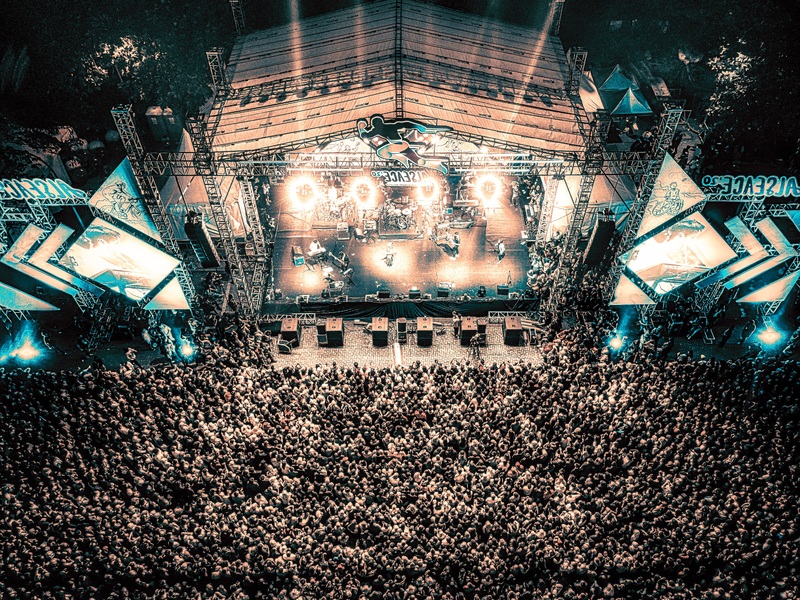
If you're seeing Rod Stewart all over your feed again, you're not imagining it. The buzz around Rod Stewart shows, possible new dates, and setlist talk has quietly turned into a full-on obsession for rock and pop fans who refuse to let the classic era go quietly.
Whether you're a lifelong fan who wore out your vinyl copy of Every Picture Tells a Story or a younger listener who found him through TikTok edits of Da Ya Think I'm Sexy?, there's one place everyone keeps checking for what's actually official:
Check the latest official Rod Stewart tour dates and updates here
Right now, the conversation isn't just, "Is Rod still touring?" It's: What era will he lean into? Who can even afford tickets? And will this finally be the run where he retires the leopard-print suits… or doubles down on them?
The Backstory: Breaking News in Detail
In 2026, Rod Stewart exists in that rare zone where legacy status and active touring overlap. He's not just a nostalgia act; he's a working frontman who still wants to play to real crowds, with real bands, in real arenas and theaters. Recent interviews in major outlets have circled around one central topic: how much longer he wants to keep doing the big tours.
Over the last couple of years, Rod has been talking more openly about pacing himself. He's hinted at shifting away from heavy rock touring into more of a big-band, standards, and selective-shows approach. That doesn't mean he's quitting the hits – it just means the format might change. One UK interview had him stressing that he doesn't want to be “that guy onstage past his sell-by date,” but in the same breath he described the rush of walking out to tens of thousands of fans singing Maggie May louder than the PA.
Here's where it gets interesting for you as a fan: even without daily blow-by-blow breaking news, the official tour hub still updates with new cities, rescheduled dates, and extra nights when something sells out. Some recent cycles have seen a mix of:
- Large arenas in major US cities – think New York, Los Angeles, Chicago, Dallas.
- UK & European arena and stadium stops – London, Glasgow, Dublin, Berlin, Amsterdam.
- More intimate theater-style shows or residencies, especially when he focuses on his Great American Songbook material.
Typical patterns: announcements roll out in waves. First comes a batch of UK/Europe dates, then a US run, then add-ons in markets where sales spike. For many fans, that means hitting refresh on the official site and email lists rather than assuming "no news" equals "no shows."
Why now? Two things are pushing this wave of attention. One is generational: Gen Z and younger millennials have been digging backward into catalog artists, and Rod Stewart is algorithm gold – raspy hooks, choruses you can belt, and a surprisingly emotional ballad game. The other is simple: the phrase "farewell" has been floating around his name enough to make people nervous. Any hint of "this might be the last time in my city" sends demand through the roof.
Even when he talks about slowing down, he also talks about "still having a lot of singing left" in him. So for now, the impulse is clear: while he's still willing to get on a tour bus or a plane, fans want to be there – and they want to know what kind of show they're getting in 2026.
Ticket prices are another part of the story. In US arenas, recent Rod Stewart tours have seen a wide spread: upper-bowl seats at relatively accessible prices, mid-tier options for fans who want a solid view without going broke, and VIP/close-floor packages that climb into premium territory. UK and European shows follow the same logic: there are usually ways in for casual fans, but hardcore supporters and late buyers often find themselves paying steep prices on the secondary market.
All of this makes the "breaking news" less about one single headline and more about a moving, living situation: small tweaks to setlists, extra dates squeezed in, and the constant push-pull between "this might be the last big run" and "actually, let's add another city."
The Setlist & Show: What to Expect
If you're trying to decide whether to grab tickets, the first question is obvious: what songs will you actually hear? Recent Rod Stewart tours have leaned into a carefully balanced setlist that hits every era people care about, with just enough curveballs to keep it interesting.
From fan-reported setlists over the last touring cycles, some staples are almost guaranteed to show up:
- Maggie May – the one everyone waits for, often a late-set or encore moment.
- Da Ya Think I'm Sexy? – huge, flashy, and usually turned into a full-on disco-rock party.
- Sailing – a soaring singalong that hits especially hard in UK and European shows.
- Forever Young – emotional for older fans and eerily relatable for younger ones.
- Tonight's the Night (Gonna Be Alright) – sultry, playful, and a reminder of just how many radio hits he's had.
- Have I Told You Lately – an emotional high point, often with phones-in-the-air vibes.
- The First Cut Is the Deepest – another big crowd-chorus moment.
On top of that, expect a few nods to his Faces days and early solo output. Tracks like Stay with Me or Every Picture Tells a Story sometimes sneak in, giving older rock fans that rawer, pub-rock edge they still crave. He also loves a good cover, and in past tours he's folded in everything from soul classics to rock 'n' roll standards.
The vibe of the show has two sides. On one hand, you get the slick production: big screens, polished arrangements, the kind of lighting you expect from someone who can sell out arenas on name alone. On the other hand, Rod still leans into that loose, cheeky frontman persona – kicking footballs into the crowd, cracking jokes about getting older, working the edges of the stage like it's still the 70s.
Musically, don't expect a quiet, sit-down affair unless a specific show is marketed as an orchestral or Songbook-style night. Standard Rod Stewart tours still rock. The band is tight, often packed with a horn section and backing vocalists, and the arrangements are built to fill big rooms while leaving enough space for his voice to cut through.
What fans have noticed in recent years is how carefully he paces his set. Big, high-energy openers get people on their feet early – songs like Young Turks or Infatuation have been known to pop up near the top. Then he'll slide into a mid-show ballad stretch: Reason to Believe, Have I Told You Lately, maybe a Songbook-style crooner moment, before ramping back toward the dancefloor anthems and bar-band rockers.
Vocally, Rod isn't trying to out-sing his younger self – and that's a good thing. The rasp is still there, but he's more selective about when he pushes and when he lets the crowd take over. You'll hear that on choruses where he steps back and lets tens of thousands of voices carry the hook. Fans reporting from recent dates frequently mention how emotional those moments feel, especially on songs that have been played at weddings, funerals, and life milestones across generations.
For you, the takeaway is simple: if you're going to a Rod Stewart show in 2026, you're getting a career-spanning set built for maximum recognition. Deep cuts are bonuses, not the core. This is a show designed to make casual fans scream, "I forgot he did this one too!" every 10 minutes – and to give die-hards just enough rare moments to feel like they've seen something special.
What the web is saying:
Rumor Mill: What Fans Are Speculating
Even when official announcements move slowly, the fan chatter never stops. On Reddit threads and TikTok comment sections, Rod Stewart fans are running with a few recurring theories and hot takes.
1. "Is this the last big tour?"
This is the dominant narrative. Some fans interpret every comment about "slowing down" as a coded farewell, especially in the UK where legacy artists often bill runs as "last ever" in certain cities. Others push back, pointing out that he's floated similar thoughts before and then gone right back on the road because he misses it.
The truth likely sits in the middle: you shouldn't assume he'll keep doing full-scale world tours for another decade, but you also shouldn't be shocked if he keeps booking selective runs and residencies. On Reddit, fans often phrase it like, "I'm going because I don't want to risk missing my last chance in my city."
2. Will he lean more into the Songbook era live?
Another fan debate centers on how much of his Great American Songbook and crooner material he should include. Some die-hards want pure rock and 70s/80s hits; others discovered him through the standards albums and would love a full orchestra tour. TikTok clips from past shows where he slides into jazzier or swing arrangements tend to go unexpectedly viral – partly because they collide with people's mental image of him as a rock rooster in tight pants.
This leads to speculation that any newly announced shows might come in themed formats: one run for the rock hits, another for the classics and ballads, maybe even a venue-specific concept like a Las Vegas residency or a series in historic theaters.
3. Surprise guests and cross-generational collabs
Fans online are also obsessed with the idea of Rod inviting younger acts or surprise guests onstage. Names that pop up in fan wishlists range from contemporary UK pop stars to rock icons who shared stages with him back in the day. It's mostly wishful thinking, but the pattern of legacy artists teaming up with Gen Z and millennial favorites keeps the speculation alive.
4. Ticket prices and "dynamic pricing" drama
Like every major artist touring in the 2020s, Rod isn't immune from ticket backlash. Threads on r/music and r/popheads regularly mention frustration with fees, VIP upcharges, and dynamic pricing spikes. Some fans argue that he's worth it because he still brings a full band, huge production, and decades of hits. Others vent about being priced out of decent seats and having to settle for nosebleeds or live streams.
That feeds into a growing trend: fans sharing strategies for getting in cheaper – waiting for late drops on face-value tickets, using official fan clubs for presale codes, or targeting non-major markets where prices can be slightly lower.
5. Deep cut dreams
There's a softer, more nerdy side of the rumor mill too: setlist fantasies. Fans love to post "dream Rod Stewart 2026 setlists" featuring underplayed songs like Mandolin Wind, You Wear It Well, Cut Across Shorty, or lesser-known album tracks. Every time he does dust off a deep cut, it sends corners of Reddit into mini-celebrations, with posts like, "He actually played it – I can die happy now."
All of this speculation doesn't mean any specific rumor is guaranteed. But it does tell you something important: Rod Stewart isn't a museum piece. Fans are still emotionally invested in what he does next, not just what he did decades ago. That's why every small piece of news, every new date on the official tour page, and every surprise song choice feels like a big deal online.
Key Dates & Facts at a Glance
Because details move fast, always verify the latest on the official website. But here's the kind of information fans usually track when planning a Rod Stewart year:
| Type | Region | Typical Timeframe | Notes |
|---|---|---|---|
| Tour Announcements | US & Canada | Staggered across the year | Major arenas in cities like NYC, LA, Chicago, Toronto often announced in waves. |
| Tour Announcements | UK & Europe | Spring & Summer focus | London, Glasgow, Dublin, plus select European capitals; stadium or arena scale. |
| Residency / Limited Run | US or UK | Varies by year | Occasional theater or residency-style shows, often with more ballads or Songbook material. |
| Typical Set Length | Global | Approx. 90–120 minutes | Career-spanning hits with a mix of rock, ballads, and occasional covers. |
| Price Range (Face Value) | US & UK | Varies by city & venue | Upper tiers often more affordable; VIP and floor can be premium-priced. |
| Classic Hit Era | Albums | 1970s–1980s | Every Picture Tells a Story, Atlantic Crossing, Foot Loose & Fancy Free, Out of Order. |
| Songbook / Standards Era | Albums | 2000s | Series of Great American Songbook releases showcasing classic jazz and pop standards. |
FAQ: Everything You Need to Know About Rod Stewart
Who is Rod Stewart, in 2026 terms?
Rod Stewart isn't just "that guy your parents loved." In 2026, he's a rare crossover constant: a British rock and pop icon whose career stretches from the late 1960s all the way into the streaming era. He came up singing with The Jeff Beck Group and Faces, then exploded as a solo artist with songs like Maggie May and You Wear It Well. Over the decades he's shapeshifted through folk-rock, glam, disco-tinged pop, slick 80s anthems, and lush ballads, plus a late-career pivot into standards with his Great American Songbook albums.
In 2026, he occupies the same cultural space as artists like Elton John or the Rolling Stones: a living pillar of classic rock and pop who still draws multi-generational crowds. But unlike some of his peers, he's leaned into both sides of his personality – the raspy rocker and the suited-up crooner – which keeps his shows unpredictable enough to feel current.
What kind of show does Rod Stewart put on?
A Rod Stewart concert is not a quiet heritage act performance. Expect loud, bright, and theatrical energy. There's usually a full band with guitars, keys, drums, bass, horns, backing vocalists, and sometimes strings or additional players depending on the tour concept. He mixes high-energy rockers with slower, emotional ballads, often using visuals and lighting to shift the mood from club-night chaos to stadium-wide nostalgia.
He still moves. You'll see the signature mic-stand swagger, football kicks into the audience when the venue allows it, and a constant feedback loop with the crowd. Fans describe his shows as "big night out" energy: lots of singalongs, couples dancing in the aisles, parents and kids screaming the same chorus, and that slightly unruly feeling of classic rock filtered through modern production.
Where can you actually see Rod Stewart live?
The exact cities change with each touring run, but historically you can expect:
- US & Canada: Major arenas (Madison Square Garden in New York, crypto.com Arena in Los Angeles, United Center in Chicago, etc.), plus select secondary markets when schedules allow.
- UK: Big London dates (The O2, stadiums during summer), plus crucial stops in Glasgow, Manchester, Birmingham, and often additional cities in England, Scotland, and Wales.
- Europe: Key capitals and large markets like Dublin, Berlin, Amsterdam, Paris, and others depending on routing.
- Special runs: Occasional residencies or themed shows, which might lean more heavily into his Songbook work or stripped-down arrangements.
The fastest way to know where he's actually booked – rather than where fans wish he'd appear – is the official tour page, which lists confirmed dates, venues, and ticket links.
When does he usually tour?
There isn't a single fixed "Rod Stewart season," but past years show some patterns. Spring and summer are prime for UK and European shows, including outdoor dates and festivals. Late spring through fall is common for North American runs, when arenas and amphitheaters are wide open for big-name tours.
That said, he also loves a good winter or holiday-timed show, especially indoors. Residencies or limited series, if they pop up, can land almost any time of the year, particularly in cities like Las Vegas or London where that format fits naturally.
If you're planning travel around seeing him, it makes sense to:
- Sign up for mailing lists or alerts from the official site and major ticketing platforms.
- Watch for staggered announcements – he may add new legs or extra nights later.
- Check local venue calendars, which sometimes hint at upcoming bookings before they're widely promoted.
Why are fans so emotional about seeing him now?
Part of it is simple math: Rod Stewart has been soundtracking people's lives since the early 70s. For older fans, his songs are tied to first loves, breakups, cross-country moves, and everything in between. For younger fans, these songs often arrived through parents, movies, or algorithmic playlists – so seeing him live feels like watching a legend step out of the playlist and onto an actual stage.
The other reason is time. When artists start talking openly about not wanting to stay on the road forever, fans go into "now or never" mode. Every year he still tours feels like borrowed time in the best way – a chance to catch a voice and a catalog that won't pass this way again. That urgency is why ticket discussions get so intense online, and why setlist debates feel so personal.
What should you expect to pay for tickets?
Exact prices depend on city, venue, and country, but here's the general shape based on recent tours:
- Upper levels / nosebleeds: Often the most accessible price point, especially if you just want to be in the building and don't care about being close.
- Lower bowl / mid-tier: A sweet spot for many fans – decent view, not as punishing as VIP packages.
- Floor / VIP / packages: Premium territory, especially near the stage. These can climb quickly, and add-ons like early entry or merch bundles can increase the total.
Fees and dynamic pricing can push numbers up once demand spikes, which is why fans in online communities constantly swap strategies: using presales, buying the moment tickets go live, or in some cases waiting until closer to the date in hopes of last-minute drops. If you're price-sensitive, looking at shows in non-capital cities or on weekdays can sometimes make a difference.
Why do his setlists matter so much to fans?
Rod Stewart's catalog is so deep that no single show can hit everyone's perfect list. That creates constant tension – in a good, passionate way. Some fans want the early 70s folk-rock storytelling of Mandolin Wind and Every Picture Tells a Story. Others come for the 80s power ballads and MTV-era hits like Young Turks and Baby Jane. Then you have people who fell in love with Have I Told You Lately and the Songbook records and just want to cry in a nice outfit.
Every time a new tour starts, fans jump online to analyze the first-night setlist like it's a season premiere. Which eras is he favoring? Which songs are back after years away? What got cut? That's why it's smart to glance at recent setlists before you go – not to spoil the surprise, but to get a realistic sense of the show you're walking into.
Is it still worth seeing Rod Stewart if you're a younger fan?
If you only know two or three songs, you might wonder if this is "your" concert. The answer from fans across Reddit and TikTok is basically: yes, if you're even half-curious. The energy in the room is multi-generational in a way few modern tours can match. You'll see parents who grew up with him, grandparents who remember the early days, and younger fans in streetwear screaming the choruses like they came out last year.
It's also a crash course in pop and rock history. Seeing someone who has lived through multiple eras of the music industry – and is still charismatic enough to sell out big rooms – hits differently than watching a vintage clip. As long as he's still onstage, the "should I go?" question is really just "how much are you willing to spend to say you were there?"
Hol dir den Wissensvorsprung der Aktien-Profis.

Seit 2005 liefert der Börsenbrief trading-notes verlässliche Trading-Empfehlungen – dreimal die Woche, direkt ins Postfach. 100% kostenlos. 100% Expertenwissen. Trage einfach deine E-Mail Adresse ein und verpasse ab heute keine Top-Chance mehr.
Jetzt abonnieren.


