Psychedelic Rock vs Post Punk: Mystery Art Orchestra
05.04.2026 - 11:45:46 | ad-hoc-news.de
Every few years, guitar music is declared "finished"—and then a new wave of bands quietly rewrites the rules again. Genres that once sounded like fixed historical moments, such as psychedelic rock in the late 1960s or post punk at the turn of the 1980s, return in altered form, filtered through new technology, different social conditions, and changing listening habits. Today, a younger generation raised on streaming algorithms and deep?cut playlists is revisiting those reference points with a different kind of freedom. Instead of choosing sides between shoegaze, post punk, dream pop, or psychedelic explorations, many bands combine elements from each world.
Mystery Art Orchestra sit directly in that conversation. At their core, they are a post punk band: sharp-edged bass lines, dry and propulsive drums, vocals that lean more toward narration than traditional rock heroics. But wrapped around that engine is a patient, atmospheric approach drawn from psychedelic rock—reverb-drenched guitars, slow?blooming synths, and a focus on mood that sometimes feels closer to cinema than to the classic three?minute single. To understand why this combination feels both familiar and new, it helps to look at how psychedelic rock and post punk came into being in the first place.
Tracing the Roots: Psychedelic Rock and Post Punk Explained
Psychedelic rock first crystallized in the mid?1960s, roughly between 1965 and 1969, as rock musicians tried to mirror altered states of consciousness through sound. The term "psychedelic" was already associated with experiments in visual art and countercultural writing; bands began asking what that sensibility might mean for amplification, song structure, and studio production.
Musically, early psychedelic rock took the basic building blocks of rock & roll—guitars, bass, drums, and voice—and stretched them in every direction. Songs grew longer, sometimes breaking the three?minute radio format in favor of extended instrumental sections. Guitars were run through fuzz pedals, tape echo, and experimental mic setups. Engineers used tape loops, reverse recording, phasing, and extreme panning to create a sense of disorientation or expanded space. The studio became an instrument in itself, not just a neutral room for documentation.
Thematically, psychedelic rock tended to look outward and inward at the same time. Lyrics touched on mysticism, sensory overload, and what we might now call "inner journeys". The connection to psychedelic drugs was real, but what mattered more musically was the goal of translating subjective experience into sound. Riffs could dissolve into drones; percussion might lock into hypnotic, repetitive patterns influenced by Indian classical music or free jazz. For many listeners, this music offered an escape from the rigid norms of mainstream culture, both in its subject matter and in its willingness to disrupt radio?friendly formulas.
By contrast, post punk emerged in the late 1970s as a reaction not just to mainstream rock, but also to punk itself. Punk had pushed rock back toward stripped?down immediacy: fast tempos, shouted vocals, and a sense of confrontation. But within a few years, some musicians felt that punk’s rawness had hardened into a new set of clichés. Post punk kept the DIY attitude and the social critique of punk, but opened the door to a much wider set of influences: dub, disco, funk, experimental electronics, spoken word, and minimalism.
Where psychedelic rock often reached for expansive soundscapes and cosmic language, post punk tended to look at the immediate environment: grey city streets, surveillance, alienating workplaces, nightlife, and interpersonal tension. The production choices reflected that shift. Instead of lush stereo reverbs and swirls of tape manipulation, many post punk records sound almost dry, as if the microphones were pushed right up against each instrument in a small rehearsal room. That clarity made rhythmic details stand out. Bass lines moved to the front of the mix, carrying the melody as much as the guitar. Drums were often tightly tuned and recorded with little ambience, giving every snare hit a clipped, almost mechanical quality.
The guitar language changed as well. Psychedelic rock leaned heavily on sustained notes, feedback, and lengthy solos; post punk favored short, angular patterns, often played high on the neck and drenched not in echo but in chorus or a brittle, biting overdrive. Instead of filling all the available space with sound, many post punk arrangements intentionally left gaps. Silence became part of the groove. Vocals shifted from emotive wailing to something closer to spoken commentary, half?sung and half?recited, as if the singer were delivering a dispatch from the edge of a nervous breakdown.
Both genres, however, share deeper structural similarities. They grew out of periods of social tension and cultural questioning. Psychedelic rock aligned with the counterculture of the 1960s, anti?war protests, and a sense that conventional reality was up for renegotiation. Post punk took shape during economic crises, urban decay, and the aftermath of the first wave of punk; it channeled disillusionment with political institutions, media, and consumer culture. In each case, musicians used sound to process a sense that the world had tilted off its axis.
Even when their textures diverged—one drenched in colourful effects, the other often monochrome and severe—psychedelic rock and post punk shared an interest in expanding what rock could be. Both questioned linear song structures. Both invited influences from outside the Anglo?American mainstream. And both encouraged listeners to think of the studio as a laboratory rather than a simple recording booth. This is the lineage that many contemporary bands are drawing from, whether they realize it or not, and it forms the backbone of what a group like Mystery Art Orchestra are doing now.
A Modern Synthesis: The Sound of Mystery Art Orchestra
Mystery Art Orchestra approach that shared history with a distinctly modern ear. If you strip their tracks down to rhythm section and voice, what remains is recognizably post punk: tight drum patterns, bass lines that move with a sense of restless momentum, and vocals that often feel like inner monologue set to a pulse. The tempos tend to sit in a mid?range sweet spot—fast enough to convey urgency, but measured enough to leave room for detail. There is an emphasis on repetition and groove rather than on flashy soloing.
Listen closely to how their bass interacts with the drums and you hear a clear understanding of post punk’s core mechanics. The kick and bass often lock into simple but effective patterns, creating a platform that can support more abstract elements on top. Snares and hi?hats are articulated with precision, sometimes pushing slightly ahead of the beat to add tension, sometimes sitting just behind it for a sense of drag. This rhythmic bed keeps the songs grounded even when the rest of the arrangement starts to blur at the edges.
It is in those edges that the influence of psychedelic rock becomes most apparent. Rather than layering distortion merely for aggression, Mystery Art Orchestra use reverb, modulation, and ambience to create a sense of spatial depth. Guitars may start from a classic post punk motif—staccato chords, a chiming octave pattern—but their tone often blooms outward, trailing delays or subtle pitch modulation that suggests distance. Synthesizers and sampled textures do not chase retro synthwave stylings; instead, they serve as sustained pads, swells, or distant noises that slowly shift behind the main arrangement, closer to the role that organs or mellotrons played in late?60s experimental rock.
Their songs generally avoid the fully open?ended jams associated with some classic psychedelic recordings; this remains concise songwriting. But within three or four minutes, there is a sense of gradual evolution. A guitar part might arrive only in the second verse, a low?passed synth might rise into clarity as a chorus repeats, or background vocals might gain prominence toward the outro. These movements give the tracks a cinematic feel without abandoning post punk’s focus on rhythm and structure.
Lyrically, Mystery Art Orchestra lean toward introspective and slightly uncanny imagery. Instead of overt political slogans or abstract surrealism, they often describe familiar spaces—late?night public transport, empty stairwells, fluorescent?lit offices—and then tilt them just enough to feel dreamlike. This pairing of concrete urban details with a loosened sense of reality aligns neatly with their musical strategy: the physicality of post punk rhythms undercut by the drifting perspective of psychedelic sound design.
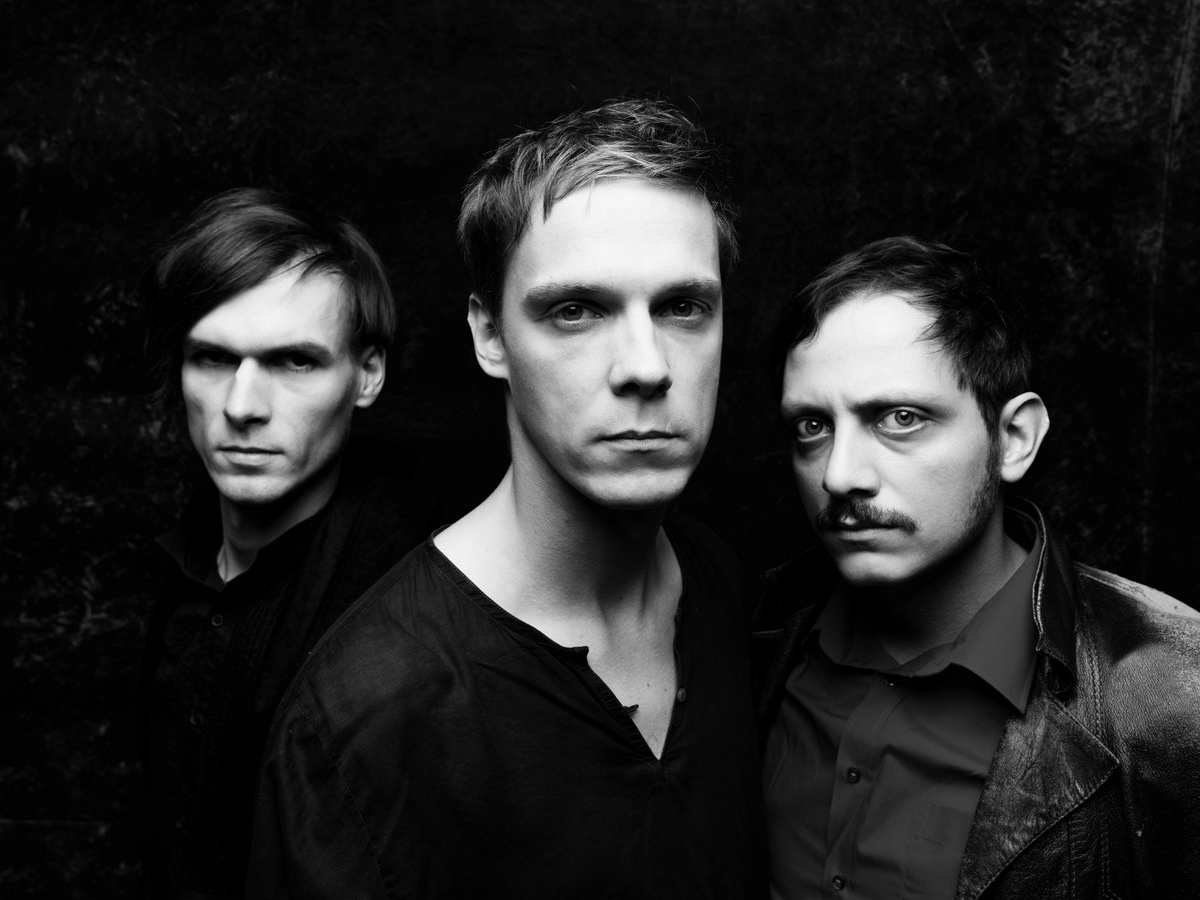
Visually and aesthetically, early live photos and artwork associated with the band suggest a careful control of mood rather than shock value. Muted colour palettes, grainy textures, and relatively simple typography point back to the late 1970s and early 1980s, but without direct copying. Instead of nostalgia for its own sake, the group seem interested in how those historical aesthetics can be repurposed to echo current anxieties: isolation behind screens, constant low?level surveillance, climate uncertainty. Their name—Mystery Art Orchestra—hints at a collective mindset, as if the band is more a loose ensemble or a project than a vehicle for a single frontperson’s persona.
This balance between clarity and ambiguity, structure and atmosphere, is what makes their approach feel coherent. Mystery Art Orchestra are not simply alternating between a "post punk" song and a "psychedelic" song. They are using the discipline of one form to keep the other from floating away into vagueness, and using the spaciousness of psychedelic techniques to keep post punk’s intensity from hardening into repetition for its own sake.
Current Releases and Live Performances
For a band working so consciously with texture and space, the live setting can be either a challenge or an opportunity. In Mystery Art Orchestra’s case, it functions as both. On stage, the band tend to foreground the post punk side of their identity: drums are punchier, bass lines are more aggressive, and the vocals carry a bit more drive than on record. The psychedelic elements remain, but they become more about strategic surges of sound—sudden washes of reverb, looping delays, or droning synths that rise and fall between verses—rather than constant ambience.
Fans following their touring activity will find the most reliable information on upcoming shows and festival appearances on the Mystery Art Orchestra Homepage. The site typically lists tour dates, venue details, and occasional notes about support acts or special sets. For listeners who discovered the band via streaming and are curious how these layered studio productions translate to a club, this page functions as a practical entry point.
Beyond the stage, Mystery Art Orchestra have embraced a mixed release strategy that reflects how many independent artists operate today. Digital streaming remains unavoidable, but there is a parallel resurgence of interest in physical formats, especially vinyl and limited?run CDs. The band make use of platforms like Bandcamp not only for digital downloads, but also as a hub for ordering LPs, CDs, and sometimes merch directly from the source. Their profile at Mystery Art Orchestra on Bandcamp illustrates this approach. Buyers can stream full tracks in decent quality before committing, read liner?note style descriptions, and, importantly, know that a larger portion of their payment goes straight to the artists compared with many mainstream services.
This direct?support model has reshaped how bands like Mystery Art Orchestra think about albums and singles. Limited vinyl runs encourage more deliberate track sequencing and artwork, because each release becomes an object in someone’s collection rather than a fleeting appearance on a playlist. Meanwhile, single tracks and videos continue to function as first points of contact for new listeners.
That is where their recent single "Going Under" comes into focus. The track, accompanied by a video available via Watch "Going Under" on YouTube, serves as a concise statement of their current direction. "Going Under" opens with a dry, insistent drum pattern and a bass line that circles a narrow set of notes, immediately placing the song within a post punk framework. The vocal enters not as a shouted declaration but as a reserved, slightly weary narration, almost as if the singer is describing events in real time rather than recounting them later.
As the verses progress, layers of guitar and synth seep into the mix. Instead of dominating, they hover at the edges, building a sense of pressure. By the time the chorus arrives, the harmonic palette widens; chords ring out longer, and background vocals or treated vocal echoes create a faint halo around the main line. It is here that the psychedelic element becomes most apparent: the harmonic centre of the song feels as if it starts to wobble, even though the rhythm section keeps its grip. The effect is less about virtuosic display and more about altering the listener’s perception of space within the song.
The video for "Going Under" complements this approach. Without relying on heavy visual effects, it uses careful framing, muted colours, and repeated motifs—corridors, stairwells, reflections in glass—to mirror the track’s sense of slow descent. Cuts are timed closely to drum hits and bass accents, maintaining the music’s rhythmic precision while the imagery feels slightly detached. In an era where music videos often lean on shock or rapid editing to capture attention, this measured pacing stands out.
Critically, "Going Under" works because it neither romanticizes despair nor trivializes it. The lyrics suggest a struggle with overload and emotional fatigue, but the arrangement never collapses into chaos. Instead, it sustains a tension between forward motion and internal spiraling. That approach resonates with many listeners navigating contemporary life: the feeling of carrying on with routines while a quieter, more anxious soundtrack plays under the surface.
Community Discussion & Reviews:
Audience Reception and the Independent Music Scene
Mystery Art Orchestra’s blend of post punk and psychedelic influences fits neatly into the current independent landscape, where genre boundaries feel more porous than ever. Younger listeners, in particular, often discover music via algorithmically generated playlists that place 1980s deep cuts next to brand?new releases, noise?rock experiments next to ambient tracks. In that context, a band that draws on multiple historical moments without strict allegiance can feel naturally at home.
Early audience responses to Mystery Art Orchestra tend to highlight two areas: atmosphere and rhythm. Some listeners gravitate toward the sense of space in the recordings—the way guitars and synths suggest a larger environment beyond the immediate chord progression. Others focus on how danceable, or at least physically compelling, the drums and bass feel, even when the overall mood is introspective. This dual appeal helps the band cross small but meaningful boundaries: their tracks can appear both on darker, club?oriented playlists and on more contemplative, late?night listening mixes.
Within independent music circles, there is also a growing appreciation for bands that work carefully with production details without losing the rawness that made post punk appealing in the first place. Mystery Art Orchestra sit somewhere between lo?fi austerity and glossy studio polish. Their recordings sound intentional and balanced, but not over?processed. Vocals retain small imperfections and breaths; guitar parts sometimes include incidental noise when switching pedals or moving on the fretboard. This choice can encourage trust from listeners who are wary of overly edited, quantized sound.
Community growth around the band appears to be organic rather than manufactured. Instead of explosive viral moments, they seem to be building a following through consistent releases, word?of?mouth recommendations, and live shows that leave enough of an impression for people to bring friends next time. This slower trajectory has advantages: audiences who arrive via personal recommendation or repeated exposure are more likely to engage deeply—with full albums, with lyrics, with physical releases—rather than treating the music as background noise.
Their presence on platforms like Bandcamp also shapes how they are perceived. In that ecosystem, fans are accustomed to paying directly for downloads and physical editions, reading detailed liner notes, and interacting with artists through messages or mailing lists. When Mystery Art Orchestra release a new EP or LP there, the comments often read less like quick social?media reactions and more like miniature reviews or listening diaries. For a band interested in building a long?term relationship with their audience, this kind of engaged feedback is invaluable.
Culturally, their approach taps into a broader fascination with liminal moods: not pure despair, not uncomplicated optimism, but a kind of searching unease. This is a throughline in much contemporary media, from television scores to indie films, and it aligns with how many listeners describe their everyday emotional state. Music that acknowledges that ambiguity, while still offering the grounding force of rhythm and structure, can feel especially relevant.
At the same time, Mystery Art Orchestra’s interweaving of post punk and psychedelic elements situates them within a long continuum rather than as an isolated phenomenon. Listeners who start with the band may work backwards to discover earlier eras of guitar?based experimentation, deepening their understanding of how sounds and ideas travel across generations. Conversely, older fans familiar with classic post punk or psychedelic records can hear traces of those histories in a modern context, noting how production tools, distribution channels, and audience expectations have changed.
This cross?generational conversation is part of what keeps independent music scenes vibrant. A band like Mystery Art Orchestra does not need to reinvent the concept of rock to feel worthwhile; instead, they participate in an ongoing dialogue, adjusting familiar ingredients to reflect present?day concerns and technologies. Their reception so far suggests that many listeners are eager for precisely this kind of thoughtful, hybrid approach.
Frequently Asked Questions
Who are Mystery Art Orchestra, and where are they from?
Mystery Art Orchestra are a contemporary post punk band with strong atmospheric and psychedelic leanings. While specific biographical details are often kept intentionally low?key in their public materials, the group present themselves as a collective unit rather than as a personality?driven project. This aligns with a broader post punk tradition, where the focus falls more on the interplay between instruments and the overall mood than on individual celebrity. Their origin is rooted in the kind of urban environment that shapes much post punk: late?night transport, industrial edges, rehearsal spaces tucked into older buildings. That sense of place filters into their lyrics and arrangements, even when they avoid naming cities outright.
How would you describe Mystery Art Orchestra’s sound in simple terms?
For listeners new to genre vocabulary, one straightforward description would be: rhythmic, moody rock songs with a strong bass presence and spacious, echoing textures. The drums and bass often carry a pattern that invites head?nodding or subtle movement, while guitars and synths create a halo around that core. Vocals are usually clear and relatively unprocessed, leaning toward a half?sung, half?spoken style. If you imagine the directness of late?1970s post punk combined with the atmospheric layering of certain 1960s and 1970s psychedelic records—and then filtered through modern production tools—you arrive close to the band’s signature sound.
What sets Mystery Art Orchestra apart from other post punk revival bands?
Over the past decade, many bands have revisited post punk’s sonic palette: chorus?heavy guitars, driving bass lines, monotone or detached vocals. Mystery Art Orchestra share some of those traits, but their integration of psychedelic elements is more than superficial decoration. Instead of throwing reverb onto everything, they use space selectively. Some components of a track are almost completely dry, which makes the more expansive sounds feel intentional when they arrive. Their arrangements also show a patient sense of build, with new layers introduced gradually rather than all at once. This compositional approach, paired with lyrics that favour subtle psychological nuance over blunt slogans, helps them avoid the sense of mere pastiche.
Where should a new listener start with their music?
A practical entry point is their single "Going Under", especially accompanied by the video at Watch "Going Under" on YouTube. The track encapsulates many key aspects of their style: the interplay of tight rhythm section and atmospheric guitar, the controlled vocal delivery, and the gradual expansion of texture across its runtime. From there, exploring their releases chronologically on streaming platforms or via Mystery Art Orchestra on Bandcamp can show how their sound has evolved. Bandcamp, in particular, often presents full EPs and LPs with artwork and notes, giving additional context that can deepen the listening experience.
Do Mystery Art Orchestra release full albums, or mainly singles and EPs?
Like many independent artists navigating the current music economy, Mystery Art Orchestra balance different formats. Singles function as accessible entry points, especially when paired with videos and social?media promotion. EPs allow them to explore a particular mood or concept across several tracks without the logistical weight of a full album cycle. At the same time, the band clearly value longer?form releases; their work with physical formats, documented via resources such as Mystery Art Orchestra on Bandcamp, suggests attention to sequencing, artwork, and cohesion. For listeners who appreciate full?album immersion, these longer releases offer a more complete sense of the band’s range.
How important are live performances to understanding the band?
Live shows are a significant part of how Mystery Art Orchestra communicate their identity. On record, careful production choices and layered arrangements play a major role. On stage, some of that layering is recreated through pedal work, synths, and samplers, but there is also an increased emphasis on physical impact. The drums hit harder; the bass may be mixed more prominently; vocals can show more dynamic range. For many fans, seeing the band in a venue clarifies just how central the rhythm section is to their sound, and how the atmospheric components are built in real time rather than simply imported from a studio session. Those interested in experiencing this side of the band can check the Mystery Art Orchestra Homepage for current tour dates and performance news.
How can listeners best support Mystery Art Orchestra?
For independent bands, sustained support often matters more than quick spikes of attention. Listening on major streaming platforms helps with visibility, but purchasing music directly—particularly through channels that prioritize artist revenue—has a more immediate impact. Buying digital downloads, vinyl, or CDs from Mystery Art Orchestra on Bandcamp ensures a larger share of the payment reaches the band. Attending shows, bringing friends, and sharing music organically—through personal recommendations, playlists, or thoughtful comments—also contribute to a healthier ecosystem. Finally, engaging respectfully with the band’s work online, whether via video platforms like Watch "Going Under" on YouTube or through community discussion spaces, helps create a feedback loop that can guide future artistic choices.
How does Mystery Art Orchestra fit into the broader history of genre?blending rock?
While their particular combination of post punk immediacy and psychedelic atmosphere feels timely, Mystery Art Orchestra operate within a longer tradition of bands refusing to sit comfortably inside a single category. Since the late 1960s, artists have been folding experimental textures into rock frameworks, experimenting with repetition, minimalism, and non?Western influences. Post punk itself was already a form of hybrid music, bringing in dub, disco, and early electronic sounds. What distinguishes the current era is the ease with which musicians can access recordings from virtually any decade or scene within seconds; this creates a kind of compressed history that shapes how new projects are conceived. Mystery Art Orchestra’s music reflects that compressed history: it is aware of multiple pasts but anchored in the sonic expectations and listening practices of the present.
So schätzen die Börsenprofis Aktien ein!

Für. Immer. Kostenlos.