Psychedelic Rock vs Post Punk: Mystery Art Orchestra
27.03.2026 - 13:31:45 | ad-hoc-news.de
Music history rarely moves in a straight line. Styles fade from view, only to return in altered form when a new generation finds fresh meaning in old sounds. Psychedelic Rock and Post Punk both began as reactions against the musical status quo, shaped by specific eras, technologies, and political climates. Decades later, young bands are not simply copying those templates; they are recombining them, filtering familiar aesthetics through new production tools and current anxieties.
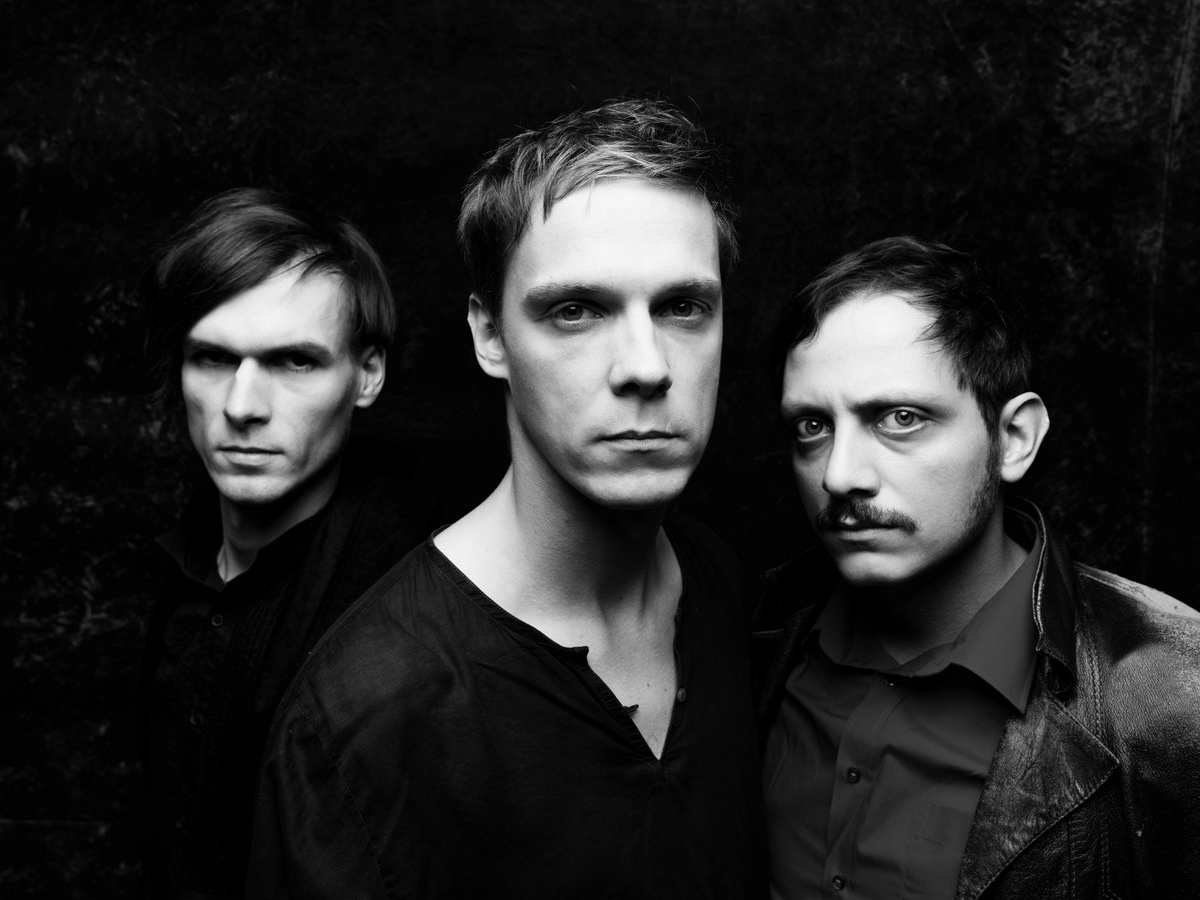
One of the more interesting current examples is Mystery Art Orchestra, a contemporary Post Punk band that treats Psychedelic Rock less as a costume and more as a toolkit. Instead of retro pastiche, they use atmospheric guitar work, spatial effects, and hypnotic repetition to expand the emotional range of a fundamentally rhythm-driven, bass-forward sound. To understand why their approach feels coherent rather than gimmicky, it helps to examine the histories of both genres and the ways in which their DNA can intersect.
Tracing the Roots: Psychedelic Rock and Post Punk Explained
Psychedelic Rock emerged in the mid-to-late 1960s, tied closely to countercultural movements, expanding consciousness, and a rejection of rigid social norms. Musically, it pushed rock away from straightforward verse–chorus structures and towards extended improvisation, studio experimentation, and a heightened focus on texture.
At its core, Psychedelic Rock values atmosphere and perception. Guitars often swim in reverb, delay, and fuzz. Organs, early synthesizers, and tape effects blur the line between instruments and pure sound. Drums may stretch into loose, almost trance-like patterns. The studio functions as an instrument: engineers flip tapes backwards, manipulate speeds, layer soundscapes, and explore stereo panning to create a sense of disorientation or expanded space.
Lyrically, psychedelic bands frequently explore abstract or surreal themes: altered states, cosmic imagery, and introspective journeys. This can manifest in free-associative writing, open-ended narratives, or symbolic language that resists literal interpretation. The goal is not clarity so much as suggestion—inviting the listener to project their own experiences onto the music.
Crucially, Psychedelic Rock’s expansiveness is both musical and cultural. As rock grew louder and more technically ambitious, the genre opened doors to longer album formats and concept-driven projects. The focus shifted from singles to full-length records that rewarded attentive listening, headphone sessions, and repeated play. Bands experimented with Eastern modalities, non-Western instruments, and unconventional song lengths, treating rock as a flexible framework rather than a fixed template.
Post Punk, which took shape in the late 1970s and early 1980s, emerged from a different set of frustrations. Punk had already challenged rock excess with speed, simplicity, and a DIY ethos. But within a few years, some musicians felt confined by punk’s narrow stylistic rules. Post Punk grew out of this tension: it carried punk’s critical attitude forward, while embracing a wider range of influences—dub, funk, avant-garde composition, and electronic music.
Where Psychedelic Rock leans outward and upward, Post Punk often focuses inward and downward. Bass becomes the center of gravity, locking in with drums to create insistent, angular grooves. Guitars slash more than they soar, using sharp stabs, dissonant intervals, or brittle arpeggios instead of big bluesy solos. Vocals can be detached, anxious, or confrontational, reflecting urban decay, political disillusionment, and personal alienation.
Sonically, Post Punk tends to be more minimal and rhythmically disciplined than Psychedelic Rock. Production is often dry and close-miked rather than washed-out or lush. Reverb is used sparingly to emphasize space and tension instead of dreaminess. This leanness is part aesthetic, part practical: early Post Punk was frequently recorded on modest budgets, which encouraged direct, unfussy approaches to tracking and mixing.
Both genres, however, share a crucial trait: they arose as counter-cultural responses. Psychedelic Rock pushed against conservative norms and commercial pop formulas, channeling a generation’s interest in alternative consciousness, anti-war activism, and communal experience. Post Punk, in turn, reacted not just to mainstream rock but to punk itself, critiquing both the stagnation of popular music and broader social structures through experimental yet tightly controlled songwriting.
They also share a fascination with mood as a primary musical objective. Psychedelic Rock aims to stretch time and immerse the listener in swirling sound fields; Post Punk strives to capture unease, urgency, or a sense of looming instability. These emotional goals are different but compatible. When a band understands how to borrow textural tools from psychedelia—echoes, drones, layered ambience—and apply them to Post Punk’s rhythmic skeleton, the result can feel both grounded and expansive.
Modern technology further blurs the boundaries. Bedroom producers now have access to digital delays, modular synth emulations, and multitrack software that once required full studio budgets. Younger musicians can study 1960s psych and 1980s Post Punk side by side, then apply those influences with precision rather than guesswork. Against this backdrop, bands like Mystery Art Orchestra are less concerned with strict genre allegiance and more interested in how particular techniques—chorused bass, motorik drum patterns, phaser-drenched guitars—affect the listener’s perception.
Understanding this lineage helps explain why their sound does not feel like an arbitrary mash-up. Psychedelic Rock and Post Punk may have grown from different eras and social conditions, but they share a commitment to pushing rock music beyond comfort zones—one through expansive exploration, the other through structural and emotional tension. Mystery Art Orchestra sit at that intersection, treating each tradition as a set of tools to be reshaped rather than rules to be obeyed.
A Modern Synthesis: The Sound of Mystery Art Orchestra
Mystery Art Orchestra operate first and foremost as a Post Punk band. Their core is built on assertive basslines, steady but restless drums, and guitar parts that emphasize contour over virtuosity. Yet they resist the temptation to freeze their sound in a specific past era. Instead, they use Psychedelic Rock elements to stretch their songs outward, leaving more air between the notes and allowing textures to evolve over time.
Rhythmically, their music often follows classic Post Punk logic: bass sits high in the mix, carrying both melody and drive. The lines tend to be repetitive but not static, gradually shifting accents or notes to build a quiet intensity. Drum patterns favor economy—tight hi-hats, sharp snare hits, kick drums that propel without excessive ornamentation. This pulsing foundation gives the band a stable frame onto which they can layer more exploratory sounds.
The psychedelic influence appears most clearly in their guitar work and overall sense of space. Instead of straightforward distortion, guitars may glide through delay trails or modulated effects, creating a shimmering halo around the rhythm section. Single-note riffs or sparse chords are left to decay into echoes, which become part of the arrangement. This approach can make even relatively simple progressions feel larger, as if the song extends beyond its immediate structure.
Synthesizers and ambient layers also play a supporting role. Rather than dominating the mix, they often appear as subtle drones, distant swells, or filtered noise, softening the edges of the more percussive elements. This allows the band to maintain the clarity and urgency associated with Post Punk while hinting at the hypnotic qualities of Psychedelic Rock. The result is a sound that feels both immediate and slightly out of reach, grounded but never entirely settled.
Vocally, Mystery Art Orchestra seem interested in narrative fragments and emotional specificity rather than generalized gloom. Their lyrics balance introspection with observational detail: city nights, static-filled screens, overheard conversations, and quiet moments of disconnection. This aligns with the Post Punk tradition of using everyday imagery to comment on broader social conditions, yet the delivery occasionally drifts into a more dreamlike mode, echoing the diffuse storytelling of psychedelic records.
Their aesthetic choices reinforce this hybrid identity. Visual materials associated with the band—cover art, social imagery, and video stills—often blend stark, high-contrast shapes with blurred, almost vaporous textures. It mirrors the music’s combination of sharp rhythm and diffuse atmosphere. They present themselves less as nostalgists and more as listeners who have studied different eras and extracted what still feels emotionally useful.
What sets Mystery Art Orchestra apart from more derivative revival acts is the sense of proportion in their arrangements. The psychedelic components never overwhelm the song’s structure; they are deployed in service of tension and release. A track might begin with a rigid drum pattern and dry bass, introducing reverb and delay only as the narrative intensifies. Conversely, a song could open in a wash of ambience, gradually tightening into a groove as vocals enter. This attention to pacing gives the music a cinematic quality without relying on bombast.
In a current musical environment where many independent bands gravitate either toward maximalist, effects-heavy production or extremely lo-fi minimalism, Mystery Art Orchestra occupy a middle ground. Their recordings are clear enough to highlight performance nuances yet retain a rawness that keeps the music from feeling overly polished. That balance—disciplined rhythm section, expressive but controlled guitar treatments, and a restrained production style—reflects a thoughtful engagement with both Post Punk and Psychedelic Rock, rather than a superficial adoption of aesthetic markers.
Current Releases and Live Performances
The live context is where their hybrid approach becomes most tangible. On stage, Mystery Art Orchestra reportedly favor tight, unfussy arrangements, allowing the interplay between bass, drums, and guitar to carry the energy. Effects pedals and ambient backing elements are used to shape transitions between songs, so that sets feel continuous rather than like a sequence of disconnected tracks. This mirrors the experience of classic psychedelic shows—where flow and immersion matter—yet maintains the concise song structures associated with Post Punk.
Fans tracking their upcoming shows and festival appearances can find updated information on the Mystery Art Orchestra Homepage. The site functions as a straightforward hub: tour dates, news on upcoming releases, and occasionally behind-the-scenes glimpses that contextualize their creative process. For a band operating firmly within the independent sphere, maintaining this kind of direct communication channel helps build trust and continuity with listeners who may have discovered them through word of mouth or algorithmic playlists.
In terms of recorded output, the band appear to recognize that different formats serve different listening habits. Streaming platforms provide easy access, but many fans in the Post Punk and Psychedelic Rock communities still favor physical media—not only for sound quality, but for the tangible connection to artwork, liner notes, and collectability. Mystery Art Orchestra address this by offering LP and CD editions of their releases through Bandcamp, where they maintain a dedicated page at Mystery Art Orchestra on Bandcamp.
Bandcamp’s model aligns well with the band’s approach: high-resolution downloads, transparent pricing, and the possibility of direct support from fans worldwide. Purchasing a record or CD there is not simply a nostalgia-driven act; it is a way of sustaining the infrastructure that allows bands like Mystery Art Orchestra to maintain creative control—choosing their own collaborators, artwork, and release schedules without external pressure to simplify or streamline their sound.
Their latest single, "Going Under", offers a concise summary of their strengths while hinting at future directions. Built around a steady, almost relentless bass figure, the track layers skeletal drums with a guitar line that oscillates between sharp, muted picking and wide, echoing chords. The arrangement is relatively lean, but the production makes effective use of stereo space: delayed guitar phrases ricochet between channels, and subtle synth textures swell in the background as the song progresses.
Vocally, "Going Under" occupies a middle ground between spoken-word detachment and melodic confession. The lyrics sketch a scenario of emotional overload and digital saturation—a sense of losing one’s grip not through dramatic external events, but through cumulative small pressures. Phrases repeat and slightly mutate, mimicking the mental loops that can accompany anxiety. Rather than resolving with a clear catharsis, the song concludes in a suspended state, the instruments holding a groove that never quite explodes or dissolves.
The accompanying video, accessible via Watch "Going Under" on YouTube, extends this theme visually. Instead of a narrative storyline, it relies on carefully edited fragments: silhouettes in harsh lighting, blurred cityscapes, flickering screens, and close-ups of performance. Color grading leans towards muted, cool tones, with occasional bursts of saturated light that match shifts in the music’s dynamics. The camera work avoids glossy perfection; small imperfections in focus or movement lend the clip a grounded feel that pairs well with the song’s emotional content.
As a whole, "Going Under" demonstrates how Mystery Art Orchestra use Psychedelic Rock techniques not as decorative flourishes but as structural components. The echoes, reverbs, and layered visuals are not simply there to reference the 1960s or 1970s; they serve the song’s central mood of uneasy reflection. At the same time, the track retains the concision and rhythmic focus typical of Post Punk—clocking in at a length that suits both playlist culture and concentrated album listening.
For listeners who encounter the band first through this single, the pathway from YouTube or streaming services to their official pages is clear. The combination of a consistent visual identity, a functioning tour and news hub, and a Bandcamp outlet for physical formats underlines a broader strategy: to cultivate a community that values both accessibility and depth, casual listening and focused engagement.
Community Discussion & Reviews:
Audience Reception and the Independent Music Scene
Mystery Art Orchestra operate in a musical environment where audiences are increasingly comfortable navigating across genre lines. Listeners who grew up with streaming services often move freely between curated playlists of 1980s Post Punk, 1990s shoegaze, and contemporary experimental pop. Against this backdrop, the band’s hybrid of Post Punk structure and psychedelic atmosphere feels intuitive rather than niche.
Early listeners often highlight the band’s ability to balance familiarity and novelty. The bass-driven grooves and clipped drum patterns evoke recognizable reference points for fans of classic Post Punk, while the layered guitars and ambient elements tap into a broader appetite for immersive, mood-heavy music found in genres like dream pop and neo-psych. This combination allows the group to engage multiple communities without diluting their identity.
In independent music circles—blogs, small magazines, local radio shows—reception tends to focus not on novelty for its own sake, but on craft. Writers frequently point to the band’s restraint: songs that resist the urge to fill every available space, arrangements that leave room for silence or decay. In a landscape where many productions are heavily compressed and densely packed, Mystery Art Orchestra’s willingness to sit in a groove and let subtle changes carry the drama has been noted as a distinguishing factor.
On social platforms, the band’s growth appears organic rather than manufactured. Live clips, rehearsal snippets, and fan-uploaded recordings of concerts circulate alongside official releases. Comment threads often center on specific musical details—bass tone, drum feel, the way certain guitar parts are achieved—indicating an audience that listens actively rather than passively. This kind of engagement can be slower to build but tends to be more durable over time.
Within local and regional scenes, Mystery Art Orchestra seem to occupy a bridge role between different subcultures. They fit comfortably on bills with more traditionally angular Post Punk acts, but their spacious sound also resonates with fans of psychedelic and experimental rock. This crossover potential is valuable for independent venues facing financial pressures: a band that can attract audiences from more than one niche makes diverse line-ups more viable.
The broader cultural relevance of their approach ties into a recurring pattern in music history: when social conditions feel uncertain, genre boundaries often loosen. Younger listeners, facing economic instability, climate anxiety, and digital overload, gravitate toward music that recognizes complexity rather than offering simple escapism. Mystery Art Orchestra’s songs do not present grand solutions, but they acknowledge these tensions through sound and narrative without lapsing into theatrical despair.
Support for independent artists has also taken on a more intentional dimension in recent years. Platforms like Bandcamp, independent record stores, and community radio stations provide alternative pathways around the algorithmic dominance of large streaming services. By maintaining a presence across these channels, the band benefits from a network of listeners who actively choose where their attention and financial support go. Purchasing a record, attending a small-venue show, or sharing a thoughtful review becomes part of a collective effort to sustain a more diverse musical ecosystem.
In this context, Mystery Art Orchestra’s blending of Psychedelic Rock and Post Punk is not just a stylistic choice but a reflection of how many listeners currently experience music: as a continuous dialogue between past and present, analog and digital, personal emotion and social reality. Their reception suggests that there is room—and appetite—for bands that respect genre histories while quietly pushing them forward.
Frequently Asked Questions
1. Who are Mystery Art Orchestra and where do they come from?
Mystery Art Orchestra are an independent band rooted in the Post Punk tradition, with members who share a background in various local scenes that range from guitar-driven indie to experimental ambient projects. While detailed biographical information is often kept understated in their public materials, they present themselves less as individual personalities and more as a collective focused on sound, songwriting, and visual cohesion. This approach is consistent with many Post Punk-adjacent acts that prioritize mood and message over individual stardom.
Their origin story, as pieced together from interviews and press notes, suggests a gradual formation rather than a sudden launch. Initial collaborations reportedly began as home-recorded experiments, with members trading files and building tracks layer by layer before establishing a stable live line-up. This process-oriented development has influenced their studio work: arrangements tend to feel carefully assembled, with each part occupying a deliberate place in the mix.
2. How would you describe their genre blend in simple terms?
The most straightforward description is that Mystery Art Orchestra are a Post Punk band that uses Psychedelic Rock techniques to shape texture and atmosphere. The core elements—prominent bass, tight drums, and concise song structures—align with classic Post Punk. The use of effects-heavy guitars, ambient layers, and gradually evolving soundscapes reflects an understanding of psychedelic principles.
For new listeners, an accessible comparison is to imagine a band that values the rhythmic clarity and social awareness of early 1980s underground rock, but records with an ear for space and detail more commonly associated with modern neo-psych and shoegaze. They do not fit neatly into any single revival trend, which makes them appealing to listeners who enjoy crossing between adjacent genres.
3. What are some defining characteristics of their sound?
Several recurring traits stand out across their material:
- Bass-forward mixes: The bass is not just supportive; it often carries central melodic ideas, echoing the tradition of bands where low-end movement defines the song’s identity.
- Economical drumming: Rather than flashy fills, the drums prioritize groove and subtle variation. Small shifts in hi-hat patterns or snare placement become important structural markers.
- Textural guitars: Guitars frequently serve as both rhythm and atmosphere, moving between dry, percussive playing and swirling, delay-heavy phrases that create depth.
- Controlled use of effects: Reverb, echo, and modulation are integral to the arrangements but rarely overwhelm them. Effects are dialed in to complement the emotional arc of a song rather than dominate it.
- Introspective yet concrete lyrics: Themes of disconnection, media saturation, and quiet personal struggles are expressed through specific images rather than abstract generalizations.
Together, these elements yield songs that feel detailed but not cluttered, emotionally resonant but not theatrical.
4. Where can I listen to their music and support them directly?
The band’s recorded catalogue is available on major streaming services, which provide an easy entry point for casual listening. For those who prefer to support them in more direct ways, their Bandcamp presence at Mystery Art Orchestra on Bandcamp offers digital downloads as well as physical formats like LPs and CDs, subject to availability.
Bandcamp is particularly useful for listeners who want to engage more deeply: it often hosts lyrics, additional artwork, and occasionally bonus tracks or live recordings. Purchasing through the platform typically delivers a higher portion of revenue to the artist than many streaming-only models, which can make a tangible difference for bands operating independently.
5. What should I know about their latest single, "Going Under"?
"Going Under" is a focused example of Mystery Art Orchestra’s current sound. The track centers on a steady, hypnotic groove, with the bass outlining a motif that recurs throughout the song. Drums stay disciplined, creating a foundation for guitars and electronics to evolve above them. The production is clear but not sterile, allowing the small nuances of performance—slight shifts in vocal tone, subtle changes in guitar timbre—to remain audible.
Lyrically, the song grapples with feelings of overload and creeping detachment, framed through everyday experiences rather than abstract metaphors. The accompanying video, accessible via Watch "Going Under" on YouTube, extends these themes through a deliberately fragmented visual language. For new listeners, the single functions as a practical entry point: it is concise enough to fit into modern listening habits while offering enough depth to reward closer, repeated attention.
6. Are there opportunities to see them live, and what are their shows like?
Upcoming concert dates, festival appearances, and occasional special events are listed on the band’s official website at Mystery Art Orchestra Homepage. Because they operate in the independent touring circuit, schedules can evolve quickly in response to venue availability and demand, making the website the most reliable reference.
Reports from attendees and fan-recorded clips indicate that their live shows emphasize tight interplay and gradual dynamic shifts rather than spectacle. Lighting tends to be minimal but purposeful, often relying on stark contrasts and slowly changing color palettes to mirror the music’s movement from restraint to release. Songs are occasionally extended with additional instrumental passages, giving the band room to explore the more psychedelic side of their sound without sacrificing overall structure.
7. How do they fit into the current independent music landscape?
Mystery Art Orchestra exemplify a broader trend in which younger bands engage critically with past genres rather than simply reviving them. Their music reflects familiarity with the canonical reference points of Psychedelic Rock and Post Punk, but the focus remains on addressing present-day experiences—digital fatigue, shifting urban life, and the search for community in fragmented environments.
They align with artists who see independent status not as a temporary phase before joining major-label systems, but as a long-term framework that allows sustainable experimentation. By combining careful visual presentation, consistent communication through their website, and direct-to-fan platforms like Bandcamp, they demonstrate how contemporary bands can maintain both creative autonomy and meaningful contact with their audience.
For listeners seeking music that respects historical context while refusing to be bound by it, Mystery Art Orchestra offer a nuanced, thoughtfully constructed sound—rooted in Post Punk, colored by Psychedelic Rock, and attentive to the realities of the present.
So schätzen die Börsenprofis Aktien ein!

Für. Immer. Kostenlos.