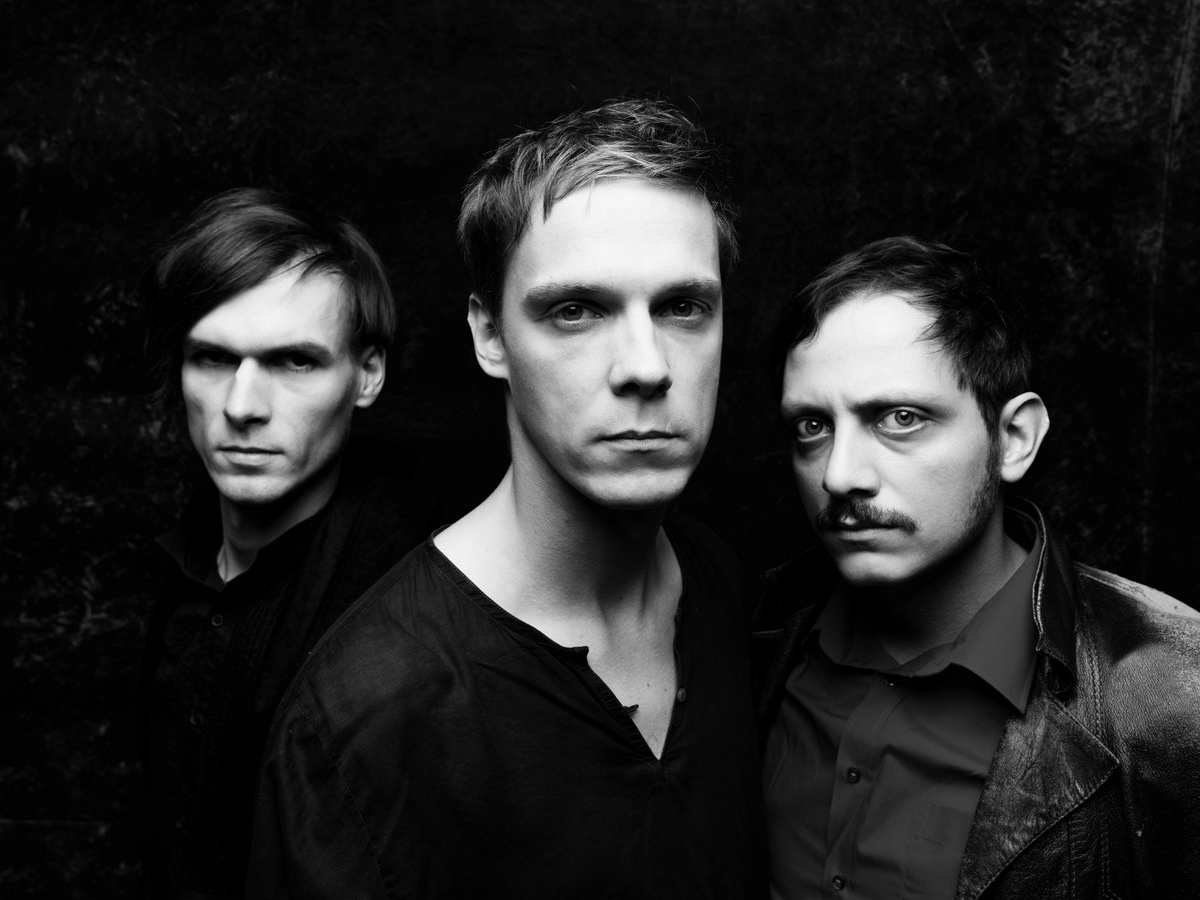
Psychedelic Rock vs Post Punk: Mystery Art Orchestra
09.03.2026 - 07:59:27 | ad-hoc-news.de
Popular music moves in cycles. Sounds that once felt radical eventually settle into the canon, only to be picked up decades later by new artists who hear fresh possibilities in them. Right now, the fault line between Psychedelic Rock and Post Punk is one of the most interesting places to listen. Both genres grew out of restless scenes, both questioned the rules of rock, and both continue to shape how young bands write, record, and perform. Mystery Art Orchestra stand directly in this intersection, drawing on the rhythmic focus of post punk while absorbing the mood and space of psychedelic music to build a sound that feels familiar but quietly forward-looking.
To understand what they are doing, it helps to look at how these two genres emerged, what defines them, and why their shared DNA makes this combination feel so natural in 2020s guitar music.
Tracing the Roots: Psychedelic Rock and Post Punk Explained
Psychedelic Rock first took shape in the mid-to-late 1960s, at a time when rock musicians, studio engineers, and listeners were all testing the limits of what a song could be. Inspired by expanded consciousness, non-Western music, and experimental art, bands began to stretch the format of the three-minute pop single into something more fluid and immersive.
Musically, psychedelic rock is defined by atmosphere and texture. Guitars are often drenched in reverb, delay, and modulation effects like phasing or flanging. Instead of tight, clipped chord progressions, players lean on drones, extended jams, and modal scales. Structures can feel circular or spiraling rather than linear. Studio techniques such as tape loops, reversed audio, and radical panning help create a sense that the soundfield is opening outward in all directions.
Vocals in psychedelic rock often sit slightly submerged in the mix, treated with echo or doubling so they feel like another instrument rather than a strict focal point. Lyrically, themes can range from surreal imagery and sci-fi visions to introspective, sometimes fragile reflections on perception and identity. The goal is less about delivering a clear narrative and more about pulling the listener into a specific state of mind.
Historically, psychedelic rock also functioned as a counter-cultural movement. It questioned mainstream values, challenged conventional song craft, and aligned itself with protest movements, underground art, and alternative lifestyles. Importantly, it repositioned the recording studio as an instrument in itself, not just a neutral space to document a performance. This would influence everything from progressive rock to shoegaze, dream pop, and ambient music.
Post Punk, which emerged roughly a decade later in the late 1970s, reacted to a different set of conditions. Punk had stripped rock down to raw energy and direct emotion, rejecting the technical excess and perceived self-indulgence of some 1970s rock. But as that first wave of punk began to stagnate, a new generation of bands used its DIY spirit as a starting point, not a boundary. This is where post punk comes in.
Post punk retains punk's minimalism and urgency but twists it into more angular, exploratory shapes. Rhythm moves to the center of the music. Bass lines become melodic hooks, riding on repetitive, often syncopated patterns. Drums favor tight, driving grooves, sometimes drawing from disco, dub, or Afrobeat as much as from rock. Guitars slash and stab rather than solo, often played with clean or slightly overdriven tones, heavy on chorus or delay, carving out jagged rhythmic patterns more than traditional riffs.
Sonically, post punk feels more skeletal compared to the expansiveness of psychedelic rock. There is air and tension in the arrangements: empty space where a guitar solo might have been, or bass and drums locking in while the guitar repeats a single figure. Vocals tend to be more direct and emotionally exposed, sometimes spoken or half-sung. Lyrical topics shift from cosmic and internal journeys to urban alienation, politics, technology, and the everyday strangeness of modern life.
Like psychedelic rock, post punk was also deeply counter-cultural, but its energy was more grounded in realism and critique. Where psych might zoom out and dissolve the self into a sea of sound, post punk zooms in on small details of social life: the office, the street, the late-night bus ride, the internal monologue. It challenged not just musical norms but also power structures, gender roles, and media narratives.
In broad terms, psychedelic rock is expansive and studio-driven, while post punk is raw, rhythm-first, and often economically arranged. Psych leans into lush sound design; post punk strips things away to expose the skeleton. Yet they share a willingness to question authority and reject formula. That shared attitude makes it natural for modern bands to draw from both traditions—shaping songs with the physical impact of post punk while using the studio and guitar effects to create the headspace of psychedelic rock.
A Modern Synthesis: The Sound of Mystery Art Orchestra
Mystery Art Orchestra operate squarely within this overlap. At their core, they are a post punk band: bass lines carry much of the melodic motion, drums emphasize pulse and repetition, and songs often build around lean, tightly constructed patterns rather than expansive jams. What sets them apart is how intentionally they weave in the atmospheric traits of psychedelic rock to expand that framework.
Listen closely to their arrangements and you notice that almost every element serves a rhythmic purpose first. The bass rarely just fills out chords; it steps forward with insistent, looping figures that guide the ear. The drums favor crisp hi-hat patterns, deep, dry kick drums, and snare sounds that cut through the mix. Guitars, meanwhile, often enter as shards of sound—short, echoing gestures, or sustained chords left to shimmer in reverb. This is foundationally post punk: the song is built from the groove up.
Where the band adopts psychedelic traits is in their sense of space and mood. Rather than leaving the mix stark and dry, they lean into effects that soften the edges of their tightly wound parts. Guitar tones may start from a classic post punk palette but are pushed further with evolving delay trails, slow phaser sweeps, or subtle pitch modulation. Synths or processed guitar textures will often fill the background, not as melodic leads but as slowly shifting clouds, giving listeners the sense that the track extends beyond the immediate, pulsing rhythm section.
Vocally, Mystery Art Orchestra marry the conversational directness of post punk with the slight distance of psych. The delivery tends to be clear and emotionally focused, but the use of layered harmonies, slapback delay, or subtle chorus effects sometimes places the voice slightly behind the front line of the mix, creating an impression of internal dialogue rather than straightforward narration. Lyrically, the songs sit between external observation and inward reflection: late-capitalist anxiety, fractured relationships, and everyday disorientation, filtered through imagery that hints at dream sequences without fully leaving reality.
Visually and thematically, the band avoid extremes. Their aesthetic leans toward monochrome artwork, urban photography, and understated typography, hinting at post punk's stark sensibility. But there are usually small, disorienting details—blurred lights, double exposure faces, shifting shadows—that mirror the subtle psychedelic tint in their music. They do not present themselves as retro revivalists of either genre. Instead, they treat both traditions as toolkits, using what serves the song and leaving behind surface nostalgia.
This approach results in tracks that feel grounded enough for fans of classic post punk but open-ended enough to appeal to listeners drawn to dreamier, atmospheric guitar music. The band's sense of control is key: the psychedelic elements never flood the mix or turn into indulgent jams. They remain in service of tension and release, heightening key moments, stretching out transitions, and suggesting emotional shades that the straightforward rhythm section alone might not fully capture.
Current Releases and Live Performances
On stage, Mystery Art Orchestra translate this balance between physical drive and atmospheric detail into something immediate and precise. The rhythm section usually occupies the foreground of the mix, with bass slightly louder than on many rock stages and drums dialed in for clarity rather than sheer volume. This gives their shows a dance-adjacent feel, even when the tempos sit at mid-paced, brooding levels. Guitars and synth textures are then layered more sparingly, often introduced gradually across a set so that each new wash of sound or effect carries weight.
The band's live sets also highlight how deliberately they think about pacing. Instead of stacking only high-intensity tracks, they build arcs: opening with lean, propulsive songs, then shifting into more expansive pieces where the psychedelic influences become more obvious. In these moments, reverb swells, repeated motifs stretch beyond the strict grid of the drum patterns, and the lighting—usually minimalist but carefully timed—helps extend that sense of suspended time. It is the difference between a band simply playing their songs and a group treating the set as a continuous narrative of mood.
For listeners interested in seeing this for themselves, the group maintain an updated list of shows and tours on the Mystery Art Orchestra Homepage. The site functions less like a glossy marketing platform and more like a practical hub: dates, venues, occasional notes about support acts, and sometimes short reflections about cities they have played. This straightforward presentation matches their broader ethos—serious about craft, restrained about image.
In terms of releases, Mystery Art Orchestra align closely with current independent trends by offering their music in multiple formats. Digital streaming remains the primary point of access, but there is a clear emphasis on tangible formats for listeners who want a more intentional listening experience. Through their Bandcamp page, they make LP and CD editions available, often with small details that reward physical ownership—lyric inserts, alternate artwork, or slightly different track sequencing that encourages listening from start to finish. Supporting them via platforms like Mystery Art Orchestra on Bandcamp fits into a wider movement in which fans use Bandcamp not just to collect music but to back the financial realities of independent bands in a time of low per-stream payouts.
Their latest single, "Going Under", captures the band's synthesis of post punk urgency and psychedelic atmosphere in a particularly focused way. Centered around a bass line that feels both anxious and hypnotic, the track keeps the drums locked into a steady, almost mechanical groove. The guitar arrives in short, echoing bursts, leaving long tails that smear across the stereo field. Vocally, the song oscillates between muted confession and controlled escalation, with key lines repeating until they blur into a mantra.
What stands out in "Going Under" is the band's restraint. Rather than building toward a huge, explosive chorus, they let tension accumulate through small shifts: a slightly more open hi-hat pattern, a new layer of reverb, a vocal harmony appearing just once before disappearing. The psychedelic influence is present not as a sudden swirl of effects, but as a gradual widening of the track's emotional horizon. By the time the final section fades, the listener feels like they've been in one continuous psychological scene, even though the arrangement has been carefully evolving underneath.
The accompanying video, available as Watch "Going Under" on YouTube, takes a similar approach. Rather than relying on heavy visual effects, it uses minimal, repeated imagery: dim corridors, passing city lights, and close-ups that linger a fraction longer than feels comfortable. The editing rhythm aligns closely with the song's structure, emphasizing small shifts in focus rather than dramatic plot turns. It reinforces what the band seem most interested in: not spectacle, but the quietly disorienting moments that emerge inside everyday environments.
Community Discussion & Reviews:
Audience Reception and the Independent Music Scene
For many listeners in the current independent music landscape, genre boundaries feel less like rules and more like reference points. Mystery Art Orchestra have found an audience precisely in that space, where fans are as comfortable discussing 1980s post punk as they are talking about contemporary dream pop or electronic music. Word of mouth plays a major role here: small club shows, social media recommendations, and playlist placements on niche curatorial channels have helped the band grow a listener base that values consistency and detail over quick viral spikes.
In online discussions, listeners often describe the band in relational terms—"if Joy Division had spent more time with late-60s psych," or "like a darker version of modern indie bands that lean into reverb and delay." These comparisons, while imperfect, reveal how people are using their own musical histories to place the band on a personal map. Crucially, the comments tend to emphasize mood and feeling rather than technical displays: a sense of being pulled into a late-night atmosphere, of walking through cities that feel slightly out of focus, or of finding familiar emotions expressed in a new sonic language.
Within independent music circles—blogs, small magazines, community radio—the critical response has focused on the band's attention to structure and restraint. Reviewers note that while Mystery Art Orchestra clearly draw influence from legacy acts, they avoid sounding like a costume version of the past. Instead, they work within the more compressed realities of current music culture: shorter release cycles, the need for tracks to function both on headphones and on small speakers, and the economic pressures of touring at a modest scale.
In this context, their choice to invest in physical formats and a consistent live presence appears intentional rather than nostalgic. Vinyl pressings and CDs give dedicated listeners a sense of continuity in an algorithm-driven world; small venues allow for a direct relationship between band and audience that streaming alone cannot replicate. When fans share photos of shows, physical records, or screen captures from "Going Under," the tone is less about collecting status symbols and more about marking a connection with a body of work they expect to grow alongside.
Genre blending itself has become a kind of common language in the independent scene, but not all fusions carry the same weight. Mystery Art Orchestra's combination of post punk and psychedelic elements resonates because it aligns with broader cultural feelings: the push and pull between daily routine and a desire for escape, between clarity and overload. The tight, rhythm-driven core of their songs mirrors the structure of contemporary life, while the atmospheric layers suggest the internal drift that often accompanies it.
For Gen Z and Millennial listeners, many of whom discover music across decades and genres with ease, this blend feels less like a novelty and more like a reflection of how they already experience sound. Playlists freely jump from classic psych to modern post punk revivalism to ambient pop; Mystery Art Orchestra fit neatly into these flows while offering a coherent identity of their own. Their impact is not measured in sudden mainstream crossover but in a slow, steady accumulation of listeners who return not just for a single track, but for an evolving catalogue.
Frequently Asked Questions
Who are Mystery Art Orchestra, and where do they come from?
Mystery Art Orchestra are an emerging independent band rooted in post punk, with members who have backgrounds in various local scenes that range from guitar-based indie to more experimental projects. While they take clear inspiration from late-70s and early-80s post punk, they treat that history less as a strict template and more as a shared reference point. Geography plays a role in their mood—urban environments, long commutes, and the subdued energy of off-hours city life are frequent thematic undercurrents—but the band have focused more on building a recognizable sonic identity than foregrounding regional identity in their branding.
How would you describe their sound in simple terms?
The most concise description is that Mystery Art Orchestra are a post punk band with a strong sense of atmosphere. Their tracks typically revolve around prominent, looping bass lines and tight drum patterns, over which they layer guitars and synths treated with reverb, delay, and modulation effects. The result is music that feels rhythmically grounded and emotionally tense, yet also slightly blurred at the edges. Vocals tend to be clear but not overly showy, often sounding like internal monologues set to a steady, insistent groove.
What makes their blend of psychedelic rock and post punk different from other bands?
Many contemporary bands reference both genres, but Mystery Art Orchestra's approach is unusually disciplined. Rather than switching between styles song by song, they integrate the two at a structural level. The post punk elements—minimalist arrangements, prominent bass, economical guitar parts—form the skeleton of almost every track. The psychedelic aspects appear in the treatment of sound: slow-building effects, carefully shaped reverbs, and background textures that evolve over the course of a song. This means the band rarely abandons rhythmic focus in favor of pure atmosphere, or vice versa. Instead, they let both modes coexist, resulting in songs that feel cohesive even as they hint at multiple traditions.
Where can new listeners start with Mystery Art Orchestra's music?
"Going Under" is an effective entry point, as it condenses many of the band's strengths into a single track: the insistent bass work, the controlled drum patterns, the blurred guitar trails, and the subtle escalation of tension. Watching the video on YouTube via Watch "Going Under" on YouTube also helps connect the sonic mood to the visual world the band inhabit. From there, exploring their releases through streaming services or directly via Mystery Art Orchestra on Bandcamp allows listeners to hear how they apply their approach across different tempos and song structures.
Do they have full-length albums, or just singles and EPs?
Like many contemporary independent acts, Mystery Art Orchestra have built their presence through a mix of singles and extended plays, gradually moving toward more substantial bodies of work. This strategy suits their detailed production style, since it allows them to focus on the nuances of each track without the pressure of rushing a full-length album. At the same time, their releases—especially when experienced in the order presented on physical formats—show a clear sense of sequencing. Tracks are often arranged to move from more direct, rhythm-centered pieces into songs where the psychedelic influences become more pronounced, encouraging listeners to experience the music as a continuous journey rather than a set of isolated moments.
What are their live shows like compared to the studio recordings?
Live, Mystery Art Orchestra aim to preserve the clarity and tension of their studio work while adding a slightly rougher edge that comes from real-time performance. The core elements—driving bass, tight drums, economical guitar—remain intact, but the atmospheric layers may be adjusted depending on room acoustics and available equipment. Instead of attempting to replicate every studio effect, the band focus on the overall dynamic arc of the set: which songs should hit hardest, where the mood should darken or open up, and how to pace transitions so that the audience experiences the performance as a coherent whole. Fans looking to experience this side of the band can find tour dates and venue information on the Mystery Art Orchestra Homepage, which is updated with new shows as they are confirmed.
How can listeners best support Mystery Art Orchestra as an independent band?
In the current landscape, streaming alone rarely provides enough financial stability for emerging acts, so direct forms of support make a meaningful difference. Purchasing vinyl or CDs through Mystery Art Orchestra on Bandcamp helps the band recoup recording and production costs while giving listeners a tangible way to engage with the music. Attending shows—whether in small clubs or festival slots—and sharing live impressions online contribute to a sense of community around the band. Even simple actions like saving tracks to personal libraries, adding songs to playlists, or recommending "Going Under" to friends can help extend their reach beyond algorithmic discovery and into genuine listener networks.
So schätzen die Börsenprofis Aktien ein!

Für. Immer. Kostenlos.