Psychedelic Rock vs Post Punk: Mystery Art Orchestra
07.03.2026 - 07:12:53 | ad-hoc-news.de
Music history moves in cycles. Sounds that once felt radical, then dated, eventually return in new forms as younger artists pick up old tools and apply them to present-day anxieties. Psychedelic Rock and Post Punk are two of the most influential examples of this looped evolution. Both emerged as reactions against a perceived mainstream, both encouraged experimentation, and both left behind a set of textures, rhythms, and attitudes that modern bands still mine and reinterpret.
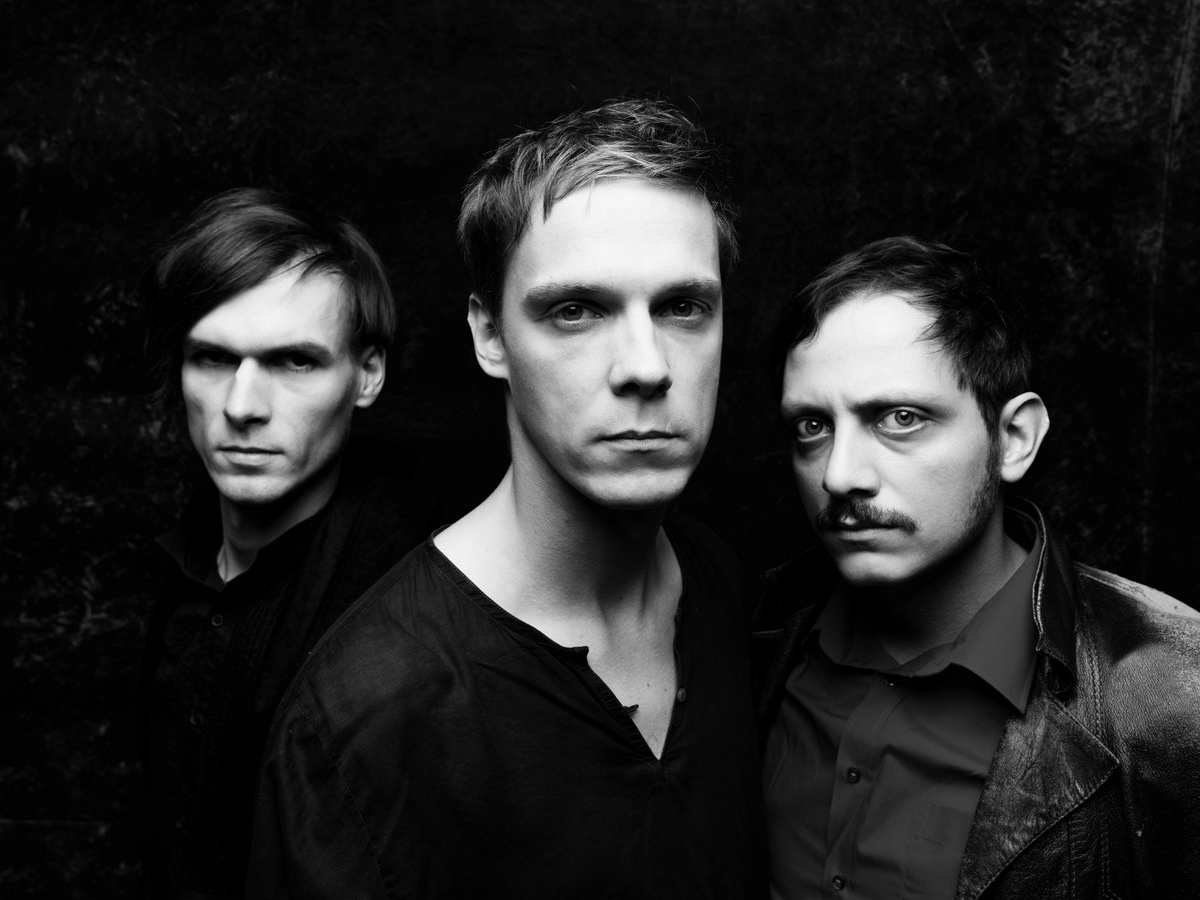
One of the more intriguing contemporary examples is Mystery Art Orchestra, a band that stands firmly in the Post Punk tradition while pulling in atmospheric cues from Psychedelic Rock. Rather than treating those older genres as retro costume, they use them as a language to talk about disconnection, technology, and late-night city life in 2020s terms. To understand what they are doing, it helps to look closely at the roots they are drawing from.
Tracing the Roots: Psychedelic Rock and Post Punk Explained
Psychedelic Rock grew out of the mid-1960s, when rock musicians, particularly in the US and UK, started pushing beyond radio-friendly love songs and three-chord structures. Influenced by jazz, Indian classical music, and the growing counterculture, they aimed to mirror or evoke altered states of consciousness. This did not just mean lyrics about perception or spiritual awakening; it transformed how records were written, arranged, and produced.
At its core, Psychedelic Rock values expansiveness. Songs often stretch past conventional lengths, using long instrumental passages, modal or droning harmonies, and a sense of suspended time. Studio technology becomes an instrument: tape delays, reversed guitar lines, phasing, flanging, and heavy reverb create a feeling that the sound is bending around the listener. Guitars are laden with effects, organs swirl, and vocals might be filtered or doubled to sound distant, otherworldly, or disembodied.
Even when the music is loud or riff-driven, there is usually a sense of space. Bass and drums may lock into hypnotic grooves rather than straightforward rock backbeats, encouraging immersion rather than immediate release. Psychedelic Rock prioritizes mood and atmosphere as much as hooks. It often invites listeners to get lost inside a track, whether through headphone listening or long live jams. The songs can feel like rooms you walk into rather than quick messages you receive.
Post Punk, which surfaced in the late 1970s, reacts against a different backdrop. Punk had stripped rock down to its basics: fast tempos, raw distortion, and direct political or social messaging. But as the first wave of punk settled, many musicians who admired its DIY ethic also wanted more flexibility and nuance. Post Punk kept the urgency but widened the toolkit, incorporating influences from dub, funk, electronic music, and avant-garde art.
Where Psychedelic Rock is often expansive and studio-driven, Post Punk tends to be rhythm-forward and emotionally immediate. Bass lines frequently carry the melodic weight, playing looping figures that pull the listener in. Drums are dry, punchy, and sometimes mechanical, emphasizing tight hi-hats, tom patterns, and a sense of propulsion rather than swing. Guitars become less about thick chords and more about angular shards, high-register riffs, and stabs of noise or dissonance.
Vocals in Post Punk are often closer to spoken-word, chant, or anxious wail than classic rock singing. Lyrically, the focus shifts from cosmic questions toward urban alienation, boredom, political tension, and the routines of modern life. Where Psychedelic Rock sometimes gazes outward into imagined inner or outer worlds, Post Punk usually looks directly at the city street, the club, the workplace, or the apartment hallway. The tone can be cold, introspective, satirical, or quietly desperate.
Both genres arise as counter-cultural movements, but they respond to different pressures. Psychedelic Rock pushed against conservative social structures and commercial pop formalism, championing freedom of consciousness and aesthetic risk. Post Punk answered the late-1970s climate of economic decline, technological change, and media saturation, asking what it meant to remain human inside increasingly rigid systems. The tools differ, yet each genre treats rock not as a fixed formula, but as a flexible framework for questioning reality.
Despite these contrasts, there are crucial overlaps. Both Psychedelic Rock and Post Punk encourage experimentation with texture. Both welcome non-standard song structures. Both allow tension to sit unresolved rather than smoothing everything into easy catharsis. For bands like Mystery Art Orchestra, this shared flexibility offers a bridge: they can keep Post Punk's rhythmic backbone while borrowing Psychedelia's sense of drift, reverb, and spatial play.
A Modern Synthesis: The Sound of Mystery Art Orchestra
Mystery Art Orchestra operate first and foremost as a Post Punk band. Their songs typically start from the rhythm section outward: bass lines that circle a handful of notes with subtle variations, drums that prioritize strict, driving patterns, and guitars that punctuate the groove with sharp, sometimes abrasive phrases. The pulse is central. Even slow or medium-tempo tracks carry a feeling of motion, like late-night walking pace, city lights sliding past in peripheral vision.
What distinguishes them from many peers is how they weave Psychedelic Rock elements into this framework without diluting the underlying tension. Instead of going full jam-band or retro psych pastiche, they adopt a selective approach. Reverb is used not as a constant wash, but as a way to suddenly open a track outward, as if a small club stage expands into a much larger hall for a chorus or instrumental break. Delayed guitar phrases trail behind the beat, creating echoes that tug against the otherwise disciplined rhythms.
Synth and effects work also show this hybrid mindset. Rather than dominating arrangements, atmospheric pads and drones hover around the edges of songs, blurring the boundaries between instruments. Background vocals may be treated with mild phasing or slapback delay, giving them a spectral quality that contrasts with the lead vocal's clarity. The result is a tension between dryness and distance: the drums and bass sound close to the listener, while the higher frequencies drift further back, almost like fog creeping in around a streetlamp.
Thematically, Mystery Art Orchestra lean into subjects that sit comfortably within the Post Punk tradition: surveillance, social fatigue, complicated relationships, and the emotional undercurrent of urban life. However, their occasional psychedelic flourishes allow them to hint at inner states beyond strict realism. Dream sequences, recurring symbols, and slightly surreal images appear in their lyrics, not as escapism but as reflections of how memory and anxiety distort daily experience.
Visually, the band's aesthetic echoes this mix. Their artwork and stage lighting often avoid bright, saturated colors, instead favoring dim blues, muted purples, and static-like textures that recall photocopied gig posters or late-night television broadcasts. At the same time, there are hints of cosmic or abstract imagery that nod to Psychedelic Rock sleeves, rendered through a more minimal, contemporary design language.
In practice, this synthesis gives Mystery Art Orchestra a distinct identity within a crowded field of revivalist guitar bands. They acknowledge the lineage of groups from both 1960s Psychedelia and late-1970s Post Punk, but they avoid simple mimicry. Their tracks feel clearly of the present, shaped by streaming-era listening habits and the fractured attention spans of modern life, while still drawing power from older methods of building tension, mood, and release.
Current Releases and Live Performances
While Mystery Art Orchestra's studio work highlights their control over texture and mood, their music arguably comes into full focus on stage. Live, the band push the rhythmic aspect even harder. Bass becomes slightly more aggressive, drums hit with extra weight, and the Psychedelic elements grow less polite. Delay feedback squeals between songs, reverbs swell and collapse, and the overall mix feels more volatile than on record. It is less about re-creating a perfect studio balance and more about channeling a shared, time-bound experience between band and audience.
For listeners interested in seeing how this plays out in the room, the band maintain an updated tour calendar on their official site, the Mystery Art Orchestra Homepage. There, upcoming concert dates and festival appearances are listed with venue details, giving fans a straightforward way to track when the group will pass through their city. In smaller club settings, the band tend to lean into extended outros and noise passages, occasionally pushing a song into more explicitly psychedelic territory without abandoning the core Post Punk framework.
On the recorded side, Mystery Art Orchestra have embraced the independent route, using digital platforms but also recognizing the renewed interest among younger listeners in physical media. Their releases are available via Bandcamp, where fans can not only stream but also pick up vinyl and CD editions. The choice of format suits their sound: the contrast between their tight low end and spacious guitars benefits from the depth and nuance of a well-pressed LP. For those who want to support them directly, Mystery Art Orchestra on Bandcamp offers limited-run records, downloads, and occasional merch drops.
Among their recent output, the single "Going Under" stands as a clear statement of their current direction. Structurally, the track leans heavily into Post Punk: a repetitive, hook-like bass line underpins the verses, while the drums maintain a clipped, insistent groove. Guitars slash in at the edges, sometimes as single-note figures, other times as short bursts of noise that cue transitions between sections. The vocal delivery is measured but charged, steering between monotone disengagement and flashes of emotional strain.
The Psychedelic influence surfaces more strongly in the song's sonic details and arrangement. Subtle modulation effects on the guitar lines create a sense of pitch wobble, especially during the pre-chorus, as if the ground is momentarily unsteady. Reverb blooms on key vocal phrases, lifting them slightly above the rest of the mix without losing clarity. In the final minute, a layer of delayed guitar and synth noise gradually fills the stereo field, giving the impression of the song sinking deeper into its title phrase. Instead of a dramatic key change or straightforward climax, "Going Under" intensifies by blurring its own edges.
The video for the single, available to stream as Watch "Going Under" on YouTube, reinforces this approach. Visually, it avoids over-the-top psychedelia, favoring grainy, low-lit imagery, glitch effects, and repeated shots that highlight patterns in everyday spaces: train windows, hallways, anonymous buildings. Subtle color shifts and layering lend a hallucinatory feel without slipping into parody. The editing mirrors the track's ebb and flow, cutting more quickly as the arrangement thickens, then lingering on held shots when the music pulls back.
Together, the live performances and recent releases paint a picture of a band comfortable with contrast: strict rhythm paired with blurred sonics, grounded lyrics paired with semi-surreal imagery, and a DIY infrastructure paired with meticulous sound design. These oppositions are not contradictions; they form the core of Mystery Art Orchestra's appeal.
Community Discussion & Reviews:
Audience Reception and the Independent Music Scene
In an era where playlists flatten genres into mood categories, Mystery Art Orchestra tap into two overlapping listener trends: the renewed interest in Post Punk and the ongoing fascination with immersive, atmospheric production. For younger audiences who discovered legacy bands through algorithmic recommendations, the group's hybrid sound feels immediately legible yet not derivative. The rhythmic urgency recalls canonical Post Punk acts, while the textural choices line up with modern listening habits shaped by ambient, shoegaze, and electronic music.
Early reception within independent music circles points toward a slow but steady build rather than overnight virality. Coverage on smaller blogs, campus radio playlists, and community stations often emphasizes the band's consistency across their catalogue: tracks differ in tempo and arrangement, but they all share a clear sense of purpose. Listeners frequently mention replay value, noting how details in the production reveal themselves over multiple plays. That quality aligns with their semi-psychedelic approach, where each return to a song yields new layers rather than a single, immediate hook.
At live shows, audiences tend to skew toward fans of guitar-based music who also follow electronic producers, noise artists, or experimental pop. Mystery Art Orchestra's sets sit comfortably on mixed bills, whether alongside more traditional Post Punk acts or bands who lean heavily into reverb-drenched, dreamlike soundscapes. This flexibility reflects a broader shift within the independent scene, where strict stylistic boundaries matter less than mood, intensity, and authenticity.
Importantly, the band's commitment to physical formats and direct-to-fan platforms encourages a community-driven model of support. Limited vinyl pressings and carefully designed artwork resonate with listeners who see records as keepsakes rather than just carriers of audio. Social media interactions around their releases often highlight not only the songs themselves but also the tactile experience of unwrapping a sleeve, reading liner notes, or seeing credits for mix, mastering, and artwork. These details contribute to the sense that Mystery Art Orchestra treat every release as a complete project, not a disposable content drop.
Culturally, their genre-blending also speaks to a generational preference for hybridity. Many listeners today discovered Psychedelic Rock and Post Punk simultaneously, through the same streaming platforms, without inheriting older rivalries or rigid genre hierarchies. For them, combining the two is not a novelty; it is a natural extension of everyday listening, where a playlist might jump from a 1980s cult band to a contemporary ambient producer to a bedroom pop artist. Mystery Art Orchestra fit this environment by sounding cohesive yet adaptable, capable of sitting next to historical tracks and modern peers alike.
As streaming numbers grow and more live footage circulates online, the band's reputation seems to rest less on hype cycles and more on sustained word-of-mouth. Fans share links to "Going Under" or live clips not with sensational claims, but with comments about specific bass tones, vocal phrasing, or visual motifs they appreciate. That kind of detailed enthusiasm often signals a longer lifespan for a band's work, especially within the independent ecosystem, where durability can matter more than short-term visibility.
Frequently Asked Questions
Who are Mystery Art Orchestra, and where are they from?
Mystery Art Orchestra are a contemporary Post Punk band that incorporate atmospheric Psychedelic Rock elements into their sound. While details about their individual backgrounds are kept relatively understated in their public materials, the group operate within the broader European independent scene, playing clubs and small festivals and working closely with DIY promoters. Their focus tends to be on the music, visual identity, and live performance rather than heavily personalized branding, which aligns with many Post Punk traditions.
How would you describe their sound to someone new?
A concise way to frame their sound is: rhythm-driven Post Punk with a hazy, psychedelic edge. The bass and drums usually hold a steady, hypnotic groove, giving the songs momentum and structure. Guitars and synths then add texture rather than simply doubling the rhythm, using delay, reverb, and subtle modulation to create a sense of depth. Vocals are clear but can slide between spoken intensity and melodic lines, often sitting slightly inside the mix rather than on top of it. If you like bands that balance tension with atmosphere, Mystery Art Orchestra fit that space.
What makes their blend of Psychedelic Rock and Post Punk distinct from other bands?
Many bands draw from similar reference points, but Mystery Art Orchestra's distinction lies in how they prioritize rhythm while treating psychedelic elements as supporting architecture, not the main feature. Their tracks rarely drift into extended improvisation; instead, they stay focused and structured, with Psychedelic touches appearing as carefully placed details. For example, a chorus might subtly open up with extra reverb or harmony, or an outro might introduce a slowly evolving drone. These decisions enhance the emotional arc without overshadowing the underlying song.
Where can new listeners start with their music?
For a direct entry point, the single "Going Under" offers a compact snapshot of their style, both sonically and visually. The song captures their rhythmic discipline, textural choices, and lyrical themes, while the accompanying video on YouTube situates their music within a concrete visual world of late-night urban imagery. After that, exploring their releases on Bandcamp can provide a broader sense of their range, including tracks that lean heavier, slower, or more atmospheric. Because their records are available digitally and in physical formats, listeners can choose whichever mode of engagement suits them best.
How do they approach live shows compared to studio recordings?
In the studio, Mystery Art Orchestra pay close attention to detail: balancing dry and wet sounds, shaping frequency ranges, and using panning and layering to create a specific listening environment. Live, that precision remains, but the energy shifts. Tempos sometimes feel slightly quicker, dynamics expand, and the band might stretch certain sections to heighten tension in the room. Feedback and noise between songs often act as connective tissue, turning a set into a continuous experience rather than a sequence of isolated tracks. For fans, this means that familiar songs gain a more physical presence on stage, while still reflecting the band's core aesthetic.
How can fans support Mystery Art Orchestra directly?
The most direct ways to support the band are attending shows, purchasing music and merchandise, and sharing their work within your networks. Checking the Mystery Art Orchestra Homepage helps you find upcoming tour dates and local gigs. Buying LPs, CDs, or digital downloads through Mystery Art Orchestra on Bandcamp sends a more meaningful share of revenue to the band than many mainstream streaming platforms. Additionally, engaging with their videos, especially Watch "Going Under" on YouTube, and leaving thoughtful comments helps signal interest to algorithms and potential new listeners.
Are they part of a larger movement or scene?
Mystery Art Orchestra can be seen as part of a broader wave of bands revisiting Post Punk and related styles while embracing modern production and listening contexts. Across Europe, North America, and beyond, small venues and DIY spaces are hosting lineups where angular guitars coexist with synth-heavy acts, noise projects, and experimental pop. Within that environment, their particular mix of tight rhythm sections and psychedelic shading places them in conversation with both older influences and contemporary peers. Rather than staking out a rigid sub-genre label, they operate within a flexible, interconnected independent scene that values experimentation, community, and long-term development.
So schätzen die Börsenprofis Aktien ein!

Für. Immer. Kostenlos.