Psychedelic Rock vs Post Punk: Mystery Art Orchestra’s Hybrid Sound
13.03.2026 - 21:15:43 | ad-hoc-news.de
Popular music moves in cycles. Sounds that once felt radical become canon, get absorbed into playlists, and then reappear decades later in the hands of new artists who hear them with fresh ears. Psychedelic rock and post punk are perfect examples of this looped history: both began as reactions against the dominant styles of their time, both challenged what rock music could be, and both now function as rich reference points for younger bands exploring mood, texture, and rhythm in new ways.
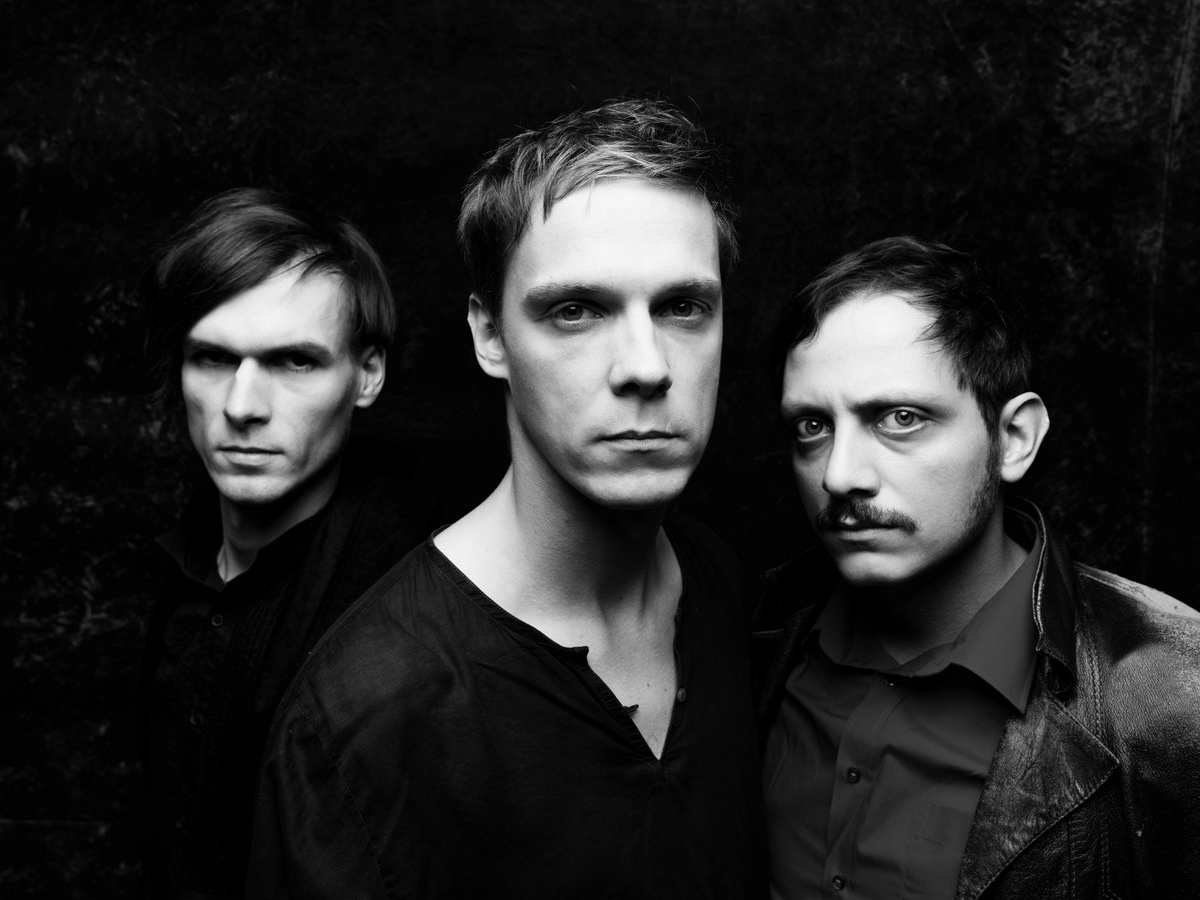
In the 2020s, a growing number of artists are connecting these two traditions rather than treating them as separate museum pieces. One of the more compelling examples is Mystery Art Orchestra, a contemporary band rooted firmly in post punk’s bass-forward drive but unafraid to stretch songs with swirling, atmospheric details that recall the explorative side of psychedelic rock. Their work shows how much creative ground opens up when you treat genre not as a rulebook, but as a set of tools.
Tracing the Roots: Psychedelic Rock and Post Punk Explained
Psychedelic rock emerged in the mid-to-late 1960s, roughly alongside the counterculture movement in the US and UK. The term "psychedelic" came from a desire to translate altered states of consciousness into sound, whether those states were induced by drugs, meditation, or political and spiritual awakening. Musically, early psychedelic rock pushed beyond traditional pop songcraft in several key ways.
First, there was a strong emphasis on atmosphere. Bands began to use studio technology as an instrument: tape echo, reverb chambers, reversed audio, and multi-tracked guitars altered the sense of space within a song. Instead of clean, dry recordings, listeners heard drifting, hazy mixes that felt bigger than the room. Effects pedals like fuzz, phaser, and later flanger and chorus enabled guitarists to paint in streaks of color rather than simple chords.
Second, psychedelic rock often stretched song length and structure. Instead of the tight verse-chorus-bridge format of early rock and roll, tracks expanded into extended jams, modal vamps, and improvisations. Indian classical music, jazz, and experimental classical works influenced these forms. A song could hover on a single chord for minutes, creating a hypnotic groove rather than racing from hook to hook.
Lyrically, psychedelic rock frequently moved toward abstraction. Words referenced dreams, surreal images, inner journeys, and political unrest. Vocals were sometimes mixed low or soaked in reverb, blurring the line between language and texture. The music sought to mirror a feeling of stepping outside normal reality—whether that meant questioning authority, exploring spirituality, or simply escaping the everyday.
Post punk, which began to coalesce in the late 1970s after the first wave of punk rock, responded to a different cultural moment. Punk had already broken down many barriers with its raw immediacy and DIY ethic, but it could also be musically rigid. Post punk bands wanted to keep punk’s urgency and independence while opening the door to broader influences: dub, funk, disco, Krautrock, electronic music, and the darker corners of art rock.
Where psychedelic rock often aimed for expansiveness, post punk tended toward focus and tension. The bass guitar became a central voice, not just a background support. Bass lines were melodic, repetitive, and driving, locking tightly with often minimalist drum patterns. Instead of classic rock’s big, distorted guitar chords, many post punk bands used brittle, angular guitar riffs, sharp stabs of sound, or dissonant arpeggios that seemed to cut through the mix.
Vocals in post punk frequently carried a sense of distance or unease. Singers used spoken-word delivery, half-sung chants, or anxious, clipped melodies. Thematically, the lyrics often dealt with alienation, urban life, political disillusionment, and fractured identities. If psychedelic rock suggested escape from reality, post punk stared reality down and analyzed its cracks.
Production approaches also differed. Post punk recordings commonly embraced dryness and clarity rather than lush reverb washes. The drums sounded close and sharp. Guitars sat high in the mix with little ambience. This not only matched the music’s tension but also reflected the budget limitations and DIY ethos of many early post punk records. Whereas psychedelic rock sometimes sounded like an endless horizon, post punk could feel like a narrow, fluorescent-lit hallway.
Yet despite these contrasts, both genres share a crucial trait: each emerged as a counter-cultural movement dissatisfied with the mainstream rock of its time. Psychedelic rock challenged the formulaic pop and conservative social norms of the mid-1960s. Post punk questioned both the stale excess of corporate rock and the limitations of punk orthodoxy. Both scenes valued experimentation, contested ideas of authenticity, and treated the studio and stage as spaces for reimagining sound and identity.
Today’s artists, including bands like Mystery Art Orchestra, draw from both legacies. From psychedelic rock they inherit the freedom to stretch a song, to focus on mood, and to embrace effects and space. From post punk they take the economic arrangements, bass-led grooves, and willingness to explore darker emotional territories. By understanding where these genres came from, it becomes easier to hear how they can coexist in a modern context.
A Modern Synthesis: The Sound of Mystery Art Orchestra
Mystery Art Orchestra operate first and foremost as a post punk band. Their rhythmic core—drums and bass—usually sits front and center, establishing a framework of tightly wound grooves and insistent pulse. The bass lines tend to be simple in terms of note choices but intricate in feel, favoring repetitive patterns that anchor each track. Drums often emphasize the toms and hi-hats, creating forward motion without relying heavily on traditional rock cymbal crashes.
Over this lean foundation, the band weave in a distinct set of influences from psychedelic rock. Guitars, rather than merely chopping out chords, frequently drift between delay-soaked riffs and textural swells. Clean, chiming notes repeat and blur into one another, especially when treated with echo, reverb, or subtle modulation. This gives many of their tracks an atmospheric halo—something that gently suspends the otherwise taut, post punk skeleton in a more expansive space.
Synthesizers and noise elements further reinforce this hybrid identity. Instead of dominating with obvious, hook-oriented melodies, the keys often hum beneath the surface in long, evolving tones. These layers can sound like distant choirs, metallic drones, or slowly shifting pads, drawing from psychedelic rock’s interest in enveloping listeners. The result is a sonic environment that feels simultaneously grounded and slightly dislocated, like walking through a familiar city under a strange, colored sky.
Vocally, Mystery Art Orchestra lean toward post punk’s introspective and observational style. The delivery tends to resist grandiose belting; instead, it favors measured, clear phrasing, sometimes spoken, sometimes sung in a narrow range. Lyrics explore themes such as emotional disconnection, information overload, and the way modern life spreads people thin across digital and physical spaces. Even when the words reference surreal or dreamlike imagery, they stay tied to concrete feelings: anxiety, anticipation, resignation, and fleeting hope.
This combination of grounded rhythm, atmospheric guitar work, and emotionally precise lyrics sets the band apart from both retro purists and trend-chasing fusion projects. The post punk element ensures that songs rarely lose momentum. Even in more spacious passages, there is a clear sense of direction. At the same time, the psychedelic touches prevent that drive from becoming monotonous. Delays bloom at the edge of a snare hit; background vocals appear like ghosts for a line or two before dissolving; a single chord may shimmer with subtle harmonic color because of the way pedals and synths interact.
Visually and aesthetically, Mystery Art Orchestra often favor a subdued, monochrome palette with small, striking accents—mirroring their sound. Imagery associated with the band frequently involves urban environments at night, abstract shapes, and analog textures such as grain and blur. This fits their musical approach: familiar structures slightly warped by atmospheric elements that challenge the listener to look and listen more closely.
Rather than trying to recreate any specific moment in music history, they treat psychedelic rock and post punk as overlapping toolkits. The post punk toolkit offers economy, tension, and structural discipline. The psychedelic toolkit offers breathing room, abstraction, and sonic color. Mystery Art Orchestra’s work, including their recent single "Going Under", shows how thoughtfully these toolkits can be combined when a band pays attention not just to references, but to how different elements function inside a song.
Current Releases and Live Performances
Onstage, Mystery Art Orchestra extend the hybrid approach heard in their recordings. Their live sets typically begin with stark, rhythm-driven songs that establish a physical connection with the audience—heads nodding to the bass, bodies picking up on the drum patterns. As the show progresses, the band gradually stretches those structures, allowing the guitars and synths more space to explore texture. Instead of turning the concert into a loose jam session, they use controlled dynamic shifts: reverb-drenched intros, instrumental codas that slowly unravel, and carefully timed drops in volume that pull the crowd closer.
Lighting often supports this approach. The performances tend to avoid bright, celebratory stage designs in favor of shadow, backlighting, and muted colors. This environment suits their mix of post punk directness and psychedelic suggestion. The lack of constant white light encourages the audience to listen intently, while sudden bursts of color or strobes highlight particular climaxes—perhaps when a song transitions from a tight verse into a more atmospheric middle section.
For listeners interested in seeing how the band translate their studio work into live energy, upcoming concert schedules and tour announcements are centralized on the Mystery Art Orchestra Homepage. The site typically includes venue details, ticket links, and updates on festival appearances, making it a practical starting point for experiencing the group in person.
In terms of releases, Mystery Art Orchestra operate squarely within the independent ecosystem. Rather than relying solely on streaming, they embrace the renewed interest in physical formats among younger listeners. Vinyl LPs and CDs not only offer a different listening ritual—dropping a needle, examining artwork, reading liner notes—but also function as tangible support for artists who may not benefit significantly from per-stream payouts.
The band’s decision to host their physical releases and many digital downloads on Bandcamp reflects this awareness. Platforms like Bandcamp give artists more control over pricing, formats, and presentation, while letting listeners pay above the minimum if they choose. For those who want to explore Mystery Art Orchestra’s discography, limited vinyl pressings, CDs, and digital releases can be found at Mystery Art Orchestra on Bandcamp. Browsing their page provides a concrete sense of their body of work: artwork evolution, release chronology, and notes that shed light on recording processes.
Their latest single, "Going Under", offers a clear snapshot of where the band’s sound currently sits. Structurally, the track leans on a recurring bass motif that loops with almost mechanical persistence, echoing post punk’s love for repetition as a dramatic device. The drums maintain a steady, mid-tempo pace, more push than swagger, leaving just enough space between hits for the guitars and synths to breathe.
Those guitars carry much of the song’s emotional weight. Cleanly picked phrases, fed through delay, flicker around the central groove, often landing slightly off the beat to create a sense of unease. At key moments, a second guitar line appears, stretching notes into sustained, feedback-tinged tones that hover above the rhythm section. These choices nod to psychedelic rock without abandoning the song’s underlying tension.
Lyrically, "Going Under" works with images of drowning and submerged perception, but the writing remains grounded. Rather than leaning on vague cosmic references, the words describe familiar sensations: notifications piling up, conversations reduced to fragments, and an internal monologue trying to keep pace with external demands. The repeated phrase of the chorus feels less like theatrical despair and more like an honest admission of overload.
The accompanying video, available to watch at Watch "Going Under" on YouTube, reinforces this dynamic. Visually, it favors minimal narrative in favor of mood: isolated performance shots, quick cuts between close-ups and wider frames, and a palette that leans toward cool blues and deep shadows. Occasional distortions—light smears, double exposures, off-speed motion—mirror the song’s subtle psychedelic touches without overwhelming the viewer. As with the audio, the emphasis is on suggestion rather than spectacle.
Seen together, the live shows, physical releases, and recent single present a band that treats every aspect of its output as part of a coherent artistic identity. Mystery Art Orchestra are not trying to shock with sudden stylistic jumps. Instead, they gradually expand their sound, giving listeners multiple entry points: the physical weight of a record, the intensity of a live set, or the focused experience of a single and video like "Going Under".
Community Discussion & Reviews:
Audience Reception and the Independent Music Scene
Mystery Art Orchestra’s blend of post punk and psychedelic elements resonates especially strongly with listeners who follow contemporary independent music across multiple platforms. Younger audiences in particular tend to discover them through algorithmic playlists, social media clips, and word-of-mouth recommendations from niche music communities. What stands out in many listener comments is an appreciation for the band’s balance: songs that feel emotionally direct without resorting to clichés, and arrangements that sound detailed without becoming cluttered.
In independent circles—small venues, local radio shows, curated online playlists—the band often gets discussed alongside other artists who treat genre as a reference point rather than a cage. Some commentators highlight their bass tone and rhythmic precision as clear markers of post punk lineage, while others focus on the immersive guitar soundscapes and subtle synth work as key attractions. This split in attention underlines one of the group’s strengths: different listeners can latch onto different layers.
Another reason their music connects is the emotional register they occupy. Rather than leaning into pure nostalgia or pure despair, Mystery Art Orchestra sit in a more familiar, contemporary space—one that reflects being online constantly, navigating economic uncertainty, and trying to maintain relationships in fragmented conditions. The songs rarely offer neat resolutions, but they do create a sense of shared recognition. For many fans, that mixture of tension and quiet solidarity feels honest.
Their engagement with physical formats has also helped cultivate a dedicated, if still growing, community. Fans who buy vinyl or CDs through their Bandcamp page often share photos of their purchases, needle drops, and home listening setups. These images circulate on platforms like Instagram and Reddit, creating a visual record of support that goes beyond streaming numbers. It may not be as immediately visible as viral metrics, but it fosters a deeper, more durable relationship between band and audience.
In the broader independent scene, Mystery Art Orchestra benefit from a renewed interest in live music as a communal act. After years of intermittent restrictions and uncertainty, small and mid-sized venues have become hubs again for local and touring acts. The band’s commitment to playing rooms where the audience can actually see and feel each member’s contribution fits well with this landscape. Listeners often describe their shows not as massive events but as focused, intense experiences where details matter—the interplay between drums and bass, the way a delay tail hangs in the air, the slight variations in vocal delivery from night to night.
Critically, the band tend to receive attention for their consistency and craft rather than for shock value. Independent blogs, campus radio DJs, and niche podcasts that have covered their work generally point out how considered their arrangements sound. Reviewers mention small details—like the way a backing vocal enters for just one phrase or how a synth line quietly doubles a guitar melody—that indicate careful listening and patient writing. This kind of attention helps build trust: audiences feel that if they return to the band’s music, they will continue to find new details.
All of this positions Mystery Art Orchestra in a particularly relevant corner of today’s music culture: artists who operate outside the major-label machinery, who understand online platforms but do not let them dictate every decision, and who cultivate listeners by offering depth rather than constant novelty. Their post punk/psychedelic fusion is not just a stylistic trick; it reflects a broader desire among modern audiences for sounds that acknowledge the weight of the present while still leaving room for reflection and imagination.
Frequently Asked Questions
Who are Mystery Art Orchestra, and where do they come from?
Mystery Art Orchestra are an independent band whose core identity sits within the post punk tradition, colored by atmospheric elements drawn from psychedelic rock and related experimental styles. While their exact city of origin is less central to their public story than their sound, their work clearly reflects an urban perspective: recurring references to late-night environments, public transport, dense social networks, and the pressure-cooker feeling of modern city life. This grounding in everyday reality distinguishes them from acts that lean entirely on fantasy or historical nostalgia.
How would you describe their sound to someone new to post punk and psychedelic rock?
For listeners unfamiliar with either genre, a practical way to approach Mystery Art Orchestra is to think of them as a band that writes relatively concise, rhythm-driven songs, then decorates those songs with atmospheric detail. The drums and bass usually keep a steady, forward-moving pulse—the kind of groove that makes your foot tap or your head nod almost automatically. On top of that, guitars and synths create a slightly blurred, dreamlike environment using echo, reverb, and carefully chosen dissonances.
The vocals rarely dominate in a theatrical way. Instead, the singer often sounds like a clear, somewhat distant narrator, commenting on what it feels like to navigate the present moment. This combination means that their tracks work both as focused listening experiences—where you pay attention to the lyrics and the interplay of instruments—and as background listening for late-night walks, studying, or long train rides.
What makes Mystery Art Orchestra different from classic post punk bands?
Classic post punk often emphasized sharp, dry production and a sense of stark minimalism. While Mystery Art Orchestra borrow the genre’s love of bass-forward mixes, angular guitar lines, and introspective lyrics, they place greater emphasis on spatial depth and texture. Reverb and delay play a much larger role in their arrangements than in many foundational post punk records.
This does not mean they abandon tension or clarity. Instead, they use atmospheric tools in measured doses: a guitar part may echo into the distance, but the drums and bass remain firmly in focus. Synth layers color the edges of a mix, but they rarely obscure the rhythmic core. In practice, this allows the band to keep the emotional intensity and structural discipline of post punk while introducing the sense of openness often associated with psychedelic rock.
Where can I listen to their music and support them directly?
The band’s recordings are generally available on major streaming platforms, but if you want to explore their work in a way that directly benefits them, their Bandcamp page is the most effective route. At Mystery Art Orchestra on Bandcamp, you can purchase digital downloads, vinyl LPs, and CDs when available. Bandcamp’s model allows fans to pay more than the listed price if they choose, which many listeners do as a way of acknowledging the value they find in the music.
For live shows, tour announcements, and broader news about releases, videos, and collaborations, the primary hub is the Mystery Art Orchestra Homepage. Checking this site regularly is the simplest way to stay informed about dates in your region, festival appearances, and any special events such as release shows or one-off performances.
What is significant about the single "Going Under"?
"Going Under" functions as a key entry point into Mystery Art Orchestra’s music because it crystallizes their main strengths in a compact form. The track’s rhythm section demonstrates their post punk backbone: a looping, slightly anxious bass line and drums that move forward steadily without unnecessary fills. Guitars and synths add a slow-building sense of pressure, never exploding into chaos but constantly hinting at the possibility.
Thematically, the song addresses the creeping sense of being overwhelmed by constant demands and fragmented attention. Instead of presenting this as melodrama, the lyrics capture quieter, more recognizable details: late-night scrolling, unfinished conversations, and the feeling that time is slipping. The accompanying video, which you can stream via Watch "Going Under" on YouTube, amplifies this mood using visual repetition, muted colors, and subtle distortions, giving a clear sense of the band’s aesthetic priorities without relying on flashy effects.
How do they approach live performance compared with studio work?
Live, Mystery Art Orchestra aim to retain the precision and atmosphere of their recordings while embracing the unpredictability of the stage. They rarely attempt to recreate every studio detail exactly. Instead, they focus on ensuring that the central grooves hit with enough force and that the vocals remain intelligible, then allow guitars and synths slightly more freedom to stretch parts, extend endings, or react to the energy in the room.
For fans, this means that certain songs will feel familiar yet not frozen. A track that sounds tightly contained on record might feature a longer instrumental section in concert, or a vocal line might be delivered more forcefully if the crowd responds loudly. The band’s use of lighting and stage layout—favoring intimacy, clear sightlines, and modest but purposeful visual cues—supports this mix of control and spontaneity.
How does their genre blend fit into the current independent music landscape?
In the broader context of independent music, Mystery Art Orchestra belong to a loose wave of artists who treat older genres not as strict categories but as archives of techniques and moods. Their choice to fuse post punk and psychedelic rock reflects a wider impulse among younger musicians: to acknowledge history without reenacting it. Many contemporary listeners consume music across eras and styles via playlists and social media, so strict genre boundaries tend to feel less relevant than emotional tone, production choices, and lyrical content.
By leaning into post punk’s rhythmic discipline and lyrical introspection while selectively adopting psychedelic rock’s interest in atmosphere, Mystery Art Orchestra occupy a space that feels both familiar and slightly unclassified. For listeners overwhelmed by the sheer volume of new releases, this kind of coherent, thoughtfully developed hybrid can be appealing: it offers recognizable anchors (a driving bass line, a clear chorus) alongside enough sonic nuance to reward repeat listens.
What should a new listener check out first?
For someone completely new to the band, starting with "Going Under" is practical because it captures their current sound and is supported by a visual component that clarifies their aesthetic. From there, exploring their catalog through Mystery Art Orchestra on Bandcamp allows you to hear how their approach developed across earlier releases—often slightly rawer, more stripped down—and how they gradually incorporated more layered production.
If you have a chance to see them live, checking the schedule on the Mystery Art Orchestra Homepage and attending a show can be an effective way to understand the relationship between their studio precision and stage energy. Many fans report that certain details—especially the interplay between bass and drums—come across with extra clarity in person, deepening their appreciation for the recorded work afterward.
So schätzen die Börsenprofis Aktien ein!

Für. Immer. Kostenlos.