Paul McCartney 2026: Is This Your Last Chance To See Him Live?
02.03.2026 - 10:57:22 | ad-hoc-news.de
You can feel it across stan Twitter, Reddit threads and TikTok edits: everyone is asking the same thing right now – is Paul McCartney about to hit the road again, and will this be our last real chance to see him live? For a whole generation of fans who discovered him through Beatles vinyl in their parents’ house, "FourFiveSeconds" on their Spotify Discover, or that Glastonbury headline slot people still call "the greatest boomer flex of all time", the idea of one more McCartney tour in 2026 is a pretty emotional thought.
And yes, the buzz isn’t coming from nowhere. Activity around his official site and fan communities has spiked, and the live section is once again the tab everyone keeps refreshing.
Check the latest official Paul McCartney live info here
So what’s actually happening, what’s just fan wishful thinking, and what should you expect from a Paul McCartney show in 2026 if you manage to snag a ticket? Let’s break it all down.
The Backstory: Breaking News in Detail
Over the last month, mentions of Paul McCartney plus "tour", "live" and "dates" have climbed again on social, even without a giant press release screaming "WORLD TOUR" yet. That’s very on-brand for him in the streaming era: tease, hint, quietly update the website, then let the word spread fan-to-fan before the legacy media catches up.
In recent years, his live activity has followed a familiar pattern: a mix of festival headliners, stadium one-offs, and short regional runs rather than brutal months-long treks. After his huge "Got Back" run, every new cluster of dates has carried the extra weight of people wondering if this is the last chapter. He’s in his 80s, but still regularly plays nearly three-hour sets with barely a break. That alone makes every new onstage move feel like headline material.
What’s got fans buzzing in early 2026 is a combination of subtle signals. First, the official live page has stayed active rather than going dark, which usually implies that behind the scenes, promoters are still circling dates, especially in key markets like the US, UK, and Western Europe. Second, a few major stadiums and festivals have been rumored by local press and industry insiders to be "holding" dates for a heritage headliner with a catalog that screams Beatles/Wings/solo singalongs.
Then there are the interviews. In recent conversations with big music magazines and podcasts, McCartney has kept repeating two consistent points: he still loves the buzz of hearing a crowd sing "Hey Jude" back at him, and he doesn’t see himself as retired. He’s talked about being more selective, doing runs that make sense for his energy and health, and focusing on places where the audience reaction feels special – think New York, Los Angeles, London, Liverpool, and a rotating cast of European capitals and festival slots.
Industry watchers also point out the money side, even if that’s not the romantic angle fans care about. A limited run by Paul McCartney in 2026 is a guaranteed stadium-level gross. Promoters will fight for those dates, especially as classic-rock headliners slowly age out of touring. That pressure makes it more likely that offers keep landing on his team’s desk that are simply too good to ignore.
For fans, the implication is simple: if you’ve been telling yourself "I’ll see him next time", you might be gambling more than you think. Nothing in his recent comments suggests an official "farewell" tour, but everything about his age and the logistics of global touring screams that each new set of shows is precious and finite.
At the same time, McCartney has become more fan-aware online. He knows that there are Gen Z kids who discovered him through Beatles docs, vinyl TikTok, or lo-fi playlists including deep cuts like "Junk" and "Ram On". Those fans aren’t just legacy stragglers – they’re a fresh audience that could make another round of live dates feel less like nostalgia and more like a living, breathing event.
So, while we wait on full, officially confirmed 2026 schedules, all signs point to this: you should be ready. Know your wish-list cities, your travel radius, your budget, and your must-hear songs, because when McCartney live announcements drop, they move fast.
The Setlist & Show: What to Expect
If you’ve never seen Paul McCartney live, you might assume it’s a polite, museum-style run through Beatles hits. It’s not. Recent tours have been full-on rock shows with a setlist that easily tips past 30 songs. Expect that basic energy to stay the same in 2026, with some smart tweaks for hardcore fans and younger listeners.
Historically, his shows have been divided into loose chapters:
- Beatles openers and early nostalgia: "A Hard Day’s Night", "Can’t Buy Me Love", "Love Me Do", and "All My Loving" have rotated in and out as instant crowd-starters.
- Wings and 70s anthems: Think "Jet", "Band on the Run", "Live and Let Die", "Let Me Roll It" – the arena-shaking section, with guitar crunch and big lights.
- Solo era & deeper cuts: Tracks from "McCartney", "Ram", "Flaming Pie", and more recent projects like "Egypt Station" and "McCartney III" give the set a more modern, slightly weirder flavour.
- Acoustic & intimate mid-show: This is where you might get "Blackbird", "Here Today", or a stripped-down "Something" on ukulele, with stories about John, George, or Linda.
- Final Beatles blowout: "Let It Be", "Hey Jude", and sometimes a "Golden Slumbers" / "Carry That Weight" / "The End" medley that leaves people in tears.
Recent setlists have regularly included stone-cold essentials like "Let It Be", "Hey Jude", "Get Back", "Band on the Run", "Jet", "Maybe I’m Amazed", "Live and Let Die", "Something", "Blackbird", "Love Me Do", "Can’t Buy Me Love" and "Ob-La-Di, Ob-La-Da". Fans also obsess when he pulls out less obvious choices like "1985", "Letting Go", or "Temporary Secretary" – the kind of songs that send Reddit into ten-page debates overnight.
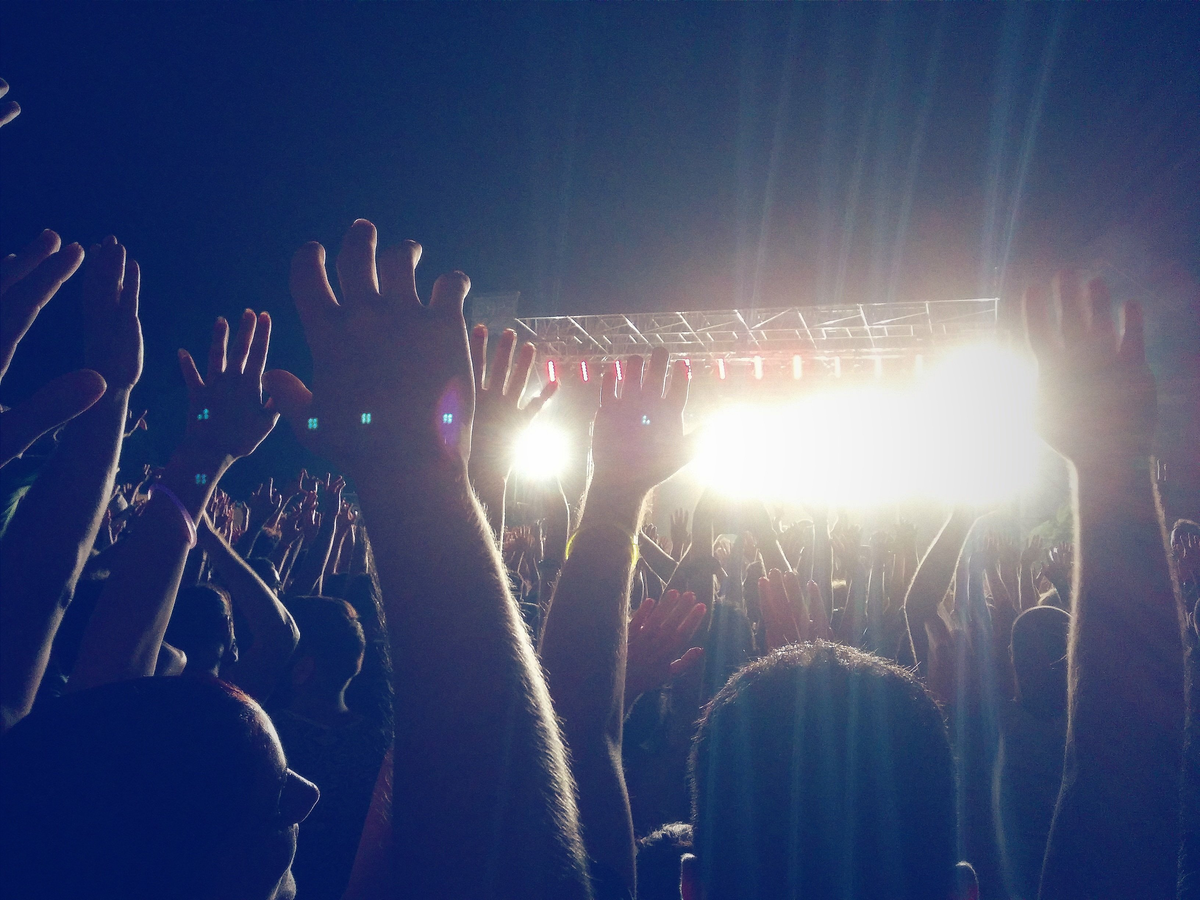
The atmosphere at a McCartney show in this era is special because it’s so multigenerational. You’ll see boomers who watched Beatlemania on black-and-white TV, millennials who grew up on their parents’ CDs, and Gen Z kids singing every word from their phones’ lyric screens. When "Hey Jude" hits the "na-na-na" coda and the lights go up, the whole stadium becomes a choir. It’s one of those rare moments where you feel pop history and present-tense emotion at the same time.
Production-wise, expect a sleek but classic rock setup – big LED screens, crisp sound, and carefully timed pyro for "Live and Let Die" that still makes people jump no matter how many times they’ve seen the clip. McCartney himself switches between bass, piano, acoustic guitar, and occasionally ukulele, with the same core band he’s used for years. That familiarity shows: they’re tight, playful, and comfortable improvising or stretching out solos.
For 2026, fans are hoping for a few specific shifts:
- More "McCartney III" and deep cuts: Songs like "Find My Way", "Deep Down", or "Women and Wives" have gathered a cult following. Younger listeners in particular want to hear the newer stuff side by side with the classics.
- Rotating "holy grail" songs: There’s a permanent wish-list for live debuts or super-rare tracks – "Martha My Dear", "Dear Boy", "Arrow Through Me", "Dominoes". Even one or two rotations per night would send hardcore fans into meltdown.
- Special guests in key cities: In London, New York or LA, speculation always centers on surprise duets – maybe another cameo from modern stars who grew up on his music.
Realistically, he’ll keep the backbone of the hits-heavy set. But McCartney has always paid attention to fan chatter. Don’t be shocked if 2026 shows lean a bit more into deep-cut territory while still making casual fans happy. If you’re the type to study setlists on Setlist.fm before a gig, be prepared to refresh obsessively – small changes night to night matter with an artist like this.
What the web is saying:
Rumor Mill: What Fans Are Speculating
If you want the pure, unfiltered pulse of the McCartney fandom, you don’t go to the press release – you go to Reddit threads, Discord servers, X (Twitter) lists, and TikTok comment sections. That’s where the theories about 2026 are exploding.
1. "Is this the final big tour?"
This is easily the loudest conversation. Many fans think the next serious run of shows could be the last traditional stadium-scale outing, even if McCartney continues to do one-off events, charity gigs, or surprise festival slots. The argument is simple: age, energy, and travel demands. He still sounds strong, and his band can carry the weight, but flying city to city, night after night, isn’t a small thing in your 80s.
Because of that, Reddit posts are full of people saying they’re ready to travel further than usual – hopping flights between US coasts or from Europe to the UK – just to be in the room once. There’s also a surge of parents planning to take their kids, describing it as a "musical bucket list" moment.
2. Holograms, AI and deepfake fears
After the success of the "Get Back" documentary and the tech used on the "Now and Then" Beatles release, some fans worry about a future where McCartney as a live presence gets replaced by AI-assisted performances or virtual shows. Right now, that’s more speculation than reality – nothing official points to that being the plan – but it feeds into a feeling that "real" live shows right now are priceless.
3. Ticket prices and "ethical" fandom
One constant thread on r/Music and pop forums: ticket prices. Fans are still scarred by dynamic pricing episodes for other superstars. With McCartney, expectations are split. On one hand, people accept that seeing one of the most famous songwriters in history is never going to be cheap. On the other, younger fans with smaller budgets are begging for at least some reasonably priced seats and anti-bot measures.
People are swapping strategies: presale codes from mailing lists, refreshing the official site the second new dates drop, and using verified resales instead of random third-party sites. There’s even talk of "buddy systems" where fans coordinate to buy in pairs or groups to dodge the worst of the resale chaos.
4. Surprise album or live release tie-in?
Another big theory: that any new 2026 live run could be paired with either a fresh archival project (like expanded editions of classic albums), a live album from recent tours, or even a set of previously unreleased songs. McCartney has leaned into his archive in smart ways in the past. Bundling a tour with something like a new live-film release, or streaming-exclusive concert document, would fit both fan appetite and modern content strategies.
5. City wish-lists and "he owes us" discourse
Never underestimate regional pride. Fans in certain cities are loudly convinced that "this is our year" – from US cities skipped on previous runs, to European markets arguing they’ve waited long enough since the last visit. You’ll see posts like "He skipped us in 2023, if he doesn’t hit our arena this time, I’m flying to London" every day.
All that noise matters. McCartney’s team absolutely monitors where demand looks strongest. If your city’s fanbase is loud, organised and visibly excited online, you’re not just screaming into the void – you’re helping build the case for a date.
Key Dates & Facts at a Glance
Some key things to keep in mind as you track Paul McCartney activity in 2026:
- Official live info hub: All confirmed dates, cities and venues are always updated first at the official live page: paulmccartney.com/live.
- Announcement patterns: Historically, new runs of shows tend to be announced in batches a few months ahead of the first date, often with major US and UK cities flagged first.
- Typical show length: Around 2.5 to 3 hours, with a 30+ song setlist mixing Beatles, Wings and solo material.
- Average setlist staples: "Let It Be", "Hey Jude", "Live and Let Die", "Band on the Run", "Get Back", "Blackbird", "Something", "Can’t Buy Me Love", and "Maybe I’m Amazed" are extremely likely to show up.
- Ticket channels: Most tickets go on sale via major primary ticketing platforms linked directly from the official site; avoid buying from unverified resellers early.
- Presale access: Mailing list sign-ups, fan clubs, and occasionally album or merch bundles can provide earlier buying windows.
- Age range of audience: Everything from teens and 20-somethings to fans who lived through Beatlemania – plan for a very mixed crowd vibe.
- Merch expectations: Tour shirts featuring Beatles-era art, Wings iconography, and current-era designs, plus posters, vinyl variants and city-specific items in major markets.
- Content rule of thumb: Phones are everywhere; expect tons of clips on YouTube, Instagram Reels and TikTok within hours of each show.
- Health and schedule caveat: As with any artist at this level and age, dates can shift due to health or logistical issues; always double-check close to the show.
FAQ: Everything You Need to Know About Paul McCartney
Who is Paul McCartney for a new generation of fans?
For older listeners, Paul McCartney is the bassist and co-songwriter of The Beatles, one of the most influential bands in music history. For Gen Z and younger millennials, he’s often discovered in more fragmented ways: a credit on a Kanye West track, a vinyl reissue on TikTok, a meme clip from "Get Back" where he casually writes "Get Back" in real time, or a playlist that drops "Maybe I’m Amazed" next to modern alt-pop. In 2026, thinking of him only as a "legacy act" misses the point. He’s a living link between 60s rock, 70s experimental pop, 80s and 90s ballads, 2000s collaborations, and 2020s social media culture.
What kind of music does Paul McCartney play live?
McCartney’s live shows are basically a crash course in pop-rock history. Expect tight rock & roll, piano ballads, acoustic folk moments, psych-pop and even a bit of quirky synth or experimental arrangements on certain solo tracks. You’ll get Beatles songs like "Let It Be", "Hey Jude", "Get Back" and "Something", Wings-era anthems such as "Band on the Run", "Jet", and "Live and Let Die", plus solo highlights from albums like "McCartney", "Ram", "Tug of War", "Flaming Pie", "Chaos and Creation in the Backyard", "Egypt Station" and "McCartney III". The show leans catchy and melodic, with some deep cuts thrown in to keep hardcore fans glued.
Where can you find accurate information about upcoming Paul McCartney concerts?
The only place you should treat as a final word is his official site. The live section at paulmccartney.com/live lists confirmed dates, venues, and ticket links. After that, follow his verified social accounts and, if you’re serious, set alerts on major ticketing platforms for your city or region. Fan forums and Reddit are useful early warning systems when venues start teasing announcements, but they’re not official – rumours about specific arenas and stadiums can appear weeks before deals are final. Always cross-check with the official site before spending money.
When should you be ready to buy tickets?
With an artist like McCartney, timing is crucial. Presales can wipe out good sections before the general on-sale even begins. Your best move is to:
- Sign up for the official mailing list so you don’t miss presale codes and announcement emails.
- Know in advance which cities you’re willing to travel to, in case your home city gets skipped or sells out instantly.
- Set a realistic budget. McCartney tickets aren’t cheap, and dynamic pricing can push popular sections higher than initial estimates.
- Log in to ticketing platforms ahead of the sale, with payment details pre-saved, so you’re not fumbling when the queue opens.
In 2026, demand is likely to be intense because of the "this might be my last chance" feeling. Treat it like a big drop you really care about – alerts on, tabs open, no hesitation.
Why do Paul McCartney shows matter so much culturally?
It’s not just nostalgia. When you watch McCartney play "Let It Be" or "Hey Jude" in real time, you’re hearing songs that shaped how modern pop music even works – structure, melody, emotion, everything. These tracks have been shouted in football stadiums, whispered at hospital bedsides, sung at weddings and funerals, and looped in car journeys for decades. Seeing the songwriter who helped create them still standing on stage, still telling stories about John and George and Linda, connects you to a chain of music history that stretches from 60s Liverpool to the For You page on your phone.
Also, the shows are fun. They’re loud, emotional, and surprisingly loose. McCartney cracks dad jokes, forgets lyrics occasionally, and leans into the human side of being a legend. That mix – the weight of history and the casual, almost goofy warmth – is what turns these gigs into emotional core memories for a lot of fans.
What should first-time attendees expect at a Paul McCartney concert?
Practical answer: arrive early, wear comfortable shoes, and be ready for a long night. Lines for merch and security can be heavy, and the show itself is long, so you don’t want to be stressed or exhausted before it even starts. Expect a dense crowd of every age, lots of people filming, and plenty of singalongs. You might cry at moments you didn’t expect – an older couple slow-dancing to "Maybe I’m Amazed", the whole stadium lighting up their phones during "Let It Be", a kid on a parent’s shoulders losing it when they recognize "Hey Jude" from that one movie or TikTok edit.
Musically, don’t expect spotless, auto-tuned perfection. His voice carries years of singing, and that’s part of the magic. The band fills in, the arrangements are solid, and the emotional hit is what people remember most. If you go in open to the experience rather than chasing a flawless vocal take, you’ll walk out stunned.
How can you make the most out of the 2026 era as a fan, even if you can’t afford a ticket?
Not everyone can drop serious money on stadium seats or travel to another city. The good news is that McCartney’s fan ecosystem is generous. Full-show uploads and high-quality clips pop up on YouTube within days. Instagram and TikTok surface crowd videos, soundcheck leaks, and meet-and-greet moments. There are live threads on Reddit, nightly setlist breakdowns, and fan blogs doing song-by-song reviews.
You can build your own "tour experience" by:
- Following the tour chronologically through fan uploads and setlist updates.
- Curating playlists matching each night’s setlist so you can "attend" remotely.
- Joining fan discussions before and after big shows to share your own stories, favourite songs, and reactions.
- Diving backwards into albums you don’t know yet – if a song suddenly becomes a tour highlight, go find the studio version and context.
Being a McCartney fan in 2026 doesn’t just mean being inside the stadium. It means tapping into a global community that is weird, emotional, and incredibly dedicated to keeping this music alive while the person who wrote it is still with us.
As the rumours keep building, the bottom line is simple: stay plugged into the official channels, watch the fan chatter, and decide now how badly you want to be there if he announces a city within your reach. Because whenever those lights go down and the first chords hit, nobody in the building is thinking about rumours anymore – they’re too busy singing.
So schätzen die Börsenprofis Aktien ein!

Für. Immer. Kostenlos.