
Nasdaq 100: Next Explosive AI Opportunity Or Hidden Tech Wreck Risk?
10.02.2026 - 01:34:06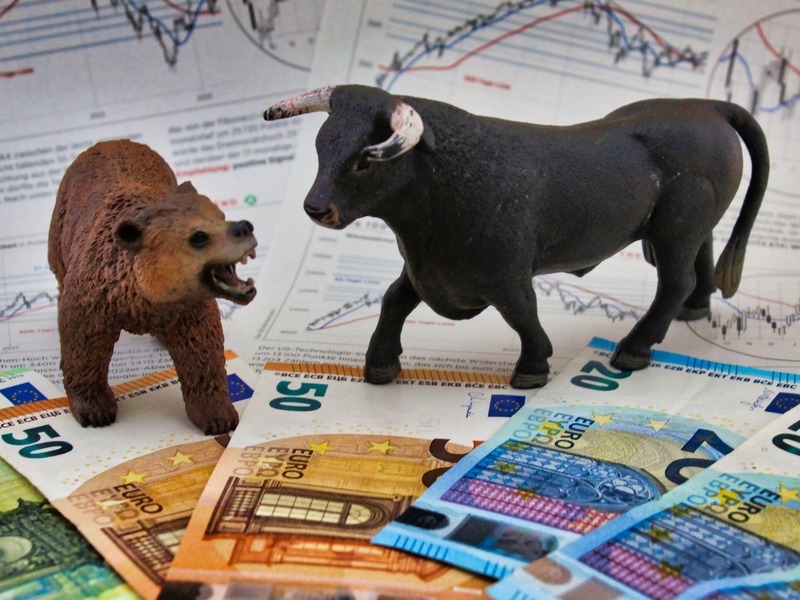
Get the professional edge. Since 2005, the 'trading-notes' market letter has delivered reliable trading recommendations – three times a week, directly to your inbox. 100% free. 100% expert knowledge. Simply enter your email address and never miss a top opportunity again. Sign up for free now
Vibe Check: The Nasdaq 100 is locked in a powerful, AI-fueled uptrend, but with serious mood swings: sharp rallies, sudden shakeouts, and constant debates about whether this is a new era or a classic bubble setup. Think relentless optimism battling persistent macro fear, with every pullback turning into a heated bull vs. bear street fight.
Want to see what people are saying? Check out real opinions here:
- Watch deep-dive YouTube breakdowns on the latest Nasdaq 100 and AI-stock setups
- Scroll the hottest Instagram reels on Wall Street momentum and tech trades
- Tap into viral TikTok clips sharing aggressive tech-stock tips and risk warnings
The Story: The Nasdaq 100 right now is basically a leveraged bet on three forces: artificial intelligence hype, interest-rate expectations, and the dominance of a tiny elite group of mega-cap tech names. Every candle on the chart is screaming one core question: how much future growth can you safely pull into the present without blowing up valuations?
The AI narrative is the main driver. From chip makers to cloud platforms to software and data plays, the market is essentially pricing in an AI productivity revolution that transforms profit margins across the entire tech stack. The story goes like this: AI cuts costs, boosts efficiency, and opens new revenue streams. That gives traders the confidence to pay richer multiples for earnings that are expected to ramp for years.
But the macro backdrop is not chill. Under the surface, everything comes back to the classic growth vs. rates equation. Tech stocks trade like long-duration assets: most of the value is in the distant future. When bond yields move, the math on those far-off cash flows changes dramatically.
Here’s the simple logic: when the 10-Year Treasury yield climbs, the so-called "risk-free" rate rises. That makes safe bonds more attractive relative to risky growth names. In valuation models, a higher discount rate means future earnings are worth less today. Translation for the Nasdaq 100: rising yields can trigger brutal deratings, even if the companies keep delivering solid numbers.
When yields cool or drift lower, the opposite happens. The discount rate eases, and suddenly those long-dated AI dreams look more valuable. That’s when you get powerful tech rallies, with the index ripping higher as traders rotate back into growth, high-beta names, and AI leaders.
On top of this, earnings season acts as the reality check. If the big tech and AI champions beat expectations and guide higher, the bull camp argues that the hype is justified. If any of the leaders disappoint or issue cautious guidance, the reaction can be brutal and instant, because everyone knows the index is heavily concentrated.
News flow around semiconductors, cloud spending, and enterprise IT budgets is especially critical. Strong chip demand from data centers and AI infrastructure builds fuels optimism that this is not just a one-quarter story, but a multi-year capex cycle. Any sign of slowing demand, delays in data center projects, or margin pressure on AI hardware can flip the vibe from pure FOMO to "tech wreck incoming" in a heartbeat.
Deep Dive Analysis: The Nasdaq 100 today is more than just an index; it’s a proxy for the "Magnificent 7" and the broader AI complex. A handful of mega-caps control the narrative and the flows. If they run, the index looks unstoppable. If they stall, the whole structure feels fragile.
The key players include Nvidia, Apple, Microsoft, Alphabet, Amazon, Meta, and Tesla. Around them orbit second-tier but still powerful forces like advanced chipmakers, cloud infrastructure providers, and software-as-a-service leaders plugged into the AI theme.
Nvidia sits at the center of the storm as the purest AI infrastructure play. Sentiment swings around it often spill over into the entire Nasdaq 100. When traders see strong AI chip demand, aggressive data center build-outs, and resilient pricing, they extrapolate that across the sector. That drives chase behavior: "If AI spend is exploding, everyone in the value chain wins." When there’s chatter about competition, pricing pressure, or a plateau in orders, AI enthusiasm cools and the index feels the weight.
Apple and Microsoft act like defensive tech giants. They are massive weightings and often behave like quasi-bonds inside the growth universe. In periods of fear, money hides in their strong balance sheets, stable cash flows, and huge buyback programs. In periods of greed, they still participate, but more as steady compounders than hyper-growth rockets.
Alphabet, Amazon, and Meta ride the intersection of digital ads, cloud, and AI-driven products. Their guidance on cloud growth, AI monetization, and ad budgets becomes forward guidance for the entire risk-on environment. If these names talk up strong demand and better margins from AI features, bulls double down. If they highlight caution from advertisers or more cautious enterprise spending, bears smell an exhaustion phase.
Tesla, while more cyclical and controversial, still adds volatility and beta to the index. Its swings can amplify the emotional tone around growth, speculation, and innovation risk in general.
From a technical standpoint, traders are watching a couple of "important zones" rather than obsessing over tick-perfect levels. On the upside, the conversation revolves around recent peaks and zones just below the last all-time high. Every time the index approaches those areas, social feeds fill up with talk of a potential breakout and new ATH. On the downside, attention focuses on the most recent pullback lows and the region where the last couple of corrections found support. As long as dips stall in those areas and buyers step in, the uptrend narrative stays alive.
- Key Levels: In safe mode, think in terms of "important zones" instead of exact numbers. The upper zone is the "breakout region" where the index previously ran out of steam. If price can push through and hold above that area, it signals that bulls are still willing to pay up for AI and growth. The lower "defend zone" includes the most recent swing lows and the range where institutions previously bought the dip. If that region breaks decisively, you shift from "healthy correction" to "tech wreck risk."
- Sentiment: Right now, sentiment is a tense mix of optimism and paranoia. Fear and greed indicators for US equities lean toward the greedy side after repeated "buy the dip" victories, but not at pure-euphoria extremes. The volatility index is relatively muted compared to crisis levels, suggesting traders aren’t pricing in immediate disaster, but spikes in volatility around macro data and Fed comments show how fragile that calm can be. Tech bulls are still in control on higher time frames, but they are being challenged by tactical bears every time macro data pushes yields higher or the Fed talks tough.
The Macro: Fed, Rates & Why Growth Stocks Are So Sensitive
The Federal Reserve is the invisible hand on every Nasdaq 100 chart. Expectations around future rate cuts or prolonged higher-for-longer policy are constantly repriced, and each shift hits tech valuations directly.
When traders expect earlier or more aggressive rate cuts, they effectively assume a lower future cost of capital and a friendlier environment for growth. That supports higher valuation multiples, smoother financing for high-growth projects, and a more forgiving market for temporary earnings hiccups. Tech stocks, especially those tied to long-term AI and cloud investments, love that setup.
When data comes in hot on inflation or the labor market, and the Fed signals that cuts may be delayed, the script flips. The growth trade gets questioned. Discount rates edge higher, and every dollar of future earnings gets re-rated lower. This is why the Nasdaq 100 can have aggressive intraday reversals on what looks like "boring" macro data: under the hood, the whole growth vs. rates framework is being recalculated.
Bond yields, especially the 10-Year Treasury, act as the scoreboard for this tug-of-war. A calm, drifting-lower yield backdrop supports tech. Spiking yields trigger risk-off flows, with leveraged traders de-risking and fast money rotating into value, cyclicals, or even just cash.
Sentiment: Fear, Greed, Volatility & The Buy-the-Dip Habit
One of the defining features of this cycle is the insane strength of the "buy the dip" mentality. Every sharp pullback in the Nasdaq 100 over the last couple of years has attracted fast dip-buyers, algorithmic flows, and retail FOMO piling in as soon as red candles show signs of slowing.
This creates a reflexive feedback loop: traders expect that dips will be bought, so they hesitate to sell aggressively into weakness, which in turn makes dips shallower, which reinforces the habit. As long as this behavior persists and liquidity remains deep, the index tends to grind higher over time with violent but short-lived drawdowns.
But there’s a flip side. When positioning gets crowded and everyone is leaning on the same playbook, the risk is that one shock event – a nasty earnings miss from a mega-cap, an unexpected hawkish pivot, or a macro scare – triggers a deeper liquidation that breaks the usual pattern. That’s when late dip-buyers risk becoming bagholders.
The volatility index for US equities remains far below crisis levels, but it’s not dead. You can see spikes around major Fed meetings, key inflation prints, and mega-cap tech earnings. That’s a tell: the market is confident, but not complacent enough to ignore tail risks.
Social sentiment across YouTube, TikTok, and Instagram is split. A wave of creators is pushing the "AI decade" narrative and celebrating each surge in leading chip and software names as the new normal. Another camp is warning that concentration risk is off the charts, that the index is too dependent on a handful of giants, and that any serious policy or growth shock could flip the script from "easy gains" to "forced liquidation."
Conclusion: Opportunity, Risk, And How To Think Like A Pro Around The Nasdaq 100
The Nasdaq 100 right now is both a massive opportunity and a very real risk zone. On one hand, you have a powerful secular theme – AI, cloud, digital transformation – that genuinely can reshape profits and productivity for years. On the other hand, you have valuations that already price in a big chunk of that future, concentrated in a small set of mega-cap names that dominate the index.
If the AI build-out continues, earnings keep compounding, and the Fed manages a smooth glide path down from restrictive to neutral policy, the bulls can absolutely push this index into fresh all-time highs and beyond. In that scenario, every correction is just another chance for patient traders and investors to scale in.
If, however, the growth narrative stalls, capex slows, or inflation re-accelerates and forces the Fed to stay tighter for longer, the same concentration that powered the upside becomes a vulnerability. A single disappointment from a top-3 index heavy-weight can drag the whole complex lower and shake confidence in the buy-the-dip reflex.
For active traders, the game is about respecting both the trend and the risk:
- Ride the dominant uptrend as long as those "important zones" of support keep holding and the mega-caps defend their leadership.
- Watch bond yields, Fed commentary, and AI-related earnings like a hawk. Macro and micro are fused in this market.
- Size positions so that a sudden volatility spike or fast correction doesn’t knock you out of the game. The index is powerful, but it’s not gentle.
The best mindset is neither blind FOMO nor paralyzing fear. Treat the Nasdaq 100 as a high-beta, AI-charged vehicle: potentially explosive to the upside, but not a one-way street. Respect the trend, know the macro, track the Magnificent 7, and never forget that the market’s favorite trade can, at any time, become its favorite trap.
In other words: the opportunity is real, but so is the risk. Trade it like a pro, not like the next bagholder chasing the last green candle.
Tired of poor service? At trading-house, you trade with Neo-Broker conditions (free!), but with real professional support. Use exclusive trading signals, algo-trading, and personal coaching for your success. Swap anonymity for real support. Open an account now and start with pro support
Risk Warning: Financial instruments, especially CFDs on Tech Indices like the NASDAQ 100, are highly volatile and come with a high risk of losing money rapidly due to leverage. You should consider whether you understand how these instruments work and whether you can afford to take the high risk of losing your money. This content is for informational purposes only and does not constitute investment advice.


