Muse 2026: Tours, Teasers & Fan Chaos
24.02.2026 - 11:28:16 | ad-hoc-news.de
You can feel it, right? That low-key panic that hits every time you see the word "Muse" trending and wonder, did they just announce something and I missed it? Whether you grew up screaming along to "Hysteria" in your bedroom or you discovered "Compliance" through TikTok edits, 2026 is shaping up to be another big question-mark year for Muse fans – more tour dates, more cryptic hints, and a fanbase that refuses to sit quietly and wait.
Check the latest official Muse tour dates here
Right now, every interview snippet, every random Matt Bellamy post, every subtle change on the official site has fans going full detective mode. Will they expand the last tour? Are we getting a one-off anniversary show? A new live era? You’re not the only one refreshing ticket pages and setlist sites like it’s a full-time job.
The Backstory: Breaking News in Detail
Here’s where things stand. Muse finished their massive "Will of the People" cycle as one of the few rock bands still able to stage a full sci-fi stadium apocalypse on any given weeknight. That run cemented what we already knew: Muse aren’t just touring, they’re world-building in real time. Even after that, the chatter hasn’t died down – it’s just evolved.
In recent months, interviews and behind-the-scenes clips have hinted that Muse are very much in forward motion. Matt Bellamy has talked repeatedly about how the band reacts to the political mood and tech anxiety of each era. That’s exactly how we got "Simulation Theory" and "Will of the People" – albums built around surveillance, digital chaos, and the feeling that reality is basically a glitchy video game.
For fans, this matters because Muse don’t usually go quiet for long without a reason. When they lay low, it’s often because a new phase is loading in the background: fresh stage tech, new production tricks, and an updated narrative for the live show. Their recent cycles proved that: from the neon retro-future of "Simulation Theory" to the masked revolution vibe of "Will of the People", each chapter has come with a distinct visual and sonic identity.
Industry chatter and fan sleuthing around the official tour page suggest a few key things. First, Muse still treat the US, UK, and Europe as core territories for any major announcement. If new dates drop, expect London, Manchester, Los Angeles, New York, Paris, Berlin, and big festival slots to be in the first wave. Second, Muse love a narrative hook – anniversaries, concept reveals, or political milestones often line up with their activity. Fans are already aligning potential announcements with album birthdays, election cycles, and festival calendars.
Another piece of the puzzle is how the band has embraced fan energy online. Clips from the last arena and stadium runs keep going viral: Matt nailing those insane high notes on "Plug In Baby", Dom breaking into a grin mid-fill, Chris shredding that "Hysteria" bass line while an entire stadium loses its mind. This organic momentum gives the band leverage – promoters see it, streaming platforms see it, and the band certainly sees it. It all feeds into whether we get new legs of a tour, special one-off shows, or even new music timed to live dates.
So while there might not be a full-blown, world-conquering 2026 tour mapped out in public yet, everything around Muse – from low-key hints in interviews to the careful upkeep of their official tour hub – suggests that the machine is still very much switched on. If you’re feeling restless, that’s because this is exactly the calm-before-the-chaos phase that has historically led to big Muse moves.
The Setlist & Show: What to Expect
Even before new dates hit your feed, the big question is obvious: What are they going to play? Muse’s recent tours gave us a pretty solid blueprint for what a modern Muse night looks and feels like, and you can use that to guess what’s coming next.
Across their last major runs, setlists have usually hit a sweet spot between new-era anthems and era-defining deep cuts. That means you can usually count on explosive openers like "Will of the People" or "Algorithm" setting the tone, followed by fan-favorite chaos like "Hysteria", "Psycho", and "Plug In Baby" later in the show. The band knows those riffs live rent-free in your brain; they’re not abandoning them any time soon.
Then there are the emotional punches. Songs like "Starlight", "Time Is Running Out", and "Supermassive Black Hole" are almost guaranteed to show up because they hit that sweet spot between nostalgia and pure crowd-pleaser energy. The way an arena lights up on the first piano notes of "Starlight" is still one of the most reliable goosebump moments in rock.
Recent tours also pulled in newer tracks like "Won’t Stand Down", "Compliance", and "Verona", giving fans a sense of how the band blends their modern political edge with the cinematic drama they’ve always loved. One of Muse’s strengths is pacing a set like a movie: slow-burn intros, mid-show chaos, a brief emotional breakdown, and then an explosive, over-the-top finale – often anchored by "Knights of Cydonia", "Uprising", or both.
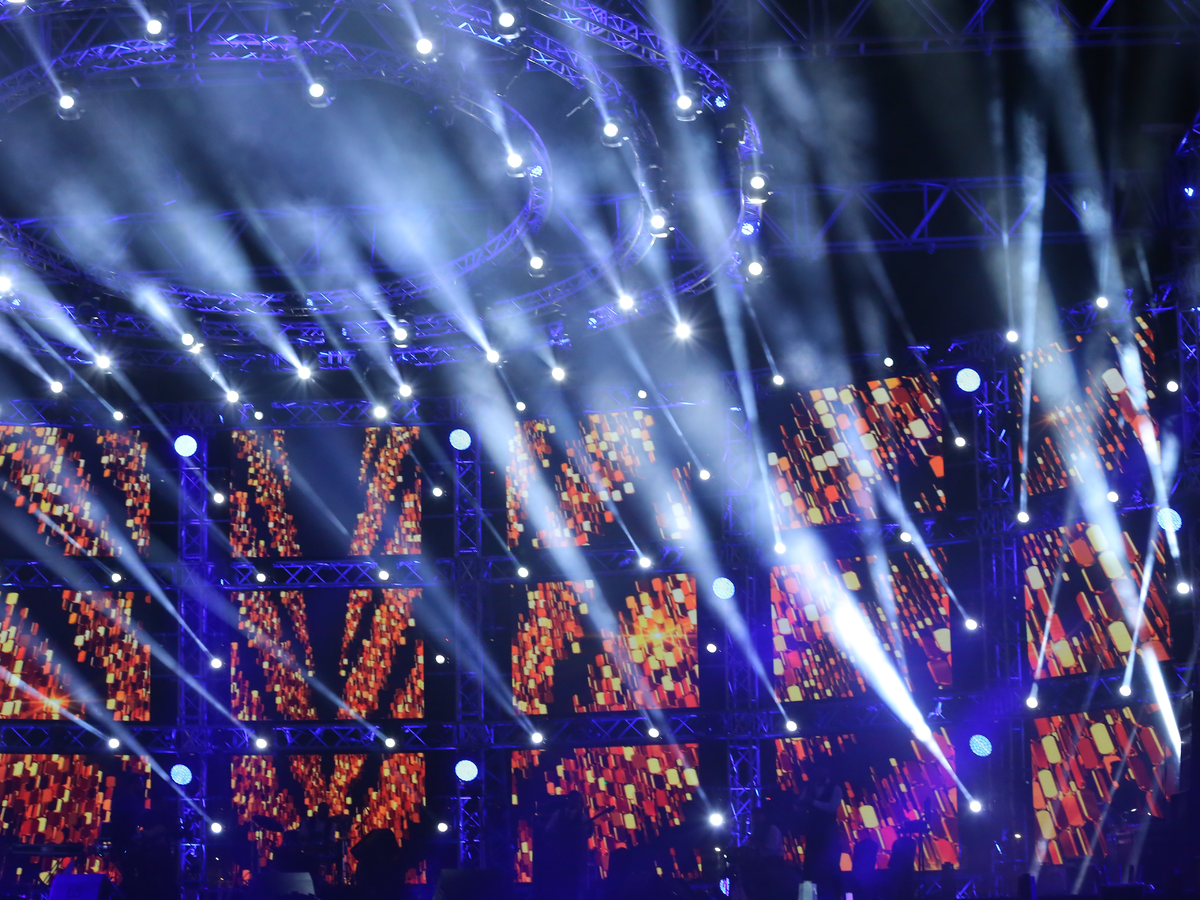
Visually, you should expect nothing about Muse to be minimalist. Previous runs packed in LED walls, political slogans, dystopian cityscapes, giant masks, pyro hits, CO2 blasts, and that signature Bellamy guitar wizardry under laser grids. Even when they play festivals or slightly smaller venues, they tend to bring at least a stripped-down version of the full production rather than a budget version of themselves.
Another huge part of the modern Muse experience has been the surprise factor. Some recent shows rotated songs like "Citizen Erased", "Bliss", and "New Born" in and out of the setlist, giving superfans a reason to obsess over every date. If and when fresh 2026 shows land, expect that same mix of consistency and chaos: core hits kept in place, rare tracks swapped in to keep fans guessing, and maybe even a couple of serious deep cuts to reward the ones who’ve been here since the "Showbiz" and "Origin of Symmetry" days.
Support acts are another wild card to watch. Muse have a track record of choosing openers that say something about where their heads are at: heavy rock, futuristic pop, or politically charged bands. With Gen Z listeners jumping from hyperpop to metal to EDM in a single playlist, there’s a good chance any future Muse bill leans into that genre-mashing attitude.
Ticket prices? That’s already a hot topic. On past tours, fans saw a spread from more affordable upper seats into expensive VIP and pit packages. Expect a similar situation going forward: higher-end prices for front-row chaos and exclusive merch, but at least some effort to keep entry-level tickets reachable, especially in Europe and the UK where standing sections are still essential to the Muse experience.
What the web is saying:
Rumor Mill: What Fans Are Speculating
If you’ve opened Reddit or TikTok any time lately and searched "Muse", you already know the fandom isn’t exactly staying calm. There are basically three major rumor lanes right now: new tour dates, an album or EP teaser, and anniversary-style shows for older records.
On Reddit, threads in rock and alt communities are full of users cross-referencing festival posters, booking agency leaks, and suspicious gaps in European and US venue calendars. Fans point out that Muse like clustering shows in waves and often line up their touring with big industry windows: European summer festivals, US late-summer runs, and UK arena blocks in autumn and winter. So every time a major festival leaves a suspiciously Muse-sized gap near the top of the poster, speculation flares.
There’s also a healthy amount of album theory going around. Some fans think the band might shift into a darker, heavier lane after the mix of rock, pop, and political anthems on "Will of the People". Others are convinced we’re due a more stripped-back, organic-sounding Muse record to contrast with the polished, high-tech feel of the last few albums. TikTok edits remix older tracks with AI visuals and fan-made "new era" aesthetics, imagining everything from a full-on metal record to a return to the swirling intensity of "Absolution".
Another big talking point: anniversary shows. As their classic albums age into iconic status for a whole new generation, people are loudly asking for full-album performances of "Origin of Symmetry", "Absolution", or "Black Holes and Revelations". Every time a band from their era announces an "album in full" tour, Muse fans flood comment sections to say, "Okay but where is ours?" Some speculate that a small run of special dates in London, Paris, Los Angeles, or Tokyo built around one of those albums would sell out instantly.
Then there’s the ongoing controversy around ticket pricing and dynamic pricing systems. On social platforms, especially TikTok and X, younger fans and long-time followers share screenshots of price jumps and complain about how hard it is to get into the pit without destroying their savings. At the same time, you’ll see people posting that a Muse show is still one of the most "worth it" live experiences in rock because you’re effectively paying for a festival-level production wrapped into one band’s set.
Finally, some fans are going even deeper with narrative theories. Because Muse have built such a consistent universe of rebellion, AI, surveillance, and resistance, people are convinced that the next phase will continue the story. There are full-blown theory posts aligning past album characters and symbols into a single timeline: the drones, the resistance fighters, the masked revolutionaries, all leading to whatever comes next. Will the next live show feel like the final chapter of this dystopian saga or a reset into something totally different? Nobody knows – but the speculation alone is keeping the fandom buzzing.
Key Dates & Facts at a Glance
- Official tour info hub: All confirmed dates and official announcements land first on the band’s tour page – bookmark it and refresh regularly.
- Core touring regions: UK, Europe, and North America historically get the bulk of Muse’s major arena and stadium shows.
- Classic album era: "Origin of Symmetry" (early 2000s) and "Absolution"/"Black Holes and Revelations" defined their rise from cult band to global headliner.
- Modern album cycle: "Simulation Theory" leaned into neon retro-futurism and VR aesthetics, while "Will of the People" focused on unrest, protest, and digital-age authoritarianism.
- Signature live closers: "Knights of Cydonia", "Uprising", and sometimes "Take a Bow" are iconic end-of-show or late-set moments.
- Fan-favorite deep cuts: "Citizen Erased", "Bliss", "New Born", and "Stockholm Syndrome" still generate intense fan campaigning to stay in or return to the setlist.
- Stage production reputation: Muse are known for massive LED rigs, intricate light shows, onstage props, and high-concept visuals, even when not in full stadium mode.
- Streaming crossovers: Songs like "Starlight", "Supermassive Black Hole", and "Hysteria" remain massively streamed and often surge around tour announcements.
- Fanbase profile: A mixed crowd of millennial day-ones and Gen Z fans drawn in through streaming, film/TV placements, and viral edits.
- Social buzz drivers: Live vocal moments, guitar solos, and massive crowd sing-alongs consistently go viral after each tour stop.
FAQ: Everything You Need to Know About Muse
Who are Muse and why do people still care in 2026?
Muse are a British rock trio who built their name on dramatic vocals, heavy riffs, and a love for sci-fi, politics, and conspiracy themes. Even in 2026, they stand out because they treat every album and tour like a full cinematic universe. Where other bands might just play the hits, Muse build entire worlds: masked revolutionaries, dystopian cities, digital overlords, creeping authoritarianism. For a generation that grew up with climate anxiety, political chaos, and social media overload, that mix of paranoia and catharsis clicks hard.
People still care because a Muse show doesn’t feel like a nostalgia event. Even when they’re playing songs that dropped more than a decade ago, the production, visuals, and energy feel wired to right now. Add in those ridiculous vocal runs, the huge choruses, and the sense that something is happening every second, and you’ve got one of the few modern rock acts who can still make an arena feel like a movie set.
What kind of music do Muse actually make?
Genre-wise, Muse refuse to sit still. At their core, they’re a rock band: loud guitars, dramatic drums, big bass lines. But they’ve pulled in classical influences, electronic beats, dubstep-inspired drops, synthwave textures, metal riffs, and pure pop hooks along the way. You can go from the snarling heaviness of "Stockholm Syndrome" to the danceable groove of "Supermassive Black Hole" to the soaring ballad style of "Starlight" in the same set.
If you’re brand new, think of them as the midpoint between heavy alt-rock and cinematic pop, with lyrics that obsess over power, technology, rebellion, and the end of the world. Their albums often feel like soundtracks to an imaginary Black Mirror season, but with way more guitar solos.
Where do Muse usually tour, and how fast do tickets go?
Muse are a global act, but historically their strongest touring territories are the UK, mainland Europe, and North America. They’ll also hit key cities in other regions when the cycle makes sense, but if you’re in London, Manchester, Paris, Berlin, New York, Los Angeles, or similar big markets, your odds of seeing them nearby are high whenever a new tour hits.
Ticket speed depends on the venue size and the market. Major cities and smaller special shows can sell out quickly, especially if it’s a one-off or an underplay compared to their usual arena scale. Stadium shows sometimes give you a bit more breathing room, but the best standing and floor spots are snapped up fast. If you’re serious about being close to the action, you need to be locked in when pre-sales or general on-sales go live on the official channels linked from the band’s tour page.
When is the best time to check for Muse announcements?
There’s no guarantee, but there are patterns. Big announcements often land mid-week, when industry and media attention is highest. Festival season line-ups typically drop in waves across late winter and early spring, so that’s a prime time to watch for Muse appearing near the top of posters. New album or single announcements can land at almost any time, but they tend to correlate with touring plans – it’s rare for Muse to drop a full campaign without some live component attached or in the pipeline.
Practically speaking, your best move is to keep an eye on their official channels, sign up for mailing lists, and check the tour page regularly rather than relying purely on random social scrolls. Rumors are fun, but official dates, on-sale times, and venue details will always live there first.
Why are Muse tickets sometimes expensive – and are they worth it?
Muse sit in that tier of rock bands where the production costs are legitimately huge. You’re not just paying to see three musicians on a bare stage; you’re paying for custom visuals, elaborate light and laser rigs, staging platforms, crew, transport, pyro, and all the infrastructure that makes the show feel larger than life. That reality, mixed with modern ticketing systems and dynamic pricing, can push prices up, especially for prime spots.
Whether it’s "worth it" is personal, but many fans argue that a Muse night delivers more spectacle per dollar than a lot of other tours. You get a long set, high energy, strong live vocals, and constant visual moments that look incredible in person and on your camera roll. If you’re working on a tight budget, aiming for upper-tier seats or less in-demand cities can soften the hit while still giving you the full sonic and visual punch.
What should a first-time Muse concert-goer expect?
Expect it to be loud, theatrical, and intense in a very good way. You’ll be surrounded by a mix of hardcore lifers who know every B-side and newer fans who came in through streaming-era hits. Sing-alongs are huge – from the "we will be victorious" chant of "Uprising" to full-venue harmonies on "Starlight". You’ll feel the floor shake on heavier tracks like "Psycho" and "Hysteria", and you’ll probably be blinded at least once by lasers and strobes pointed straight into your soul.
On top of that, there’s a weird little emotional arc that almost every Muse show nails. You’ll laugh, you’ll rage at imaginary governments, you’ll stare at Matt Bellamy’s guitar work like it’s witchcraft, and at some point you’ll likely have a quiet internal crisis during a ballad while thousands of phone flashlights wave in the air. Even if you go in as a casual fan, you can easily walk out feeling like you’ve just watched your new favorite band.
Why does the fandom obsess so much over setlists and eras?
Muse are one of those bands where every era feels distinct: different outfits, different stage props, different visual languages, different moods. Because of that, fans latch onto specific albums that match their own life phases – maybe you were in high school during "Black Holes and Revelations", or you first heard them through "The Resistance", or you discovered them in a playlist and then fell into older records.
Setlists become a kind of emotional scoreboard. If your favorite deep cut shows up, it feels like the band is reading your mind. If it disappears, you immediately jump online and complain with everyone else. That constant conversation – about which songs deserve to stay, which eras should get more love, and what the next phase should sound like – keeps the fandom active even between cycles. In 2026, that energy hasn’t gone anywhere. If anything, with more platforms and more fan voices, it’s louder than ever.
So schätzen die Börsenprofis Aktien ein!

Für. Immer. Kostenlos.