
Motörhead’s Loud Legacy: Why 2026 Still Belongs to Lemmy
01.03.2026 - 08:00:55 | ad-hoc-news.de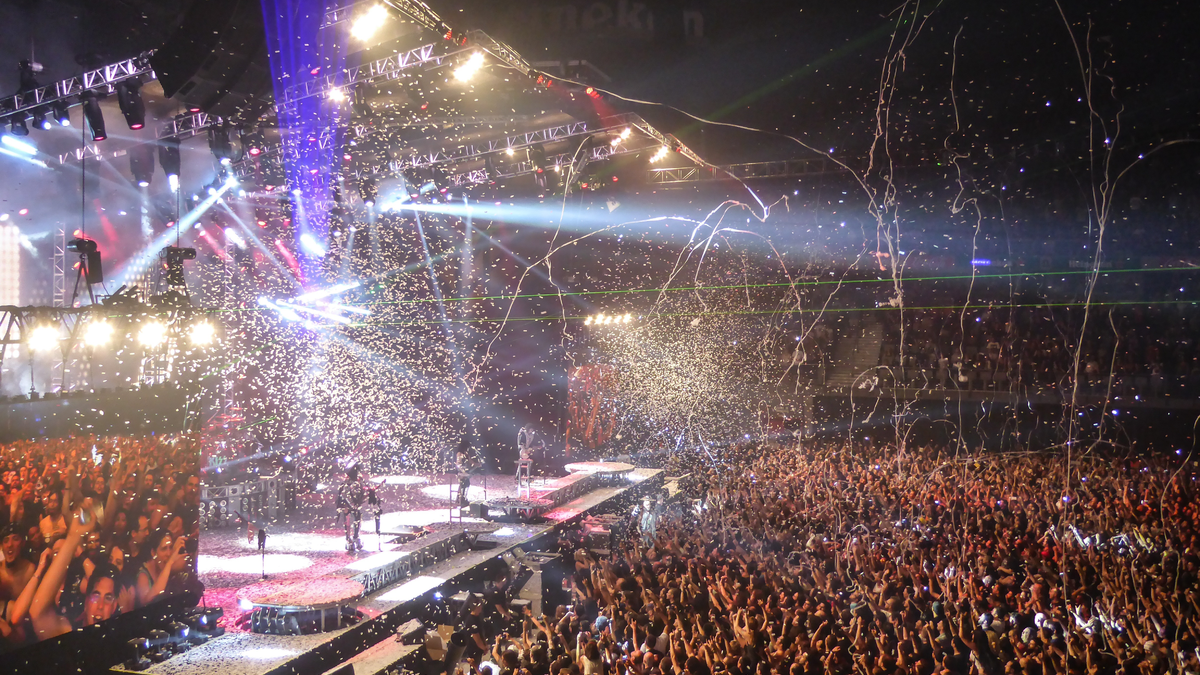
You can feel it every time "Ace of Spades" crashes out of a bar speaker or pops up on a TikTok edit: Motörhead never really left. Even in 2026, long after Lemmy’s passing and the band’s touring days ended, the noise around Motörhead is spiking again – new reissues, tribute shows selling out, and a fresh wave of Gen Z fans discovering that no one hits quite as hard as Lemmy, Philthy and Fast Eddie ever did.
Tap into the official Motörhead universe here
If you’re seeing more Motörhead shirts on the street, more TikTok edits with "Overkill" under them, and more festival lineups featuring all-star Motörhead tribute sets, you’re not imagining it. The band that always swore they were rock ’n’ roll, not metal, is quietly having another moment – and it’s hitting a whole new generation right in the chest.
The Backstory: Breaking News in Detail
First, the reality check: Motörhead as an active touring band ended with Lemmy’s death in December 2015. Surviving members have repeatedly been clear in interviews that there will be no touring version of Motörhead without him. That line in the sand hasn’t moved – but the activity around the band absolutely has.
Over the last few years, the Motörhead camp has gone deep on preserving and upgrading the catalog. We’ve seen deluxe editions of classics like "Ace of Spades" and "No Sleep ’Til Hammersmith" with stacked bonus discs, live cuts, and thick book-style liner notes, plus vinyl pressings that actually do justice to how filthy and huge these records are supposed to sound. Each new anniversary cycle pulls more listeners in, especially younger fans who are finally hearing these albums in a quality that doesn’t sound like a 128kbps MP3 from the Limewire days.
Industry chatter in early 2026 has circled around a few key moves. One is continued expansion of the band’s archival live releases – especially full shows from peak years in the late ’70s and early ’80s. European label sources and fan-site sleuths have pointed to multi-track recordings from classic UK and German gigs that have never had an official wide release. When past boxes dropped, they were teased months ahead through cryptic social posts and small hints in interviews with the estate and band associates, so fans are now watching those channels closely for any hint of the next vault raid.
Another ongoing storyline is Lemmy’s physical legacy. His ashes were famously placed in custom bullets and shared with close friends and collaborators, and a memorial statue in his image now stands in places like the Rainbow Bar & Grill in Los Angeles. Anniversary events around Lemmy’s birthday and his death date routinely feature tribute nights, DJ sets, and full-band covers shows that function almost like unofficial Motörhead tour stops. In the US and UK, small and mid-sized venues report these tribute nights selling out quickly, often pulling a cross-generational audience: older lifers at the bar, teens up front.
On top of that, Motörhead’s streaming numbers keep creeping upward, especially around key tracks that show up in gaming, film trailers, and TikTok memes. Every new sync deal or viral clip works like a tiny, noisy press release: someone hears "The Chase Is Better Than the Catch" on a clip once, and suddenly they’re queueing up the whole "Ace of Spades" album on their phone. In other words, while there’s no traditional tour or new studio album to announce in 2026, Motörhead is functionally "breaking" all over again to waves of listeners who weren’t even alive when Lemmy was terrorizing the UK charts.
For fans, the implications are clear: the band’s world is shifting from an active touring machine to a carefully curated legacy project. That means fewer last-minute club gigs, but more high-quality live recordings, deeper box sets, and high-profile tribute events that keep Lemmy’s name in the headlines. If you care about sound quality, archival footage, and having the definitive version of every era, this phase might be a golden age.
The Setlist & Show: What to Expect
Because Motörhead are no longer touring as a band, the "setlist" conversation in 2026 is really about two things: what dominates the reissued live releases, and what songs modern tribute bands, festival all-star groups, and one-off homages keep bringing back to the stage.
Look at the recent official live drops and you’ll see a pretty consistent spine of tracks. Whether it’s a 1980 UK show or a later-era festival, the essentials almost always hit:
- "Ace of Spades" – the non-negotiable closer or climax, still the song casual fans scream for.
- "Overkill" – usually extended, with that double-kick ending that refuses to die.
- "Bomber" – all buzzsaw riff and mid-tempo stomp, a live favorite.
- "Stay Clean" – Lemmy’s bass up front, snarling over a deceptively clean groove.
- "Iron Fist" – short, savage, and perfect for a circle pit.
- "(We Are) The Road Crew" – Lemmy’s love letter to the people who make the show happen.
- "Metropolis" – the slinkier, darker side of Motörhead’s catalog.
- "Killed by Death" – a later anthem that still hits like a truck.
Tribute bands and all-star lineups at festivals tend to build around these, then throw in deeper cuts depending on their own fandom: maybe "Damage Case" for the riff nerds, "No Class" for the bar-brawl singalong, or "Rock It" if they want to nod to the "Another Perfect Day" era. At metal and rock festivals across Europe and the UK, it’s become almost standard for someone on the bill to do a Motörhead cover – and when they get more time, they’ll often try to recreate a full mini-set.
The live atmosphere at these tribute shows is different from a typical nostalgia night. People don’t stand still. Motörhead songs are built for motion: speed-metal tempos before speed metal was a term, choruses that don’t require you to know the words in advance, and riffs that translate perfectly from 1979 beer halls to 2026 warehouse shows. The PA slams, the bass is filthy, and even if the vocalist doesn’t sound exactly like Lemmy (nobody does), the attitude – that mix of humor, danger, and total commitment – is what sells it.
Recent official live albums underline just how chaotic real Motörhead shows were. You can hear Lemmy talking trash between songs, yelling at the monitor engineer, and cracking jokes at the crowd’s expense. You catch the band speeding up mid-song just because the room’s energy spikes. It’s raw in a way that modern, click-tracked arena shows almost never are. If you’re diving into the newer reissues, expect warts and all performances where a missed note isn’t edited out; it’s part of the charm.
For fans attending tribute nights or special Motörhead-themed events, you can usually expect a tight 60–90 minutes of classics with very little filler. Bands know exactly why you’re there. They hit the anthems early and often, drop maybe one slower or bluesier track for drama – something like "Orgasmatron" can feel massive live – and then blast you out the door with "Ace of Spades" or "Overkill" ringing in your ears. Don’t expect elaborate stage design: a battered backdrop, worn amps, loud lights, and maybe a few bomber-style lighting rigs or Lemmy-themed mic stands are often enough to set the scene.
In other words: no Motörhead tour in 2026, but a thousand small rooms across the world are still recreating that feeling – sweaty, loud, and a bit unhinged – night after night.
What the web is saying:
Rumor Mill: What Fans Are Speculating
With no full-time band on the road, the Motörhead rumor mill has shifted from "Are they touring?" to "What’s coming out of the vault next?" and "Who’s going to pay tribute on stage this year?" If you dip into Reddit threads or music Twitter/X, you’ll see a few bubbling themes.
One recurring theory is the idea of a massive, career-spanning box set that finally pulls everything together in one place: early singles, BBC sessions, full live shows, and maybe a stack of demos. Every time a new deluxe reissue lands, fans comb the tracklist and artwork looking for clues. Did they hint at other dates they recorded? Are there shows from the "Iron Fist" tour still sitting on tapes? Speculation jumps fast – one comment about a rumored soundboard from a forgotten 1982 gig can trigger pages of detective work.
Another big talking point is virtual or hologram technology. After other legacy acts experimented with avatar-style shows, some fans have wondered if the Motörhead estate would ever consider a similar treatment: a Lemmy avatar on stage with a live band, blasting through a set of classics. Among die-hards, the reaction is mixed. Some argue Lemmy was so anti-illusion and anti-polish that recreating him digitally would feel wrong. Others say that if it was loud, respectful, and run by people who actually knew him, it could give younger fans a chance to experience something closer to the real thing. As of early 2026, there’s no solid evidence this is happening, but the debate itself shows how much people still want to feel Motörhead live.
TikTok and Instagram Reels have sparked their own mini-controversies. You’ll see "Ace of Spades" used as a chaos soundtrack for everything from skate fails to gaming montages, and some older fans resent what they see as shallow meme use of the song. Younger users push back, arguing that this is exactly how discovery works now: a 15-second clip pulls them into the full track, then the album, then the whole catalog. That tension – between gatekeeping and welcoming new fans – is playing out in comments under almost every viral Motörhead clip.
There are also softer, more emotional threads. Around anniversaries of Lemmy’s death, fans share stories of seeing the band in tiny clubs before they blew up, or catching them on a stacked metal festival bill and realizing Motörhead blew everyone else off stage. People post photos of old ticket stubs, signed vinyl, and even personal run-ins with Lemmy at the Rainbow in LA. These posts often lead to speculative chains: "If Lemmy were here, would he be ranting about streaming payouts?" "Would he collaborate with newer bands like Ghost or Power Trip if they’d overlapped?" No one can answer those, but kicking those ideas around helps his personality stay present, not just his songs.
Finally, there’s constant chatter about tribute tours and who "deserves" to front a Motörhead set. Any time a big-name singer jumps on stage to cover "Ace of Spades" with a house band, fans immediately start fantasy-booking: What if there was a rotating-guest Motörhead tribute hitting major festivals, with different singers and guitarists dropping in each night? For now, it’s all talk, but it reflects a bigger truth – the demand to hear this material live, at volume, hasn’t dropped at all.
Key Dates & Facts at a Glance
- Band formation: Motörhead formed in London in 1975, with Lemmy Kilmister as founder, bassist, vocalist, and primary songwriter.
- Classic trio era: The most iconic lineup – Lemmy, "Fast" Eddie Clarke (guitar), and Phil "Philthy Animal" Taylor (drums) – dominated the late 1970s and early 1980s.
- Breakthrough album: "Overkill" and "Bomber" (both 1979) set the pace, but 1980’s "Ace of Spades" pushed them into the global rock conversation.
- Live landmark: "No Sleep ’Til Hammersmith" (1981) became one of the defining live albums in heavy music, capturing the band at terrifying peak power.
- Signature song: "Ace of Spades" remains the band’s most recognizable track, a staple of rock radio, sports arenas, and gaming soundtracks.
- Lemmy’s passing: Lemmy Kilmister died on 28 December 2015 in Los Angeles, leading to the end of Motörhead as an active touring band.
- Final studio album: "Bad Magic" (2015) stands as the band’s last studio full-length, released just months before Lemmy’s death.
- Posthumous focus: Since 2016, official Motörhead activity has centered on remasters, deluxe reissues, archival live recordings, and memorial events.
- Streaming impact: Key tracks like "Ace of Spades", "Overkill", and "Iron Fist" remain high-rotation staples on rock and metal playlists across major platforms.
- Fan hubs: The official website, social channels, and iconic spots like the Rainbow Bar & Grill in LA serve as focal points for annual Lemmy tributes.
FAQ: Everything You Need to Know About Motörhead
Who were Motörhead, really?
Motörhead were often filed under "metal", but if you asked Lemmy, he’d tell you they were a rock ’n’ roll band playing faster and louder than anyone else. Formed in 1975 after Lemmy was fired from Hawkwind, the band became a three-piece wrecking crew that bridged punk speed, metal heaviness, and bluesy, old-school rock attitude. The core idea never changed: crank the amps, no ballads, no apologies.
Their influence is huge. Thrash bands like Metallica, Slayer, and Anthrax have pointed directly to Motörhead as a blueprint. Punk scenes claimed them as one of their own because of the rawness and don’t-care energy. Even if you’ve never sat through a full album, you’ve felt Motörhead’s ripples in almost every heavy band that came after.
What is Motörhead best known for?
For most casual listeners, it’s all about "Ace of Spades" – that breakneck riff, the gambling lyrics, Lemmy’s rasp tearing through the mix. It’s the song that shows up in movies, sports broadcasts, commercials, and countless video games. But inside music circles, Motörhead are just as revered for their albums and live power: "Overkill", "Bomber", "Ace of Spades", and "Iron Fist" defined an era, while "No Sleep ’Til Hammersmith" turned them into one of the great live bands of all time.
They’re also known for Lemmy himself, a figure so recognizable – facial moles, cowboy boots, Rickenbacker bass slung low, Marlboro and Jack Daniel’s practically part of the image – that he became an archetype of rock excess and stubborn authenticity. Even people who don’t know the music know the look.
Why did Motörhead stop touring?
Motörhead stopped because Lemmy died. There was no lineup drama, no farewell tour engineered for cash; the band simply couldn’t exist without the person who was its core from day one. Lemmy’s health had been shaky in the years leading up to his death, but he kept playing painfully close to the end, sometimes even performing from a chair when he couldn’t physically deliver the full onstage stomp anymore.
After his death in late 2015, surviving members and management made it clear that Motörhead as a touring act was done. While various ex-members have played the songs in their own projects or at tribute nights, there is no "new" Motörhead line-up, no official replacement singer, and no plan to tour under the band’s name. The focus has been on protecting what the band built rather than stretching the name past what Lemmy would’ve wanted.
Where can you experience Motörhead in 2026 if they’re not touring?
You have three main paths: the records, the live archives, and the community.
First, the studio albums – especially the classic run from "Overkill" through "Iron Fist" – are still a rush, and recent remasters make them hit even harder on streaming and vinyl. Second, the official live releases and deluxe box sets plug you into what it actually felt like in the room: the speed, the crowd roar, Lemmy’s between-song cracks. Newer fans often say a single live cut of "Overkill" or "(We Are) The Road Crew" snapped everything into focus for them.
Third, there’s the living fan ecosystem. From tribute bands tearing through hour-long Motörhead sets in small clubs, to major festivals sneaking "Ace of Spades" into every DJ slot, the songs are still out there physically rattling rooms. Lemmy memorial events, especially around his birthday and death anniversary, function almost like unofficial Motörhead gatherings. You might not get Lemmy on stage, but you do get the shared culture that grew around him.
When did Motörhead hit their peak – and does that even matter now?
Most historians point to the late ’70s and early ’80s as the creative and commercial high: the "Overkill"/"Bomber"/"Ace of Spades" album streak, the chart success of "Ace of Spades" in the UK, and the release of "No Sleep ’Til Hammersmith". That period codified their sound and cemented them as a lethal live band.
But one reason Motörhead continue to resonate is that they never really played the nostalgia game while they were active. They kept putting out new albums, some heavier, some more rock ’n’ roll, all sounding like themselves. Later records like "Inferno" and "Bad Magic" still carry serious weight, and for younger fans discovering them on streaming, the "peak" isn’t always tied to the chart history. Instead, it’s about which era hits hardest personally – and that can just as easily be a 2000s record as a 1980 classic.
Why are Gen Z and younger millennials suddenly so into Motörhead?
A few reasons. First, streaming and social platforms don’t care about release dates. "Ace of Spades" can sit in the same playlist as a brand-new metalcore track, and if it slaps, it slaps. A viral TikTok using "Overkill" or "Iron Fist" doesn’t show you that the song is older than your parents; it just gives you 15 seconds of adrenaline. Discovery is frictionless now, and Motörhead’s sound is built for instant impact.
Second, there’s a hunger for authenticity in rock and metal. In a world where a lot of music is surgically edited and brand-optimized, Lemmy’s whole presence – flawed, loud, defiantly himself – feels refreshing. You watch one old interview clip of him roasting an interviewer or talking bluntly about life on the road, and you understand the appeal immediately: he’s not performing relatability; he’s just being.
Third, Motörhead merch and iconography have seeped into streetwear and gaming culture. The snaggle-toothed "Snaggletooth" logo looks as hard on a hoodie in 2026 as it did on a vinyl sleeve in 1977. People might buy the shirt for the graphic and then go, "Wait, what does this band actually sound like?" The answer usually hooks them.
What should a new fan listen to first?
If you’re new, start with punchy, front-to-back experiences. Try this route:
- Step 1: Hit the studio benchmark – the "Ace of Spades" album. No skips, just let it run.
- Step 2: Jump to a live blast – "No Sleep ’Til Hammersmith" – to hear the same songs in their natural environment.
- Step 3: Explore sideways – check out "Overkill" and "Bomber" for more of that early energy, then dive into a later record like "Inferno" or "Bad Magic" to see how they aged without softening.
From there, you can go as deep as you want: B-sides, live sets, oddball cuts, and collaborations. But those first three steps will tell you quickly whether Motörhead is about to become just another band on your playlist or one of your core personality traits.
Hol dir jetzt den Wissensvorsprung der Aktien-Profis.

Seit 2005 liefert der Börsenbrief trading-notes verlässliche Aktien-Empfehlungen - Dreimal die Woche, direkt ins Postfach. 100% kostenlos. 100% Expertenwissen. Trage einfach deine E-Mail Adresse ein und verpasse ab heute keine Top-Chance mehr. Jetzt kostenlos anmelden
Jetzt abonnieren.


