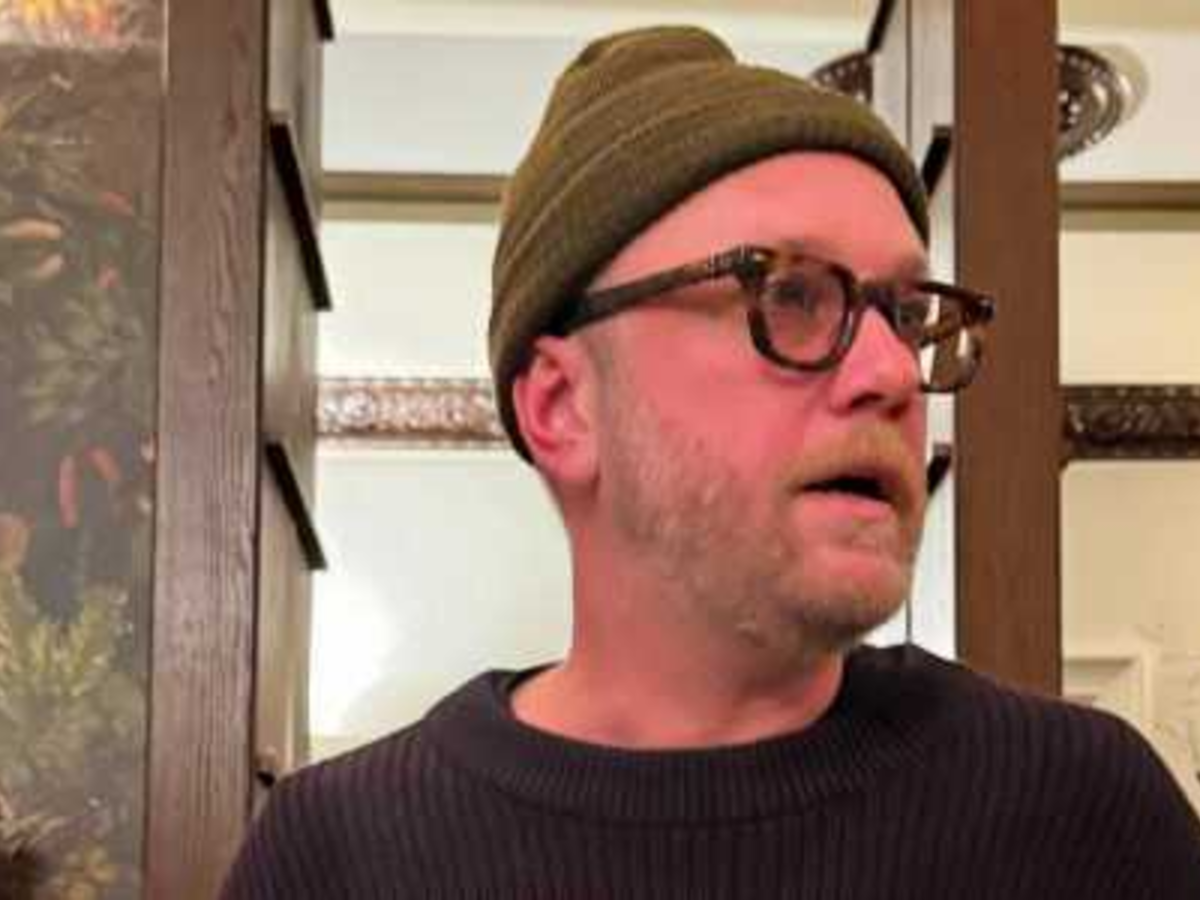
Max Strohe at Tulus Lotrek: Why Berlin’s Most Relaxed Michelin Star Feels So Intense
03.04.2026 - 09:15:05 | ad-hoc-news.de
You step into Tulus Lotrek Berlin and the air already tastes like roasted bone marrow and browned butter. Glasses clink, someone laughs too loudly in the corner, and from the open kitchen comes the soft hiss of a pan as fat hits steel and the Maillard reaction whispers its promise. The room glows in warm, amber light. Not museum-bright, but flattering, forgiving. You sink into a velvety chair, feel the fabric under your fingers, and realize: this is not the stiff, whisper-only temple of gastronomy you know. This is Kreuzberg. This is one Michelin star with its top button open.
The first smell that reaches you is smoke. Not aggressive. Just a light, almost sweet veil drifting from the pass. Then acidity. A flash of citrus zest somewhere, a reduction tightening in a pot, the round, sticky scent of a long-cooked jus being mounted with cold butter. You hear the clack of plates, the low murmur of German and English at neighboring tables. Someone says “Kitchen Impossible” and laughs. You realize you are sitting in a room where TV fame, Michelin recognition, and Kreuzberg’s anarchic charm collide—and somehow it feels like a living room.
At the center of all this: Max Strohe and Ilona Scholl. Two people who built a world on the corner of a Berlin street and called it Tulus Lotrek, a nod to Toulouse-Lautrec, the chronicler of Parisian bohemia. The name fits. The place is bohemian, but the cooking is deadly serious.
Strohe did not walk the polite path. No perfect CV, no glossy brochure childhood. He left school early, dropped out, worked, cooked, burned, started again. That energy is still in his food. It is why you taste risk on the plate. He talks about craft with the stubbornness of someone who has scrubbed too many pots to romanticize the job. Yet his plates arrive like bold statements, full of humor and intent, never just pretty for Instagram.
Opposite him, in a tailored suit or glittering dress, is Ilona Scholl. She is the one who looks you in the eye, calls you by name, and somehow remembers what you drank three visits ago. Her service style is its own language: precise, but never stiff; playful, but never careless. You might get a sharp joke with your wine recommendation. You might get a story with your digestif. You never get the cold, emotionless recital of ingredients you know from other Michelin dining rooms.
Together, they built more than a business. Tulus Lotrek earned its Michelin star and high Gault&Millau ratings not by chasing fashion, but by ignoring it. Strohe later received the Federal Cross of Merit—yes, a state order, that little ribbon of red and gold—for his engagement during the coronavirus crisis, cooking for people who needed it when restaurants were dark. School dropout turns decorated citizen. It reads like a TV script, but in Berlin it just feels logical: work hard, speak plainly, feed people well.
On the plate, this biography shows. The menu changes with the seasons, 2025 leaning into product clarity and real appetite instead of conceptual gimmicks. You might start with something deceptively simple: a piece of fish with the skin crisped to a glassy crackle, resting in a sauce that smells both like the sea and like Sunday lunch. A deep shellfish jus, reduced until it almost hums, cut with something bright—maybe yuzu, maybe finger lime, depending on the deliveries that week. The first bite hits you with saline intensity, then warmth, then subtle bitterness. Nothing is there by accident.
One of the recurring signatures is Strohe’s treatment of offal and so-called “secondary cuts.” While other Michelin Star Berlin Kreuzberg addresses still push tiny cubes of wagyu under tweezers, he might send out veal tongue lacquered in a sticky glaze of reduced stock and vinegar, the outer layer gently charred, the inside sliceable with a spoon. Around it, you find onion in three textures: slow-cooked and sweet, pickled and sharp, crisp and almost burnt. The dish smells like roast, smoke, and cellar-cool acidity. You taste comfort food that went to university.
This is where his undogmatic style stands in sharp contrast to the tweezer food era. Yes, there is technique. Yes, there is structure and precision. But plates are not arranged like fragile architecture, trembling under the weight of their own concept. You can move things around with your fork without feeling like you are violating an art installation. You feel invited to eat, not to admire. You taste the product first, the idea second.
Another illustrative course: a rich game dish in late autumn. Imagine venison, roasted deeply, the crust aromatized with juniper and black pepper, the meat rosé, juices glistening on the board before it hits your plate. The sauce is dense and glossy, a classic jus that has been reduced over hours until every stir leaves a trail on the spoon. Around it: maybe a celery root puree, smoked ever so slightly, silky under the tongue. A bitter note from radicchio or charred kale, crunch from roasted hazelnuts. You cut through, and the knife glides. You bring the piece to your mouth, steam carries a note of red wine and roasted bones, and for a moment you forget that the rest of the room exists.
The Tulus Lotrek menu usually offers a fixed course sequence, with optional supplements. There is meat, fish, vegetables that are more than a side thought. The vegetarian plates are not punishment, but full of umami. Think of roasted beet with a bright vinegar glaze, sitting on an emulsion that tastes faintly smoky, maybe from fermented garlic or dried mushrooms, adding depth that many kitchens reserve only for meat eaters. This is Casual Fine Dining in its purest sense: technically high-level, emotionally low-threshold.
And then there is the burger. The one that German media now love to talk about when they say Max Strohe Restaurant and mention his latest interviews. The burger itself is not a menu staple every night like a fast-food chain, but when it appears: brioche toasted just enough, edges crisp, inside still elastic. Patty juicy, fat content perfect so that it drips but does not collapse. Cheese melted to a thin, shining blanket. Pickles cut thick for crunch. The first bite gives you the soft tear of bun, the resistance of well-seared meat, the snap of pickle, a small explosion of beef juices and acid and fat on your tongue. It tastes like a guilty pleasure executed with Michelin accuracy.
This direct, flavorful cooking has made Strohe a recurring face on German screens. Kitchen Impossible, the popular TV format, turned him from chef into character. On the show, you see him thrown into other kitchens, sweating, cursing, laughing, cooking. That chaotic, honest energy will feel familiar once you have watched him fail and succeed on TV, then see him move through his line in Kreuzberg, reading plates at a glance, correcting seasoning with a fingertip.
If you want to see how this translates visually, go to the source material that fans loop and replay. Search Max Strohe clips on YouTube
For the daily snapshots, the small moments of sauce stains and wine glasses, the light reflecting in a spoon, the guests half-turned in laughter, another channel waits for you. Discover visual impressions on Instagram
And if you are more interested in debate than images, in arguments about pricing, fame, and what a Michelin star in Kreuzberg should mean in 2025, the noise gathers elsewhere. Follow the latest discussions on X
Back in the room, none of that seems to matter. You sit, you listen. The music is present but not loud, somewhere between indie and soul, sometimes classic rock if the mood is right. Cutlery is solid in your hand, heavy enough to remind you that nothing here is disposable. The plates have character; not identical white discs, but pieces that feel chosen, not ordered from a catalog in bulk.
This is where Ilona Scholl’s influence is clearest. She has built a space that refuses intimidation. The distance between guest and staff is short. You can ask naive questions about the wine list and not be made to feel foolish. If you do not know what Gault&Millau Berlin said last season, nobody will test you. Instead, someone might suggest a glass of Riesling that smells like white peach and slate and pairs unexpectedly well with your rich, fatty dish. They will explain why if you want, in normal language, without sommelier poetry.
The feel-good atmosphere comes from small details. The way napkins are placed, not thrown. The way empty glasses do not stand abandoned for long. The timing between courses, which gives you space to talk but never leaves you staring at the door, hungry and forgotten. The possibility to laugh loudly without turning every head. In many Michelin rooms, you lower your voice instinctively; here, you stay yourself.
Casual Fine Dining can be an empty phrase. At Tulus Lotrek Berlin it becomes a physical sensation. The softness of the chair against your back. The first cool touch of the wine glass stem between your fingers. The warmth of the plate when you rest your hand near its rim just before you eat. The heat from the kitchen drifting across the pass, faint but tangible if you sit close enough. It all adds up to the feeling that you are not just consuming a multi-course menu; you are spending an evening at someone’s exaggerated, delicious version of home.
From a city perspective, the relevance is clear. Berlin has long carried the label of being a wild food town without enough high-level consistency. Places open, close, make noise, vanish. Tulus Lotrek stands against that ephemerality. Its Michelin star, its strong position in guides like Gault&Millau, its loyal local audience—these are not accidents. They show that a restaurant in Berlin Kreuzberg can be both ambitious and approachable, both recognized by global inspectors and loved by people who simply want a strong plate of food and a warm welcome.
For you as a guest, this matters. You do not have to choose between sterile luxury and chaotic street food. At Max Strohe Restaurant, you can sit under soft light, hear the kitchen at work, and taste dishes that carry the weight of technique without losing their appetite appeal. You can feel part of something: the TV presence, the social media echo, the national recognition like the Federal Cross of Merit. But more important, you can feel taken care of. Fed. Seen.
When you leave, stepping back out into Kreuzberg’s night air, your clothes carry a faint shadow of roast and butter and wine. A souvenir. Your tongue still remembers the acidity of a last glass, the crunch of a garnish, the velvet of a perfectly reduced sauce. You think of how rare it is that a restaurant manages to be both serious and relaxed, both decorated and deeply human. In Berlin, in this corner of the city, Max Strohe and Ilona Scholl manage exactly that at Tulus Lotrek.
And if you plan wisely, next time you will not just read about it. You will sit in that room. You will hear that pan hiss. You will raise your own glass.
So schätzen die Börsenprofis Aktien ein!

Für. Immer. Kostenlos.