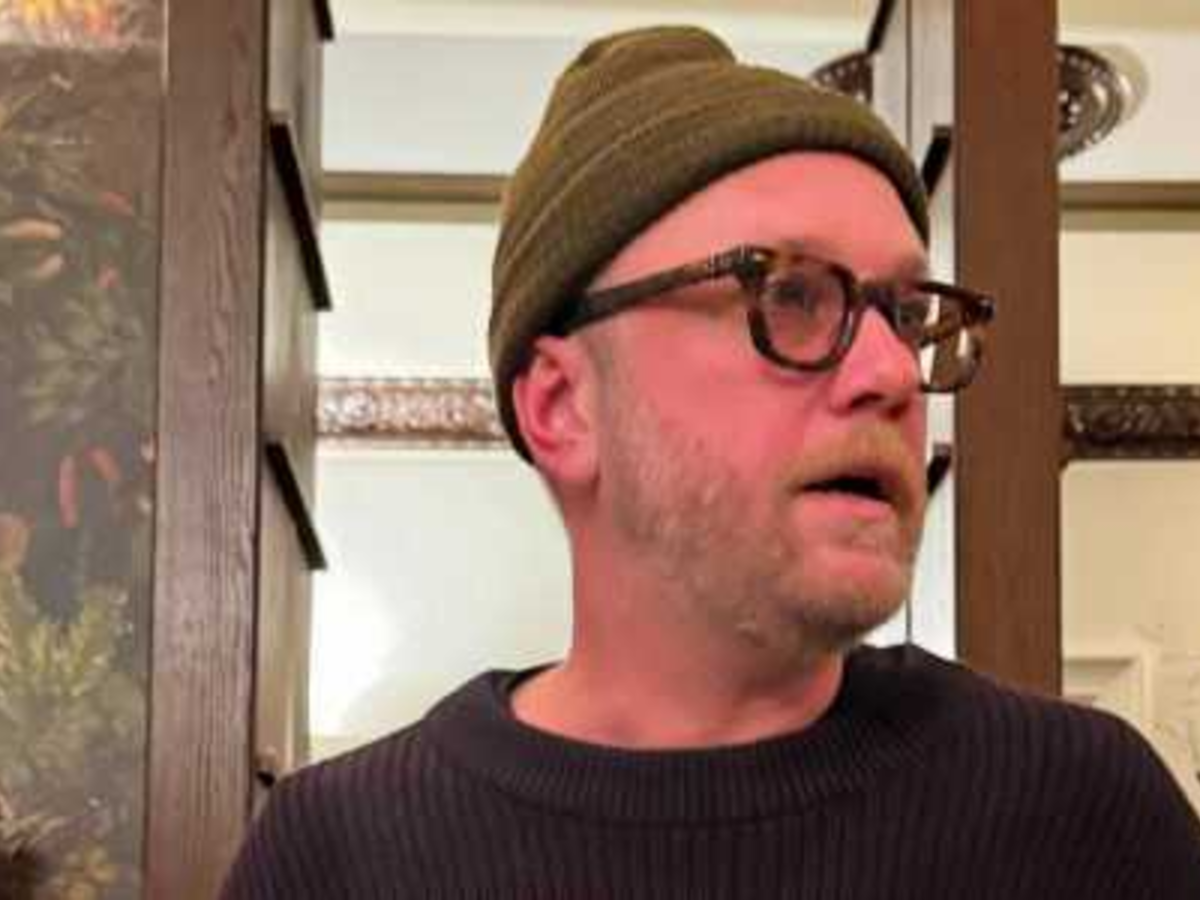
Max Strohe at Tulus Lotrek: Why Berlin’s Most Relaxed Michelin Star Feels So Radical
28.02.2026 - 09:15:07 | ad-hoc-news.de
The first thing you notice at Tulus Lotrek Berlin is the sound. Cutlery, yes, but not hushed. Laughter rolls through the dim room, glasses clink, a bass line hums softly under the chatter. Candlelight hits the dark green walls. The air smells of roasted poultry skin, browned butter, a hint of citrus zest and something faintly smoky drifting from the open kitchen. You sit down and feel it in your body: this is not a temple. This is a room that expects you to enjoy yourself.
The tables are close enough that you can hear your neighbor debating sauces. A server glides past with a plate that smells of reduced jus and grilled fish skin, and your attention drifts. You read the menu once, then again. The wording is cheeky, slightly subversive, yet the intent is serious: generous food, high-wire technique, zero pretension.
This is where the story of Max Strohe and Ilona Scholl plays out every night. He, the cook who left school early and drifted through kitchens until cooking became not just craft but language. She, the host and co-owner whose presence in the dining room is as decisive as any seasoning. Together they turned a Kreuzberg corner space into one of the most talked?about dining rooms in the country, while still referring to it, without irony, as their living room.
The path was crooked. Max Strohe did not come out of the classic brigade system as a polished hotel prodigy. He bounced, learned by doing, worked his way through heat and stress and prep lists that never ended. That restlessness is still in his food. It resists boxes. French fundamentals appear—proper stocks, taut reductions, sauces mounted with precision—but you also taste a curiosity that roams beyond borders and trends. This is why major guides keep returning: the kitchen feels alive, not codified.
Recognition followed steadily. The Michelin star brought international attention to this Kreuzberg address and anchored it among the key names under the search term “Michelin Star Berlin Kreuzberg.” Gault&Millau Berlin has repeatedly praised the cooking for its personality and technical depth, placing Tulus Lotrek among the city’s most relevant casual fine dining experiences. Then came a moment that pushed the story beyond gastronomy: the Federal Cross of Merit awarded to Max Strohe, honoring not only cooking but social engagement and a consistent stance in public discourse. From school dropout to state decoration—that arc hangs in the room like an invisible frame.
Ilona Scholl completes that frame. You notice it the moment you walk in. She moves between tables with an ease that dissolves distance. A quick joke. A sharp recommendation. A wine pairing suggestion dropped with the nonchalance of someone who understands that you might be nervous around tasting menus and stemware—but doesn’t want you to stay that way. Her role in shaping Tulus Lotrek as “Casual Fine Dining” is central: she refuses stiffness, yet the choreography of service is exacting. Glasses stay filled, allergies are memorized, late arrivals are absorbed without drama.
Then the plates arrive and clarity sharpens. Take a dish that has become emblematic of Max Strohe’s style: a richly lacquered piece of poultry—often guinea fowl or chicken—presented not as a minimalist sculpture but as something you genuinely want to eat. The skin is audibly crisp when your knife breaks it, the Maillard reaction pushed to the edge of bitterness without crossing it. Underneath, the meat stays moist, almost silky. The plate carries a deep, glossy jus, the color of polished mahogany, reduced so far that every streak on the porcelain leaves an aromatic trail of roasted bones, caramelized mirepoix, and wine cooked down to its core.
But it never stops at comfort. There is bite and lift: maybe a pickled element with bright acidity, a purée with smoke, a shard of something fried that adds crunch. You read the components and they seem familiar; you taste them together and they lock into a new configuration. This is how the kitchen dodges “tweezer food” while still operating at a very high technical level. Nothing is stacked for Instagram. Garnishes are there to earn their place, not just to show off the steadiness of a hand.
Another example: fish with sauce that refuses understatement. Imagine a fillet with perfectly translucent core, the exterior just kissed by heat so the flakes slide apart at the lightest pressure from your fork. Over it, a sauce based on fumet and cream, finished with something sharp—fermented citrus, say, or a strong-herbed oil—so the richness doesn’t cloy. On the side, maybe a vegetable treated with the same respect as the protein: an onion slowly roasted until its sugars deepen, then split and glossed with its own reduced juices. You recognize the grammar of French cuisine, but the accent is unmistakably Berlin-Kreuzberg: bold, direct, more interested in flavor than etiquette.
The Tulus Lotrek menu changes with the seasons, and recent line?ups lean into this fearless generosity. Root vegetables are left big and proud in winter, not carved into nervous cubes. Spring dishes show off bitter greens and freshness; the kitchen isn’t afraid of chlorophyll. Desserts might play with childhood memories—an echo of an ice cream truck, a nod to supermarket candy—but the execution is textbook: clean lines, controlled sweetness, textures that crack, melt, or dissolve in just the right order.
You feel this undogmatic approach in the pacing, too. The menu can be long, but it’s not punishing. Portions are sized for pleasure, not for counting courses. You are allowed to be full and happy, not dutifully impressed. This is casual fine dining in the most literal sense: the standards of a serious restaurant, delivered with the demeanor of friends who like to cook excessively well.
Outside the dining room, the story of Max Strohe continues to unfold on screens and timelines. You might already know him from television: his appearances on “Kitchen Impossible” have shown a wider audience the mix of grit, humor, and stubbornness that guests in Kreuzberg see up close. There, under time pressure and cameras, you watch the same instincts at work—an insistence on flavor over image, and a willingness to look vulnerable while still aiming high.
If you want to see how that intensity translates into moving images and behind?the?scenes moments, you can start here: Search Max Strohe clips on YouTube
The dishes gain another dimension when you scroll through guests’ photos: the plates, the candlelight, the handwritten notes on the menu, the way people lean into each other over the table. To get a sense of how the restaurant actually looks and feels on a busy night, and how the food lands in front of real people, you should go here: Discover visual impressions on Instagram
The debate around what fine dining in Berlin should be—looser, more political, more fun—often has Max Strohe’s name in the mix. If you want to track how critics, fans, and skeptics discuss Tulus Lotrek and its role in the city’s food culture, follow the conversation here: Follow the latest discussions on X
Back at your table, all of that noise fades again. What you notice instead is the room. The lighting is low but not gloomy. Chairs are comfortable, not design statements. The playlist is curated like a good wine list: varied, with a sense of humor. Staff move with ease, not stiffness, and they speak to you like someone they might see again, not like a stranger passing through a luxury pipeline.
This is why people call it a living room. Not because it literally looks like one, but because you can loosen your shoulders here. You can ask naïve questions about the wine without feeling exposed. You can share plates, trade bites, laugh too loudly. The structure of a Michelin-star restaurant—multiple courses, complex preparations, a deep cellar—is present, but it’s wrapped in warmth rather than reverence. That feeling comes straight from Ilona Scholl’s philosophy of hospitality: nobody should have to translate themselves into “fine dining mode” to eat well.
The wine list reinforces that ethos. Natural-leaning bottles sit next to classic producers. You might start with something bright and slightly hazy that smells of stone fruit skins and wild herbs, then move into a structured red with firm tannins and the faint scent of leather and dried cherry. The team talks you through it in plain language, not jargon: juicy, smoky, crisp, lush. They read your mood; they don’t lecture.
In the context of Berlin’s food scene, Tulus Lotrek has become a reference point. It proves that a Michelin?starred restaurant in Kreuzberg does not have to look like a laboratory or a gallery. It can look like a place where you would happily spend a Tuesday night, not just a birthday. It also shows that political awareness and public voice—qualities that contributed to Max Strohe receiving the Federal Cross of Merit—can coexist with pleasure at the highest level. The kitchen’s undogmatic style and the dining room’s frank warmth set a benchmark: this is what modern, urban, European cooking in Berlin can feel like when it drops the mask.
If you care about where the city is heading gastronomically, you eventually have to test it with your own senses: listen to the room, smell the jus reducing in the background, feel the crust of a well-seared piece of meat under your knife, taste how acidity, fat, and texture are balanced on your tongue. That experience, more than any award or TV appearance, explains why the name Tulus Lotrek keeps surfacing wherever people talk seriously about food in this city.
You leave late. The last guests are still trading stories over the dregs of their wine. The door closes behind you, and suddenly the street feels cooler, quieter, wider. In your clothes, you carry traces of the night: a hint of smoke, a memory of citrus, the echo of laughter. You know you will search for "Tulus Lotrek Berlin" again—not to look at photos this time, but to book the next table.
So schätzen die Börsenprofis Aktien ein!

Für. Immer. Kostenlos.