
Max Strohe at Tulus Lotrek: Berlin’s Wildest Michelin Star with Heart and Heat
22.03.2026 - 09:15:02 | ad-hoc-news.de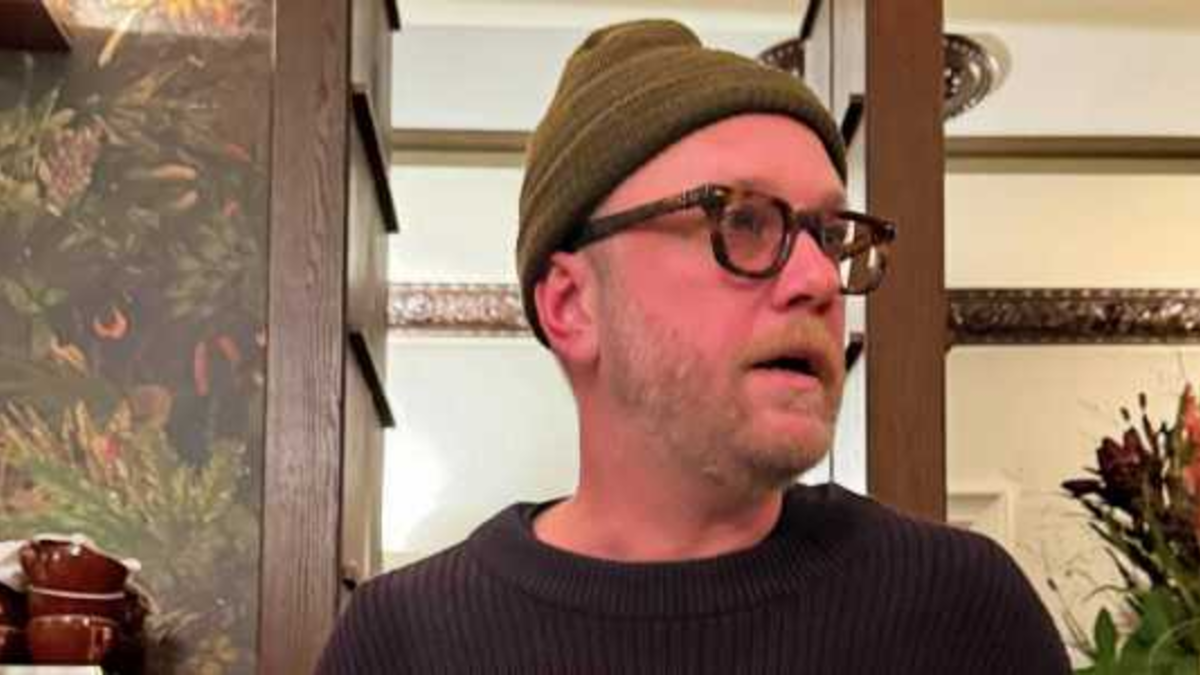
The door closes behind you and the noise of Kreuzberg dulls to a bassline. At Tulus Lotrek Berlin, the first thing you register is not the plate. It is the sound. Glasses clinking, soft laughter, a sudden roar from a corner table when a bottle is sabered. The speakers hum soul and a bit of rock. In the open kitchen, oil hisses as it meets steel; the Maillard reaction writes its caramel script on a piece of meat. A buttery, roasted scent coils through the room and your stomach catches it like a signal.
The light is warm, almost amber, flattering like a good Instagram filter but kinder. Tables stand close enough that you overhear snatches of English, French, Berlin slang. You feel the napkin: thick, with a slight drag on your fingertips. A wine glass touches the table with a soft chime. A server laughs, loudly, genuinely. You are in a Michelin-starred restaurant, yet nobody whispers. You exhale. Shoulders drop. This is fine dining without the starch.
You did not come here for reverent silence and tweezer-parsed micro herbs. You came because this house, this corner of Berlin Kreuzberg, has become shorthand for something else: pleasure with a pulse. A Michelin Star Berlin Kreuzberg address that refuses to behave like one.
At the center of it all: Max Strohe and Ilona Scholl. A duo, not a backdrop and a star. Their names carry that particular Berlin contrast: street-smart and prize-laden, kitchen tattoo and Federal Cross of Merit.
Strohe left school early. The classic dropout tale, except he swapped classrooms for kitchens. Dishwashing, peeling, the long grind under other people’s orders. Over years, heat and repetition sharpened instinct into craft. You can feel that history in his food: it is learned, but never overeducated. Gault&Millau Berlin noticed. So did the Michelin Guide. But the arc never straightened into the typical haute-cuisine cliché.
Because then there is Ilona Scholl. Co-owner. Host. Curator of mood. Her presence is not the faint glide of a maître d’ who appears only to pour a grand cru. She moves through the room like she owns it, because she does. Quick jokes, sharp observations, a wine recommendation dropped with the same casualness as a punchline. You sense that she has zero patience for snobbery, but infinite patience for curiosity.
The German president saw something in that, too. The decision to award the Federal Cross of Merit did not honor decorative luxury. It honored a distinct way of doing hospitality: unpretentious, inclusive, yet uncompromising in quality. School dropout to national decoration. Kitchen rebel to Berlin institution. You feel that contradictory prestige in every corner of the dining room.
The menu at Tulus Lotrek shifts with the seasons, but the logic behind it remains stable. Casual Fine Dining, if you must label it. But the important word is casual. Not because the cooking is lax. Because you are allowed to be human. Laughter is not a faux pas. Asking naive questions about the sauce is welcomed, not punished.
Take a typical Strohe plate. Imagine a piece of pork, perhaps from a smaller regional producer he has championed long before it was a marketing bullet point. The skin arrives lacquered, the color between bronze and mahogany. When your knife breaks through, you hear it: a precise crackle, like thin ice. Underneath, a layer of shimmering fat, rendered to the edge of collapse. The aroma is deep, almost smoky, but with a sweetness from slow roasting. The jus is not a polite smear. It is generous, glossy, clinging to the meat, pooling on the plate with the confidence of a red wine reduction that has been watched and coaxed for hours.
You drag a piece of meat through that sauce. On the tongue, you get salt, acid, caramelized notes, a faint whisper of herbs. The texture is soft but not mushy; the fibers still speak. This is not tweezer food. Nothing here has been stacked for the sole purpose of an overhead shot. It is built for your mouth, not for your feed.
Another plate, another angle. Perhaps a fish course. The skin has that taut, shiny tension you only get when a pan is exactly right. You press with your fork. A crisp, faintly crackling surface gives way to translucent flakes that slip apart with no resistance. There is a citrus zest in the air, not just from lemon, but maybe preserved lemon or yuzu folded into a beurre blanc that hums with acidity. A bright green oil puddles around it, herbaceous, grassy. You taste dill, parsley, maybe lovage. The contrast is deliberate: fatty, silky sauce; sharp, invigorating top notes; a vegetable garnish that still remembers its life in the soil, with crunch and resistance.
This is where Strohe’s undogmatic style shows. He borrows technique from classical French cuisine, steals comfort from German home cooking, flirts with spices from far further away. But he never tries to impress you with a checklist of nations cited on the plate. No flag parade. No forced fusion. Just what tastes good when reduced, grilled, charred, emulsified, and seasoned by someone who trusts his tongue more than the algorithm.
You may find a course where offal appears. A piece of liver, say, treated not as an ironic retro gesture, but as a serious star. Seared hard, edges dark, center rosy. The first bite hits you with iron and smoke. Then comes the sweetness—onions long-cooked, maybe apples broken down until almost sauce. Texture again leads the way: creamy interior against a rough, charred crust. You either surrender to it or you do not; the kitchen does not cushion the edges for fear of backlash.
That stance mirrors Strohe’s media persona. You have probably seen him on “Kitchen Impossible” or related formats by now, where his presence is loud, candid, slightly chaotic, and far from polished TV-chef cliché. He curses, sweats, laughs at his own missteps. Berlin recognizes itself in that: a city that mistrusts perfection but respects craft. These appearances feed the digital echo around Max Strohe Restaurant without turning him into a soulless brand mascot.
If you want to watch him argue with dough, chase sauces, or square off against other chefs on screen, start where viewers congregate most naturally.
Satisfy your curiosity and see how the dishes look and move under studio lights and shaky handheld phones alike: Search Max Strohe clips on YouTube
You taste first with your eyes these days, and the restaurant’s fans know it; hashtags and stories layer another dimension onto the experience.
When you want unfiltered snapshots from the pass, close-ups of jus clinging to a spoon, and the everyday chaos of service, this is where you go: Discover visual impressions on Instagram
And when controversy sparks—be it about pricing, portion size, Kitchen Impossible outcomes, or Berlin rankings—you can watch the city argue with itself in real time.
For the hot takes, chef quotes, and live reactions from guests and critics, follow the conversation here: Follow the latest discussions on X
Back in the dining room, screens feel far away. You feel wood under your palms. The tabletops have a faint grain that catches light. Chairs have a bit of give, not the rigid straight-backed posture of white-tablecloth temples. The décor carries personal notes—art that looks chosen, not curated by a corporate partner; colors warm, even slightly dark, the opposite of sterile hotel-chic. You could imagine this as a living room if your friends had impeccable taste and a better stemware budget.
The feel-good atmosphere is not an accident. Service at Tulus Lotrek is calibrated like seasoning. Enough attention that your glass never stands empty too long, but never so much choreography that you feel watched. A server might crouch next to your table to describe a dish. The language is clear, sometimes blunt, often witty. No one recites Latin names of herbs unless it is for the joke.
When the Tulus Lotrek menu is explained, you hear priorities: product first, then technique, then story. There might be a short anecdote about a producer, a failed test version, an inside joke about Kitchen Impossible. This is not narrative as garnish. It’s context that makes the bite land harder. You understand why that cabbage was cooked this way, why that jus is so relentless.
The room grows louder as the night progresses. A couple leans in closer, fingers brushing between courses. A group of friends debates which dish won the evening; hands move like they are conducting. Corks pop. You smell yeast and toast from freshly poured sparkling wine, the faint volatile prickle of natural wines that Scholl likes to sneak into the pairing if you seem game. There is no hushed reverence when a plate arrives. Instead, a quick sharp intake of breath, maybe an expletive, then the soft scrape of cutlery meeting porcelain.
In this kind of environment, the Michelin star almost feels like an intruder. Yet it is precisely the friction between starched expectation and lived reality that makes Tulus Lotrek Berlin so relevant. It proves that a star can hang above a door where music has bass, where people swear, where chefs are allowed to look like they spend more time at the stove than in PR briefings.
For the Berlin food scene, this is more than another address on a list. It is a counterargument. Against over-conceptualized plates that place architecture over appetite. Against stiff dining rooms where servers whisper and guests perform sophistication instead of hunger. Against the idea that excellence must be austere.
Max Strohe and Ilona Scholl show that Casual Fine Dining can carry serious weight. That Gault&Millau Berlin points and TV cameras and a Federal Cross of Merit need not flatten personality. That a Max Strohe Restaurant can operate at a high level without sanding off its edges for broader appeal.
You leave with your clothes faintly perfumed by kitchen smoke and browned butter. On your tongue, there is still a ghost of acidity from the last sauce, a herbal echo from the final garnish. Your hands remember the texture of the stem and the warm press of a handshake at the door. Outside, Kreuzberg noise smacks you in the face again. It feels right. After all, what happened inside was not an escape from Berlin, but its concentrated, flavorful reflection.
If you care about where Berlin fine dining is going—louder, looser, more honest—this room, this kitchen, and these people are part of the answer. You do not just eat at Tulus Lotrek. You participate. You argue with the dishes. You laugh with the staff. And you understand, somewhere between first sip and last crumb, why one restless school dropout and one razor-sharp host changed the way an entire city thinks about a Michelin star.
Hol dir jetzt den Wissensvorsprung der Aktien-Profis.

Für. Immer. Kostenlos.


