Max Strohe at Tulus Lotrek: Berlin’s Wildest Michelin Star Rewrites Fine Dining
13.03.2026 - 09:15:21 | ad-hoc-news.de
You push open the heavy door of Tulus Lotrek Berlin and the air changes. Warmth first. Then the smell: brown butter and roasting bones, a whisper of smoke, a flash of citrus zest. Glasses clink softly. Low light glows against deep, saturated walls. From the open hatch, you hear a pan hiss as the Maillard reaction bites into a piece of meat. Someone laughs, not politely but fully. You are not in a hushed temple of haute cuisine. You are in a dining room that feels like someone’s slightly hedonistic living room, where the owner just happens to hold a Michelin star.
The sign outside says Tulus Lotrek. Inside, though, it might as well spell out two names in invisible ink: Max Strohe and Ilona Scholl. You feel their presence everywhere. In the way the music hums instead of whispers. In the menu that reads more like a mixtape than a liturgy. In the service that calls you by your first name and remembers if you hate cilantro.
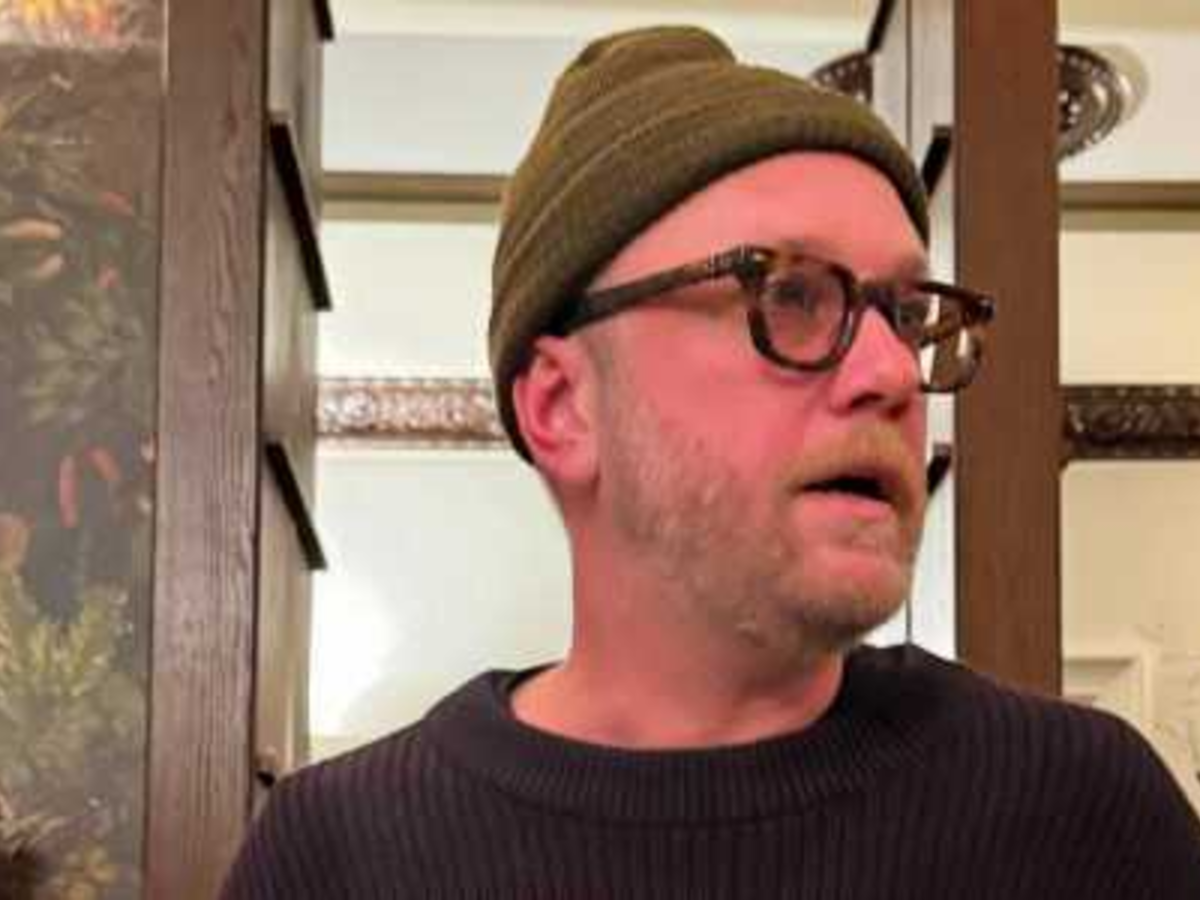
Strohe, the chef with the trademark cap and a grin that hints at trouble, did not rise through the usual ranks in a straight, polished line. School dropout. Dishwasher. Cook. A path with fewer silver cloches and more burn scars. That biography clings to the food here; you can taste the years behind a stove where every plate mattered, not because a guidebook said so, but because the guest did.
Ilona Scholl, front-of-house and co-owner, meets you with direct eye contact and a quick, conspiratorial smile. She runs the room like a seasoned host, but also like that friend who always knows the best bar in whatever city you land in. Her style of hospitality is sharp, witty, occasionally teasing. No stiff choreography, just genuine attention. When she pours, you feel guided rather than lectured. When she jokes, the table loosens, shoulders drop. Suddenly, the idea of ‘Casual Fine Dining’ stops sounding like a buzzword and becomes a lived experience.
Together, they turned a Kreuzberg corner into a point of reference for the entire Berlin food scene. Tulus Lotrek earned its Michelin star and then kept it not by playing safe, but by leaning into character. In a landscape that sometimes chases trends like Nordic minimalism or sterile precision, this room stands out. Color. Pattern. Velvet. Artwork that actually makes you want to talk. Scholl’s wine list, heavy on characterful bottles, flirts with you from the moment you sit down.
Their joint story has become Berlin folklore: the outsiders who staged an assault on conventional fine dining and somehow ended up with the most coveted distinctions in the industry. Gault&Millau Berlin has long taken notice; the restaurant appears as a benchmark address when people whisper about where to eat when it truly matters. Then came broader recognition: Max Strohe receiving the Federal Cross of Merit for his humanitarian engagement and cooking for social projects. From school dropout to Bundesverdienstkreuz. That arc follows you through the evening. You are not just eating; you are sitting inside a narrative of second chances and radical hospitality.
Now the plates. This is where you feel how different Tulus Lotrek’s food really is. Strohe’s style is undogmatic, almost stubbornly so. No tweezer food for the sake of Instagram. No unnecessary dots of purée just to show control. The compositions might look elaborate, but they never feel fussy. Every smear, every shard, every bubble of sauce has a job.
Picture a signature course built around aged duck. The plate arrives and you first smell it before you even focus your eyes: roasted fat, slightly gamey, a deep, caramelized roast note from the crisped skin. The breast is cooked to that precise point where the fibers yield with the slightest resistance, then release. Pink, but not bloody. You cut in and the knife glides, barely needing pressure. Next to it, a jus so dark it is almost inky, reduced until the natural gelatin creates a subtle cling on the spoon. The first bite lands on your tongue with warm fat, browned skin, and the bright, acidic counterpoint of something unexpected – perhaps a preserved citrus condiment or pickled rhubarb, sharp enough to slice through the richness.
The texture play is deliberate. Soft meat, crunchy skin, a crisp element that might be a shard of duck crackling or a seed crisp. Underneath, a vegetable garnish refuses to be a mere sidekick: maybe slow-braised cabbage, layered with smoked notes and a faint sweetness. No element is there as culinary wallpaper. You can track Strohe’s thought process in each contrast of temperature and mouthfeel. Hot jus kissing something cool and creamy. Crunch where your palate expects only softness.
Another dish presses close to comfort food and then remodels it. Think of a dish built around offal – sweetbreads, say, or tripe – the kind of cut that scares timid diners. Here, it becomes the star. You hear the sizzle of browning sweetbreads from the kitchen pass, that quick, bright crackle when they hit hot fat. They reach your table burnished and golden, exterior firmly set from the Maillard reaction, inside still cushion-soft. Strohe pairs them with a sauce that lingers between classic and mischievous: perhaps a deeply reduced veal jus punched up with a sharp vinegar, a smoky chili, or a restrained curry note. Beside it, a root vegetable purée that hums with butter, maybe spiked with horseradish to throw a small jab at your sinuses.
You scoop a bit of everything in one forkful. The sweetbread collapses under your teeth, rich and almost nutty. The purée smooths it out, velvet on your tongue. Then the acidity lands, cleaning the slate, making room for the next bite. This is not trying to be pretty in that sterile, manicured, tweezered way. It is intense. Grounded. Almost indecently satisfying. The plating might have a flourish or two, but you never feel that the chef is cooking for the camera. He is cooking for your appetite, for the animal part of you that loves fat, crunch, and salt – but also for the part that craves surprise.
Contrast that with the kind of rigid, geometric plates you have seen elsewhere. Tweezers arranging micro-herbs into perfect circles. Foams that deflate emotionally before they deflate physically. Here, if there is a herb on your duck, it earns its place with aroma, not just aesthetics. Strohe’s undogmatic approach means French technique might meet Levantine spice, or an Italian comfort note might crash into a Japanese condiment. He is not worshipping purity. He is chasing deliciousness.
The Tulus Lotrek menu tends to move with the seasons, but without the hysterical churn some restaurants indulge in just to post something new. Winter might bring braised dishes that cling to your ribs, roots and alliums cooked down into sweetness. Spring sharpens the edges: asparagus with an unapologetically rich hollandaise, brightened by something fermented. Summer could see lighter seafood plates with raw preparations, precise acidity, and textures that almost crunch with freshness. Always, the through line is this: flavor first, dogma last.
The tasting format reflects that philosophy. ‘Casual Fine Dining’ here does not mean sloppy; it means you never have to decode the menu like a puzzle. Descriptions are witty, lucid, occasionally profane. The kitchen adapts if you have allergies or strong dislikes, but without rolling its eyes. You feel in competent hands, not constrained ones.
And yet, in the digital age, it would be naïve to pretend this Kreuzberg institution lives only in its four walls. Max Strohe has become a TV face, especially through his appearances on shows like ‘Kitchen Impossible’. You might have watched him argue, sweat, and curse his way through impossible tasks, always with that mix of stubbornness and vulnerability that now colors your expectation as you sit under the glowing lamps of Tulus Lotrek.
If you want to see how that screen persona translates into chaos and charm behind the stove, you can start here: Search Max Strohe clips on YouTube
Curious how the plates look when guests catch them in the wild, without studio lights, just handheld phones and low dining room glow? Then follow the trail of tags and filters here: Discover visual impressions on Instagram
And if you like to read what the city whispers, argues, and cheers about this place – from service anecdotes to debates about what ‘Michelin Star Berlin Kreuzberg’ should mean these days – you will find the ongoing conversation here: Follow the latest discussions on X
The media echo has consequences inside the restaurant. You may recognize Strohe as he moves between pass and dining room, adjusting a plate, greeting a table. Fame usually builds distance. Here, it seems to have had the opposite effect. The more visible he becomes on TV and online, the more the team leans into making the actual, physical experience feel human, unpolished in the best sense.
Look around you. Couples, friends, a solo diner at the corner table, notebook halfway open. A birthday, but without the forced theatrics. The staff glides and jokes, reads the room, modulates their tone. They know when you want to talk about the Gault&Millau Berlin listing, and when you just want another glass of wine without a lecture. The feel-good atmosphere is not an accident. It is architecture, built speaking softly but firmly over years of service.
The room’s design supports that. No spotless white tablecloths acting as emotional barriers. Instead, textures: leather, wood, fabrics with a certain weight when you brush your fingers along the banquette. You feel the chair under you as something solid, not a prop. Cutlery has heft. Glassware is fine but not so fragile you fear touching it. Plates are warm when they should be, cool when they need to be. All these small haptic details tell your nervous system: relax, you are allowed to be yourself here.
Conversation levels rise through the night. The soundtrack is not background noise but part of the staging. Sometimes indie, sometimes something older that makes a guest at the next table hum along. The clatter from the kitchen is never fully sealed off. That is deliberate. You hear the rhythm of service: tickets called, pans set down, an occasional burst of laughter. It turns the Michelin star from an abstract symbol into a visceral process unfolding 10 meters from your table.
Service language follows suit. There is knowledge – precise, deep, technical when needed – but worn lightly. When Ilona Scholl or one of her team explains a natural wine with a wild edge, they do not proselytize. They invite. If you prefer something classic, they pivot without judgment. That lack of snobbery is one of the reasons why Tulus Lotrek has become the kind of address you can recommend to your foodie friend and to your anxious uncle in the same breath.
And then you remember: this is a restaurant that carries not only a Michelin star, but also the narrative weight of a Federal Cross of Merit pinned to its chef’s jacket. Outside of service, Strohe has cooked for refugee projects, stood up publicly for social causes, and used his visibility to raise awareness rather than simply his profile. That ethical dimension may not be plated directly in front of you, but it inflects the way you experience the meal. The generosity of portions, the lack of punitive minimalism, the warmth of the dining room – none of it feels coincidental.
In Berlin’s current food landscape, where pop-ups constantly flare and fade, Tulus Lotrek brings something rarer: continuity with attitude. It proves that a ‘Michelin Star Berlin Kreuzberg’ can mean serious technique plus serious fun. You can show up in boots and tattoos, or in a suit straight from a Mitte office. The room absorbs both without blinking.
For you as a diner, the relevance is simple and large. Here is a restaurant that has mastered the codes of fine dining and then loosened their tie. It speaks fluent classic French sauce-work and contemporary product-driven cooking, yet cracks jokes in between courses. It respects the guides and ratings – Michelin, Gault&Millau, all the rest – but lets the evening revolve around your pleasure, not their checklists.
You leave late. Coat on, skin still warm from wine and proximity to other bodies. Outside, Kreuzberg hums: traffic, late-night bars, the faint smell of street food from a corner somewhere. On your tongue, there is still a ghost of roasted meat, of citrus, of some fleeting herb note you cannot quite name. Behind you, Tulus Lotrek’s door closes with a soft click. For a moment, you consider turning back, just to look at the room one more time. Not because it was perfect, but because it felt alive.
That is the quiet power of this place. It makes you part of a story that stretches from a school dropout kitchen punk to a decorated figure of German gastronomy; from TV chaos on ‘Kitchen Impossible’ to the intimate precision of a plate placed in front of you tonight. If you care about where Berlin food is going – less stiff, more honest, technically sharp but emotionally loose – then this Kreuzberg address is not optional. It is essential.
Next time someone asks you where to taste what Casual Fine Dining can be, where a Michelin star sits comfortably above a dining room that feels like a friend’s apartment, you will have a ready answer. Say the name. Watch their eyebrows lift. And then tell them to book early.
Because seats in a living room like this are not infinite.
So schätzen die Börsenprofis Aktien ein!

Für. Immer. Kostenlos.