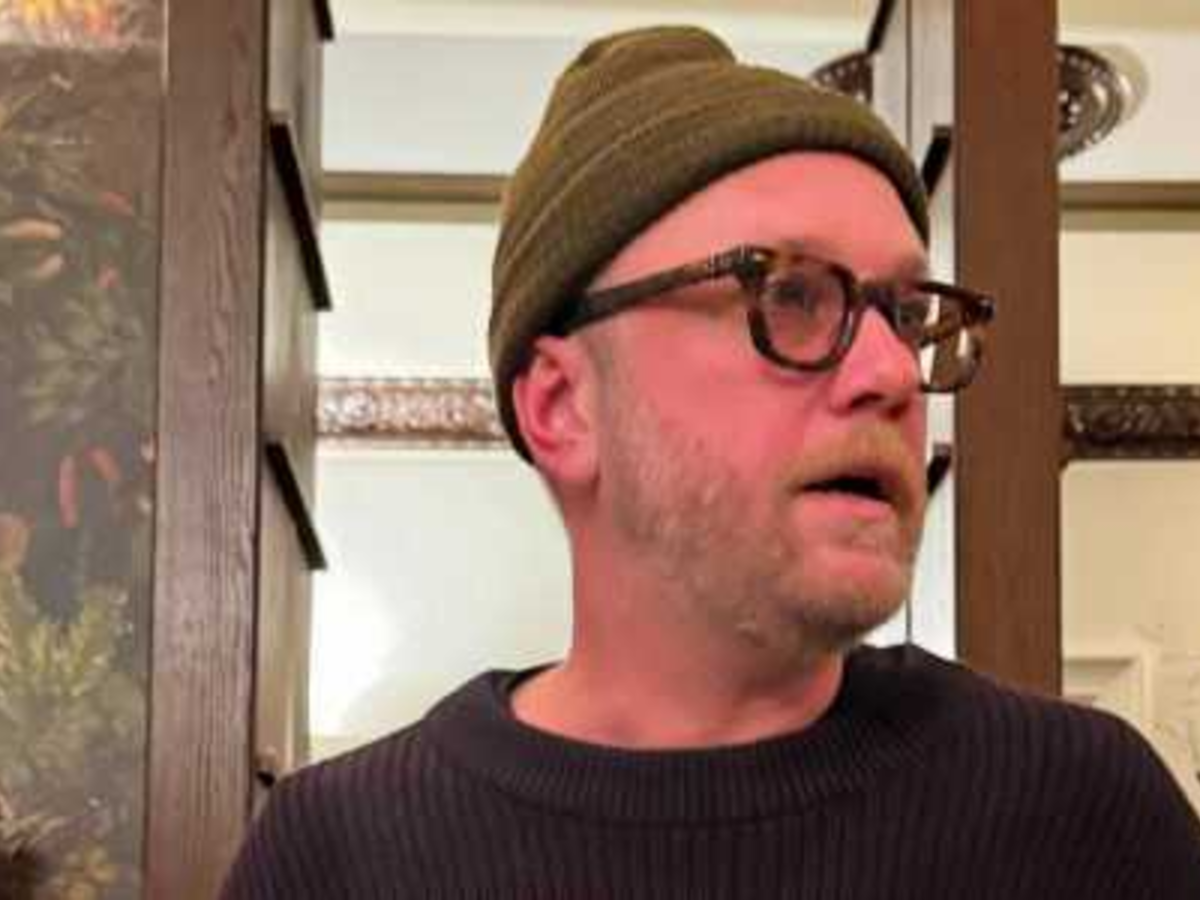
Max Strohe at Tulus Lotrek: Berlin’s Wildest Michelin Star Experience
24.03.2026 - 09:15:01 | ad-hoc-news.de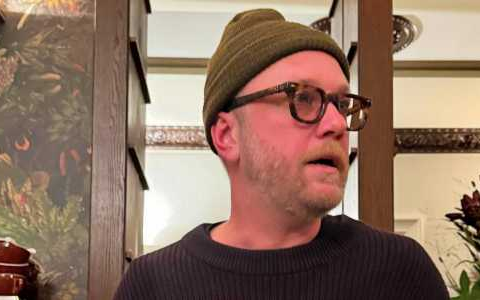
The door closes behind you with a soft thud and the street noise of Kreuzberg dulls to a murmur. Inside Tulus Lotrek Berlin the light is low, amber, flattering. Glasses clink. A spoon hits porcelain with a bright, quick note. The air carries roasted butter, the faint sweetness of reduced jus, a curl of citrus zest. You step past velvet, wood, framed art that looks like it might have a sense of humor. Someone laughs from the corner table, too loud for a typical fine dining room. Here, it fits.
You feel the heat from the open pass as you walk by. A pan hisses under the Maillard reaction. Fat hits metal, releases that primal, browned aroma that makes you instinctively hungry. A server in sneakers and a blazer grins, not the rehearsed smile of a hotel school, but the smile of someone happy you actually showed up.
Welcome to a restaurant that never learned to whisper.
This is the room where Max Strohe and Ilona Scholl rewrote how Casual Fine Dining can feel in Berlin. Not your quiet temple of gastronomy. More like the living room of that one friend who drinks good Burgundy and swears a lot. The friend who somehow pulls off seven courses while the music is slightly too loud and the vibe is very much, stay a little longer.
You feel it before you even sit. The chairs have weight, not stiffness. The tablecloth, if there is one at all during your visit, is there to be stained with sauce, not admired like an altar cloth. You are not here to behave. You are here to eat.
The Protagonists: A School Dropout, A Sharp Tongue, And A Federal Cross of Merit
To understand the place, you need to understand the duo. Max Strohe does not arrive in the Berlin restaurant world as a polished CV. He arrives as a school dropout, a cook who has seen the inside of more than one kitchen where discipline came with a side of profanity and burns. Classic training. French base. Real life in between.
He is the cook who likes the dirty work: bones roasted dark for stock, shellfish shells crushed for bisque, onions sweated until they collapse into sweetness. He understands that a sauce is patience in liquid form. That fat is a vehicle for flavor, not a sin. That a plate should be wiped, yes, but not sterilized of personality.
Opposite him, in the dining room, is Ilona Scholl. She is not just the hostess. She is the dramaturg. The one who balances the tone between high product and zero snobbery. Her language is quick, ironic, often biting, but always pointed in the right direction: against pretension, never against pleasure.
She reads a table like a seasoned director. You want the whole backstory of the dish, the producer, the vineyard? She has you. You want the next bottle and less talk? She sees it in the way you hold your glass.
Together they opened Tulus Lotrek in Berlin-Kreuzberg and kept insisting that great food and real fun do not cancel each other out. The guides noticed. A Michelin star arrived and stayed. Gault&Millau Berlin wrote them into the upper ranks. Critics called it one of Berlin’s best restaurants, and yet it never morphed into the hushed museum that success often demands.
Then came another kind of recognition. Max Strohe received the Federal Cross of Merit. Not just for pretty plates, but for commitment beyond the pass: social engagement, political edge, using the public stage of a Michelin kitchen to talk about more than beurre blanc. The school dropout with a national ribbon on his chest. That contrast alone tells you a lot about the energy you feel in the room.
Culinary Analysis: When Casual Fine Dining Has A Backbone
The menu at Tulus Lotrek shifts with the seasons, with markets, with mood. But certain ideas keep returning. Generosity of flavor. Precision without stiffness. A refusal to submit to the tweezer tyranny that has turned many kitchens into biology labs.
Picture a plate built around dry-aged duck from a producer Max actually visits. The breast arrives with the skin rendered to a glassy crispness. You drag your knife through and hear the faint crackle before it gives way to tender, blushing meat. On the tongue, you taste smoke, a hint of iron, the round comfort of properly matured fat. Around it: a sticky, mahogany duck jus, reduced until every drop tastes like concentrated evening. Not a smear, not a decoration. A real pool of sauce that invites bread, invites fingers if you dare.
Instead of three microscopic cubes of beetroot arranged by compass, you get beets roasted in their skins until the sugars darken, then glazed with vinegar and spice. The texture is almost velvety; the knife slides through like through a ripe plum. Acidity cuts the richness of the duck. You feel how the dish was built: fat, acid, sweetness, crunch. Not as a diagram in a kitchen notebook, but as an instinct in the cook’s palate.
Or think of a fish course. Maybe a piece of North Sea turbot, poached gently in brown butter. The aroma hits you first: nutty, warm, almost like hazelnuts toasting. The flesh flakes in broad, moist petals, not the sad, overcooked fibers you meet in lesser kitchens. Underneath, a silky cauliflower purée, fine as cashmere, holding just enough texture to remind you it came from a brassica, not a lab.
Then comes the detail that shows you the mindset. A salty, crisp crumble of chicken skin scattered on top. Pure umami. A wink at surf and turf, but without the cliché. Each bite oscillates between delicate marine sweetness and the primal crunch of roasted poultry fat. Refined, yes. But also a bit punk.
Their style is often called undogmatic. What does that mean when you actually taste it? It means you might find Japanese shiso next to a very French sauce, Eastern Mediterranean spice rubbing shoulders with alpine dairy. But you never feel the chaos of random fusion. The rules are simple: it has to be delicious, it has to make sense in the mouth, and it must not bore the cook.
This is the opposite of stiff tweezer food. There is garnish, of course. Herbs, flowers sometimes. But they are not there as culinary confetti. They are there because they bring pepperiness, bitterness, perfume. If something is placed with tweezers here, it is not for the photograph; it is for your palate.
Plates arrive looking considered, not clinically manicured. Sauces may gleam but are allowed to move, to run a little. Portions are generous enough that you do not leave hungry, that the price of a Michelin Star Berlin Kreuzberg evening feels like it includes dinner, not just theater.
The Burger, The Star, And The TV Kitchen
Outside the restaurant walls, Max Strohe’s profile has inflated like a perfectly proofed brioche bun. Television found him. Or perhaps it was the other way around. Shows like “Kitchen Impossible” revealed to a wider audience what guests in Kreuzberg already knew: here is a chef who can cook, swear, improvise, and still land a plate that makes sense.
On screen, you see the same intensity you feel at the pass. The slightly disheveled hair. The focus in front of an unfamiliar stove. The impatience with nonsense. But you also see curiosity and, beneath the bravado, real respect for craft. Whether he is reconstructing a regional classic under time pressure or throwing himself at a completely foreign technique, the through-line is the same: flavor first, ego second.
If you want to rewatch those chaotic timed services and impossible challenges, and see how the man behind your sauce behaves when the cameras roll, it’s worth a quick search: Search Max Strohe clips on YouTube
The digital echo does not stop with TV. On Instagram, the Tulus Lotrek universe looks as lush as it tastes: deep reductions captured in a shine of light, plates that flirt with decadence, staff meals that other restaurants would happily serve to guests. If you want a raw, visual sense of the kitchen’s mood and the restaurant’s nightly theater, this is where you scroll next: Discover visual impressions on Instagram
Then there is the commentary lane. On X, formerly Twitter, the debates about what fine dining should be in Berlin often circle back to places like this. To pricing. To attitude. To the political stance of a chef who refuses to pretend that gastronomy exists in a vacuum. If you want to watch the arguments, the praise, the occasional outrage unfold in real time, follow the noise here: Follow the latest discussions on X
Atmosphere & Service: Why It Feels Like A Living Room
Much of the talk about Tulus Lotrek centers on the plate. But the real secret might be the atmosphere. The room is arranged so that you feel slightly cocooned. Tables are close enough for energy, not so close that you must share your confessions with strangers. The colors are warm, the edges soft. Nothing about the design screams for Instagram. It whispers, stay.
The soundscape is deliberate. You hear low music. Not background jazz at dentist volume, but tracks chosen by people who actually listen to music when they close the restaurant. You catch snippets of conversation from the open kitchen. A joke. A call for order. The brief, urgent rattle of pans. It is just enough to remind you that your food has a pulse, that it was alive ten seconds ago on the stove.
The service walks a fine line. They know the producers, the vintages, the technical differences between a jus and a stock and why it matters. They can talk about maceration, extraction, terroir. But they do not assault you with lectures. If you are curious, they open the door. If you are quiet, they close it gently.
You are never asked, in that robotic way, “How is everything?” Instead, someone notices if you slow down on a course. If a fork rests for a little too long. They ask specific questions. Did the acidity in that sauce work for you? Was the spice level right? This is feedback not collected for the POS system but for the next night’s cooking.
The feel-good atmosphere people mention so often is not an accident. It is a decision. No dress code that demands you buy a new shirt. No facial expressions that punish you for mispronouncing a grape variety. Laughter from the staff is not shushed. Mistakes, when they happen, are handled with honesty, not defensiveness. You are treated as a guest, not a critic. It is amazing how rare that still is.
Conclusion & Verdict: Why It Matters For Berlin
Berlin’s food scene has grown up fast. There are now tasting menus in almost every district; there are natural wine bars that feel interchangeable. In that landscape, the relevance of Tulus Lotrek is less about the star on the door and more about the attitude inside.
Here, Casual Fine Dining is not a marketing phrase. It is a practice. Serious cooking, relaxed posture. High product, human interaction. Playful plating, rigorous sauces. The combination pushes against the idea that you must choose between fun and excellence, between Kreuzberg edge and international recognition.
When guides like Gault&Millau Berlin highlight the restaurant, they are not just awarding technique. They are endorsing a broader idea of what a top restaurant in this city can look like. One that talks politics, that hosts industry after-hours, that supports causes, that allows cooks to have personalities instead of neutral uniforms.
For you, as a guest, the question is simple. Do you want an evening of faultless, unmemorable politeness? Or do you want a room where the glassware is fine, the sauces are deep, the playlist has bite, and the chef with a Federal Cross of Merit might still be the one reducing your jus until past midnight?
If it is the second, then a night at Tulus Lotrek Berlin belongs on your list. Not as a box to tick, but as a place to return to when you crave food that tastes like someone actually cared. When you want to feel that thin line between chaos and control that makes a restaurant truly alive.
Book, go, listen to the kitchen breathe, and let your plate speak louder than the hype.
So schätzen die Börsenprofis Aktien ein!

Für. Immer. Kostenlos.