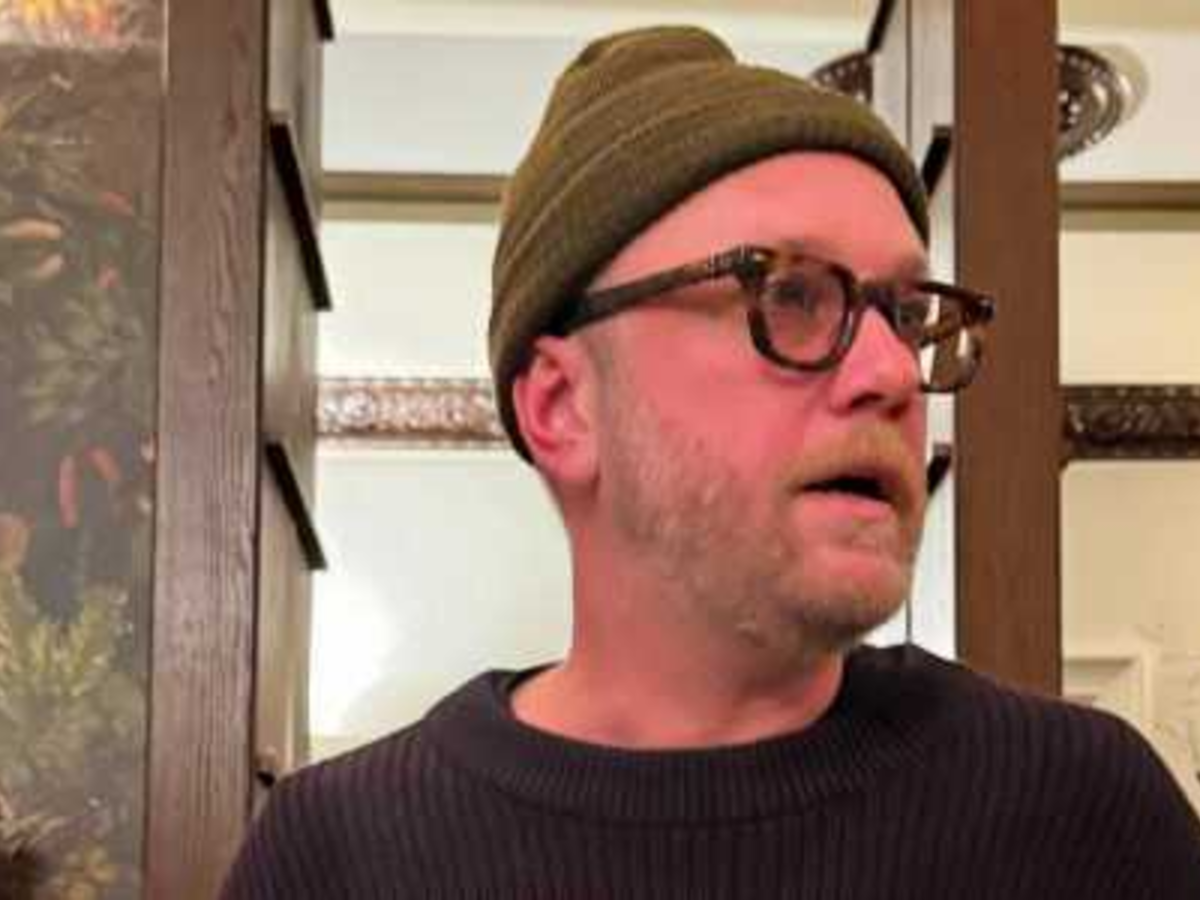
Max Strohe at Tulus Lotrek: Berlin’s wild-hearted star kitchen you actually want to eat in
08.03.2026 - 09:15:02 | ad-hoc-news.de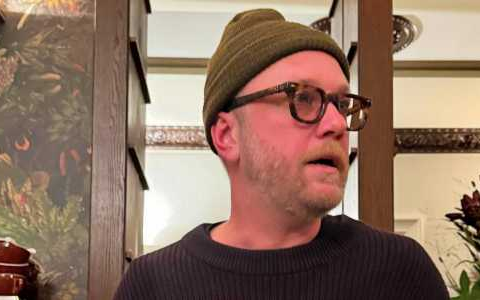
The first thing you notice at Tulus Lotrek Berlin is the murmur. Not the reverent hush of a museum-quiet temple of fine dining. A low, warm buzz. Glasses clink softly, cutlery taps porcelain, someone laughs from the bar. The air smells of roast chicken skin, toasted yeast, citrus zest and good butter. Candles burn low, the room glows slightly amber, and you feel your shoulders drop as you sit. This is a Michelin-starred restaurant that does not demand that you whisper.
You look around. Velvet, wallpaper, a little bohemian excess. The plates arriving at neighboring tables are precise, yes, but not stiff. Sauces shine with a deep, glossy jus. Herbs look picked, not engineered. You notice something else: people are eating. Not poking. Forks move with intent, bread gets ripped apart by hand, the Maillard-dark crust of something pan-fried cracks under a knife and sends a faint scent of browned fat into the air.
This room is the stage for two protagonists. In the kitchen, Max Strohe. In the dining room, Ilona Scholl. The story of Tulus Lotrek is really the story of this duo who decided that fine dining could be serious and still feel like a party.
Strohe did not follow the classic German high-end path of hotel school, three-star apprenticeship, orderly CV. He left school early, washed dishes, cooked where he could, learned in heat and steam rather than in perfectly laminated training plans. That non-linear start still shows on the plate: he is technically sharp, but refuses to be boxed in by dogma. French sauces, German memories, Mediterranean sunshine, a flirt with Asian acidity – all can appear in the same menu if they serve flavor, not fashion.
Scholl, meanwhile, shapes everything you experience from the threshold to the last sip of digestif. Her service does not wrap itself in stiff formality. She is known for clear opinions, razor wit, and a refusal to play the submissive host. Yet you feel looked after with microscopic precision: allergies are remembered, glass refills appear at the right second, and the rhythm of the evening is choreographed with quiet confidence. Her role is not a soft-focus background; she is co-author of the restaurant.
It is this partnership that led, over the years, not only to a solid reputation but to serious recognition. A Michelin star secured and defended. Strong ratings in Gault&Millau Berlin for a kitchen that refuses to become decorative tweezer food. Then, something even rarer in gastronomy: the Federal Cross of Merit for Max Strohe, honoring his commitment to social projects and his willingness to use his visibility for more than just filling tables. From school dropout to state medal – the arc is bold, and you can feel that pride humming quietly beneath the surface of a busy service.
What does this all mean when you actually eat here? You might start with a dish that sums up the house style in a single bite: an opulent take on poultry, for example. Imagine a piece of perfectly cooked chicken or guinea fowl, the skin bronzed by the Maillard reaction until it gives a glassy crackle under your teeth. The meat is still moist, faintly steaming as you cut, fibers yielding rather than tearing. Around it, a sauce that has clearly taken time: roasted bones, reduced slowly into a glossy, almost sticky jus that clings to the meat and coats your tongue with depth and gentle smoke.
There might be a bright counterpoint: a puree laced with fermented citrus, or pickled onions whose vinegar kick stings the nose for a second before you taste their sweetness. Texture shifts constantly under your fork – crunchy crumb, silk-smooth purée, bouncy, perfectly seasoned vegetables. It tastes like someone cooked from instinct and memory, then tightened every screw with professional calm.
A second plate could be rooted in Berlin, but unafraid of excess. Think of a luxurious riff on a classic: maybe blood sausage or offal paired with something almost indecently rich. You cut through a dark, gently spiced slice; the scent is iron, warm spices, a whisper of smoke. There is acidic relief on the plate – apple, cabbage, or a sharp mustard espuma that hisses slightly as you touch it with a spoon. Fat, acidity, sweetness, bitterness are not politely separated; they wrestle on your palate. You take a sip of wine and feel the pairing click into place, tannins scraping away the richness just enough to make you reach for your fork again.
The dessert course continues that undogmatic streak. Sugar never drowns everything. You may find a combination of chocolate with something salty or herbal, or a modern fruit plate where roasted notes meet cold sorbet. Imagine biting into a shard of caramelized white chocolate – it snaps loudly between your teeth – then melting into a pool of tart berry or citrus. The temperature play wakes you up after several courses; there is no sleepy slide into sweetness.
What stands out is what you do not see. Little towers made of twenty micro-leaves. Drops arranged in mathematically perfect circles. The aggressive use of tweezers as the main creative act. Strohe’s kitchen is precise but not prissy. If a leaf is there, it is because it tastes of something. If a sauce streaks across the plate, it is because someone wanted you to drag your meat through it, not to admire it from a distance.
This approach also translates extremely well to screens, which is why you keep encountering Max Strohe in your feed and on TV. His appearances on shows like "Kitchen Impossible" have shown a cook who is both technically solid and entirely unwilling to play the quiet auteur. He curses, sweats, laughs, fails publicly, and still comes back with a plate that tastes of graft and stubbornness rather than safe TV polish.
When you want to see that side of him unfiltered, you can go straight to the moving images.
Watch how his plates move from pass to table and how he fights his way through TV challenges here: Search Max Strohe clips on YouTube
To sense how the restaurant looks on a busy Saturday night, with sauces gleaming under dim light and glasses catching reflections, scroll your way through guest impressions and official shots: Discover visual impressions on Instagram
And if you want to read the debates about casual fine dining, politics in gastronomy, and what a Michelin Star Berlin Kreuzberg address should stand for, you can dive into the live commentary: Follow the latest discussions on X
Back at your table, what you feel most clearly is the atmosphere. This is why so many guests describe Tulus Lotrek as a kind of living room. The chairs are comfortable, not design torture devices. The tables are close enough that you might briefly greet your neighbor, but far enough that your own arguments and declarations remain your own. The lighting flatters faces and food alike; nothing glares.
The playlist is audible. Not the anonymous lounge mix that evaporates on contact with your ears, but music with a beat, sometimes a lyric you actually know. It gives the room a pulse. Staff move quickly, yet they do not glide around you like silent ghosts. They chat if you want to chat. They crack a joke if you signal you are open to it. If you are here to celebrate, they are ready with a spark of theater. If you clearly want a quiet anniversary dinner, they read that without being told.
This is casual fine dining in the best sense: serious food, loosened dress code. You can arrive in smart sneakers and still receive a Gault&Millau-grade experience. You can discuss sauces and vintages in detail, or you can simply say, “I like it juicy and not too oaky,” and let the team handle the rest. The feel-good atmosphere is not a side effect; it is a core product.
For Berlin’s food scene, Tulus Lotrek and Max Strohe play a crucial role. They prove that a Michelin star in Kreuzberg does not have to mimic Paris or Copenhagen. It can be loud, opinionated, grounded in local reality and still reach the highest technical level. The restaurant attracts the classic fine-dining crowd, of course, but also younger guests discovering that haute cuisine can taste like fun, not like examination.
At a time when many tasting menus around the world feel interchangeable – same techniques, same stylized plating, same language – Tulus Lotrek insists on personality. The plates have a sense of humor. The wine list is serious but not doctrinaire. The hosts are present as people, not as faceless executors of a global concept.
If you care about where Berlin is heading as a dining city, you cannot ignore this address. It stands as proof that a restaurant can collect stars and still feel human. That a chef can accept a Federal Cross of Merit and still shout in a TV kitchen. That you can walk into a room with velvet walls and candlelight and, within five minutes, feel not intimidated but hungry.
When you leave, the smell of roast and caramel still clings faintly to your clothes. Your ears ring with the echo of conversations and cutlery. On your tongue, a trace of jus and citrus remains, stubborn and pleasing. You step back out into Kreuzberg, slightly warmer than before, and understand why the name Tulus Lotrek Berlin keeps circling through conversations, guides, and rankings. It is not just another address to tick off. It is a place you will want to return to, both for the plate and for the people holding the whole thing together.
So schätzen die Börsenprofis Aktien ein!

Für. Immer. Kostenlos.