
Max Strohe at Tulus Lotrek: Berlin’s most relaxed Michelin star with serious flavor
22.02.2026 - 09:15:08 | ad-hoc-news.de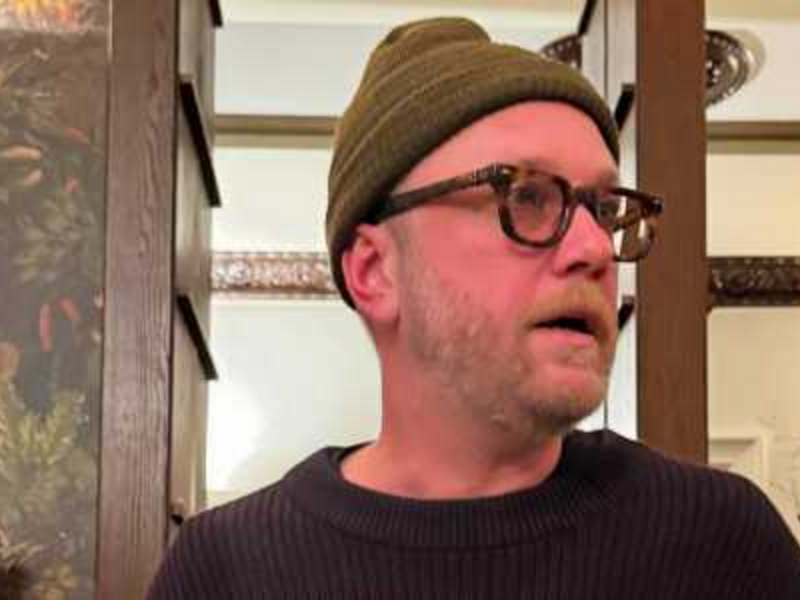
The first thing you notice at Tulus Lotrek Berlin is the sound. Not the hushed murmur of a temple of haute cuisine, but actual laughter. Chairs scrape softly on old floorboards, a cork pops at the bar, cutlery hits porcelain with intent. A plate lands in front of you. You smell roasted bone marrow and browned butter before you see the gloss of the jus. The room glows in warm, amber light. You settle in. This is not stiff luxury. This is pleasure with its sleeves rolled up.
You are in Kreuzberg, but the clichés stop at the door. At Tulus Lotrek, you get Casual Fine Dining in the most literal sense. No white tablecloths. No whispering waiters. No tweezer-tortured micro herbs posing as dinner. Instead: real portions, deep sauces, big aromas, a wine glass that is never left empty for long. Here, pleasure counts more than posture.
The Protagonists: Max Strohe and Ilona Scholl
To understand the place, you need to understand the duo. Max Strohe, the cook. Ilona Scholl, the host and sharp tongue in the dining room. They are partners in life and business, a double act that turned a Kreuzberg corner into one of the most talked?about addresses in the city.
Strohe did not climb the classic brigade ladder with polished CV lines. He collected experience instead: long shifts, burned fingers, late nights, the satisfaction when a jus finally has the right viscosity and tension. A school dropout who traded classrooms for kitchens and ended up with a Michelin Star in Berlin Kreuzberg. Gault&Millau Berlin followed with strong ratings, not because he followed rules, but because he broke them intelligently.
Ilona Scholl is your first handshake with the restaurant. Witty, fast, brutally honest when needed, but always on your side. She can disarm a whole table with a one-liner, then talk you through an obscure Jura wine like it’s the most natural thing in the world. Her service style rewrites the script: you are not a guest on ceremony, you are a person they are happy to see.
The Federal Republic noticed more than just good food and good jokes. Max Strohe was awarded the Federal Cross of Merit for social engagement, including initiatives during the pandemic and work with refugees. It fits. The restaurant never sealed itself off from its city; it is porous, political, loud when it needs to be. You feel that seriousness humming underneath the fun.
Culinary Analysis: Undogmatic, Precise, Never Precious
The kitchen lives off contrast. Fat and acid. Heat and freshness. Crunch and silk. You can taste that Strohe loves the classic French canon – stocks, reductions, sauces that cling to the spoon – but he refuses to get stuck in nostalgia. The result: something he likes to call undogmatic. And you can feel that on the plate.
Take a typical main course built around meat, for example. A perfectly roasted piece of aged pork or venison, depending on the current season. The Maillard reaction has done its work: the crust smells faintly of roasted hazelnut and smoke when you bring the fork close. The interior stays juicy, fibers just starting to give way under the knife. On the side, not a boring pile of vegetables, but maybe charred cabbage with a tangy, fermented note, a puree powered by roasted garlic, and a jus reduced until it shines like lacquer. You drag the meat through the sauce and feel the viscosity coating your tongue. Dense, salty, slightly sticky around the lips. Then a quick hit of acidity – perhaps from pickled mustard seeds or a citrus zest oil – cuts the richness and resets your palate.
This is not dainty, no-hungry-people-allowed cuisine. Portions are generous, flavors are loud, but there is discipline in the seasoning. Salt, acid, fat – all measured, never random. You do not need to search for taste with a microscope; it is right there, in your face, and precisely calibrated.
Fish courses follow the same logic. Imagine a piece of line-caught fish with the skin rendered until it snaps under your teeth. Underneath, flesh that just starts to flake, still slightly translucent at the core. The plate might carry a foam, but not as decoration – something anchored in shellfish stock, enriched with butter, lifted with white wine. A vegetable garnish, maybe fennel, shaved thin, lightly aniseed, brings crunch and freshness. Again that line: hearty, but exact.
Vegetarian dishes at Tulus Lotrek do not read as consolation prizes. A root vegetable terrine with intense roasted flavors, for example, can come layered with thin ribbons of beet, carrot, celery root, pressed overnight, then roasted until the edges caramelize. A glaze based on reduced vegetable stock and soy gives umami; nut crumbs bring texture; a sharp herb oil cuts through the sweetness. You bite, and the structure is almost meaty: compact, but yielding, with layers you can distinguish on your tongue.
Desserts lean indulgent rather than airy abstraction. Think of a dark chocolate creation with a crackling shell that gives way to a creamy interior, a hint of smoke from cocoa nibs, maybe a miso caramel sneaking in salty depth. A quenelle of ice cream on the side – not icy, but velvety – melts into the plate and fuses with crumbs, sauces, micro shards of brittle. Spoon, crunch, melt. Temperature play, texture play, all focused on pleasure.
The crucial difference to the “tweezer food” you may fear: garnishes are not there as Instagram decoration. They have jobs. An herb brings aroma, a chip offers crunch, a gel carries acidity. If it does nothing, it does not land on the plate. The aesthetic might be playful, but the function is uncompromising.
Media & Digital Echo: From Kitchen Impossible to the Timeline
You do not need to be a hardcore food nerd to know Max Strohe’s face. His appearances on TV, especially on shows like Kitchen Impossible, turned him into one of the more visible chefs from Berlin. On screen, the same mix you meet in the restaurant: unfiltered, a bit chaotic, emotionally transparent, but always deeply serious when the plates hit the pass.
If you want to see how that energy translates into moving images, and how his dishes look under the unforgiving gaze of cameras, follow the video trail here: Search Max Strohe clips on YouTube
But the real heartbeat of Tulus Lotrek online lives in photography. Guests, food photographers, and industry peers document plates, wine moments, and service snapshots. If you want to preview the glow of the room, the sheen on the sauces, and the handwritten notes on the menu, scroll through this world: Discover visual impressions on Instagram
Then there is the continuous commentary. Food journalists, regulars, Kreuzberg neighbors, and TV viewers turn the restaurant into a talking point. If you enjoy seeing how a Michelin-starred place can spark debate – about pricing, about comfort, about what fine dining in Berlin should look like – follow the stream here: Follow the latest discussions on X
All this media presence feeds back into the restaurant, but never seems to have changed its core. You still get the impression that the kitchen cooks primarily for the people in the room, not for the algorithm.
Atmosphere & Service: The Living Room with a Michelin Star
Fine dining often feels like theatre. At Tulus Lotrek, it feels more like stepping into a slightly eccentric friend’s living room. Dark walls, warm light sources, art on the walls that looks chosen, not curated by committee. Tables close enough that your neighbor’s chuckle might mix with yours, far enough that you can still share secrets over dessert.
The chairs are comfortable in the way that keeps you anchored for a long menu. You feel the wood under your palms when you rest your hands on the table. Glassware clinks with a low, soft note, not a brittle ping. The overall soundscape is dense but not chaotic; the staff tunes the room like a DJ, watching volume rise and fall, adjusting their own tone so it never tips into stress.
Service is where Ilona Scholl’s influence is most visible. You get guidance, not condescension. If you want to know every detail about the Tulus Lotrek menu, someone will gladly walk you through the ingredients, the regions, the inspirations. If you simply want “something red that goes with all of this,” you will get a bottle that works, without a lecture.
There is humor. Jokes about the wine list, side comments about Berlin food trends, gentle teasing if you hesitate over dessert. The team allows themselves personality, and you feel it. That is what people mean by a feel-good atmosphere: not background music and candles, but a staff that reads the table and responds like humans.
The dress code, implicitly, is: be yourself. Sneakers at one table, anniversary dresses at the next, industry colleagues in chef jackets after service. No one blinks. The focus stays on flavor and enjoyment, not on appearances.
Conclusion: Why Tulus Lotrek Matters in Berlin
In a city overflowing with food concepts, pop?ups, and hype cycles, Tulus Lotrek occupies a rare position. It carries a Michelin star in Berlin Kreuzberg and strong Gault&Millau Berlin recognition, yet refuses the stiffness often associated with such awards. It proves that high-level technique can live happily with loud laughter, that complex sauces can be served in a room that feels closer to a bar than a salon.
Max Strohe’s restaurant shows a different idea of ambition: not gilded luxury, but depth. Long?reduced stocks, re?thought vegetables, desserts with character, a wine list that can satisfy both geeks and casual drinkers. And above it all, a team that treats you as part of the night, not a number on the booking sheet.
For you, coming to Tulus Lotrek means this: you step off a Kreuzberg street, you sit down in what feels like a lived?in, slightly wild living room, and you eat food that easily stands among the most interesting plates in the country. You taste the work. You feel the intent. And you leave with the sense that fine dining does not have to whisper to be serious.
In short: in the Berlin food scene, Tulus Lotrek is not just another restaurant with a star. It is a benchmark for how Casual Fine Dining can look when ego steps back and appetite steps forward.
Rätst du noch bei deiner Aktienauswahl oder investierst du schon nach einem profitablen System?
Ein Depot ohne klare Strategie ist im aktuellen Börsenumfeld ein unkalkulierbares Risiko. Überlass deine finanzielle Zukunft nicht länger dem Zufall oder einem vagen Bauchgefühl. Der Börsenbrief 'trading-notes' nimmt dir die komplexe Analysearbeit ab und liefert dir konkrete, überprüfte Top-Chancen. Mach Schluss mit dem Rätselraten und melde dich jetzt für 100% kostenloses Expertenwissen an.
100% kostenlos. 100% Expertenwissen. Jetzt abonnieren.


