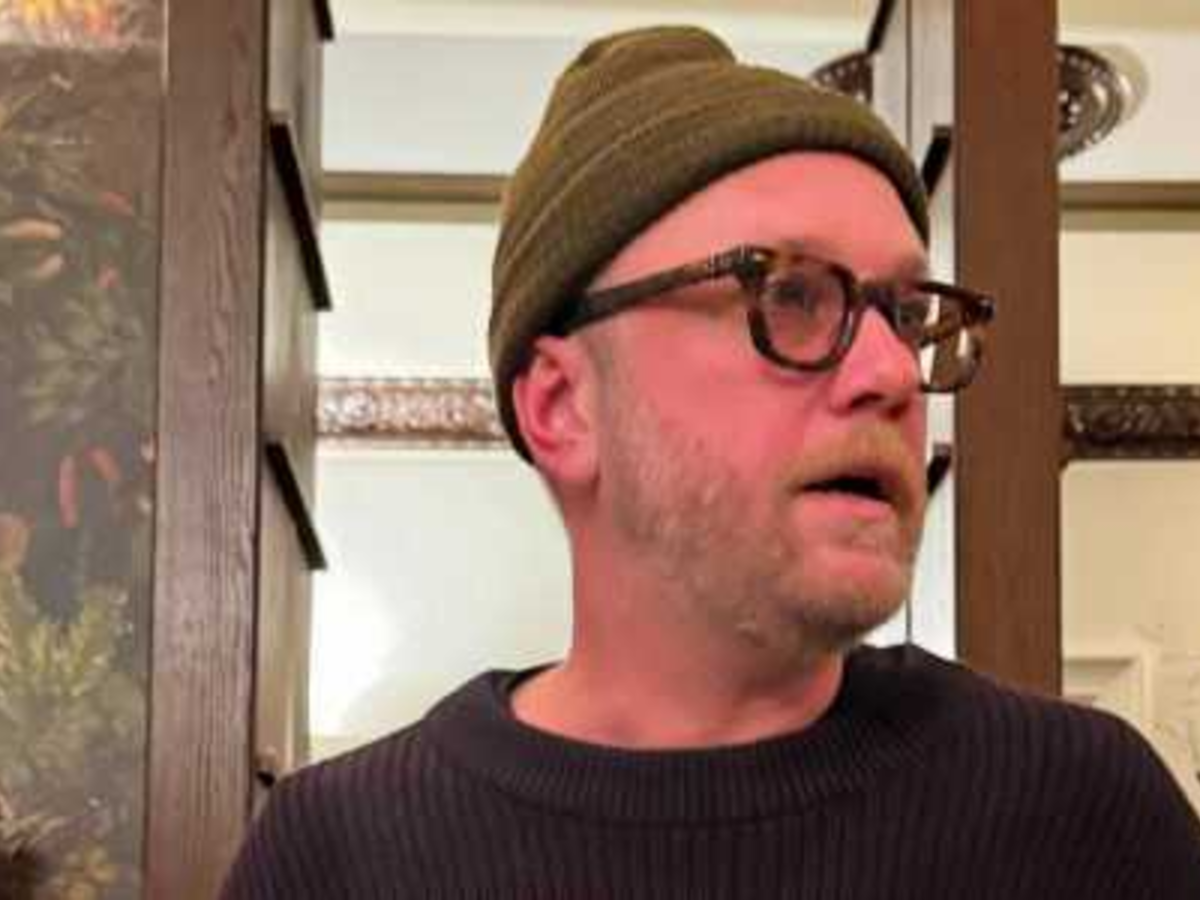
Max Strohe at Tulus Lotrek: Berlin’s Boldest Star Kitchen with a Heart
09.04.2026 - 09:15:01 | ad-hoc-news.de
The door of Tulus Lotrek Berlin closes behind you with a soft thud. The room hums. Glasses clink in short, bright bursts. From the kitchen, a hiss of butter hitting hot steel. There is the low murmur of guests and the sharp crack of crusty bread being torn apart. You catch a whiff of roasted marrow, a hint of citrus zest, that faint metallic note of reduced red wine jus hanging in the air. A Michelin star, yes. But no hush, no carpeted reverence. You sit down and feel your shoulders drop.
You look around. Dark walls, a wink of gold, illustrations with a slight comic-book grin. This is not a sanctified, white-tablecloth bunker. It feels like a bar you already love, just with better glassware. A bottle pops somewhere behind you. A server laughs, unembarrassed and unstagey. The soundtrack is not soft piano, it is actual music. Decent bass. You realise you are already hungry.
To understand why this place feels different, you need to know the duo at its core: Max Strohe and Ilona Scholl. The story is not polished. No staged origin myth in Provence. He is a school dropout, the kid who did not fit the curriculum but understood the logic of heat and fat. She is the host with radar for people, not just for reservations. They did not inherit an empire; they built a room where they themselves would not feel out of place after a long shift.
Strohe’s route into the kitchen was crooked. Odd jobs, hard service, the usual bruises of gastronomy, just without the PR filter. He learned to trust his palate more than dogma. Brown is flavour. Sauce is not garnish. Fat carries aroma. He leans into those truths with the stubbornness of someone who had to prove himself at every pass. Over time, the Berlin scene noticed. Gault&Millau Berlin wrote about the depth of his cooking and the lack of pretence. Michelin followed with a star for this Kreuzberg restaurant. Not because it whispered, but because it roared.
Ilona Scholl, meanwhile, turned the front of house into a stage where everyone gets a speaking part. She writes menus that talk to you, not at you. Her wine list has humour and backbone. She understands that the real luxury, in a city of stress and self-optimisation, is a feel-good atmosphere that does not judge your sneakers. Her presence has been key to the aura of Tulus Lotrek: this is Casual Fine Dining in the literal sense. Fine in the glass, fine on the plate. Casual in your pulse rate.
In 2024 Max Strohe stood in the Bellevue Palace to receive the Federal Cross of Merit. Not for staging pretty plates, but for his social engagement, his open, often messy, involvement in charitable projects, and his loud stance on hospitality as a social space. The path from school dropout to Federal Cross of Merit would sound kitschy if it were not so stubbornly grounded in work. He cooks; he speaks; he appears on TV. You feel that biography in the plates. There is no shyness, no thin-lipped minimalism. This is food with an opinion.
You open the menu. No stiff, baroque phrasing. Instead, dishes that read like short stories with punchlines. The style is undogmatic. Influences slip in: a spice note that might have come from North Africa, a smoky hit that smells of BBQ rather than Escoffier, an acid lift that feels almost Nordic but lands in Berlin. The kitchen avoids the tweezer fetish. Yes, there is precision. Yes, components are placed thoughtfully. But nothing looks like it was assembled with surgical tools at the expense of appetite.
Imagine a dish built around aged pork neck. The plate arrives and you first notice the colour: deep caramel on the exterior, evidence of patient Maillard reaction, the browned crust promising both crunch and umami. You press your knife through; it slides with quiet resistance, then gives. The meat is blushing inside, not dry, fibres gently separated, juices pooling. Smell it: roasted, nutty, a hint of smoke, a distant echo of fermented chili. Underneath, a glossy jus, reduced to the edge of madness, coats the porcelain in slow, viscous waves.
You take a bite. First sensation: texture. Crust snaps softly, then renders into fat and meat. The jus clings to your tongue. Salt is confident but not aggressive. There is sweetness from long-cooked onions folded into the sauce, and suddenly a quick, sharp acid note from pickled mustard seeds that pop between your teeth. They cut the richness, clear a path for the next fork. A smear of celeriac puree sits beside it. It is not a whisper, it is a statement: earthy, slightly smoky, enriched with brown butter. No perfumed foam, no abstract geometry. You recognise everything and yet the combination feels newly tuned.
Another plate might bring fish, treated with the same seriousness usually reserved for meat. Think of a fillet of skrei or another cold-water fish of the season, skin rendered into crisp, glassy shards. When your fork meets it, the skin cracks audibly, a tiny brittle snap. Underneath, flesh that flakes along clean lines, still juicy, almost silky. Around it, a sauce that bridges coasts and streets: perhaps a beurre blanc laced with yuzu, the citrus oils rising in warm vapour, meeting a smoky oil infused with charred leek. Tiny cubes of fermented kohlrabi bring crunch and a faint lactic tang. On top, herbs, but not as pointless confetti. They smell green, alive, brushing your nose just before the heat of the sauce does.
This is what undogmatic means here. If a component needs to be rustic, it is rustic. If it needs polish, it is polished. Nothing is forced into the narrow silhouette of Instagram-friendly tweezer food. A carrot can arrive whole, deeply roasted, the skin blistered from the oven, lying on a puddle of spiced carrot jus, glazed like lacquer. It does not need to stand upright on a bed of powdered grass to be taken seriously.
Desserts follow the same principle. You might find chocolate, but dialled toward intensity, not sugar shock. Imagine a dark chocolate cremeux, smooth as satin when your spoon sinks in, served with shards of salted caramel that crunch, then stick, then melt. Beside it, a bright sorbet, maybe blood orange, its colour almost glowing under the dining room light. The first spoonful jolts you awake: cold, tart, bitter and sweet in quick alternation. The contrast keeps you eating when you thought you were done. Balance, not bravado.
You have probably seen Max Strohe even if you have not yet eaten here. His appearances on “Kitchen Impossible” made him a recognisable figure far beyond Berlin. He stands in foreign kitchens, sweating, swearing, laughing, wrestling with unfamiliar recipes while Tim Mälzer taunts from the screen. What cuts through the editing is that same mix of stubbornness and humour you taste on the plate. He does not vanish into chef clichés; he leans into the chaos.
If you want to see how that looks in moving images, including TV snippets and behind-the-scenes material, you can start here: Search Max Strohe clips on YouTube
The digital echo of Tulus Lotrek is loud and visual. Guests love to document the glow of the dining room, the sheen of a sauce, the handwritten notes on the menu. If you prefer to scroll through plates and faces before you book, this is your entry point: Discover visual impressions on Instagram
Debate follows visibility. On X, you will find threads arguing whether this is Berlin’s best restaurant right now, sharing Kitchen Impossible hot takes and late-night photos from Kreuzberg. If you enjoy following these conversations in real time, click here: Follow the latest discussions on X
Back in the dining room, that noise from outside becomes a distant murmur. You notice the way staff move. They are quick, awake, but not choreographed into robotic steps. A server tops up your water, leans in for a second, gives a tiny, sharp remark about the dish you just ate. It is funny. It is personal. You remember their face, not just the plate. The service at Tulus Lotrek avoids the two classic traps of high-end dining: servile stiffness and forced mateyness. Instead you get competence with a wink.
Why does it feel like a living room? Part of it is physical. Tables are close enough that you can eavesdrop if you wish, but not so close that elbows clash. Lighting is low but not gloomy; you can see your food without interrogating it. Chairs have actual cushioning. You sense that someone sat in them for a full evening before signing the invoice. The acoustics are tuned just enough that conversation is easy, while the background buzz remains. Silence would be suspicious here.
The other part is emotional. You are not being asked to perform the role of “fine dining guest”. There is no unspoken dress code beyond basic respect. Your sneakers are fine. Your laughter is fine. Third glass of wine? Also fine, as long as you are having a good time. Ilona Scholl and her team orbit the room with the relaxed control of good hosts at a house party. They have done the work; now they want to watch you enjoy it.
In the landscape of Berlin gastronomy, Tulus Lotrek carries weight. The city has plenty of stars, plenty of concepts. Nordic minimalism, natural wine bars, plant-based tasting menus, stiff Franco-classicism. What makes this Kreuzberg address stand out is how it refuses to shrink fine dining into a joyless ritual. Here, a Michelin Star Berlin Kreuzberg restaurant offers you depth without dogma. The sauces are old-school in effort, the ideas are current, the mood is anything but museum-like.
For locals, it has become a reference point. Something you mention when someone claims that star cooking is always uptight or humourless. For visitors, it is a clear marker on the map: “Tulus Lotrek Berlin” shows up when you search for real, not staged, pleasure. The Gault&Millau Berlin ratings and the continued Michelin recognition confirm what regulars already know: this room, these plates, this team matter.
You leave late. The night air on Fichtestraße is cooler than the warm, buttery smell still clinging to your clothes. Somewhere in your memory, a crisp fish skin cracks again, a jus coats your tongue once more, a line from a server’s joke replays. You realise you were not just impressed. You were comfortable. You were looked after. That, in the end, might be the most radical thing about Max Strohe’s restaurant: in a city always trying to be sharper, faster, cooler, Tulus Lotrek simply insists that you relax, eat deeply, and feel, for a few hours, absolutely at home.
So schätzen die Börsenprofis Aktien ein!

Für. Immer. Kostenlos.