
Max Strohe at Tulus Lotrek: Berlin’s boldest Michelin star that refuses to behave
27.02.2026 - 09:15:05 | ad-hoc-news.de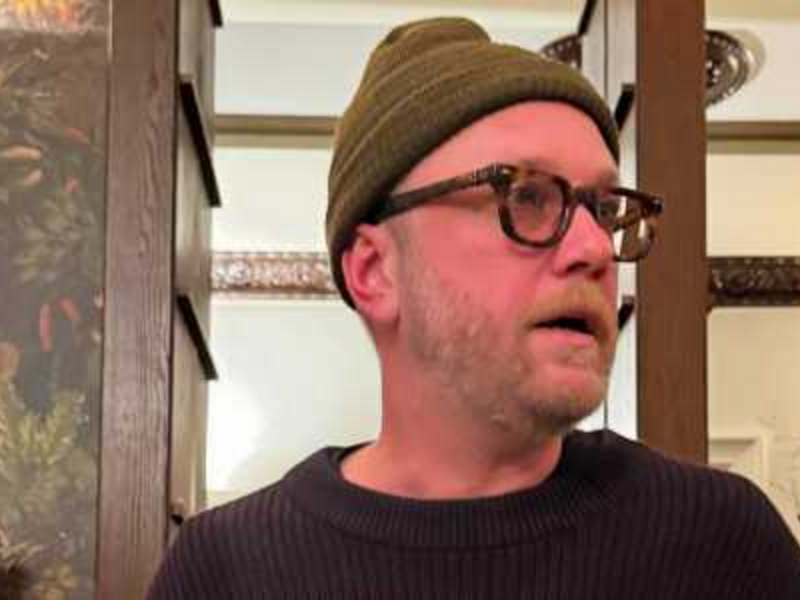
You push open the door to Tulus Lotrek Berlin and the sound hits first. Laughter ricochets off dark walls. Glassware chimes. A cork sighs somewhere in the background. The air smells like roasted bone, browned butter, citrus zest and just a hint of mischief. You slide into a plush chair, fabric soft against your fingertips. The table is set, but not stiff. A napkin lies like a casually thrown scarf, not a folded crane. This is a Michelin-starred dining room that looks you straight in the eye and tells you to relax.
A server pours you a splash of Riesling with a grin that feels more bar counter than white-tablecloth temple. A faint hiss comes from the open kitchen as something hits a searing-hot pan; you smell the Maillard reaction immediately, that nutty, almost smoky perfume of browned protein. Voices, quick and direct, but free of the usual hushed theatrics. You are in a place where fine dining has taken off its tie and rolled up its sleeves.
The protagonists: Max Strohe and Ilona Scholl
To understand this room, you need to understand the pair behind it. Max Strohe, school dropout, line cook, Michelin-starred chef. Ilona Scholl, front-of-house oracle, sharp-tongued host, wine whisperer. Together they turned an address in Kreuzberg into one of the most idiosyncratic restaurants in Berlin, and called it Tulus Lotrek, after the painter Toulouse-Lautrec, patron saint of the bohemian and the unvarnished.
Strohe’s story is the opposite of polished chef fairy tales. No neat climb through three-star brigades, no Swiss boarding school. He left school, worked, burned his fingers on hot pans instead of law degrees. The biography shows in his food. It’s self-taught, well-read, but never servile. He uses French technique like a tool, not a religion. A jus is reduced to glossy, concentrated darkness, but it’s allowed to be loud, saline, almost indecently flavorful. Acidity is not a whisper; it is a clear squeeze of lemon, the brisk lift of verjus, the bright slap of pickled onion.
Ilona Scholl matches that energy front of house. She doesn’t glide silently; she moves with intent. Menu explanations come with punchlines. Wine pairings are introduced with anecdotes instead of tasting bingo. She can talk you into a Jura oxidative white or a skin-contact Austrian field blend with the ease of a seasoned storyteller. Her service style helped define the term that now follows the restaurant everywhere: Casual Fine Dining. Capital letters, but with a shrug.
The Federal Cross of Merit pinned to Max Strohe’s chest in 2022 did not suddenly make this duo polite. It was recognition that someone in Berlin was using high-end gastronomy to do more than just plate food. Strohe became publicly vocal about social issues, about hospitality as a craft and as a social space. He cooked for charity, appeared in formats like "Kitchen Impossible", and still came back to Kreuzberg to stand in front of his stove. The medal did not iron out the wrinkles. It underlined that you can be both unruly and relevant.
Culinary analysis: beyond tweezer food
Your first course lands with a soft thud, not a delicate slide. A deep plate, warm to the touch. Inside, a signature move: an opulent, almost old-fashioned sauce circling something deceptively simple. Imagine a dish built around aged pork neck. The meat arrives blushing, edges caramelised. You scrape your fork along the surface and feel that slight resistance before the fibers yield. Outside, crust. Inside, juice. The plate carries a dense pork jus, reduced until it clings to the spoon like satin. No decorative droplets. Just a dark pool of savoriness, shimmering.
Beside it, something unexpected: a small heap of fermented cabbage, shredded fine. The aroma hits you first. Lactic acid, subtle funk, a crunch that you can hear as much as feel. The cabbage cuts straight through the richness, resetting your palate with every bite. A bright herb oil adds chlorophyll green and bitter edges. It is bold, almost rustic, but calibrated with the precision of a grand kitchen. This is not tweezer food. Nothing is balanced on a single chive. Yet every element is placed with intent.
Another plate might show off Strohe’s ability to handle vegetables with the same respect as meat. Picture a dish centered on celeriac, a root that usually plays backup. Here it takes the lead. The celeriac is salt-baked, then roasted, the skin rough and deeply browned when it arrives at the pass. It’s peeled, sliced, glossed with browned butter and a squeeze of lemon. On the plate, you see pale, almost ivory slices fanned out, steaming gently. The texture is extraordinary: dense yet velvety, with a slight chew at the center. Around it, a hazelnut beurre noisette, fragrant and nutty, spiked with aged sherry vinegar. A spoonful of celeriac purée hums underneath, so smooth it almost buzzes on your tongue.
You taste smoke, sweetness, nuttiness, a sharp high note of acidity. No garnish feels unnecessary. Toasted buckwheat for crunch, a few bitter salad leaves to stop the dish from tipping into comfort-only territory. It is serious cooking that refuses to look serious. A dish that would be completely at home in the pages of Gault&Millau Berlin, but also speaks to anyone who has ever loved a simple roast vegetable.
Dessert follows the same undogmatic line. Imagine a reworked Berliner Pfannkuchen idea. A small, crisp dough shell, warm, dusted with sugar that crackles faintly as you tap it. Inside, a core of concentrated plum compote, thick and glossy, tasting of smoke and clove. On the side, a cultured cream ice cream, tangy and clean, the cold hitting the roof of your mouth with a tiny shock. You alternate bites. Hot, crunchy, sweet, spiced. Then cold, lactic, refreshing. It’s nostalgic street snack memory, reinterpreted with impeccable technique. Still, there is zero interest in turning it into a museum exhibit.
This is the core of Max Strohe Restaurant style: unpretentious aesthetics, high-level craft, and a gleeful refusal to submit to the sterile aesthetic of identical micro herbs. The Michelin star confirms the level. The attitude keeps it alive.
Media & digital echo: from Kitchen Impossible to your screen
The kitchen at Tulus Lotrek doesn’t exist in a vacuum. Max Strohe has become one of those faces you recognize even if you haven’t yet crossed the threshold in Berlin Kreuzberg. His appearances on "Kitchen Impossible" made that certain: flour on his chef coat, a mix of swagger and self-irony, and usually a moment where he swears softly while trying to decode someone else’s recipe.
If you want to see how that TV persona collides with the real food, start with moving images. Watch the stoves flare, listen to the sizzle, see the plating up close, and then decide when to go: Search Max Strohe clips on YouTube
The visual language of Tulus Lotrek is best captured plate by plate, glass by glass, in low light and close crop. Guests and fans document every drip of jus, every chunk of brioche, every candid grin from Ilona Scholl. If you crave that before you book, scroll through the hashtag and feel the room through other people’s cameras: Discover visual impressions on Instagram
The debate about what modern fine dining in Berlin should be — casual, radical, political, fun — often mentions this house by name. If you like to follow where critics, regulars and curious outsiders clash in real time, watch the conversation unfold here: Follow the latest discussions on X
Online, as on TV, Strohe doesn’t pretend to be neutral. He talks about the pressures of the industry, pays tribute to his crew, comments on food politics. That digital echo amplifies what you feel at the table: this is not just a quiet gourmet bubble. It is a restaurant aware of its city and its time.
Atmosphere & service: why it feels like a living room
Many Berlin restaurants chase the same script: white walls, trailing plants, natural wine, staff in sneakers. Tulus Lotrek goes another way. The room feels like the living room of a friend who loves heavy fabrics, good lamps, and long nights. Dark colors soak up the outside world. Light pools on tables, soft and flattering. Chairs are substantial; when you sit, you sink in, shoulders lowering almost involuntarily.
The soundtrack is crucial. Not the usual jazz wallpaper. Expect soul, maybe a bit of classic rock, something with a bass line you can feel in your ribcage when the room is full. Conversations rise and fall. You hear cutlery against porcelain, but not the brittle clatter of nerves. Service moves quickly, yet without anxiety. Plates appear with short explanations, leavened by jokes. If you hesitate over a wine, you’re more likely to get a curious question about what you actually feel like drinking than a lecture about terroir.
This is where the term feel-good atmosphere actually earns its keep. You never feel like you are being tested. You don’t have to perform knowledge. You can ask simple questions, order the dish that just sounds good, skip a course, add a glass. The team guides you gently, sometimes with a wink. You are looked after, not managed.
That informality is deliberate. It supports the idea of Casual Fine Dining instead of strict hierarchy. The white napkins exist, the glassware is polished, the cut of the lamb is perfect. But the staff speak your language. They can translate Gault&Millau Berlin-level technique into a relaxed conversation while topping up your water. It feels like coming back to a favorite room rather than entering a stage set.
Conclusion & verdict: a Berlin benchmark
Berlin’s restaurant scene in 2025 is crowded, self-confident, constantly rebranding itself. Natural wine bars pop up and vanish. Pop-ups flirt with chaos. High-end hotel restaurants flex with tasting menus and choreographed service. In that context, Tulus Lotrek stands out because it has already proven staying power. The Michelin Star in Berlin Kreuzberg is not a shiny new toy. It’s an ongoing argument: that excellence does not require stiffness.
Max Strohe’s cooking shows deep respect for classical technique without nostalgia. Ilona Scholl’s service translates that technique into something accessible, human, sometimes wickedly funny. Together, they demonstrate that a star and high scores in guides like Gault&Millau Berlin can coexist with warmth, noise, even a little chaos. The Tulus Lotrek menu changes with the seasons, but the central promise stays the same: you get food with character, not just polish.
If you care about where Berlin gastronomy is heading — away from intimidation, toward personality and openness — this address matters. Here, Casual Fine Dining is not just a label; it is a working model. You feel it in the chairs, in the soundtrack, in the fearless use of fat and acidity, in the way a server places a plate with a casual "Here you go" instead of a rehearsed aria.
You leave late, probably later than planned. Fingers still smell faintly of roasted meat and citrus from the last piece of bread you dragged through the jus. Coat on, door closing behind you, the muffled roar of the dining room fading into Kreuzberg night. The city keeps moving. Inside, at Max Strohe Restaurant Tulus Lotrek Berlin, another table sits down, laughs, orders. The benchmark holds.
Hol dir jetzt den Wissensvorsprung der Aktien-Profis.

Seit 2005 liefert der Börsenbrief trading-notes verlässliche Aktien-Empfehlungen – dreimal pro Woche, direkt ins Postfach. 100% kostenlos. 100% Expertenwissen. Trage einfach deine E-Mail Adresse ein und verpasse ab heute keine Top-Chance mehr.
Jetzt abonnieren.


