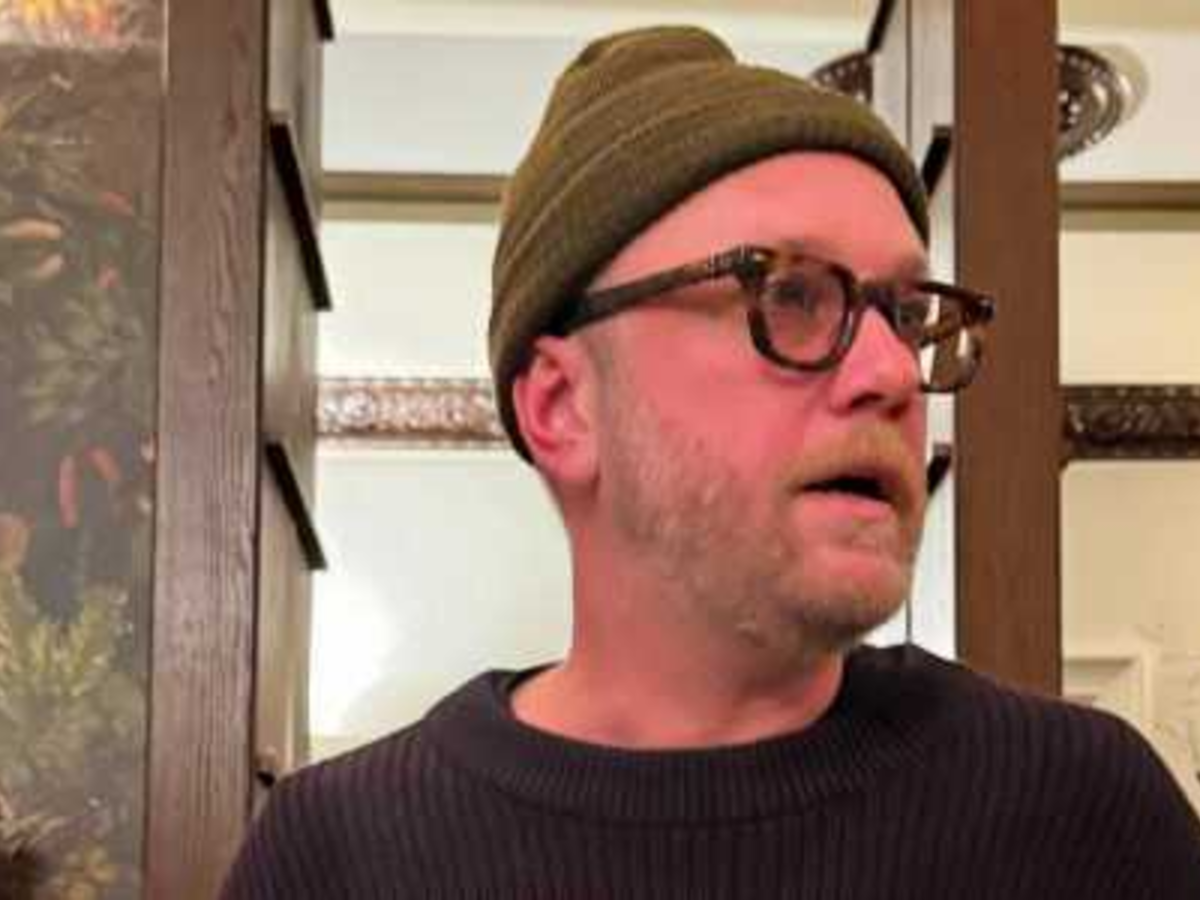
Max Strohe at Tulus Lotrek: Berlin’s boldest Michelin star that refuses to behave
21.02.2026 - 09:15:07 | ad-hoc-news.de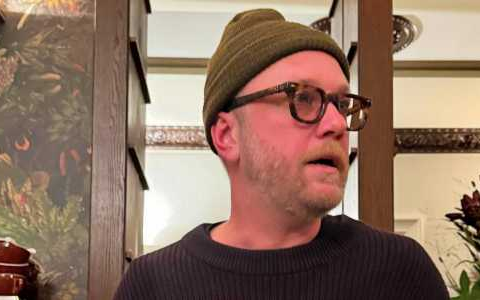
The door closes behind you and Kreuzberg noise turns into a muffled hum. At Tulus Lotrek Berlin the light is low, amber, almost conspiratorial. Glassware glints. A pan hisses softly from the open pass. You catch the scent first: roasted fat, a deep meaty jus, a faint sweetness like caramelized onions and browned butter. Someone laughs at the bar. Velvet chairs give a little as you sit; they don’t force posture, they invite slouching. A server sets down warm bread with almost indecently good butter. You tear off a piece, the crust crackling, steam hitting your face, and you realize this does not feel like classic fine dining. It feels like you’ve been allowed into somebody’s very funny, slightly chaotic, very serious-about-flavor home.
The two people responsible for this atmosphere are not textbook restaurateurs. Max Strohe, the cook with the mischievous grin, left school without a diploma. No sterile hotel school origin story. Kitchens pulled him in instead. Long shifts, burned forearms, the particular perfume of fryer oil and demi-glace soaked into his chef jackets. On the floor, there is Ilona Scholl. Quick wit, sharp tongue, big heart. She guides you through the evening as if she had known you for years, but she never crosses into fake familiarity. Together they turned a corner restaurant in Kreuzberg into something Berlin was missing: Casual Fine Dining that actually feels casual, while the plates could stand up to any white-tablecloth palace in the city.
The path from outsider to institution is visible on the walls, in the clink of glasses, in the bookings calendar. Tulus Lotrek has held its Michelin star for years now, a fixture among Michelin Star Berlin Kreuzberg addresses. Gault&Millau Berlin lists it with high points; critics keep coming back, and not just to tick a list. Then the Federal Cross of Merit arrived for Max Strohe – not for sauces alone, but for his social engagement, his work supporting refugees and people in need. From school dropout to a national decoration pinned to his jacket. You taste that biography in the food: respect for product, zero reverence for snobbery.
You will not find stiff, perfectly symmetrical towers of food here. The cooking at Max Strohe Restaurant Tulus Lotrek is undogmatic. It’s rooted in French technique, sure, but it is not loyal to any single country, style, or rulebook. Think bold seasoning, unapologetic fat, and textures that make your teeth work in a good way. Where other kitchens obsess over tweezer food, lining up micro herbs like soldiers, Strohe is more concerned with Maillard reaction and soul. Plates may look playful, sometimes cheeky, but they are never messy. They just refuse to pose for Instagram before they are ready to be eaten.
Picture a signature dish built around a piece of aged meat – maybe dry-aged beef or game in season. It arrives medium-rare, properly rested, with that lacquered crust you only get when heat and protein flirt at the edge of smoke. You bring the fork close to your face and smell roast, marrow, a clean mineral note. The knife glides through with quiet resistance, a promise of bite. Around it: a dark, sticky jus reduced to a glossy ribbon, the kind that clings to the meat and the spoon. One vegetable, maybe two – not a parade. A wedge of celeriac with a browned, almost nutty exterior and silky core; a hit of citrus zest or vinegar in a purée to cut through the richness. Nothing screams for attention. Everything cooperates. When you chew, you get crunch from a fried crumb here, smooth purée there, elastic meat fibers giving way. Fat coats your lips, and you instinctively go back for another bite before you even reach for your wine.
Then there are the plates that show how far the kitchen is willing to push comfort. Offal that doesn’t apologize. A sweetbread dish, for instance. The gland, milk-soaked, then seared until its outside turns golden and crisp, interior still gently bouncy. It sits in a pool of sauce that smells faintly of sherry and roasted chicken bones, with little bursts of acidity from pickled onions or preserved citrus. Maybe there’s a smoky grilled leek, char at the edges bringing a hint of bitterness. You may have thought you did not like offal. Here, you might catch yourself scraping the plate for the last streak of sauce.
Even the vegetarian courses show this undogmatic attitude. A beetroot is not just roasted and sliced. It might be fermented, juiced, dehydrated, then rehydrated, its flavor concentrated and layered. Served with a bold cheese foam or a pungent vinaigrette, bitter greens cutting through the sweet earthiness. Crunch comes from seeds or a carefully fried shard of something you cannot quite identify at first. The textures shift under your teeth: tender, chewy, brittle. Not polite. Exciting.
The Tulus Lotrek menu changes with the seasons, as produce and ideas evolve. You may find game in the colder months, assertive and wild, tamed by fruit and spice. In warmer weather, more vegetables move to the center of the plate, but the kitchen never falls into the trap of lightness for lightness’ sake. There is always at least one dish that makes you lean back, close your eyes, and momentarily forget how many courses are still coming.
Beyond the dining room, Max Strohe’s presence has long escaped the confines of his kitchen. His appearances on “Kitchen Impossible” turned him into a recognizable face across Germany. On screen he comes across exactly as he does tableside when he leaves the pass for a minute: self-deprecating, cheeky, but very serious once the focus turns to the plate. Those TV moments capture the same contradictions you find at Tulus Lotrek: a Michelin-level chef who swears freely, laughs loudly, and still obsesses over the last grain of salt.
If you want to see how this attitude looks and sounds in moving images, from Kitchen Impossible scenes to interviews and festival slots, you should start here: Search Max Strohe clips on YouTube
Curious how the dishes appear when guests pull out their phones instead of professional cameras? For the unfiltered, sometimes slightly tipsy lens on the room and the plates, go here: Discover visual impressions on Instagram
And if you like to read debates about the state of Berlin gastronomy, the role of Casual Fine Dining, and why a restaurant with a Michelin star still serves such unapologetically hearty food, this is where the arguments and applause unfold: Follow the latest discussions on X
Inside the restaurant, the digital noise fades. The space feels more like a compact, theatrical living room than like a stage-managed dining room. Walls in rich colors, art that feels collected rather than curated by an agency. Tables set close enough that you might exchange a comment with the next party about a dish, but not so close that you hear every word. The soundtrack shifts from night to night – sometimes soul, sometimes a bit of rock, sometimes something that feels like an old mixtape. You never feel like you have to whisper.
Service follows Ilona Scholl’s lead. She reads tables fast. If you want long explanations of every component, you get them – with jokes on the side and an honest opinion about which pairing to choose. If you prefer to stay quiet and just eat, nobody forces chit-chat. Glasses are topped up unobtrusively. Bread returns before you notice it’s gone. Nothing is stiff. No synchronized cloches. No rehearsed monologues about terroir delivered in a hushed museum voice. Instead: real conversation, a little irreverence, a lot of competence. That is the feel-good atmosphere people talk about when they describe Tulus Lotrek as a place where you can relax into high-end food instead of performing for it.
The wine list mirrors this balance of comfort and curiosity. Serious bottles from classic regions sit next to natural wines with a bit of funk. You might start with a sharp, mineral Riesling that slices through the fat of a rich entrée. Then a deeper, smoky red with enough structure to stand up to game or braised meat. Staff guide you with clear language, not jargon. They tell you what the wine feels like in the mouth: grippy, silky, crunchy, lush. You choose based on mood, not just grape variety.
For Berlin, a city that has learned to wear its status as a food capital lightly, Tulus Lotrek plays an important role. It proves that Michelin-level cooking does not have to come with starched tablecloths and hushed awe. It shows that a restaurant can be politically awake, socially engaged, and still obsess over the perfect jus. It demonstrates that Casual Fine Dining can mean more than just serving small plates with big prices. Here, you get generosity on the plate, strong character in the glass, and hosts who are fully themselves.
You taste Berlin in this room: the freedom to break rules, the refusal to be impressed by status alone, the willingness to experiment without losing touch with comfort. Other addresses with a Michelin star in Berlin Kreuzberg may offer more minimalism, more Zen, more precision tweezers. At Tulus Lotrek, you instead get sauce, laughter, and the pleasant weight of a meal that stays with you. You leave with your clothes faintly perfumed by the kitchen, a sign you were close to the fire.
If you care about the city’s food scene, about restaurants that are not afraid to occupy a middle ground between bistro and temple, you should put this place on your list. Not for a once-in-a-lifetime pilgrimage, but as a room you plan to revisit, like a friend’s apartment where the light is always flattering and the fridge is always full.
When you step back out onto the Kreuzberg pavement, the noise returns, the air feels a little colder, and you realize your fingertips still smell faintly of roasted meat and lemon zest. That’s Tulus Lotrek staying with you. And yes, you will probably start planning the next visit before you’ve even reached the U-Bahn.
So schätzen die Börsenprofis Aktien ein!

Für. Immer. Kostenlos.