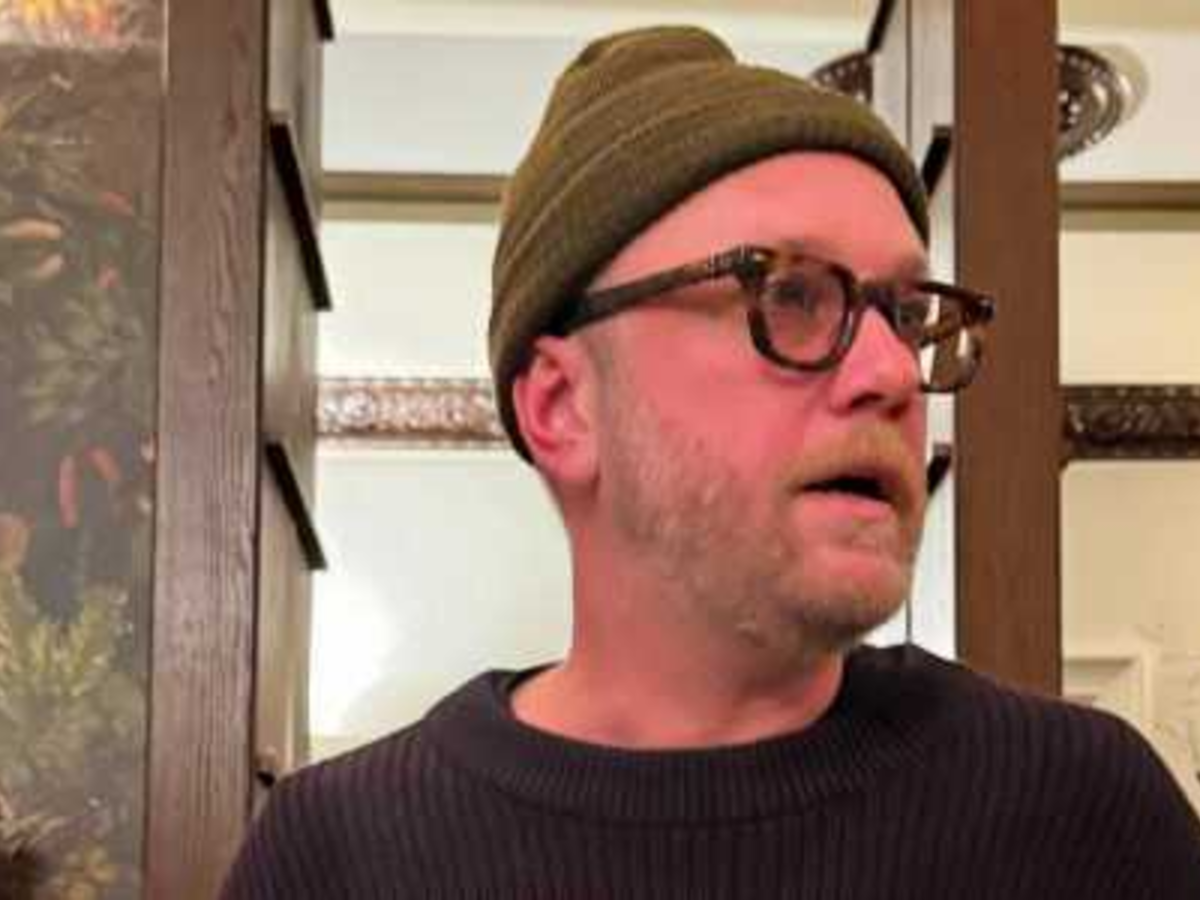
Max Strohe at Tulus Lotrek: Berlin’s boldest Michelin-star comfort feast
13.04.2026 - 09:15:47 | ad-hoc-news.de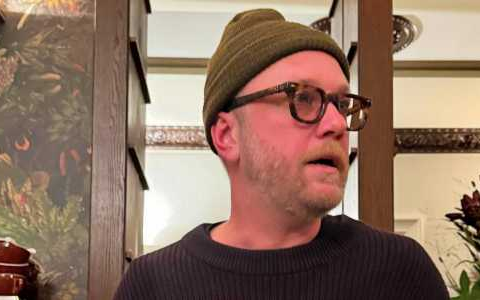
The first thing you hear at Tulus Lotrek Berlin is laughter. Not the brittle, polite kind, but a low, rolling chuckle from the bar, a bark of surprise from the corner table, the soft clink of Burgundy stems kissing above a plate streaked with jus. The light is warm, amber, a little forgiving. Wood creaks under your chair. Somewhere in the back, oil hits a hot pan and you catch that puff of Maillard: roasted fat, browned onion, a hint of smoke that hangs in the air like a promise. A server passes, T-shirt under a blazer, tattoos half-hidden, carrying a plate that smells of browned butter, citrus zest and something faintly feral. You are not in a temple of hush. You are in a living room with a Michelin star.
You sit. The napkin is thick, almost plush. The music is present, but doesn’t shout; maybe a bit of soul, maybe German indie on a loose night. You look around. Couples lean in close. A four-top talks about politics and dessert in the same breath. Nothing feels stiff. No one fusses with tweezers in the dining room. This is Casual Fine Dining with its shoulders relaxed, shirt slightly undone.
At the center of this world: chef Max Strohe and host-sommelier Ilona Scholl. Their story has been told often, but it lands differently when you are actually in the room. He, former school dropout, odd-jobber, kitchen worker. A cook who learned more from long shifts and minor disasters than from polished academies. She, the sharp mind with sharp eyeliner, as quick with a wine pairing as with a punchline, able to turn a full book and one no-show into a good story rather than a bad mood.
Together they opened Tulus Lotrek in Kreuzberg and turned it into one of Berlin’s most idiosyncratic addresses. The Michelin inspectors noticed. A star came. Gault&Millau Berlin nodded with strong points for both kitchen and service. Critics circled. Guests followed. Then came something bigger, and stranger, for a restaurant person: the Federal Cross of Merit for Max Strohe, not for fancy plates, but for his social work, his commitment to refugees and solidarity projects. The backdrop: a dining room that smells of reduced stock, not of power.
You taste that background in how the place runs. There is no rigid choreography. There is craft, and there is care, but it never feels like theater. It feels like people who have decided hospitality should be generous, not submissive. Who believe serious cooking does not need a hush or a pedestal.
Strohe’s food is often called undogmatic. It’s a useful word here. The plates that land on the table are not Nordic manifesto, not French orthodoxy, not identitarian Berlin street food either. They are what happens when someone takes technical skill, wide curiosity, and a slightly anarchic sense of humor, and then cooks what they actually want to eat.
Take a signature-style dish from the current seasons: game, perhaps saddle of venison or wild duck, depending on what the year and the hunter offer. The meat arrives with a deep mahogany crust, the Maillard reaction locked in just before the point of bitterness. When your knife cuts through, there is that faint resistance, then a slow sigh as fibers yield. The aroma hits first: iron-rich, foresty, a whisper of juniper. Around it, Strohe builds contrasts. Maybe a beetroot cooked in a salt crust until its sugars concentrate. Maybe a smear of smoked celery cream that tastes like a campfire remembered from childhood. There is often an element that pricks the palate—citrus, pickled berry, vinegar glaze—to cut through the fat and the jus. Nothing is there for Instagram; everything is there because it earns its place.
The jus itself matters. Dark, tight, reduced until a spoon dragged through leaves a clean trace. You smell roasted bones, caramelized vegetables, red wine cooked down to its essentials. When you drag a piece of meat or a root across it, it coats like silk, not sludge. The salt is measured, the acidity focused. You feel it under your tongue before it slides away.
Then there is the kind of dish that shows the restaurant’s sense of humor and comfort: a plate that nods openly to the burger that Strohe has become famous for mentioning in interviews. The perfect burger is his private obsession; here, though, it transmutes into something else. Imagine a dish built around beef short rib, slow-cooked until the collagen gives up and the meat slumps, then seared hard so the edges crisp. On top, something that recalls a burger sauce in theory, but in execution is an emulsified, wine-sparked, herb-thick dressing. On the side, perhaps a potato preparation that is clearly not fries, but gives you that same hit of crunch, salt, and comfort. The reference to fast food is clear, but the technique is haute. This is not tweezer food. It is not a tiny cube of meat on a slab of stone with a micro-herb posed like a yoga instructor. It is plated with intention, yes, but in normal human portions, with a sense of appetite and fun.
A fish course might pivot in another direction altogether. Char or turbot, skin crisped like lacquer, flesh pearly and just barely set. Below, a velvety sauce that tastes French in its bones—stock, cream, butter, reduction—but then swerves with something unexpected: maybe yuzu zest, maybe fermented chili, maybe black lime. You smell the sea, but also citrus oil releasing as the heat rises from the plate. A vegetable side is not an afterthought; it has its own tension. Crunch and softness. Bitterness and sweetness. A shard of fennel, braised until its anise becomes gentle, then briefly charred. Or cabbage, outer leaves blistered, heart tender, glossed in a glaze that clings.
The menu at Tulus Lotrek shifts with the year. Spring brings green bitterness—wild herbs, young peas, asparagus with proper snap, all of it tied to sauces that actually have backbone. Autumn deepens into mushrooms, roasted roots, long-cooked shoulders. Across seasons, the common thread is this: you can recognize the product. You can also recognize the cook’s hand. There is technique that never turns into mannerism.
Desserts follow the same undogmatic line. You might face a dessert built around a single fruit—say, plum or quince—presented in multiple textures: roasted, gelled, raw, maybe even pickled. Paired with something dairy, heavy on fat, light on sugar. You get tang, not just sweetness; crunch, not just cream. Darker notes, like toasted nuts or cocoa nibs, anchor it. You finish with a mouth that feels awake, not coated.
Beyond the plates, Tulus Lotrek lives strongly in media and online. Max Strohe has become a familiar face on German television, especially through “Kitchen Impossible,” where his mix of gruff charm and precise palate plays well against impossible tasks and chaotic foreign kitchens. You watch him taste sauces on screen, and when you later taste a reduction in Kreuzberg, you sense the same brain working behind it.
If you want to see how that persona unfolds on video, including clips from “Kitchen Impossible” and other shows, you can start here: Search Max Strohe clips on YouTube
But television is only part of the echo. The visual life of the restaurant thrives on smartphones and feeds. The heavy china, the smears of sauce, the outrageous wine labels, the way a candle throws light across a glossy jus—they all end up online. Guests document the courses, the spontaneous jokes from the service team, the writing on the chalkboard. To slip into that stream and see the restaurant through many eyes, scroll here: Discover visual impressions on Instagram
Meanwhile, the debates around Berlin’s best restaurant, about what Casual Fine Dining even means, play out where food nerds and opinionated locals collide. Arguments about Michelin criteria, about whether a place this relaxed can also be “fine dining,” about the impact of awards like Gault&Millau Berlin points or the Federal Cross of Merit on a cook’s freedom—those all simmer online. To follow that churning conversation in real time, slip into this feed: Follow the latest discussions on X
Back in the room, the offline atmosphere does more than any post. Ilona Scholl runs the floor like a host of a slightly wild house party. She remembers your face, your last visit, that you once admitted you are secretly more into white Burgundy than Riesling. The team around her reads the tables carefully. You want to talk about every pairing, about extraction, about volatile acidity? They will go there with you, glass by glass. You are tired, just want something red that tastes like cherries and doesn’t cost a fortune? They will not punish you with condescension. They will pour something delicious and move on.
The sound level matters. There is no forced quiet. No one shushes you for laughing. At the same time, it never tips into chaos. The design helps: wood, fabrics, art, a space that absorbs noise rather than bounces it back. Lighting hits that human sweet spot: flattering for faces, bright enough for plates. You can see your food, but your imperfections are kindly blurred.
Service style follows the same line. Dishes are announced with enough detail to give you anchors: main product, key technique, important accents. Not with ten-minute speeches about the emotional state of a carrot. If you show interest, they open up. If you’d rather stay in your own conversation, they sense that too. It feels like being in someone’s living room who just happens to have a serious kitchen in the back.
This “living room” feeling is not accidental. It is part of what makes Tulus Lotrek Berlin stand out in a city crowded with concept restaurants and rigid tasting menus. The chairs are comfortable, not designer torture devices. The cutlery has a good, honest weight in your hand. The plates are beautiful but never so precious that you hesitate to drag your bread across a sauce. Everything whispers: relax, eat, talk.
For the Berlin food scene, Tulus Lotrek and the duo of Max Strohe and Ilona Scholl have become a reference point. A proof that Michelin Star Berlin Kreuzberg can mean joy rather than anxiety. That a restaurant can be serious about product and craft, deeply rooted in technique, and still crack jokes, pour generously, and send you home smelling faintly of roasted meat and butter instead of sanctity.
Other chefs talk about the place with a mix of respect and relief. Respect, because the cooking is precise, the seasoning sharp, the sauces worked until they hit that narrow band between intensity and excess. Relief, because it shows that you can step away from tweezer food without stepping away from ambition. You can run Casual Fine Dining that feels like a party, not an exam.
When you walk out into Kreuzberg after dinner, the air is colder, rougher. You still taste citrus zest on the back of your tongue, a trace of smoke in your hair. You remember a joke from the service, the slight weight of the wine list in your hand, the moment your fork broke the crust of a perfectly roasted piece of meat. You have eaten well, but more than that: you have felt well. Fed, seen, and allowed to be fully yourself at the table.
Tulus Lotrek is not trying to be every restaurant for every person. It is something more interesting. A place where high-level cooking, a Federal Cross of Merit, Gault&Millau points, and a Michelin star all coexist with loose shoulders and real laughter. If you care about where Berlin dining is heading—toward more personality, more warmth, less dogma—this address is not optional. It is central.
You do not leave thinking about stars and rankings. You leave thinking about that last spoonful of sauce, the way the glass caught the light, the feeling that you could, and should, come back soon. And when you do, the door will open, the room will glow, and somewhere in the back a pan will hiss as another piece of meat hits the heat and the Maillard reaction starts again.
So schätzen die Börsenprofis Aktien ein!

Für. Immer. Kostenlos.