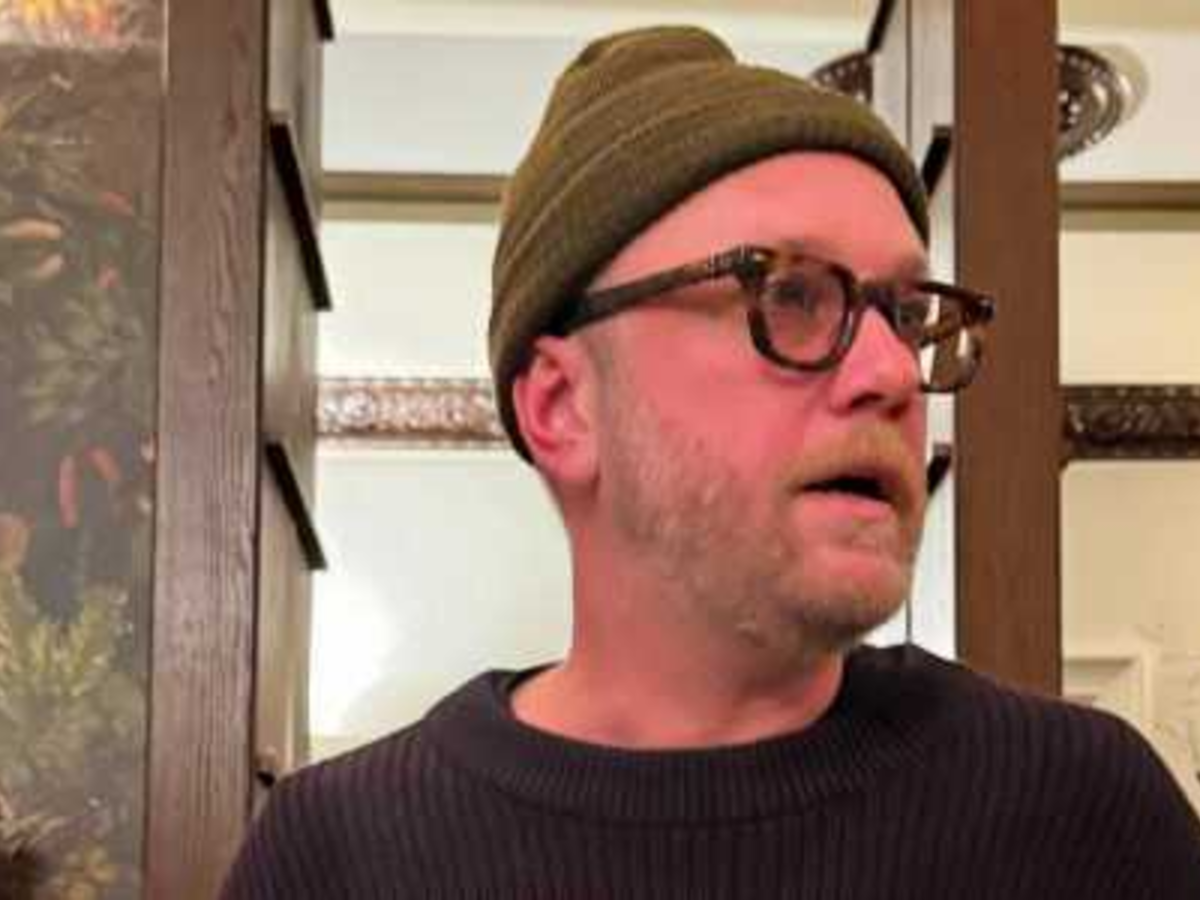
Max Strohe at Tulus Lotrek: Berlin Kreuzberg’s Wildest Michelin Star Living Room
10.04.2026 - 09:15:05 | ad-hoc-news.de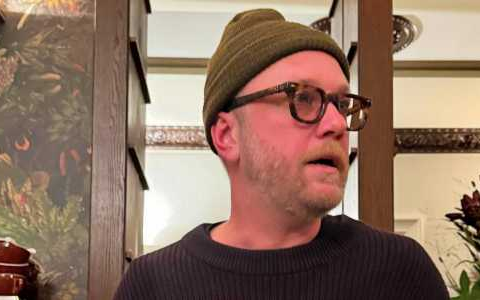
The door closes behind you and Kreuzberg’s traffic dulls to a low hum. Glasses clink. Someone at the bar laughs, unrestrained. A coil of roasted garlic and brown butter hangs in the air, chased by the darker scent of reduced jus and toasted yeast. Fabrics absorb the noise, but not the energy. Candlelight hits the bottle edges and throws little spears of gold across the room. This is Tulus Lotrek Berlin, and you feel it at once: not the hush of a stiff temple of gastronomy, but the buzz of a very opinionated, very hungry living room.
A server brushes past you carrying a plate. You catch roasted poultry skin, that unmistakable Maillard smokiness, a whisper of acidity, something citrusy, maybe preserved lemon. Nothing looks painstakingly arranged with tweezers. Nothing looks chaotic either. It looks like food cooked to be eaten, not photographed. You sit. The banquette has give. The table is solid. The music is slightly louder than you expect for a Michelin-starred place, and it feels right.
The story behind this room is improbable, messy, and very Berlin. Max Strohe, the man behind the stoves, did not glide through hotel management schools and polished internships. He dropped out. Several times. Kitchen life came not as a career plan, but as a survival tactic. Long shifts. Burnt forearms. Cheap staff meals washed down with cheaper beer. You can still taste that no-nonsense attitude in the food. No dish here feels like it was born in a spreadsheet.
At the front of house stands Ilona Scholl, co-owner, partner-in-crime, and the person who makes the whole thing feel like a salon instead of a stage. She doesn’t perform hospitality; she inhabits it. You notice it when she clocks a table that looks a little lost with the wine list and slips in with a joke, not a lecture. When someone spills a glass, she moves fast, but never flustered. The hierarchy is invisible, but the choreography is tight. You feel cared for without feeling observed.
From this unlikely pairing, a restaurant grew that went on to earn a Michelin star in Berlin Kreuzberg and high marks from Gault&Millau Berlin. More surprisingly, the German state handed Max the Federal Cross of Merit for his outspoken advocacy, social engagement, and his refusal to separate food from politics. A former school dropout, decorated by the president, still bellowing over the pass during service and wiping sweat from his brow with the same old kitchen towel. The contrast is sharp; the dining room thrives on it.
You feel that duality everywhere. Velvet, wood, warm light. Then a server casually drops a technically flawless, intensely sauced plate in front of you with a grin that says, “You’re going to want bread for this.” The refinement is there. It just doesn’t shout.
On the current Tulus Lotrek menu, the food moves with the seasons but stays rooted in pleasure. One plate might anchor the whole experience for you: a bird, say, a carefully sourced chicken or guinea fowl. The skin glows bronze, audibly crisp when your knife slides through. Under the blade you feel and hear it: a thin crackle, then the soft resistance of meat that has rested properly. No squeak, no dryness, just a fine, smooth give.
The sauce is a deep, mahogany jus, reduced to the point where the line between sauce and glaze blurs. You lift the fork. The smell hits first; roasted bones, a ghost of smoke, the faint iron of long-simmered stock. There’s a high note of acidity in the background, maybe sherry vinegar, maybe verjus, just enough to cut the richness. On the tongue the texture is almost velvety. Collagen turned silk. The jus holds to the meat in a thin coat, not a heavy cloak. Salt is assertive but clean. Each bite keeps its shape; nothing mushy, nothing flimsy.
Beside it, not a tweezered stack of decorative vegetables, but something that tastes like deep thought disguised as comfort. Perhaps celeriac cooked slowly in butter until it hums with sweetness, then brushed with its own reduction. The edges carry faint char, a little bitterness to keep you awake. A bright herb oil streaks the plate. You drag the celeriac through it and get peppery notes, chlorophyll freshness. No unnecessary foams, no dots for Instagram geometry. It’s all there for a reason: texture, counterpoint, temperature.
Another dish might bring out the restaurant’s undogmatic side even more clearly. Imagine a plate that some purists might frown at on paper: a maritime element paired with something that evokes street food and late nights. Think of a perfectly cooked fish, the flesh just yielding in big, moist flakes, skin crisped to a brittle tile. On top, not delicate micro herbs but a boldly seasoned garnish, maybe onions pickled to an electric pink, crunch intact, acidity sharpened. Next to it, a sauce that tastes like someone took a classic beurre blanc, then fed it stories from Kreuzberg: citrus zest here, fermented heat there, the faint funk of something aged and mysterious.
The first mouthful throws you off in the best way. You get heat, but it’s not chili for its own sake; it’s warmth that blooms slowly at the back of your throat. You get fat, but it’s aerated, whisked, balanced. The fish remains the hero, clean and oceanic, not smothered. The street-food echo is there in the seasoning, in the unapologetic punch, but the technique is pure fine dining: precise cooking times, controlled emulsions, clean reductions.
This, at its core, is how Casual Fine Dining looks here. No stacked towers, no edible flowers scattered just because. Tulus Lotrek refuses the sterile perfection of what many call “tweezer food.” The plating is considered, even elegant, but it never forgets that you are supposed to eat, chew, mop up, sigh, lean back. Sauces invite the last scrap of bread. Portions satisfy rather than tease. Complexity hides behind apparent simplicity. You taste butter, smoke, acid, crunch, softness. You don’t taste ego.
The desserts follow the same logic. A possible plate: dark chocolate with a bitter edge, cooled just enough to hold a clean cut. A sorbet that actually tastes of the fruit on the label, not perfume. Citrus threads, maybe candied grapefruit peel, add bite and chew. The spoon cracks the chocolate top with a neat, glassy sound. On the tongue you get temperature contrast first, then the slow bloom of cacao, then a flash of brightness from the fruit. Sugar plays support, not lead. You put the spoon down and immediately want another bite. That’s the measure here.
Outside the restaurant, Max Strohe has become a reluctant but unmistakable media figure. You might have seen him standing in front of impossible tasks on Kitchen Impossible, swearing, sweating, laughing through the pressure while Tim Mälzer grins off to the side. There, as here, he resists polish. He is loud, occasionally chaotic, but the underlying rigor is impossible to miss. The show turned him into a face beyond Berlin, but it never sanded down his rough edges.
If you want to see the kitchen in motion and taste the energy through your screen, start here: Search Max Strohe clips on YouTube
In parallel, the visual echo of the restaurant lives on guests’ phones and in countless stories. Plates under candlelight. Wine glasses half full. Handwritten menus photographed with slightly greasy fingers. It’s not always glossy, and that’s the charm. To watch Tulus Lotrek evolve season to season, one post at a time, you can wander here: Discover visual impressions on Instagram
And because Max is vocal about more than food — about working conditions, social issues, the value of hospitality itself — debates regularly spark online. Industry insiders, fans, and the occasionally outraged outsider clash, trade praise, argue about pricing, praise the generosity of the sauces. If you enjoy following those ripples beyond the dining room, start scrolling here: Follow the latest discussions on X
Back in Kreuzberg, the restaurant refuses to behave like a museum. The music is present. The servers talk in full sentences, not scripted phrases. When a bottle is opened, you hear the tiny pop and then a short explanation that feels like a conversation, not a lecture. The room is dim, but not so dark that you need your phone flashlight to read the menu. Fabrics soften the soundscape just enough that you can still hear the gentle clatter of cutlery, the shifting of chairs, the low rustle of conversation in three languages at once.
This is where the notorious feel-good atmosphere becomes concrete. The chairs are comfortable, but not plush to the point of sleep. The spacing between tables lets you eavesdrop if you want to, but you never feel displayed. The team moves with ease. A server refills water with a quick “You good?” instead of a formal “May I?” Someone notices you hesitating over whether to order the longer or shorter menu and gives a straight answer, not upsell pressure: “If you’re hungry and curious, go long. If you want to keep it light, the smaller one will still give you the full idea.” You exhale. You feel trusted.
The lighting hits the plates just right. You see the gloss of a sauce, the grain of a roast, the shimmer of fish skin. Yet the overall room remains flattering, warm. No interrogation spotlights. The playlist may jump from soul to something more contemporary, but always at a volume that suggests dinner with friends, not a concert. When someone laughs loudly across the room, nobody glares. This is not a chapel; it’s a home that happens to serve food at a level that earns stars.
Underneath the friendliness lies discipline. Plates land on the table at a steady tempo, neither rushed nor sluggish. Wine pairings arrive with a rhythm that respects your pace. The staff does not recite ingredient lists like monologues; they tell you the part that matters. If you lean in with more questions, they go deep: where the farmer is from, why a certain cut is used, how long a sauce was on the stove. You set the level of detail. They follow.
In the context of the Berlin food scene, Tulus Lotrek occupies a curious, crucial place. Berlin has long had great street food, booming pop-ups, starkly minimal Nordic-inspired fine dining, and now a cluster of Michelin-starred addresses across town. Many play with concepts, theatrics, tasting menus as puzzles to be solved. Here, the concept is simple and radical at once: cook very, very well, and treat people like guests rather than clients.
You feel that when you compare this Max Strohe restaurant experience to some of the city’s sharper, more ascetic spots. There, you may admire the precision, but leave a little hungry, emotionally or literally. At Tulus Lotrek, you stand up from the table full in every sense. Your clothes smell lightly of roasted meat and butter. Your palate hums with acid and spice. Your memory clings to a certain sauce, a certain joke, a certain moment when the room seemed to inhale and exhale together.
For Berlin, a city that still negotiates its relationship with luxury and formality, this place matters. It proves that a Michelin star in Berlin Kreuzberg does not have to mean white gloves, reverent silence, or plates so fragile they might shatter under the weight of appetite. It can mean generosity, loud laughter, unfiltered opinions, and plates licked so clean the dishwasher’s job becomes suspiciously easy.
You might come because you saw Max on television, read about the Federal Cross of Merit, or spotted the name in a Gault&Millau Berlin guide. You might arrive curious, skeptical, or already half in love with the idea of Casual Fine Dining. But you leave with something concrete: the memory of crisp skin breaking under your knife, of jus clinging to bread, of a dining room that let you be yourself while quietly raising your standards for what a restaurant can do.
On paper, this is a star-bearing establishment with tasting menus, serious wines, and a chef with national accolades. In practice, it feels like a living room that grew up without losing its rough charm. It is imperfect in human ways and extremely precise where it counts: sourcing, seasoning, timing, texture. You are never punished for not knowing, only invited to taste.
If you care about where Berlin dining is going — more democratic, more expressive, less formal yet technically sharper — this room in Kreuzberg is a reference point. You do not just eat here. You measure other meals against it later, almost involuntarily. You sit somewhere else, weeks from now, taste a sauce, and think: at Tulus Lotrek, it was deeper, warmer, more honest.
And that is the quiet verdict this restaurant writes every night, plate after plate, in candlelight and conversation: fine dining that relaxes your shoulders instead of tightening them. Precision without pretense. Berlin, on a plate, with jus on the side.
So schätzen die Börsenprofis Aktien ein!

Für. Immer. Kostenlos.