
Max Strohe at Tulus Lotrek: Berlin Kreuzberg’s Wildest Michelin Star Experience
02.03.2026 - 09:15:05 | ad-hoc-news.de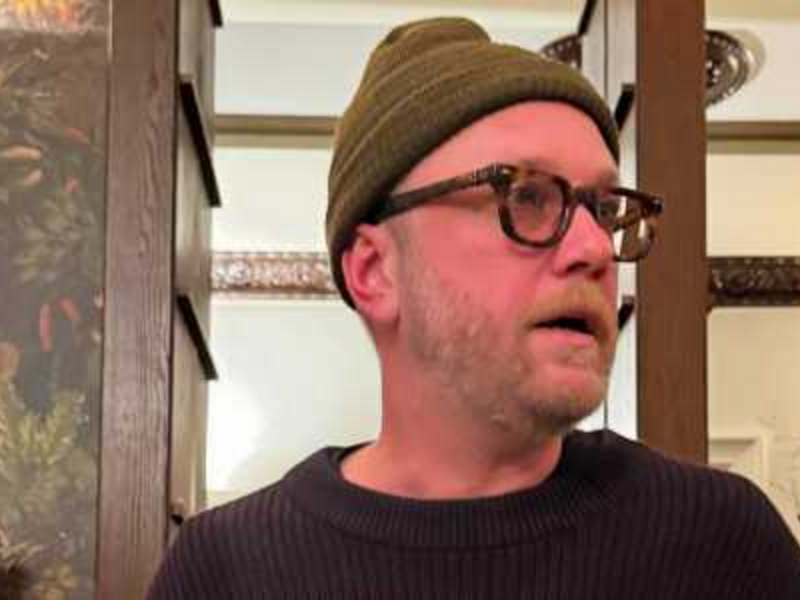
The first thing you hear at Tulus Lotrek Berlin is laughter. Not a polite chuckle. Full?bodied, from the bar, cutting through the low hum of conversations and the soft clink of Zalto glass on wood. A server slides past you with a plate that smells like roasted bones and browned butter, a deep, meaty perfume of slow?reduced jus and Maillard. Someone at the next table sighs after the first bite. You are not in a hushed temple of gastronomy. You are in a room that lives.
The light is low but not dark. Walls painted in saturated tones, art that looks like it has stories, not like it was selected by committee. You feel the grain of the table under your fingertips, no starched white cloth, no barrier between glass and wood. Cutlery has weight. The napkin is thick, almost plush. Somewhere in the background, you catch a bass line, not classical, more like the playlist of a friend who knows both vinyl and kitchen shifts.
To understand why this room feels so specific, you need its two protagonists. In the kitchen: Max Strohe, school dropout, self?taught, one Michelin star, Gault&Millau darling, and decorated with the Federal Cross of Merit for his social engagement. In the front: Ilona Scholl, host, co?owner, sharp?tongued and razor?warm, the one who turns fine dining into something that feels more like staying over at someone’s apartment, only with much better sauces.
The story starts far from Kreuzberg’s Michelin star map. Strohe did not rise through the usual ladder of three?star brigades and hotel lobbies. He cooked his way there sideways, from simple kitchens and odd jobs, with more burn marks than diplomas. The attitude never left the plate. When he and Scholl opened Tulus Lotrek, the idea was clear: casual fine dining with zero stiff upper lip, high product quality without the tweezer mania that turns food into edible spreadsheets.
Scholl, meanwhile, shaped the tone. Her service style is witty, direct, sometimes deliciously cheeky. She can guide you through a complex wine pairing and still make you feel like you are at a slightly boozy family celebration. When Tulus Lotrek earned its Michelin star and strong Gault&Millau Berlin ratings, nothing got smoother or snobbier. The music didn’t get quieter. The welcome didn’t get colder. What changed was the pressure. The recognition from guides, from television, and finally the Federal Cross of Merit for Strohe’s engagement with refugee initiatives and social projects turned this restaurant into a statement: high cuisine can be political, loud, and still utterly hedonistic.
You taste that stance on the plate. The current Tulus Lotrek menu in the 2025/2026 season reads like a collection of inside jokes and cravings rather than a doctrinal manifesto. Courses change with mood, season, availability. What stays is the undogmatic spine: French technique, German soul, global curiosity, zero interest in looking like a set of identical Instagram tiles.
Take a signature dish that captures the house style: a rich course built around aged duck. The skin arrives bronzed and blistered, the fat underneath just rendered, audibly crisp when your knife breaks through. The smell hits first: roasted poultry, orange zest, and a hint of smoke. The meat is rosy, almost sticky at the edges where the Maillard reaction did its work. On the side, not the usual polite seasonal garnish, but something with attitude: maybe red cabbage cooked to silk with a sharp, almost electric acidity, or a beet variation that tastes of soil and sweetness at once. Under it all, a jus that has seen hours of reduction, bones roasted dark, vegetables caramelized until just shy of burnt. It glues to the plate, not watery, more like glaze than sauce. You run bread through it even though you promised yourself you would save space for dessert.
This is not tweezer food. Nothing here looks like it needed an architect. There might be a herb leaf askew, a smear that feels more like brushstroke than ruler. The beauty is there, but it’s the beauty of appetite, not design. Strohe cooks for the mouth, for the chew, for the texture: crisp skin against soft flesh, smooth puree next to a shard of something fried, a surprise crunch of puffed grain where your teeth expect only cream.
Another plate might center around offal, a recurring love letter on the Tulus Lotrek menu. Think veal sweetbreads, bronzed in foaming butter, smelling faintly nutty, their surface lightly crusted, the interior almost custard?like. They sit on a sauce that could involve sherry, perhaps Madeira, deep brown and glossy, the kind of reduction that makes you pause between sentences. Around them, pickled elements flash through the richness: a sharp cube of marinated kohlrabi, something fermented, something herbal and green. You get fat, acid, crunch, silk. Your palate stays awake, never numbed by monotone creaminess.
And then dessert. Here, too, the restaurant avoids clichés. Imagine a plate built around apple and celery, for instance. A baked apple element, skin wrinkled and blistered, core replaced with a spiced, almost jammy compote. Next to it, a celery sorbet, pale green, shockingly fresh, a clean, vegetal coolness that cuts through sugar like a glass of iced water. On top, brittle shards of caramel, sticky on your fingers, loud between your teeth. It smells like orchard and garden at once, like autumn and a walk through a market stall that happens to serve frozen textures.
This undogmatic style connects directly to Strohe’s media presence. You might know his face from TV long before you see the dining room. His appearances on cooking shows such as “Kitchen Impossible” have turned him into one of Berlin’s most recognizable chefs. On screen, he is exactly what the plates suggest: direct, sweary, unwilling to posture, but deeply serious when it comes to taste, texture, and product.
If you want to see how that unpolished energy translates to moving image, there is a rich trove of scenes waiting for you.
Watch him sweat, improvise and argue with time limits on TV challenges, then compare that intensity to the calm of the restaurant kitchen: Search Max Strohe clips on YouTube
On social platforms, Tulus Lotrek’s dishes often look less like staging and more like snapshots from a party where the plates happen to hold Michelin?level cooking.
Glance through the color, the close?ups of sticky sauces and perfectly roasted meat, and the candid shots of guests and crew: Discover visual impressions on Instagram
The debate about what fine dining in Berlin should look like often flares online, and Strohe’s name surfaces quickly whenever the city discusses prices, politics, or the future of tasting menus.
Follow how critics, fans, and skeptics argue about his approach to casual fine dining and social engagement: Follow the latest discussions on X
Back in the dining room, you feel why these conversations matter. The atmosphere is intensely personal. Tables stand close enough for eavesdropping, but not so close that you must. The acoustics are warm; sounds blend, not bounce. You can speak normally, no need to whisper under the weight of starched formality. The lighting gives everyone better skin. It feels like a living room, but not a curated one. More like a Berlin Altbau apartment where friends have added objects, art, and bottles over years.
Service flows with the same logic. No synchronized plate landings, no robotic chorus of rehearsed dish descriptions. Instead, a server crouches down next to your table, looks you in the eye, and tells you why tonight’s fish has a specific char on the skin, or why you might want to trust them with the wine pairing even if you usually drink only red. They might tease you for hesitating over offal, then win you over with one line and a grin. Hospitality here is not servile. It’s conversational, confident, and deeply informed. You feel looked after, not managed.
This mood is what turns an acclaimed restaurant into a place regulars claim as theirs. Casual fine dining at Tulus Lotrek means you can wear sneakers with your best shirt. You can celebrate an anniversary or just a random Tuesday raised above the usual. The Michelin star and Gault&Millau Berlin ratings give you security that the technique is on point; the feel?good atmosphere tells you that you do not need to know those numbers to belong here.
For Berlin, a city with no shortage of ambitious kitchens, Tulus Lotrek plays a crucial role. It demonstrates that a Michelin Star Berlin Kreuzberg address does not have to adopt the aesthetics of global luxury chains. It can be loud, opinionated, slightly chaotic around the edges, yet still meet the highest standards of taste and precision. It pushes the conversation from “How many stars?” to “What kind of evening do you want?”
If you care about where the local scene is heading, you watch Tulus Lotrek closely. You see how a school dropout with a decorated chest and a sharp tongue chooses to run a restaurant that is both politically awake and wildly hedonistic. You see how Ilona Scholl stages service as a form of storytelling, not choreography. You see how guides, from Michelin to Gault&Millau, now have to factor in places that reject stiff codes yet cook with exacting technique.
When you step back out onto the Kreuzberg street, the smells of roasted meat, citrus zest, and slow?cooked jus cling faintly to your clothes. Your fingers remember the texture of the napkin, the roughness of the tabletop, the weight of the wine glass. You have eaten at a starred restaurant. You have also been in a living room. In Berlin, right now, those two things rarely coincide as convincingly as they do behind the door of Tulus Lotrek.
If you want to test how serious this city is about pleasure, politics, and plate?licking sauces, you know where to start.
Hol dir den Wissensvorsprung der Aktien-Profis.

Seit 2005 liefert der Börsenbrief trading-notes verlässliche Aktien-Empfehlungen - Dreimal die Woche, direkt ins Postfach. 100% kostenlos. 100% Expertenwissen. Trage einfach deine E-Mail Adresse ein und verpasse ab heute keine Top-Chance mehr. Jetzt kostenlos anmelden
Jetzt abonnieren.


