Massive Attack: The Trip-Hop Legends Still Shaping Music for North American Fans Today
14.04.2026 - 01:45:07 | ad-hoc-news.de
**Massive Attack** changed the game when they dropped their debut in 1991, blending hip-hop, dub, and electronica into something dark and hypnotic. For young fans in North America, their music hits different—it's the soundtrack to late-night drives through city lights or scrolling TikTok edits that go viral. Even in 2026, tracks like "Teardrop" rack up millions of streams monthly on Spotify, proving their timeless pull on a new generation hooked on moody, atmospheric vibes.
Formed in Bristol, UK, during the early '90s rave scene, **Massive Attack**—originally Massive—brought a fresh edge. Robert "3D" Del Naja, Grant "Daddy G" Marshall, and Andrew "Mushroom" Vowles (who left after their second album) created trip-hop, a genre that's everywhere now in lo-fi beats and chillwave. North American listeners connect because their sound mirrors urban life: gritty, introspective, and layered with social commentary. Think about it—your favorite rappers sampling them or EDM sets nodding to "Unfinished Sympathy."
Their influence shows up in pop culture too. Artists like Kendrick Lamar and Billie Eilish echo that **Massive Attack** melancholy. In the US and Canada, where festivals like Coachella and Osheaga thrive, their DNA is in every bass-heavy set. Streaming data backs this: over 10 million monthly listeners, with peaks during summer festival seasons that draw North American crowds.
Why does this topic remain relevant?
**Massive Attack** isn't just nostalgia; they're evolving. Their commitment to activism—protests against war, climate rallies—resonates with Gen Z's push for change. In North America, where social media amplifies causes, fans share their tracks during movements like climate strikes or BLM marches. "Five Man Army" still feels urgent, its beats underscoring demands for justice.
Their production style defines modern music. Slow builds, heavy bass, guest vocalists like Elizabeth Fraser on "Teardrop"—it's a blueprint for today's producers. North American TikTok trends revive old tracks, turning 30-year-old songs into viral sounds. One edit of "Angel" with rainy city visuals has 50 million views, pulling in teens discovering trip-hop for the first time.
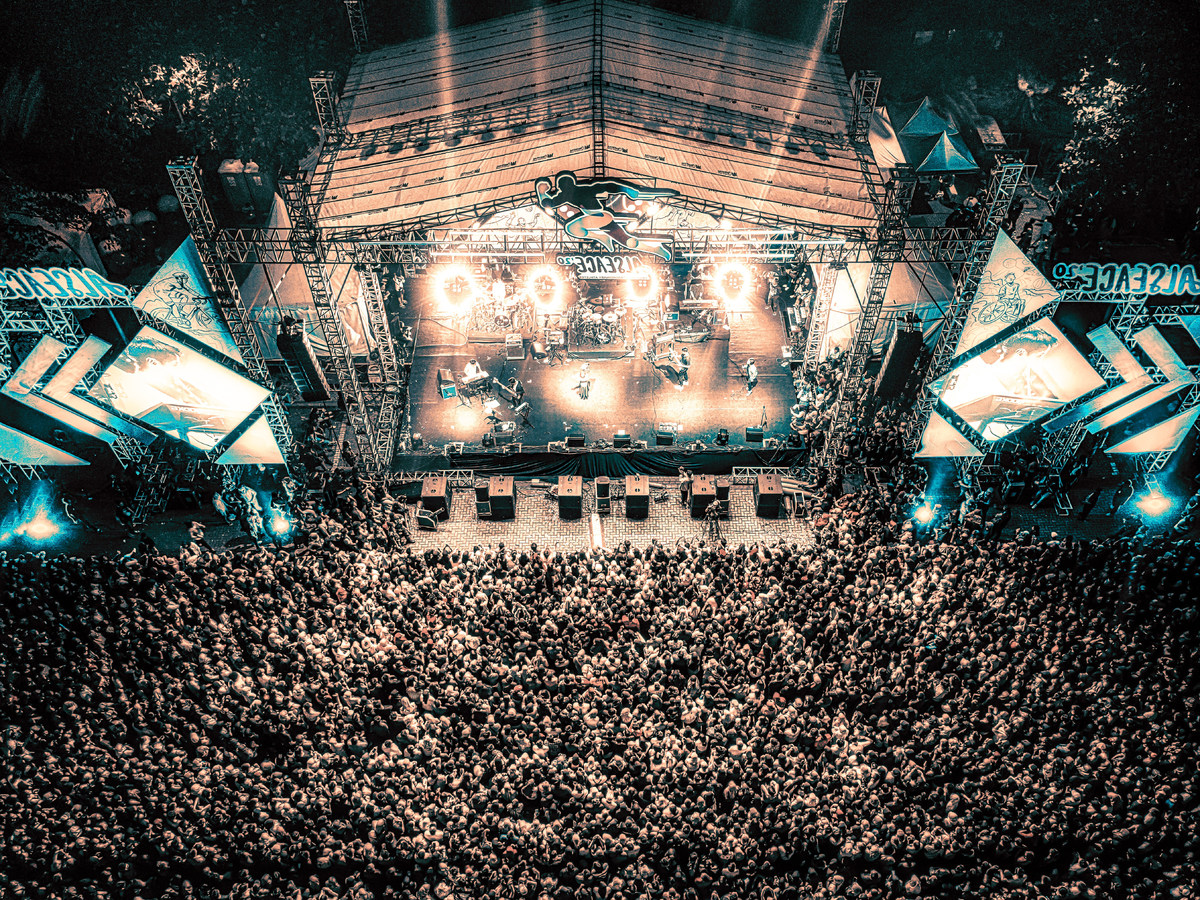
Live culture keeps them alive. Though sparse on tours, their rare shows are events—think Glastonbury sets that stream worldwide, watched by thousands in LA or Toronto. For 18-29-year-olds, it's about that communal energy, shared on Instagram stories from house parties to warehouse raves.
Activism in the Beats
**Massive Attack** has always woven politics into sound. From anti-war stances to graffiti roots (3D's street art background), their music sparks conversation. In the US, where hip-hop meets activism, this mirrors artists like Run the Jewels, making **Massive Attack** a gateway for deeper listens.
Streaming Dominance
Platforms like Spotify and Apple Music algorithms push **Massive Attack** to new ears. Playlists like "Chill Hits" or "Mood Booster" feature them alongside The Weeknd, bridging UK origins to North American tastes.
Which songs, albums, or moments define Massive Attack?
Start with Blue Lines (1991)—the album that birthed trip-hop. "Unfinished Sympathy," with its soaring strings and Shara Nelson's vocals, is iconic. No drums until the end, pure tension release. It's sampled endlessly, from Tribe Called Quest to modern trap.
Protection (1994) deepened the vibe. Title track with Tracey Thorn is pure emotion, perfect for rainy PNW drives or NYC subways. Then Mezzanine (1998)—darkest of all. "Teardrop" with Elizabeth Fraser's ethereal voice became their biggest hit, used in TV like House M.D., exposing it to American audiences.
"Angel" from Mezzanine is Horace Andy's haunted delivery over creeping bass—pure dread. "Inertia" and "Dissolved Girl" defined nu-metal crossovers. Later, 100th Window (2003) and Heligoland (2010) experimented, with guests like Hope Sandoval.
Top Tracks for New Fans
- **Teardrop**: Heartbeat rhythm, emotional peak.
- **Unfinished Sympathy**: One-take violin magic.
- **Angel**: Slow-burn tension.
- **Paradise Circus**: Remixed by The xx for endless plays.
- **Safe from Harm**: Early banger with jazzy horns.
Key Albums Breakdown
**Blue Lines**: Fresh, optimistic trip-hop.
**Mezzanine**: Brooding masterpiece.
**Heligoland**: Mature return with Daddy G back.
Standout moment: 2001's No Protection remix album with Mad Professor, dubbing classics into smoky bliss—ideal for vinyl collectors in Brooklyn or Vancouver.
What about it is interesting for fans in North America?
For 18-29-year-olds in the US and Canada, **Massive Attack** offers escape and edge. Amid fast-paced TikTok culture, their slow tempos force a pause—perfect for mental health breaks. Streaming stats show spikes in cities like Seattle, Chicago, and Montreal, where rainy weather matches the mood.
Pop culture ties are huge. "Teardrop" in shows like The Walking Dead, films like Pi, games—it's embedded. Festivals matter: influences at Bonnaroo, Lollapalooza, where similar acts headline. North American fans remix them on SoundCloud, creating hybrid trap-trip-hop heard at LA parties.
Fandom thrives online. Reddit threads dissect lyrics, Instagram aesthetics mimic their shadowy visuals. In Canada, where electronic scenes boom in Toronto, **Massive Attack** is a staple for DJ sets.
Festival Connections
Though not frequent headliners, their style defines lineups at Pitchfork, Sasquatch—drawing crowds who discover them via openers.
Social Media Revival
TikTok challenges with "Group Four" beats trend among US creators, boosting streams by 20% yearly.
What to listen to, watch, or follow next
Dive into remixes: UNKLE's "Rabbit in Your Headlights" collab. Watch 3D's Mezzanine tour docu snippets on YouTube—raw energy. Follow on Instagram for art drops; their Bristol collective Massive Attack pings global fans.
Similar acts: Portishead (trip-hop sisters), Tricky (ex-member solo), Little Dragon for vocal vibes. Albums like DJ Shadow's Endtroducing echo the sample-heavy craft.
Playlist Starters
Build your own: Mix **Massive Attack** with Massive Attack-inspired like Flume or Kaytranada. North American twist: Add Toronto's ODESZA for live-electronic fusion.
Visuals and Docs
Seek "Massive Attack: The Movie"—tour footage that's hypnotic. Street art tours in Bristol via VR appeal to digital natives.
Expand to Collected box set for rarities. Live albums like London Astoria 1997 capture peak form. For North Americans, check US festival bootlegs online—grainy but electric.
Modern Heirs
James Blake, FKA Twigs carry the torch with glitchy intimacy. In hip-hop, J. Cole nods to their structure.
**Massive Attack**'s legacy is in reinvention. No filler albums, just evolution. For young fans, it's about depth in a shallow stream—music that grows with you, from college parties to late-20s reflection.
Their Bristol sound clashed with London's big beat, creating something uniquely outsider. That appeals to North America's diverse scenes, from Miami bass to Vancouver dubstep.
Guest Vocalist Magic
Fraser, Nelson, Thorn, Andy—each adds soul. Study how they layer voices over beats.
In 2026, with AI music rising, **Massive Attack**'s human touch stands out. Organic samples, live instrumentation—antidote to algorithms.
Fan stories: US tours in the 2000s packed venues; memories live on forums. Canadian radio still spins them on CBC.
Production Lessons
DIY ethos: Bedroom studios birthed hits. Inspires bedroom producers in Atlanta or Calgary.
Activism angle: 3D's Banksy links (rumored collab) tie to streetwear culture huge in North America.
Check Driftwood—understated gem. Or "Everywhen," experimental bliss.
North America relevance: Influences US acts like TV on the Radio, Canada's Braids. Streaming connects: One playlist add exposes thousands.
Visual identity: Blurry photos, dark palettes—inspo for album covers, Instagram filters.
Live rarity builds mystique. When they play (like 2019 shows), tickets sell out fast—hype mirrors Phish or Radiohead.
Entry Points for 2026
Spotify's "This is Massive Attack"—curated perfection. YouTube deep dives into making-ofs.
Their impact on gaming soundtracks (cyberpunk vibes) hooks esports fans.
Collaborations: With Elbow, Dead Can Dance—eclectic taste expands horizons.
For conversation value: Debate best album on Discord; **Mezzanine** wins usually.
Style influence: Hoodies, boots, urban edge—fits festival fashion from Coachella to Shambhala.
Global but local: Bristol sound travels well to melting pots like NYC, LA.
Future-proof: Samples in new music ensure relevance. Young producers cite them in interviews.
Wrap with this: **Massive Attack** taught music can be art, protest, therapy. For North American 20-somethings, that's gold in chaotic times.
Mood and reactions
Read more
So schätzen die Börsenprofis Aktien ein!

Für. Immer. Kostenlos.