Massive Attack: Are They Finally Coming Back Live?
12.03.2026 - 12:50:38 | ad-hoc-news.de
If you’ve scrolled TikTok or music Twitter lately, you’ve probably seen the same three words over and over again: Massive Attack when? For a band that moves slowly and says even less, the current buzz around Massive Attack live dates is getting loud. Fans are dissecting every updated tour page, every cryptic Instagram Story, every hint that the Bristol legends might finally be ready to step back onstage in a real way.
Check the official Massive Attack live page for the latest updates
That tension is part of the thrill. Massive Attack don’t work on anyone else’s schedule. When they surface, it feels like the world slows down for a second. Whether you first heard them through "Teardrop" on late-night TV, "Angel" rattling a cinema sound system, or "Safe From Harm" on a dusty CD, the idea of seeing those songs in a dark room again hits a nerve. So what is actually happening right now, and what should you expect if you’re trying to catch them live in the US, UK, or Europe?
The Backstory: Breaking News in Detail
Massive Attack’s live presence has always come in carefully controlled bursts. They are not a band that hops on every festival bill or tours every album cycle into the ground. Instead, they disappear, then reappear with something that usually carries a heavy concept: anti-war visuals, climate warnings, aggressive political messaging, collaborations with visual artists, and a setlist that bends their catalog into something oddly current.
In recent months, fan forums and music outlets have zeroed in on one thing: subtle movement around the live section of the band’s official site and quiet chatter from European venues that suggest new dates are either being held or discussed. Promoters in the UK and mainland Europe have reportedly hinted off-record that Massive Attack are "in talks" for selective late-2025 and 2026 appearances, especially in cities where they’ve built a deep following over the years: London, Bristol, Berlin, Paris, Barcelona, New York and Los Angeles are the names that keep circulating in fan threads.
Nothing has dropped as a glossy, full-blown tour announcement yet, but that’s classically how they work. When Massive Attack toured in the past decade, they leaned toward curated runs: limited dates, hand-picked festivals, and concept shows where the set and visuals were crafted as one piece. Recent music press commentary has repeated an important point: whenever Massive Attack commit to a run of shows, they tend to use it as a vehicle to say something bigger about the world, not just to replay the old hits.
That matters because the last few years have been heavy for both the band and the world. Climate crisis, war, digital surveillance, and political extremism are all themes they’ve touched repeatedly in their visuals and statements. Journalists who’ve spoken to the group in past interviews noted that they were disillusioned with the traditional tour machine but still believed in live music as a space to confront hard realities. In other words, if they’re gearing up again, there’s nearly always a reason that goes beyond nostalgia.
On the fan side, ticket demand is pent-up. Massive Attack fans have sat through postponements, health-related cancellations, and long silences. Many people who discovered them through streaming during the pandemic years have never had the chance to see them at all. That creates a perfect storm: the next time dates are announced in major markets, expect instant sell-outs, heavy resale prices, and a wave of travel-planning posts from fans who are ready to cross borders to finally stand under that sub-bass.
For US and UK listeners, the focus now is on monitoring venue leaks, festival lineups, and that official live page. When a band this influential moves, the ripples travel fast: local press, booking agents, and global festivals all try to line up their shot. If you’re serious about going, this early rumor phase is when you start deciding which city you’d realistically travel to, how much you’re willing to spend, and how quickly you can pull the trigger the moment tickets land.
The Setlist & Show: What to Expect
Speculation about live shows always leads to the same obsession: what will they actually play? Massive Attack’s recent tours showed a band that isn’t interested in pure greatest-hits nostalgia, but they’re also not hostile to fan favorites. Instead, they tend to build a setlist that leans into mood and message rather than strict chronology.
Looking at their past run patterns, a typical night has revolved around pillars from Blue Lines, Protection, and Mezzanine, then folded in newer or reworked material as a kind of commentary on those older tracks. Songs like "Angel," "Teardrop," "Inertia Creeps," "Risingson," "Karmacoma," "Unfinished Sympathy," and "Safe From Harm" are the names that show up again and again in archived setlists and fan reviews. They’re the core moments where the room turns into one slow-moving organism: half dancefloor, half prayer meeting.
The interesting part is how those tracks are presented. Massive Attack are famous for manipulating tempo and texture live. "Angel" can stretch into a long, suffocating build, all subs and smeared guitar noise before the drums finally kick through. "Teardrop" often arrives stripped of its original gloss, with more emphasis on the beat and the vocal as a live, human performance rather than a pristine studio artifact. "Inertia Creeps" grows teeth onstage; the Middle Eastern-tinged groove feels harder, more percussive, and the visuals often tie it directly to footage of conflict or surveillance.
The atmosphere of a Massive Attack show is its own thing. You don’t go just for sing-alongs (though there are definitely communal yell moments on "Karmacoma" or the outro of "Unfinished Sympathy"). You go for immersion. The stage is usually kept minimal in terms of props but maxed out on enormous LED walls or projected visuals. Previous tours blasted real-time statistics about war, refugees, climate data, and tech companies across the backdrop while the band played. Flags, slogans, glitchy typography, news footage and stark color fields wash over the crowd. The idea is that you’re not just hearing these songs, you’re seeing the world they come from in overwhelming detail.
Vocally, the shows lean on a rotating cast of collaborators and touring singers. Historically, voices associated with tracks like "Teardrop" and "Safe From Harm" have appeared either in person or through guest vocalists who can hold that same emotional line. Robert Del Naja (3D) tends to anchor the visual and conceptual side, often staying in partial shadow while delivering vocals and electronics. Grants Marshall (Daddy G), when present, brings warmth and that low, rumbling tone that gives older tracks their rootsy, dub-heavy grounding.
Don’t be surprised if the set dips into deeper cuts: "Group Four," "Black Milk," "Dissolved Girl," or more recent collaborations that never quite got mainstream radio play but are beloved among hardcore fans. Massive Attack know that their audience doesn’t just live in the singles; they live in the album sequences, the hidden corners, the tracks that feel like they should have been in every movie but weren’t.
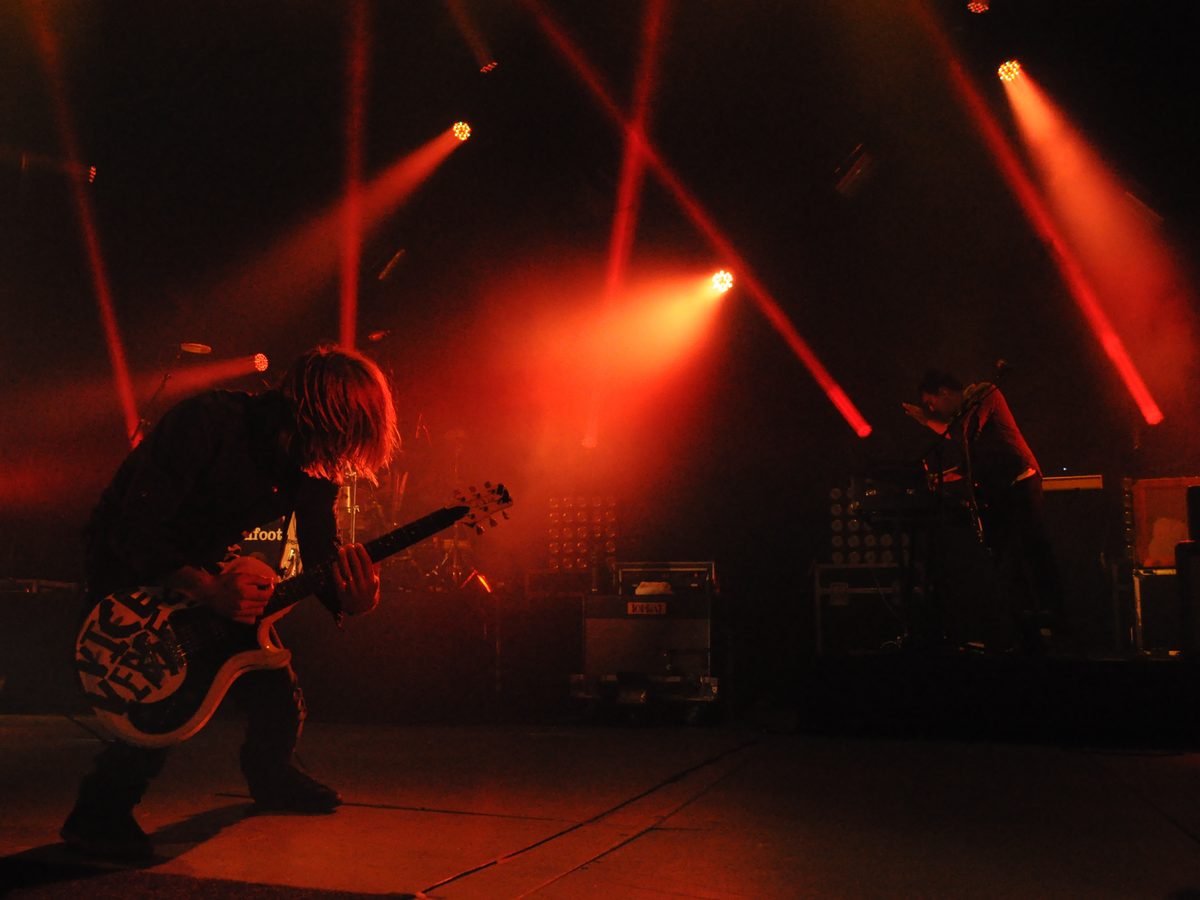
Lighting is another core part of the experience. Instead of standard festival color washes, you’re more likely to get stark, high-contrast looks: brutal whites that silhouette the band, burning reds for heavier mid-tempo numbers, and sudden drops to near-darkness that make the subs feel even deeper. Fans who’ve stood close to the PA describe the physical sensation of bass as a type of weight on the chest. If you care about sound, you plan your spot carefully: close enough for impact, far enough to hear the details in those slowly mutating loops.
Realistically, if and when new shows roll out, expect a setlist that honors Mezzanine as their live juggernaut, gives a respectful nod to Blue Lines and Protection, and then weaves in newer work or even unreleased sketches as teasers for potential upcoming releases. Massive Attack have a history of road-testing riffs, arrangements, and transitions in a live environment before locking anything to record. So if you’re there, you’re not just catching a museum piece; you might be witnessing hints of their next studio chapter.
What the web is saying:
Rumor Mill: What Fans Are Speculating
Massive Attack fans might be some of the most patient people on the internet, but they’re also some of the most relentless detectives. Reddit threads and Discord servers have been obsessively tracking every hint of movement around the band for months. TikTok, meanwhile, has become a low-key archive of fan theories layered over grainy live clips and moody edits.
One of the loudest theories right now is the "select cities only" concept. Instead of a long, exhaustive tour, fans are speculating that Massive Attack will target a handful of global hubs and let people come to them. Think: two or three nights in London, one in Bristol for the hometown faithful, headline slots at a couple of carefully chosen European festivals, and then a small cluster of US dates in New York, LA, possibly Chicago or San Francisco. The argument fans make is simple: the band gets maximum impact with minimal travel, and the shows feel like events, not just tour stops.
Another recurring rumor is about setlist direction. A big chunk of the fanbase is betting that future shows will lean even harder into Mezzanine-era material, not just because of nostalgia, but because its paranoid, cinematic sound fits the global mood. On Reddit, you’ll see people drafting their dream openers: some want a slow burn beginning with "Exchange" sliding into "Angel"; others are fantasizing about a brutal, straight-out-the-gate "Risingson" followed by "Inertia Creeps". There’s also ongoing debate over whether they’ll resurrect rarer songs or remixes that haven’t been heard live in years.
Then there are the collaborations. Massive Attack’s history is packed with iconic voices: Elizabeth Fraser, Horace Andy, Shara Nelson, Tracey Thorn, and more. Fans are speculating wildly about which guests could realistically appear on a new run of dates. TikTok edits mash up old interview clips with live footage to guess whether a particular singer has recently been in the same city as the band. It’s half detective work, half manifesting.
Ticket prices, unsurprisingly, are another hot topic. Across Reddit and X, you’ll find fierce threads where fans try to predict the damage. Some argue that given the cost of staging a show with Massive Attack’s production values and their long absence, tickets are bound to sit in the upper mid-tier range for arenas and premium for boutique venues. Others push back, pointing out that the band has historically aligned themselves with anti-corporate and activist causes, which might nudge them to keep at least a portion of tickets at accessible price points or partner with organizations in a way that offsets some costs.
There’s also a deeper layer of speculation: will any forthcoming shows be tied to new music, or will they stand alone as a political and retrospective statement? On music forums, some users are convinced that you don’t turn the Massive Attack machine back on without a larger plan. Others think they may embrace the idea of the live show as its own medium, separate from the traditional album-tour cycle, especially in a world where streaming has already shattered that model.
One recurring vibe across social media: people are emotionally primed for these shows to be heavy. Fans talk about wanting to "feel something real" in a room again, to be hit by a wall of sound that’s not compressed through earbuds. The band’s history of mixing personal, intimate lyrics with big, geopolitical visuals feels like a match for the mood of 2026. The rumor mill isn’t just about dates; it’s about expectations that these concerts could become a place to process everything that’s built up over the past few years.
Key Dates & Facts at a Glance
If you’re trying to stay organized instead of just doom-scrolling, here are the essentials you should keep in your notes app. While many specific future dates are still under wraps or in the rumor stage, the pattern of Massive Attack’s world is pretty clear.
- Official live updates hub: The band directs fans to their live section at massiveattack.co.uk/live for confirmed shows, cancellations, and statements.
- Core territories: Historically, Massive Attack prioritize the UK (especially London and Bristol), major European capitals (Berlin, Paris, Barcelona, Amsterdam), and a few key North American cities (New York, Los Angeles, sometimes Chicago, San Francisco, or Toronto).
- Typical announcement windows: Past tours were often announced several months before the first date, with festival appearances sometimes revealed earlier via festival lineups.
- Classic album milestones:
- Blue Lines – Often cited as one of the defining albums of the early ’90s and a key origin point for what became known as trip hop.
- Protection – Mid-’90s record that deepened their soulful and atmospheric side.
- Mezzanine – Late-’90s album that pushed them into darker, heavier, more industrial territory, becoming their most famous release globally.
- Streaming presence: Tracks like "Teardrop," "Angel" and "Unfinished Sympathy" pull in hundreds of millions of streams across major platforms, keeping the band culturally visible even when they’re not touring.
- Typical show length: Their headline sets usually run around 90 minutes to two hours, depending on the festival or venue curfew.
- Production scale: Even when they play indoor theaters or arenas, expect extensive LED or projection setups, custom visuals, and a strong emphasis on sound design.
- Resale volatility: Because tours are rare and dates limited, secondary market prices can spike quickly, especially in London and New York.
- Fan strategy: People who have managed to see Massive Attack multiple times often recommend signing up to venue newsletters, following local promoters, and keeping push notifications on for the band’s main channels.
FAQ: Everything You Need to Know About Massive Attack
Who are Massive Attack and why do they matter so much?
Massive Attack are a collective from Bristol, UK, who emerged in the late ’80s out of the city’s sound system and graffiti culture. Instead of forming a traditional rock band, they approached music like producers and curators, blending hip-hop beats, dub basslines, soul vocals, and cinematic textures. Their early work on Blue Lines helped define a style that journalists later labelled "trip hop"—slow, heavy, emotionally charged tracks built for late nights and big speakers.
They matter because they changed how electronic and alternative music could feel. Their songs weren’t just club tracks or indie tunes; they sat in a strange intersection of both. Over the years, their sound influenced film soundtracks, advertising, video games, and entire generations of producers and bands who picked up their sense of mood, space, and sub-bass. For many listeners, Massive Attack was a gateway into darker, more atmospheric music that didn’t fit neat genre categories.
What kind of music should I expect if I’m new to them?
If you’re just discovering Massive Attack in 2026, expect something slow, heavy, and layered. They live in the mid-tempo zone: not raging club bangers, but not sleepy ambient either. A typical track might ride a thick, dubby bassline, minimal drums, and haunting vocal lines that sound like they’ve been recorded at 3 a.m. in a smoky room. Guitars show up, but usually as textures rather than big riffs. Strings and samples swirl in and out.
Emotionally, the music sits between melancholy, paranoia, and consolation. "Teardrop" is fragile and intimate. "Angel" feels like walking alone through a city at night with something on your mind. "Unfinished Sympathy" sounds like a heartbreak epic turned into a widescreen film. If you’re into artists like Portishead, Radiohead’s more electronic work, James Blake, FKA twigs, or any number of modern producers who like deep low end and moody vocals, there’s a good chance Massive Attack will hit you hard.
Where do they usually play when they tour?
Massive Attack don’t blanket the globe. When they tour, they tend to orbit around a few key zones. In the UK, London is almost guaranteed, with Bristol often appearing as a special hometown show. In Europe, Berlin, Paris, Barcelona, and Amsterdam are frequent stops, and they’re regular contenders for curated festival slots in places like Spain, Germany, and Scandinavia.
North American dates are typically fewer. New York and Los Angeles are the safest bets, and when they do step onto US soil, those shows can feel like once-in-a-decade events for fans outside major coastal cities. Because their runs are sparse, people travel: it’s common to see fans online planning cross-country or cross-border trips the moment a cluster of dates is announced.
When should I expect new live dates to be announced?
With a band this secretive, the honest answer is: when they’re ready. Historically, live announcements have dropped a few months ahead of a tour leg. Festivals sometimes give away their involvement earlier by placing Massive Attack high on the lineup posters. The safest move is to keep an eye on their official live page and sign up for email alerts from big venues you’d be willing to travel to.
That said, there’s a pattern: they don’t tease for fun. If subtle changes start appearing on their website, or if a run of interviews suddenly covers their feelings about performing again, it often means something is in motion behind the scenes. Music journalists and fans alike have learned to read these signs—the quiet tightening of the orbit before the official announcement drops.
Why do Massive Attack tours feel different from other bands?
Part of it is rarity: scarcity makes anything feel more valuable. Massive Attack do not grind through endless tours. When they appear, it feels intentional. But beyond that, it’s how they treat the live show itself. For them, a concert is not just a performance of songs; it’s a staged environment that includes visuals, political messaging, sound design, and a carefully shaped emotional arc.
Instead of between-song banter and loose jams, you get a production that feels scripted but not stiff. Visuals and setlist often work together: songs about surveillance are accompanied by data and corporate logos; tracks about war and displacement might play over footage or statistics that make those themes uncomfortably concrete. Some people walk out feeling shaken; others feel energised and seen. Either way, it rarely feels like just another night out.
How can I prepare if I want to see them live for the first time?
On a practical level, preparation means being ready to move fast. Make a list of cities you’d realistically travel to. Follow local venues and promoters, not just the band. When tickets go on sale, presale codes, venue memberships, and fan-club sign-ups can make the difference between getting in at face value and getting wrecked by resale prices.
On a musical level, dive into at least three records: Blue Lines, Protection, and Mezzanine. Learn how those albums feel from start to finish, not just the singles. Check out live clips on YouTube to get a sense of how the band transforms them onstage. If you’re sensitive to loud sound, think about bringing earplugs—Massive Attack are known for big low end, and protecting your hearing will let you appreciate the details instead of just bracing for impact.
What if they don’t tour my country at all?
This is the hard part of being a Massive Attack fan. Because they don’t tour heavily, many countries simply don’t get dates. If that happens, you have a choice that fans have been negotiating for years: either accept that your relationship with the band will stay on record and screen, or save up and travel for a show when and where it finally makes sense.
For some people, that trip becomes a major life memory: flying to a different country, meeting up with online friends, standing in a room you’ve never been in before while a band you’ve lived with for years finally appears in front of you. The music of Massive Attack has always been about crossing borders sonically; for plenty of fans, seeing them live has meant crossing borders literally too.
So schätzen die Börsenprofis Aktien ein!

Für. Immer. Kostenlos.