Linkin Park 2026: The Comeback Era Fans Willed Into Reality
23.02.2026 - 01:59:32 | ad-hoc-news.de
If you're seeing the name Linkin Park all over your feed again in 2026, you're not imagining it. Between cryptic teasers, anniversary nostalgia, and constant fan theories about what's next, the band that soundtracked your bus rides, breakups, and gaming marathons is quietly back at the center of the conversation.
Whether you first met them through Hybrid Theory or you arrived later via TikTok edits of "Numb" and "In The End", the buzz right now feels different: less "old favorite" and more "something is actually brewing". And, as always with this band, the emotional stakes are sky-high.
Check the official Linkin Park site for the latest drops, teasers, and official announcements
So what exactly is happening with Linkin Park in 2026, what can you realistically expect, and what is purely fan dreamboarding? Here's the deep read, cutting through the noise but staying firmly on your side: the fans who never really logged off.
The Backstory: Breaking News in Detail
In the last few years, Linkin Park have moved from complete live silence into a slow, careful reactivation. Instead of a sudden comeback tour, they've chosen a drip-feed of archival releases, remasters, and anniversary projects that quietly re-centered them in the streaming era.
The reissue cycles for Hybrid Theory and Meteora were the first big shift. Box sets, unheard demos, and behind-the-scenes footage gave longtime fans a way to grieve, celebrate, and re-contextualize the Chester Bennington years without feeling like the band was trying to replace anything. Publications like rock and pop magazines highlighted one consistent theme from band interviews: they would only move forward if it felt emotionally honest and sustainable.
Since then, the narrative around Linkin Park has evolved from "Will they come back?" to "What does "coming back" even look like for them?" You'll find them in playlists next to Olivia Rodrigo, Bring Me The Horizon, Bad Omens, and Sleep Token. Gen Z rock fans constantly cite Linkin Park as a key gateway into heavier music, and there's a whole wave of younger artists crediting the band's mix of vulnerability and aggression as a blueprint.
In late 2025 and early 2026, the temperature spiked again. There were new trademark filings linked to the band's name and imagery, increased activity on their official channels, and a noticeable tightening of their social branding. Fans started catching patterns: coordinated updates across platforms, refreshed visuals, and the band politely sidestepping direct questions about a full tour while emphasizing how much they appreciated fans still being here.
Crucially, all of this sits in a very specific context: Linkin Park have always been hyper-intentional with their moves. After Chester's passing in 2017, remaining members made it clear that there would be a long period of private recalibration. Every small step since—benefit appearances, studio sessions, reissues—has reinforced that nothing with this band is done casually.
So when you see increased activity in 2026, the implication isn't just "content cycle". It suggests internal decisions: about how they want to exist as a band, how to honor the past, and how to build something that doesn't feel like a hollow nostalgia tour. That's the emotional undercurrent driving the current wave of speculation.
For fans, this means two things: first, it's totally fair to be excited. Second, it's equally fair to feel protective and anxious. Linkin Park aren't just another act coming back from a hiatus. This is a band whose history is deeply tied to how you processed your own mental health at 13, 18, or 25. Any potential new era hits different.
The Setlist & Show: What to Expect
Even without a fully announced 2026 tour on the books at the time of writing, you can sketch a pretty realistic picture of what a modern Linkin Park show would look and feel like based on their most recent live-era patterns, fan expectations, and what's been working on streaming.
First: there is zero version of a Linkin Park set that doesn't revolve around the core classic run—Hybrid Theory through Minutes To Midnight. Songs like "In The End", "Numb", "Crawling", "One Step Closer", and "Somewhere I Belong" remain the pillars. In every live discussion thread, you see the same pattern: fans don't just want these songs, they want them emotionally framed with intention.
Realistically, a 2026 show would likely open with something that sets a tone of catharsis over nostalgia. A track like "The Requiem" into "The Catalyst" (which they've used before) or a slow-burn intro like "Waiting For The End" would create space for the crowd to process the weight of seeing the band again. Expect a deliberate pacing, where high-energy tracks like "Bleed It Out" and "Faint" are countered with reflective moments like "Leave Out All The Rest" or "Shadow of the Day".
Fans constantly talk about how the band balanced heaviness and melody. So imagine a mid-set run something like:
- "Papercut"
- "Given Up"
- "New Divide"
- "Breaking The Habit"
- "Burn It Down"
That kind of sequence would hit every era—from nu-metal roots to the more electronic and pop-informed phases—without turning the show into a museum piece. And you know the crowd vocals on "Breaking The Habit" and "Numb" would basically drown out the PA.
Then there's the biggest and most sensitive question: how do you handle Chester's vocal legacy live? Most fans online agree on a rough code of conduct. No one wants a cosplay replacement or a frontperson pretending nothing happened. The general vibe from fan comments is that guest vocalists, shared duties among remaining members, or reimagined arrangements feel more respectful than trying to plug in a "new Chester" as if you can just swap a part.
Think hybrid formats: live instruments, live vocals where it makes sense, and some sections retaining Chester's original performances in a curated way, especially in tribute segments. The band have a deep archive of visuals and audio. A section of the show that leans into that—maybe during "One More Light" or "In The End"—wouldn't just be acceptable to most fans; it would probably turn arenas into mass group therapy.
Production-wise, you can expect big-screen storytelling, glitchy visuals, and a palette that nods to each album era without going full cosplay. Early albums could be represented through gritty, grainy textures; the A Thousand Suns era could return with its chaotic, political, glitch style; later pop-influenced phases might lean into clean, neon setups.
The last piece of the puzzle is how deeper cuts get slotted. Reddit threads are full of fans begging for songs like "Figure.09", "A Place for My Head", "The Little Things Give You Away", and "Keys To The Kingdom" to finally get their flowers. Even if a hypothetical 2026 run stayed heavy on hits, a rotating slot or album-themed medley would make hardcore fans feel seen.
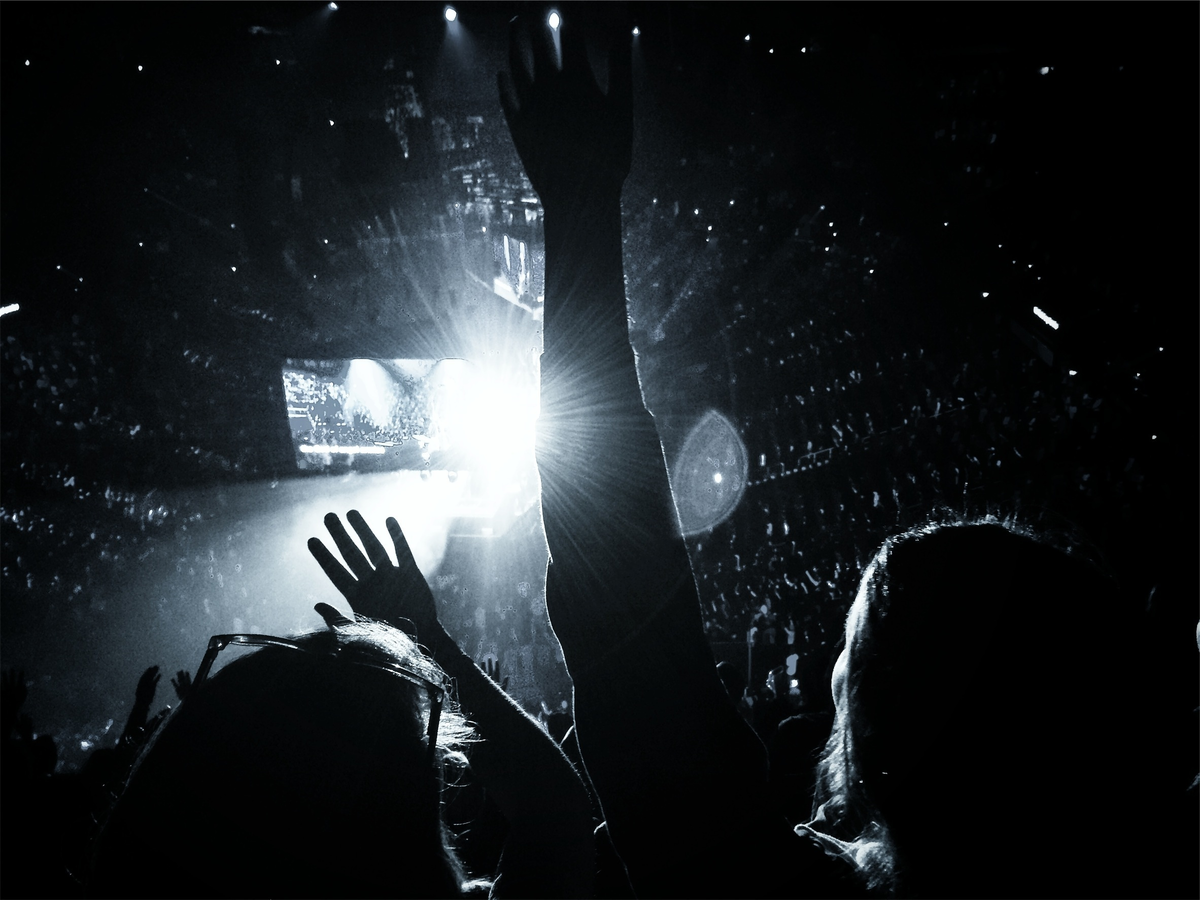
The atmosphere? Expect something that feels closer to a shared memorial and celebration than a typical rock show. People crying to "Leave Out All The Rest", mosh pits reigniting during "Faint", and that weird mix of joy and heaviness when tens of thousands of voices yell, "I tried so hard and got so far" together. If Linkin Park step back onstage properly, it won't just be a concert; it'll feel like a cultural reboot for everyone who grew up with them.
What the web is saying:
Rumor Mill: What Fans Are Speculating
Log into Reddit, TikTok, or X for five minutes and you'll see the same three Linkin Park questions looping on repeat:
- Is a new album actually happening?
- Will there be a full tour with a consistent live vocalist?
- Are there still unheard Chester-era tracks waiting to drop?
On Reddit, threads in rock and pop communities keep resurfacing an ongoing theory: that the band has quietly finished a project that combines unreleased Chester vocals with new instrumentation and maybe guest appearances from artists heavily influenced by them. No one has real proof beyond timeline math and vibes, but the idea clearly resonates. Fans imagine a hybrid project that sits between a traditional "new album" and a curated archival release.
Another rumor: a "rotating vocalist" tour format. Instead of naming one new frontperson, the band could invite a different guest singer (or two) in each major city—maybe a heavy act in Germany, a pop-leaning collaborator in LA, an alt-rock name in London. It appeals to people who hate the idea of "replacing Chester" but still want to see the songs live with powerful voices. It also lines up with a trend you already see: younger artists posting covers of "Numb" and "Breaking The Habit" and openly saying they'd do it in a heartbeat if asked.
Then there's the TikTok rumor lane, which is always a little unhinged but occasionally on the money. Some creators have pointed at synchronized posting patterns and subtle visual callbacks—like color schemes or glitch motifs that tie back to specific eras—as evidence that the band is slowly setting up a concept-driven campaign. Theories range from a Meteora-centric mini tour to a concept project echoing A Thousand Suns but with a 2020s spin: AI, online burnout, doomscrolling, climate anxiety.
Ticket price discourse is also heating up preemptively, which tells you how sure fans feel that something live is coming sooner or later. People still remember when rock and metal tickets felt "attainable" compared to pop megatours. Now, after watching prices jump for everyone from Paramore to My Chemical Romance, Linkin Park fans are already debating what's "fair"—especially for a band whose fanbase includes a lot of older millennials with bills and younger Gen Z fans without big budgets.
One recurring sentiment: fans would rather see the band in slightly bigger venues with more accessible pricing than watch a tiny run of ultra-premium, impossible-to-get arena shows explode on the resale market. There's concern that a "one last chance to see them" vibe could attract aggressive scalpers and dynamic pricing chaos.
On the more personal side, some long-time listeners are quietly anxious about how new material (if it surfaces) will be received. There's a fear that the band will get hit with the classic internet cycle: immediate hype, followed by nitpicky backlash, followed by eventual re-appreciation years later. Given how emotionally charged Linkin Park's catalog is, fans are already defensive about that scenario before a single new song even exists.
Still, under all the noise, you can feel one major through-line: people want the band to move on their own terms, at their own pace, with a setup that doesn't crush them. Most big Reddit posts and high-performing TikToks land in the same place: "If they come back, I'm there. If they don't, I'm grateful for what we already have." That mix of hunger and respect is rare in modern fandom—and it might be exactly why the band is taking such a careful, measured approach.
Key Dates & Facts at a Glance
| Year | Milestone | What It Means for Fans |
|---|---|---|
| 2000 | Hybrid Theory released | Debut album drops, redefining mainstream heavy music and launching essentials like "In The End" and "Crawling". |
| 2003 | Meteora released | Solidifies Linkin Park as a global force; "Numb" becomes one of the most-streamed rock songs of the 21st century. |
| 2007 | Minutes To Midnight era | Band pivots from nu-metal into more alt-rock and anthemic territory with tracks like "What I've Done". |
| 2010 | A Thousand Suns | Experimental, politically charged concept record that later becomes a cult favorite for many fans. |
| 2014 | The Hunting Party | Heavier, riff-driven project that responds directly to fans wanting a more aggressive sound. |
| 2017 | Passing of Chester Bennington | The band goes on an indefinite hiatus from live touring as fans worldwide organize tributes. |
| 2020s | Anniversary reissues & archival drops | Expanded editions of classic albums, unheard demos, and behind-the-scenes content reintroduce LP to a new generation. |
| 2026 | Increased online activity & speculation | Fans track trademarks, social media hints, and visual cues, anticipating a new chapter—whether live, recorded, or both. |
FAQ: Everything You Need to Know About Linkin Park
To cut through rumors, half-remembered interviews, and comment-section chaos, here's a grounded, fan-focused FAQ on where Linkin Park stand and how to think about their future.
Who are Linkin Park, in 2026 terms?
In 2026, Linkin Park are both a band and a living archive. They're the group that cracked the code on combining metal, hip-hop, electronic music, and confessional lyrics in a way that felt intensely personal but still radio-ready. For older fans, they're the sound of early-2000s angst; for younger listeners, they're the skeleton key that unlocks everything from emo rap to current metalcore.
Importantly, they are also a band navigating grief in public. Chester Bennington's impact isn't confined to old records—it lives in how people talk about mental health today, and in how fans use Linkin Park songs as a language for experiences they can't easily explain. In simple terms: Linkin Park in 2026 are both an influential legacy act and an ongoing emotional support system for millions.
What is actually confirmed vs. just rumored right now?
What's confirmed: the band remain active as a business and creative entity. They continue curating archival releases, engaging on official platforms, and managing their catalog in a very intentional way. You still get new packages, new remasters, and previously unreleased material from old sessions at a slow, considered pace.
What's not confirmed at the time of writing: a full world tour, a new studio album of brand-new material, or the permanent addition of a new lead vocalist. Any TikTok or Reddit post claiming "official confirmation" without citing the band's own channels is, at best, speculation. The safe rule: if it isn't on the official site or spoken by a band member in a reputable interview, treat it as rumor.
Where can I get reliable updates about Linkin Park in 2026?
Your first stop should always be official channels: the band's website, verified social accounts, and announcements through major, reputable music publications. Fan accounts are useful for discussion and context, but they often mix hope, predictions, and facts into one feed.
If you care about live shows, sign up for mailing lists, follow local venue accounts, and keep an eye on major ticketing platforms. That's usually where the first hard details about dates, pricing, and presales will appear. Screenshots of "leaked" tour posters with no matching listing on a major venue or ticketing site should be seen as fan art until proven otherwise.
When could a new Linkin Park era realistically begin?
Even in a best-case scenario where the band have been quietly working behind the scenes, turning that work into a public "era" takes time: marketing campaigns, physical release planning, production rehearsals, visual creative, video shoots. For a band at their level, you're usually looking at months of lead-up once they decide to throw the switch.
That means any significant 2026 activity would likely be telegraphed well in advance—cryptic teasers, visual refreshes, media hints—before we see full-blown single releases or tour announcements. The flip side is that smaller drops, like a new archival track or remixed classic, can happen much faster. Watch for subtle steps before expecting a fully defined "LP 2026" era overnight.
Why are people so protective over the idea of a "new" Linkin Park vocalist?
Because for most fans, Chester wasn't just the "singer"—he was the emotional core. His voice, his vulnerability, his public battles with mental health, and the way he channeled that into lyrics made people feel seen at brutally young ages. You don't just "replace" that like a missing puzzle piece.
Many fans are open to live collaborators, tribute sections, or even a carefully chosen partner for new material if it happens in a context that feels honest and not exploitative. What they rage against is the idea of a talent show-style successor, as if the band were a rotating franchise slot. That protective instinct isn't about blocking the band from moving on—it's about wanting any future steps to honor the history that drew them in.
What does a respectful Linkin Park comeback look like from a fan perspective?
Based on how fans talk online, a "good" comeback would tick a few boxes:
- Clear communication from the band about their intentions and emotional headspace.
- Transparent handling of tickets and pricing to avoid exploitative resales and dynamic pricing spirals.
- Setlists that acknowledge every era, not just the biggest chart hits.
- A thoughtful approach to Chester's presence—whether via archival footage, tribute sections, or collaborative performances.
- No rush. Fans would rather wait longer for something that feels right than get a quick, messy rollout.
If the band can line those up, most long-time listeners are ready to show up with open hearts—even if it means crying through half the set.
How should new fans start exploring Linkin Park in 2026?
If you're arriving late, there's no wrong entry point. You can go chronologically, starting with Hybrid Theory, and hear them grow from crunchy rap-rock into something far stranger and more mature. Or you can start with whatever song grabbed you—maybe a TikTok edit of "Numb" or a friend playing "Burn It Down"—and spiral outward.
A fun way to experience the band is to treat each album like a "season" of a show. Hybrid Theory is the raw origin story. Meteora is the refined, high-budget sequel. Minutes To Midnight is the risky, introspective pivot. A Thousand Suns is the ambitious, "wait, what show is this now?" season that turns out to be ahead of its time. Living Things and The Hunting Party are the arcs where they experiment with merging everything they've learned. However you slice it, you're stepping into a catalog with real range, not just one early-2000s sound.
And if a new era does kick off in 2026, you get to live it in real-time instead of as a retro flashback—which might be the best way to experience a band whose music has always been about what you're going through right now, not just what you felt back then.
So schätzen die Börsenprofis Aktien ein!

Für. Immer. Kostenlos.