Judas Priest: Why the Metal Gods Still Rule After 50 Years of Epic Riffs and Leather
06.04.2026 - 14:31:44 | ad-hoc-news.de
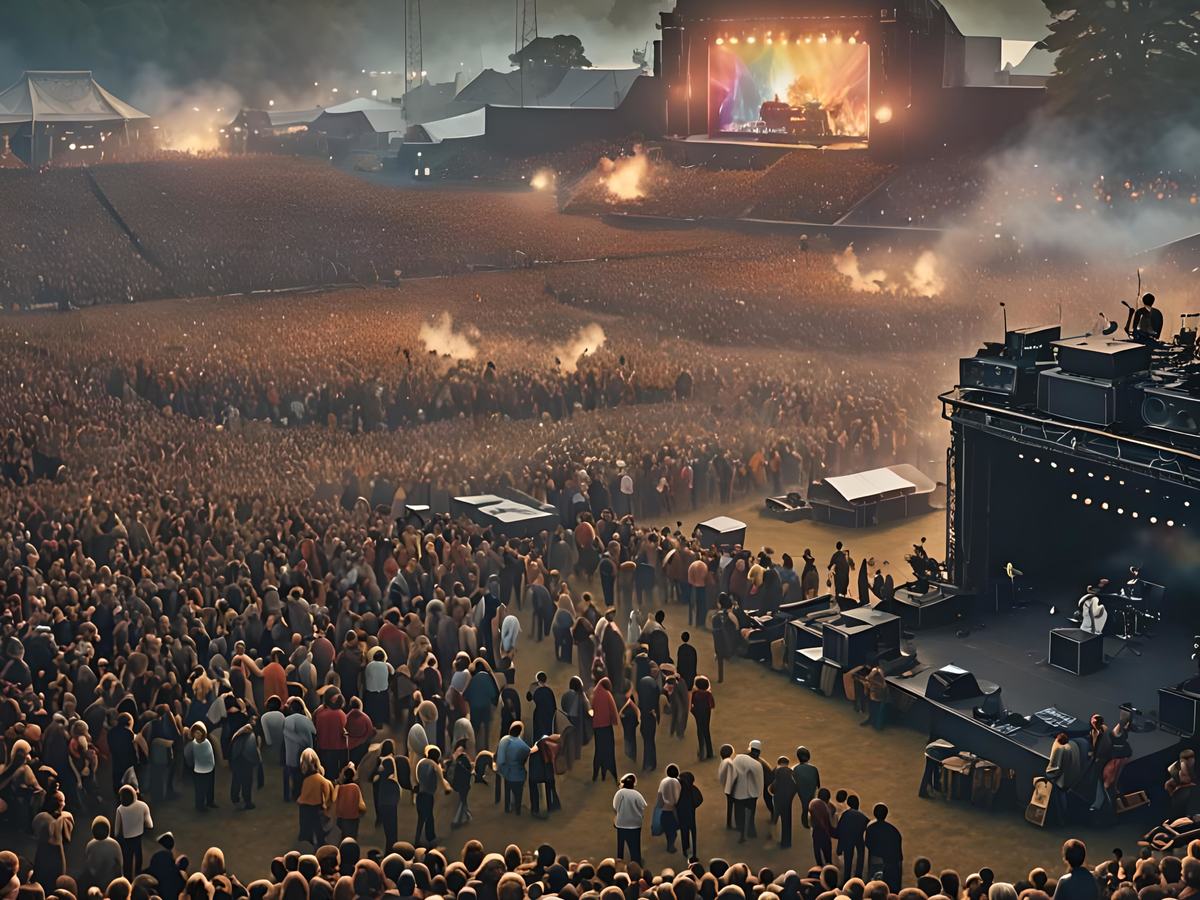
Judas Priest burst onto the scene in the 1970s with thunderous guitars and Rob Halford's soaring vocals, creating the blueprint for heavy metal that still echoes in arenas and playlists today. For young fans in North America, this British band represents pure rebellion, leather-clad attitude, and songs that pump up workouts, road trips, or late-night gaming sessions. Their influence shaped everything from Metallica to modern metalcore, making them legends who never faded.
Even in 2026, Judas Priest's catalog delivers adrenaline hits perfect for discovering metal's roots. Albums like Sad Wings of Destiny turned 50 recently, proving their staying power with tracks blending operatic highs and crushing riffs that feel fresh. North American audiences embraced them early through massive tours and MTV airplay, turning stadiums into mosh pits from coast to coast.
Why does this still matter?
Judas Priest matters because they invented the sound and look of heavy metal. Dual guitars screaming in harmony, Halford's motorcycle-riding entrances, and lyrics about defiance—it's all here. In a world of auto-tuned pop, their raw energy reminds us why live guitars and real vocals hit harder.
The band's endurance is key. Original members like guitarist Glenn Tipton and bassist Ian Hill still contribute, while Halford, at 74, belts out notes that shame singers half his age. This resilience inspires fans facing their own challenges, showing metal legends don't retire—they evolve.
The Metal God Persona
Rob Halford earned the nickname "Metal God" for his commanding stage presence. His outfits—studded leather, chains, and hats—set the standard for metal fashion still copied at festivals like Download or local shows.
Influence on Modern Metal
Without Priest, bands like Slipknot or Bring Me the Horizon might sound different. Their fast picking and twin leads influenced thrash and nu-metal, keeping metal alive for generations.
Which songs, albums, or moments define the artist?
British Steel (1980) is their defining album, packed with hits like "Breaking the Law" and "Living After Midnight." Short, punchy tracks made it radio-friendly yet brutal, selling millions worldwide.
Sad Wings of Destiny (1976) changed everything. Songs like "Victim of Changes" mixed fantasy lyrics with progressive elements, creating heavy metal from hard rock. It was their first classic, despite lineup changes and label struggles.
Top Songs for New Fans
- "Painkiller" – Insane speed and Halford's highest screams ever.
- "Electric Eye" – Surveillance theme with killer solos.
- "Turbo Lover" – Synth-metal experiment that's surprisingly catchy.
Iconic Albums Guide
Screaming for Vengeance (1982) brought arena metal with "You've Got Another Thing Comin'." Defenders of the Faith (1984) followed with non-stop aggression. Later, Painkiller (1990) revived them post-Halford hiatus.
Key moment: 1980s trials where PMRC accused their music of backward masking causing suicides. They won, proving metal's power over censorship—a win for all fans.
What makes this interesting for fans in North America?
North America is metal's heartland. Judas Priest headlined Monsters of Rock tours, packing US and Canadian stadiums. They drew huge crowds in cities like Detroit and Toronto, blending British precision with American rock hunger.
Today, younger fans discover them via TikTok edits of live shows or Spotify metal playlists. Festivals like Welcome to Rockville feature Priest alongside newer acts, bridging generations.
Live Legacy in the US and Canada
From 1980s arena tours to Firepower world tour (2018), they've played everywhere from Madison Square Garden to Vancouver's Pacific Coliseum. Clips of Halford riding his Harley onstage go viral yearly.
Why Gen Z Loves Them
Short attention spans? Priest's hooks grab instantly. Gaming soundtracks and gym playlists feature their tracks, making them accessible without deep dives.
What to listen to, watch, or follow next
Start with British Steel full album on Spotify. Watch the 2001 live DVD Electric Eye Live from London for peak 1980s fury. Follow Rob Halford on socials for LGBTQ+ advocacy—he's a gay icon in metal.
Playlist Essentials
Build this: "Hell Bent for Leather," "The Sentinel," "Jawbreaker." For deep cuts, explore Sin After Sin (1977), their first with producer Roger Glover.
Modern Connections
Check collaborations like Halford with Korn or Five Finger Death Punch covers. Newer albums like Invincible Shield (2024) prove they're still dropping bangers.
Deeper Dive into Their Legacy
Formed in Birmingham, England, 1969, they grinded through pubs before US breakthrough. Early albums like Rocka Rolla were raw; Sad Wings polished the edge.
Lineup shifts: K.K. Downing left in 2011, replaced by Richie Faulkner, whose onstage collapse in 2021 showed the band's toughness— he recovered fast.
Style Breakdown
Signature: Twin guitars (Downing/Tipton), galloping rhythms, Halford's 5-octave range. Lyrics mix sci-fi, war, romance—always empowering.
Judas Priest for the 2020s Fan
In North America, stream them on Apple Music or catch tributes at local venues. Vinyl reissues make collecting cool again. Their story teaches persistence: from near-bankruptcy to Rock Hall inductees (2022).
Why now? Metal's resurgence via acts like Spiritbox owes Priest everything. Dive in, crank it loud, and join the metal army.
So schätzen die Börsenprofis Aktien ein!

Für. Immer. Kostenlos.