
Judas Priest 2026: Why Everyone Wants a Ticket Now
06.03.2026 - 13:23:39 | ad-hoc-news.de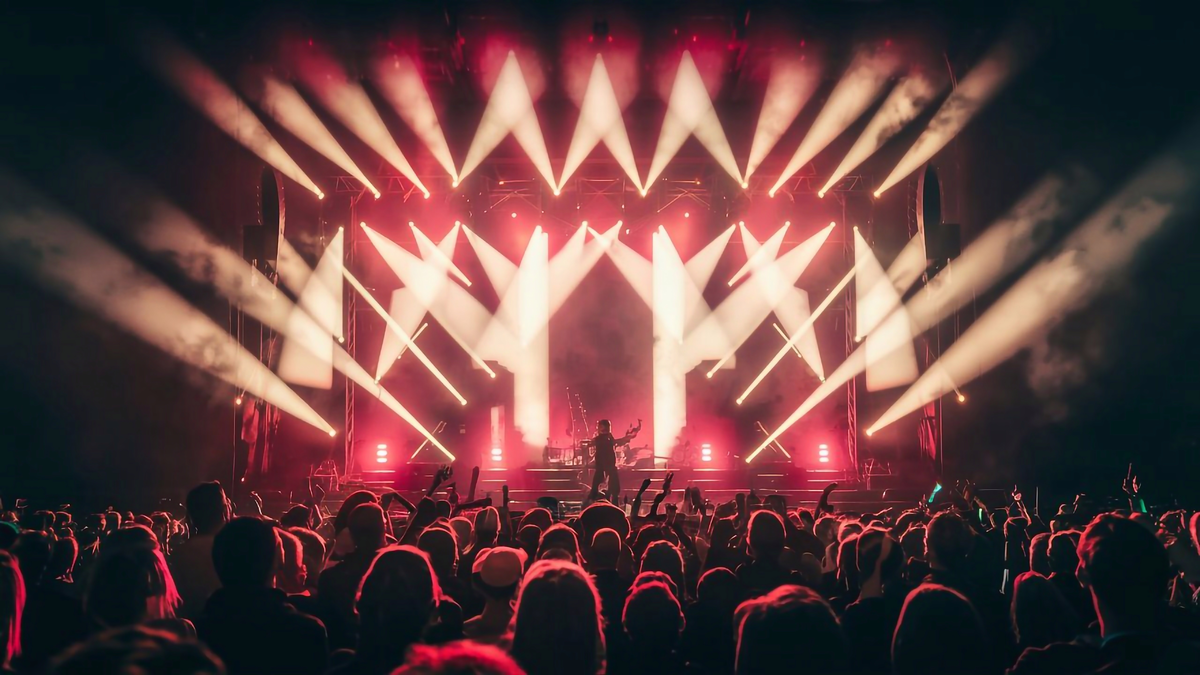
If your feed suddenly feels full of leather, studs, and screaming guitar solos, you’re not imagining it. Judas Priest are back in heavy rotation in 2026, and metal fans are acting like it’s 1982 all over again. Between ongoing tour dates, fresh buzz about setlists, and fans arguing over which era of Priest deserves more love, the hype is very real right now.
Check the latest Judas Priest tour dates and tickets here
Whether you grew up on "Breaking the Law" or you discovered the band via TikTok edits of "Painkiller" solos, 2026 is shaping up to be a seriously important year to see Judas Priest live. Let’s unpack what’s really happening, what the setlists look like, and why the rumor mill around the Metal Gods is working overtime.
The Backstory: Breaking News in Detail
Judas Priest are deep into their modern comeback era. After the release of their late-career albums and the success of their 50th anniversary celebrations, the band have made it very clear: they’re not treating this as a nostalgia lap. In recent interviews with major music outlets in the US and UK, band members have repeated a similar message — as long as the shows feel powerful and the fans show up, they’re not done.
Over the last few weeks, the buzz has focused on fresh tour activity. Fans stalking the official site and ticket platforms have noticed new and updated dates across the US, UK, and mainland Europe. Metal Twitter and Reddit lit up the moment more arena and festival slots appeared, especially in key cities like London, New York, Los Angeles, Berlin, and Madrid. Screenshots of presale codes and seating charts have been passed around like secret treasure maps.
What’s driving the heat is the mix of classic-headlining status and genuine uncertainty about how many more major runs the band has left in them. Judas Priest formed in the late 1960s; Rob Halford is in his 70s, and the current live lineup has battled through health issues, member changes, and the sheer grind of world touring. When you buy a ticket in 2026, you’re not just paying for a show — you’re buying into the possibility that this could be one of the last big, production-heavy global tours.
Recently, Halford has been quoted talking about how emotional it is to see three or four generations of fans in the same crowd: parents in old "British Steel" shirts next to teens who learned "Painkiller" riffs on YouTube. That demographic mix changes the way the band designs the set. They’ve spoken about trying to touch every major era without turning the show into a museum piece. So when new dates go up, fans immediately start calculating which albums might get more love this time around.
There’s also the broader context: heavy metal is having a streaming-era revival. Younger listeners are discovering classic bands by algorithm, not radio. Judas Priest benefit directly from that, and their management knows it — more social content, more pro-shot live clips, and more carefully teased announcements are keeping the band present in feeds, not just in memories. This is why each tour update feels like news rather than routine.
For you as a fan, the implication is simple: waiting "until next time" is becoming a risky strategy. Tickets for prime cities and weekends have been moving fast whenever new waves of dates drop, and secondary market prices are already a sore point in fan discussions. If you see your city on the official tour page, it’s decision time.
The Setlist & Show: What to Expect
So what does a 2026 Judas Priest show actually look and feel like? Think: an extremely loud, extremely tight, career-spanning victory lap with just enough surprises to keep hardcore fans arguing all night.
Looking at recent setlists shared by fans online, some anchors are almost guaranteed. "Painkiller" remains the nuclear finale or near-finale — that drum intro still sends whole arenas into instant chaos. "Breaking the Law" and "Living After Midnight" are non?negotiable; even casual fans would riot if those somehow disappeared. You can safely expect "Hell Bent for Leather", often with Rob Halford riding out on the iconic motorcycle, plus stone-cold classics like "Electric Eye", "The Sentinel", "You’ve Got Another Thing Comin’", and "Turbo Lover" sneaking in as a neon?soaked sing?along moment.
Recent tours have also pulled deep cuts and later?era tracks into the spotlight. Songs from records like "Firepower" and other modern releases have been getting strong reactions, proving that Priest’s late-career material isn’t just filler. Tracks like "Lightning Strike" and other newer bangers bring a sharper, more contemporary edge that plays well next to the old-school anthems. Fans online have praised how seamlessly the new songs slot between "Victim of Changes" or "Metal Gods" without feeling out of place.
The atmosphere in the venue is a huge part of why this tour cycle feels special. People report seeing everything from denim battle jackets covered in 1980s tour patches to teens in streetwear filming every solo for TikTok. There’s a communal energy that older fans compare to the classic arena-metal days, only now everyone has a phone light instead of a cigarette lighter.
Visually, Priest are leaning into the full "Metal Gods" persona: massive backdrops, chrome and fire motifs, lighting that syncs with drum hits and solos, and costume changes that keep Halford cycling through different coats, hats, and leather combinations. The sound mix on recent shows has been praised for being both heavy and clear — guitars up front, vocals cutting through, and drums that feel like they’re physically shaking the floor.
Support acts vary by region, but expect compatible metal or hard?rock bands, often from the newer generation. Fans have noted that some openers are clearly there to bridge the gap to younger audiences, while others serve as love letters to the old-school NWOBHM and classic metal vibe. Either way, the full evening tends to feel like a mini?festival built around Priest as the inevitable main event.
If you’re going, plan for a roughly two?hour main set with minimal downtime. Crowd participation is huge: Halford still loves to orchestrate call?and?response screams, milk the "Breaking the Law" chants, and hold out the mic for big chorus payoffs. The emotional weight hits especially hard on tracks like "Beyond the Realms of Death" or "Victim of Changes", where long?time fans visibly lose it. You don’t need to know every song to get swept up — the show is designed for both lifers and newcomers.
What the web is saying:
Rumor Mill: What Fans Are Speculating
If you dive into Reddit threads or metal?Tok, you’ll see one big recurring question: Is this the last massive Judas Priest era? Nobody wants to say "farewell" out loud, but fans are reading between the lines. Any time the band talks about being grateful for "however many shows we have left", people instantly start speculating about a final tour, a last UK blowout, or a one?off mega?show with special guests from across the metal world.
On r/Metal, people are trading theories about surprise appearances. One popular fantasy booking idea is a guest spot from former members on specific songs, or a one-night-only reunion performance at a major festival. There’s also chatter about whether Halford might eventually do more stripped?down or storytelling?style shows if full arena runs become too intense physically.
Another hot topic: setlist warfare. Every time a new setlist gets posted, the comments fill up with "Where is ‘The Ripper’?", "Why did they drop ‘Exciter’?", or "We need more ‘Painkiller’ deep cuts." Some fans argue that the show leans too heavily on greatest hits, while others say that when you’re bringing in thousands of younger or casual fans, you have to prioritize the songs everyone knows. That tension is likely to keep growing as the catalog gets bigger and the available stage time stays the same.
Ticket prices are also under the microscope. Threads on Reddit and X (Twitter) have fans comparing prices between cities: some US arenas are noticeably more expensive than European dates, and VIP packages are a lightning rod for criticism. At the same time, older fans point out that this might simply be the cost of seeing a legendary band with full production in 2026. A lot of people are biting the bullet and justifying it as a once?in?a?lifetime or once?in?a?generation expense.
On TikTok, a different narrative is playing out. Clips of Halford hitting big notes, the "Painkiller" drum intro, or the motorcycle moment are going viral among younger users who barely knew Judas Priest a year ago. Comment sections are full of "How is this guy this good at his age?" and "My dad tried to put me on this band for years, I finally get it." That new wave of interest is feeding back into the touring machine, giving the band a broader audience than many people expected.
Then there are album rumors. Any off?hand comment in an interview about "working on ideas" instantly becomes "new album confirmed" in fan circles. Realistically, the band have been in and out of writing and recording phases for years, but fans are desperate for another late?career classic on the level of "Firepower". Some online theories even suggest that the current touring stretch could be doubling as a testing ground for which new songs might make the cut live if another record lands.
All of this speculation has one thing in common: urgency. Whether the topic is tickets, merch, new songs, or farewell scenarios, fans feel that we’re in a closing but glorious chapter of Judas Priest history. That’s why the energy around every tour update feels less like routine news and more like an event.
Key Dates & Facts at a Glance
- Band origin: Judas Priest formed in Birmingham, England, in the early 1970s, becoming one of the defining bands of heavy metal.
- Classic lineup era: The band’s most iconic run of albums stretches from "Sad Wings of Destiny" (1976) through "Painkiller" (1990).
- Signature albums: Key records include "British Steel", "Screaming for Vengeance", "Defenders of the Faith", "Turbo", and "Painkiller".
- Modern comeback: Recent studio work and touring cycles have been praised as a late?career renaissance, pulling new generations into the fanbase.
- Tour activity in 2026: Judas Priest continue to add dates across North America, the UK, and Europe. New announcements and updates appear on the official tour page: check often for your nearest city.
- Typical show length: Around 90–120 minutes for the main set, depending on curfew and festival vs. headline format.
- Setlist mix: Expect a blend of 1970s and 1980s classics, fan?favorite deep cuts, and at least a couple of modern tracks from post?2000 albums.
- Generational fanbase: Live crowds regularly feature fans in their teens all the way up to people who saw Judas Priest in the 1980s.
- Merch highlights: Tour shirts often feature updated takes on the classic "British Steel" razor blade and screaming eagle artwork.
- Accessibility: Major arenas on the tour typically offer seated options, accessible viewing areas, and strictly enforced sound limits — though earplugs are still strongly recommended.
FAQ: Everything You Need to Know About Judas Priest
Who are Judas Priest, in simple terms?
Judas Priest are one of the core architects of heavy metal. If Black Sabbath invented the basic idea, Judas Priest turned it into the sharp, twin?guitar, leather?and?studs sound and look that defined the genre. Fronted by Rob Halford, they pushed high?pitched vocals, screaming guitar harmonies, and anthemic choruses into the mainstream. When you picture classic metal — spikes, motorcycles, big choruses — you’re probably picturing something they either did first or made iconic.
What makes a Judas Priest show in 2026 worth it if you’re a newer fan?
If you came in via playlists, Guitar Hero, TikTok edits, or a friend shoving "Painkiller" into your ears, the live show is where everything clicks. First, the sound: twin guitars in full stereo, riffs that physically hit your chest, and a crowd that knows every word. Second, the performance: even in their 70s, the band moves with purpose and authority, and Halford’s stage presence is immense. Third, the lore: seeing "Breaking the Law" shouted by thousands of people, or hearing that "Living After Midnight" chorus echo through an arena, is metal history happening in front of you. It’s also one of the few places where older and younger fans mix without irony; everyone’s there to scream together.
Where can you get the most accurate and up?to?date tour info?
Do not rely only on random screenshots or third?party ticket resellers. The most reliable information is always the band’s official tour page, which lists currently confirmed dates, cities, and venues. From there, you can click through to official ticket vendors. Social media accounts linked from the official site will usually echo new announcements, but the website remains the primary hub. If a date isn’t there yet, it’s either not announced or not happening.
When should you buy tickets — and are presales worth it?
If you’re aiming for floor standing, pit, or prime lower?bowl seats in major markets (New York, London, Los Angeles, etc.), presales are absolutely worth your attention. Many fans online report that the best sections vanish during fan club, promoter, or card?holder presales. By the time the general sale hits, only mid?range or nosebleed options may be left at face value. In smaller cities or festival contexts, you might have more time, but the safer bet in 2026 — when everyone is aware that opportunities to see legendary bands are finite — is to buy early rather than gamble.
Why do people call Judas Priest the "Metal Gods"?
Partly it’s because of their song "Metal Gods", but mostly it’s about legacy. The band helped shape not just how heavy metal sounds, but how it looks and feels. Their leather?and?studs stage wear influenced everything from underground bands to mainstream pop styling. Sonically, that blend of high?pitched vocals, crunching riffs, and sing?along choruses became a blueprint for countless other acts. When fans chant "Metal Gods" at shows, they’re acknowledging that connection: this isn’t just another band, it’s one of the pillars the whole genre stands on.
What should you expect in terms of loudness, crowd, and vibe?
It will be loud — even by modern arena standards. Drums and guitars are mixed to feel physical, so earplugs are a smart move, especially if it’s your first big metal show. The crowd vibe tends to be intense but surprisingly friendly. Long?time fans often look out for younger or first?time concert?goers, and the shared love for the band creates an easy sense of community. Mosh pits can break out near the front on faster songs like "Painkiller" or "Freewheel Burning", but there’s usually plenty of space further back for people who just want to sing and headbang without getting jostled.
How should you prep if this might be your one chance to see them?
Start with a crash?course playlist: hit "Breaking the Law", "Living After Midnight", "Electric Eye", "You’ve Got Another Thing Comin’", "Victim of Changes", "Hell Bent for Leather", and "Painkiller", then sprinkle in newer tracks from the band’s recent albums. Knowing the choruses will massively amplify your experience. On show day, plan your travel early, especially if it’s a big city date — transport can get chaotic after curfew. Bring cash or card for merch (tour shirts sell out in popular sizes), dress for heat (arenas get warm fast), and charge your phone, but also give yourself permission to put it away for a few songs and just exist in the moment. If Judas Priest are on your bucket list, this is the time to cross them off properly.
What about fans who saw them decades ago — is it still worth going again?
Many long?time fans who caught Priest in the 1980s or 1990s are reporting that modern shows hit differently. You’re not just watching a great metal band; you’re revisiting a huge chunk of your own life story. The band lean into that nostalgia without getting stuck in it, and the presence of younger fans adds a bittersweet, uplifting feeling — you’re watching the songs outlive their original era. If you loved them once, seeing Judas Priest in 2026 is less about comparison and more about closure and celebration.
Hol dir jetzt den Wissensvorsprung der Aktien-Profis.

Seit 2005 liefert der Börsenbrief trading-notes verlässliche Aktien-Empfehlungen – dreimal pro Woche, direkt ins Postfach. 100% kostenlos. 100% Expertenwissen. Trage einfach deine E-Mail Adresse ein und verpasse ab heute keine Top-Chance mehr.
Jetzt abonnieren.


