
Judas Priest 2026: The Metal Gods Are Far From Done
17.02.2026 - 19:59:46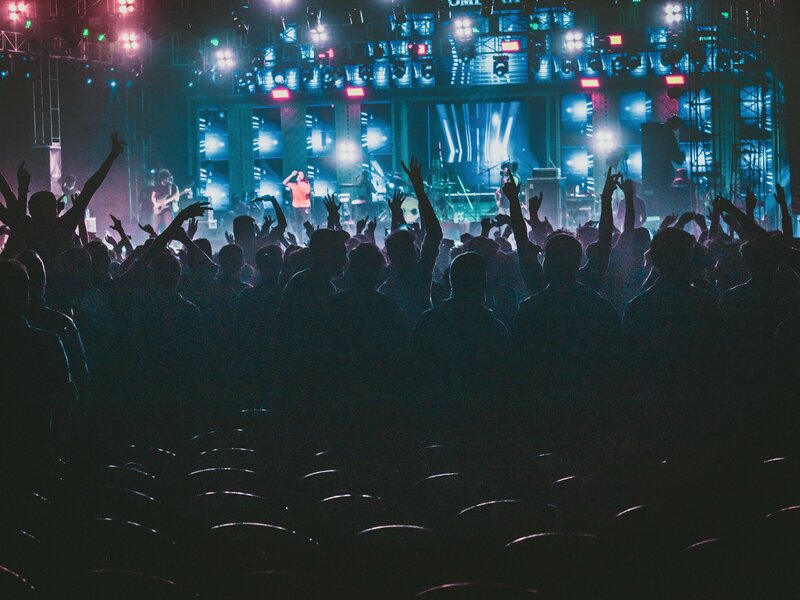
If you thought Judas Priest might start slowing down in 2026, the latest buzz is basically screaming the opposite. The Metal Gods are still punching at full power, still packing arenas, and still turning every city stop into a multi-generation metal reunion. Fans are already stalking ticket drops, dissecting setlists, and arguing online about which deep cuts deserve a comeback this year.
Check the latest official Judas Priest tour dates here
Whether you discovered Priest through your parents, Guitar Hero, or a random TikTok edit of "Painkiller" over an anime fight scene, this current era hits different. We're talking legacy, sure, but also fresh energy, sharper production, and a live show that doesn't feel like nostalgia theatre. It feels like a band refusing to give up the crown.
The Backstory: Breaking News in Detail
So what exactly is going on with Judas Priest right now? Across the last few weeks, the buzz around the band has locked onto three main things: new tour legs, evolving setlists, and the ongoing conversation about how long they can (and should) keep pushing this hard.
On the touring side, the official site has been steadily updating with new dates across the US, UK, and Europe, turning what looked like a tight run into something that feels closer to a full-blown, era-spanning victory lap. Promoters have been teasing ">demand-driven" extra shows in select cities, especially in US rock hubs and classic metal strongholds in Europe. Translation: ticket sales are healthy enough that if you blink, your city might suddenly get a second date.
Recent interviews with band members have circled around the same themes: gratitude, stamina, and a refusal to treat shows like automatic throwbacks. While specific phrasing varies from outlet to outlet, the core message is that the band doesn't want to just coast on the hits. There's a visible pride in still being able to deliver live in their 70s, but also a real awareness that metal crowds today are different. You've got younger fans, more women up front than in the old days, and a huge chunk of people who discovered heavy music through streaming-era rabbit holes rather than 80s MTV.
Behind all the hype is a smart strategic move: Judas Priest lean into their legacy without making it feel like a museum piece. The marketing doesn't scream "farewell" or "one last ride". Instead, it taps into the idea that you're catching a band in the later chapters of an insane story, still capable of breaking your neck with a riff. That framing matters. It changes how fans talk about the shows online; less "I saw them before they stopped" and more "you need to see how hard they're still going".
There's also a massive knock-on effect for the wider metal scene. Younger acts openly name-dropping Judas Priest as an influence, plus their continued headlining power, keeps traditional heavy metal visible in a festival world heavy on pop, rap, and crossover EDM. Bookers don't just see Priest as a heritage name; they see a reliable top-line act that brings parents, kids, and every patch-covered battle vest in a 200-mile radius. That audience mix is gold for Live Nation and local venues alike.
For fans, the implication is clear: this run of shows isn't just another tour cycle. It feels like a validation that classic metal still sells, still matters, and still has something to say live. If you've ever argued online that guitars and real drums aren't dead, Judas Priest on a 2026 stage is your best evidence.
The Setlist & Show: What to Expect
If you're hunting setlists online, you've probably seen a familiar pattern with some spicy twists. Recent Judas Priest shows have been built around a backbone of absolute essentials: think "Painkiller", "Breaking the Law", "Living After Midnight", "Electric Eye", and "Hell Bent for Leather". Those aren't leaving the set anytime soon; they're structural support beams.
But around that core, the band has been playing with the deck. In recent tours and festival appearances, fans have clocked deep cuts and fan-service picks sliding in and out: tracks like "Victim of Changes", "The Sentinel", "Turbo Lover", "You've Got Another Thing Comin'", "Freewheel Burning", and "Jawbreaker" have all had their moments. Newer album cuts have also surfaced, giving the shows that "not just a greatest-hits jukebox" energy that long-time fans crave.
Setlists usually run roughly 15–18 songs, depending on curfews and whether they're headlining or on a festival bill. The pacing is smart: they open with something hard and fast to set the tone—often a modern-era banger or a high-impact 80s cut—then build through a mix of mid-tempo crushers and sing-along anthems before hitting an encore stretch that's pure chaos. "Painkiller" near the end still feels like a physical challenge, both for the band and the crowd. If you're not at least a little hoarse by then, you're doing it wrong.
Atmosphere-wise, don't expect a stripped-back, "we're old now" stage. Priest still bring a full show: lights, smoke, leather, spikes, and that iconic Harley moment that never stops popping the crowd. The visual aesthetic has evolved slightly—more LED walls, sharper graphics, tighter camera work for big screens—but the core vibe is pure classic metal theatre. It's dramatic without feeling goofy, self-aware without being ironic.
One of the most underrated parts of a current Judas Priest show is the multi-generational crowd dynamic. You'll see parents lifting their kids during "Breaking the Law" like it's a rite of passage. You'll see teens and twenty-somethings screaming every word to songs that dropped decades before they were born. And you'll see lifers who've followed the band since the 70s, arms crossed in the back at first, then fully losing it by the third song.
Vocally, fans online keep pointing out that Rob Halford is smart about how he uses his voice now. He still hits those trademark high screams in key moments, but he paces them, picking spots that land hardest instead of trying to nuke every line. The band behind him stay locked in, with twin-guitar harmonies and tight rhythm work that remind you why this sound basically defined what a traditional metal band looks and feels like on stage.
So what should you expect if you're grabbing a ticket this cycle? A heavy, tightly rehearsed, emotionally loaded show that doesn't pretend it's 1984, but also doesn't apologize for being louder, sharper, and more punishing than most younger bands can manage.
What the web is saying:
Rumor Mill: What Fans Are Speculating
Hit Reddit, TikTok, or any metal Discord and Judas Priest talk right now breaks into a few recurring debates: potential setlist changes, future album hints, and the inevitable "how many more tours can they realistically do?" discourse.
On Reddit, threads in r/Metal and r/Music are full of fans trading "dream setlists" for the current run. You'll see people begging for the return of songs like "Beyond the Realms of Death", "Sinner", or "The Ripper". Others want more representation from later-era albums, arguing that newer material holds up live and shouldn't be overshadowed by the early classics. There's a whole sub-argument about whether "Turbo Lover" is cringe or genius in 2026; spoiler, the crowd reaction usually settles that live.
Ticket prices always trigger tension. Some fans on social platforms are side-eyeing the cost of floor seats and VIP upgrades, especially in major US arenas where dynamic pricing kicks in. You'll see comments like, "Metal was supposed to be for the working class, how is this $200 before fees?" Others clap back that between production costs, insurance, travel, and the reality of trying to run a massive tour in the 2020s, these price tiers are basically the new normal for any artist at this level. What's undeniable: cheaper upper-level seats and lawn tickets, where available, are selling fast with fans who just want to be in the building.
On TikTok, the vibe is more emotional than analytical. Short clips of Halford riding the Harley on stage go viral every single tour leg. You'll see stitched videos of parents taking their kids to their first Priest show, with captions like "raising them right" and "metal runs in the bloodline". There are also a ton of outfit posts—leather jackets, studs, chains, DIY vests—turning the concert into a mini alt-fashion event.
Speculation about new music never fully shuts off. Whenever a band member gives an interview and hints they're "always writing" or "have riffs on the back burner", fans immediately start building timelines. Is there enough gas in the tank for another full-length? Would they focus on EPs or singles instead of a traditional album? Nobody outside the band camp has hard answers, but the live energy and crowd sizes keep hope alive that they'll hit the studio again if it feels right.
Then there's the big emotional question: are we in the final touring chapter? Fans are weirdly united and divided at the same time here. On one hand, people want them to keep going forever. On the other, many insist they'd rather see Judas Priest choose a dignified, self-directed exit than grind themselves down. For now, all signals point to "we're still here, we still love this, and you'll know when it's time". It keeps every tour announcement feeling high-stakes without officially branding anything as "the end".
Key Dates & Facts at a Glance
To keep your planning (and your FOMO) organized, here's a quick-hit snapshot of useful Judas Priest info. Always cross-check against the official site for changes, additions, or sold-out notices.
| Type | Region / Context | Detail | Notes |
|---|---|---|---|
| Tour Info | Global | Official dates listed on judaspriest.com/tour | New shows and second nights can appear with little warning |
| Typical Show Length | Live | ~90–110 minutes | Festival slots may be shorter; headlining sets usually longer |
| Core Setlist Staples | Live | "Painkiller", "Breaking the Law", "Living After Midnight", "Electric Eye", "Hell Bent for Leather" | Rarely, if ever, dropped from the set |
| Deep Cut Rotation | Live | Examples: "Victim of Changes", "The Sentinel", "Turbo Lover", "Freewheel Burning" | Varies by leg, city, and festival vs. headline shows |
| Ticket Price Range | US / UK | From budget upper tiers up to premium/VIP options | Dynamic pricing can push high-demand city prices upward |
| Fan Demographic | Global | Multi-generation: teens to 60+ | Noticeable growth in younger fans and more diverse crowds |
| Official Updates | Online | Website + social channels | Tour changes, announcements, and last-minute support act swaps |
FAQ: Everything You Need to Know About Judas Priest
Who are Judas Priest and why do people call them the Metal Gods?
Judas Priest are one of the defining heavy metal bands of all time, forming in England in the 1970s and shaping the sound, look, and attitude of classic metal. The "Metal Gods" nickname comes partly from their 1980 song of the same name, but it stuck because they helped codify what heavy metal would become: twin-guitar harmonies, leather-and-studs aesthetics, high-pitched vocals, and riff-driven, arena-ready songwriting. When people talk about metal's "Big Influencers", Judas Priest sit right beside bands like Black Sabbath and Iron Maiden.
What makes a Judas Priest show in 2026 worth seeing if you're a newer fan?
If you discovered them through playlists or older relatives, you might wonder if a band this deep into their career can still deliver live. The answer, judging from fan videos and reviews, is yes—loudly. You're not just watching a nostalgia act; you're watching the source material in real time. Songs that you've heard compressed through earbuds suddenly land with the weight of full-volume guitars, stage lights in your face, and thousands of voices yelling the same chorus.
Modern production helps too. The sound mixes are cleaner than much of the 80s era, lighting rigs are more dynamic, and big screens mean you can actually see the emotion on Rob Halford's face from the back of the arena. For newer fans, especially Gen Z and younger millennials, it's a chance to plug directly into a myth you've only seen in clips and memes.
How early should you arrive at a Judas Priest concert, and what's the vibe like outside the venue?
If you're going for floor or general admission, earlier is better. Fans often line up well before doors to secure barrier spots, and pre-show hangs in the parking lot or outside the venue feel almost like a mini metal festival. You'll see denim vests covered in patches, vintage tour shirts pulled from decades past, and brand-new fans experimenting with leather and eyeliner for the first time.
Security lines at big shows can take a while, especially on weekends, so factor that in. Once you're inside, merch queues are usually heavy near doors opening, then thin out slightly as the opener starts. If you're hunting specific tour shirts or limited posters, don't wait until after the show—sizes and designs can vanish fast in big cities.
What about support acts—who usually opens for Judas Priest and should you care?
Support acts change by region and leg, but they often skew toward either up-and-coming metal bands or established names that slot smoothly with Priest's sound. It's absolutely worth catching them. For younger fans, openers can be your new discovery pipeline—bands that grew up loving Judas Priest and now get to share the same stage. For older fans, openers offer a glimpse of where metal is headed next, with modern production and new lyrical themes layered on top of the classic riff-and-solo formula.
Arriving in time for the opener also sets your ears up for the main set. You acclimate to the venue acoustics, get loosened up, and shake off whatever weekday stress you brought with you. By the time the house lights drop for Priest, you're already locked in.
Are Judas Priest shows safe and accessible for newer or more casual metal fans?
Yes. The reputation of metal shows being chaotic or intimidating doesn't really match the on-the-ground reality these days, especially at big, professionally run events. Security is present, crowd flow is managed, and most fans operate on an unwritten code of respect. If someone falls in a busy area, people around them help them up. If you're smaller or not used to loud environments, you can hang slightly back from the densest sections and still have a perfect night.
Ear protection is smart, especially if it's your first metal show or you're bringing kids. Small foam plugs or musician earplugs can take the sting out of high volume without killing the mix. Accessibility-wise, most arenas have clear policies for accessible seating and assistance; checking the venue website ahead of time is key.
What's the best way to keep up with last-minute Judas Priest news, like added dates or surprise setlist changes?
Your first stop should always be the official website and verified social pages. That's where new dates, cancellations, or rescheduled shows get posted. Following band members, crew, and long-running fan pages can also give you a faster, more informal signal when something shifts. For setlists, fan-run sites and social posts from each city are your best friend—people snap photos, type up track orders, and argue about what worked and what didn't after almost every show.
If you're fully in planning mode, consider setting alerts for your local venue and tracking major ticketing platforms. Pre-sales and extra seat drops sometimes go live quietly, and being one of the first to refresh can mean the difference between nosebleeds and that perfect lower-bowl angle.
Why do people talk about seeing Judas Priest now like it's urgent?
Because, bluntly, nobody tours forever. We've already lived through multiple eras of classic acts taking their final bows, and every few years another giant steps back from the road. With Judas Priest, the urgency isn't fueled by a confirmed "this is it" statement; it's fueled by the awareness that each tour could be one of the last big runs at this scale.
That knowledge gives the current shows a deeper emotional edge. When the intro tape hits and the band walks on, you're not just cheering for a cool night out—you're cheering for decades of music that shaped entire scenes, personal identities, and friendships. That's why fans online keep saying some version of, "If you're on the fence, just go. You'll never regret seeing them, but you might regret missing it."
Right now in 2026, Judas Priest are still out there proving that heavy metal can age with power instead of fading away. If the riffs ever meant anything to you—even once—you know exactly why that matters.
@ ad-hoc-news.de
Hol dir den Wissensvorsprung der Profis. Seit 2005 liefert der Börsenbrief trading-notes verlässliche Trading-Empfehlungen – dreimal die Woche, direkt in dein Postfach. 100% kostenlos. 100% Expertenwissen. Trage einfach deine E-Mail Adresse ein und verpasse ab heute keine Top-Chance mehr.
Jetzt anmelden.


