Jethro Tull Are Still Wildly Alive on Tour
05.03.2026 - 15:53:07 | ad-hoc-news.de
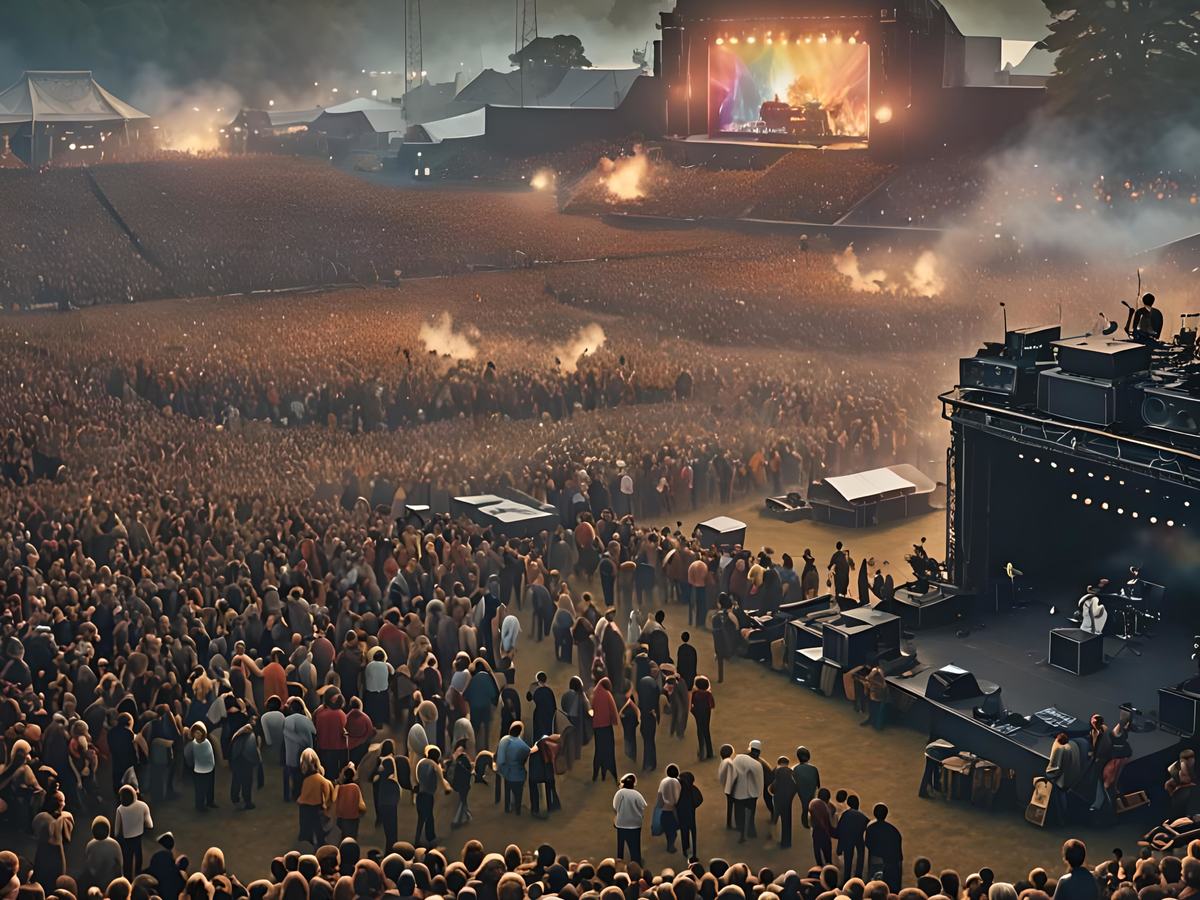
You don’t go to a Jethro Tull show in 2026 just for nostalgia. You go because Ian Anderson is still out there, one leg raised, flute in hand, turning a whole arena into a weird, glorious folk?prog ritual. And yes, fans are stressing over tickets, setlists, and whether this might be the last big run. If you’re even half?thinking about seeing Jethro Tull this year, you should probably look at the dates now.
See all official Jethro Tull tour dates here
Across TikTok, Reddit, and old?school forums, the same sentence keeps popping up: "I didn’t realize Jethro Tull were still this good live." That mix of surprise and hype is driving a fresh wave of younger fans into venues, standing shoulder?to?shoulder with people who first saw the band in the 70s. It’s not just a boomer reunion night; it’s starting to feel more like a cult, where everyone knows at least one flute riff by heart.
The Backstory: Breaking News in Detail
So what exactly is going on with Jethro Tull right now? In short: steady touring, deep?cut setlists, and a late?career run of studio albums that has quietly rebuilt their reputation with critics and hardcore fans.
Over the last few years, Ian Anderson has kept the Jethro Tull name active with a mix of classic?era staples and new material. Recent tours have leaned heavily on the band’s late?60s and 70s catalog, but they’ve also slipped in tracks from their 2020s albums, showing that Tull isn’t just a heritage act running on fumes. Interviews with Anderson in UK and European music outlets over the past year underline the same theme: he’s interested in storytelling, history, and keeping the music evolving on stage rather than locking it in amber.
On the tour front, the official site has been rolling out dates across Europe, the UK, and beyond, usually in mid?sized theatres and prestige concert halls rather than massive festivals. That choice changes the whole vibe. A theatre show means better acoustics for the folk?rock textures, more focus on visuals and storytelling, and a crowd that’s there to listen, not just drink and yell through "Aqualung." It’s also helped the band keep production tight and repeatable from city to city, which matters more than ever when your catalog is this dense.
Behind the scenes, there’s also a quiet sense of urgency. In recent interviews, Anderson has been frank about age and health. He’s not leaning into any "farewell tour" branding, but he has acknowledged that each run has to be planned around what’s realistic vocally and physically. That’s why set lengths and pacing are carefully designed. Instead of chasing three?hour marathons, the show now plays like a curated, theatrical experience: strong open, deep middle section, big closing stretch, and a short, emotional encore.
For fans, that "curated" angle has huge implications. You’re not just getting a greatest?hits jukebox, you’re getting a history lesson in real time. Older fans finally hear album tracks that never made it into the 70s arena sets; younger fans see the songs they discovered on playlists come to life with visuals, stories, and Anderson’s very dry, very British banter. The result is that every new batch of tour dates feels like more than just another run—it feels like another chapter in an ongoing live anthology.
And because tickets for many cities are in intimate venues, they’ve been moving steadily. You won’t see pop?tour chaos, but you will see prime seats vanish quickly, especially in cities with strong classic?rock radio legacies and active prog communities. Translation: if your city is on the list, procrastination is not your friend.
The Setlist & Show: What to Expect
Let’s talk about the main obsession: what are they actually playing?
Recent Jethro Tull setlists have been a smart mix of mandatory classics, deeper 70s cuts, and a handful of newer songs. While exact tracks can change from night to night, you can safely expect the biggest pillars: "Aqualung" is almost always there as a late?set monster, "Locomotive Breath" usually detonates during the encore, and "Bourée" shows up as the band’s signature way of twisting Bach into something that somehow makes sense next to heavy rock.
From the early days, songs like "My Sunday Feeling," "Dharma for One," and "Living in the Past" have been surfacing on recent tours, pleasing the day?one faithful. The 70s prog?epic era gets love through selections from "Thick as a Brick" and "A Passion Play," usually edited into tighter live arrangements that still keep the drama but don’t run the full album length. That’s important: instead of recreating the records verbatim, Jethro Tull in 2026 focuses on highlights and themes, stitching pieces together so newer listeners don’t get lost while the lifers still hear the parts they care about.
The newer material tends to come from their 2020s studio output, with songs that lean into folk, history, and observational lyrics. These tracks act as breathers in the set, giving the band space to shift dynamics and bring the volume down before ramping into the heavy stuff again. It’s also a subtle way of saying: this isn’t a museum show. Tull is still writing, still arranging, still tweaking their live sound to fit the current lineup.
Atmosphere?wise, expect something very different from the chaotic, beer?fogged 70s bootlegs you may have seen on YouTube. Modern Tull shows feel almost like a musical theatre production spliced with a classic?rock concert. There are projected visuals, historical references, quick costume elements, and dry jokes from Anderson between songs. He’ll introduce a track with a story about the year it was written, or about the weird cultural moment that shaped it, then flip straight into a flute run that shuts everyone up.
The crowd is where things get really interesting. You’ll see grey ponytails and vintage tour shirts, but right next to them you’ll see 20?somethings who discovered "Aqualung" through playlists or their parents’ vinyl. There’s a quiet, respectful energy during the more intricate pieces, and then a full roar once the big riffs kick in. When "Locomotive Breath" starts up, generational lines pretty much evaporate: everyone yells the chorus, everyone air?riffs that final buildup.
One big difference in 2026: phone culture. Fans film the flute solos, the iconic one?leg pose, and any unexpected deep cut, then rush to post clips with captions like "how is this band tighter than half my 2020s faves?" That non?ironic respect is what makes a Tull show land with Gen Z and Millennials—the musicianship feels very real, very human, and very outside the click?track, laptop?heavy norm.
What the web is saying:
Rumor Mill: What Fans Are Speculating
Every active legacy band comes with a side?order of chaos in the comments, and Jethro Tull is no exception. Here’s what fans are whispering about right now.
1. "Is this the last big tour?"
On Reddit threads and fan forums, the top recurring question is whether this tour cycle could be the final global stretch. Anderson’s candid comments about age have fueled speculation, even though he hasn’t officially called anything a farewell. Fans are reading between the lines: the careful pacing, the theatre venues, the sense of history running through the setlist. Most people seem to land on the same emotional middle ground—this might not be "the last," but it definitely feels like "don’t skip this one if you care."
2. Surprise deep cuts and full?album nights
Another recurring theory: some fans are convinced Tull might schedule one?off "album nights" for cult classics in select cities. Whenever a slightly rarer track surfaces in a setlist—maybe a lesser?played section of "Thick as a Brick" or a track that hasn’t been aired for years—Reddit lights up with predictions that a themed show is coming. So far, nothing officially confirms that, but the level of setlist rotation keeps people hopeful. If you see a city getting a noticeably oddball run of songs, expect "why not us?" threads instantly.
3. Ticket prices and "legacy tax" complaints
On TikTok and Twitter (X), younger fans especially have been debating whether classic acts like Jethro Tull are now priced out of reach. Theatre shows naturally mean fewer seats than arenas, and that can push mid?range prices up. Some fans grumble about paying more to see an older band than a current indie favorite; others argue that the level of musicianship, production, and history justifies the spend. The general vibe: if you want cheap, you aim for the upper balcony and move fast. Prime orchestra seats in big cities sell, and they don’t come back.
4. Cross?generational "conversion missions"
One of the more wholesome trends on social media is the "I’m dragging my kid/partner/best friend to see Tull" narrative. People are openly planning to convert non?believers by putting them in front of the flute in real life. TikTok clips show first?timers walking out of shows saying some version of, "I had no idea this band went this hard." Fans are swapping setlist screenshots and venue seating charts, trying to optimize that first?contact experience.
5. New music hints
Anytime Anderson mentions writing, studio work, or unreleased ideas in an interview, fan communities start speculating about another album cycle. Even a single new song added to the setlist can send Discord servers into full detective mode. Is it a one?off? Part of a concept? A sign that the band still has another long?form work in them? Until something official drops, that speculation is going to hang over every new tour announcement.
All of this combines into a very particular online vibe around Jethro Tull in 2026: emotional, a bit anxious, but mostly grateful. There’s a real sense that the community wants to savor this phase, document it heavily, and argue about every last detail in the best possible way.
Key Dates & Facts at a Glance
Here’s a quick cheat sheet to keep your Jethro Tull brain organized while you’re juggling tour dates, playlists, and plans.
| Type | Detail | Why It Matters |
|---|---|---|
| Tour Info | Official dates listed on the band’s site | The only fully reliable source for current shows, cities, and venues |
| Typical Venue Size | Mid?sized theatres and concert halls | Better sound, limited seats → tickets move fast in classic?rock cities |
| Set Length | Roughly 90–120 minutes with encore | Curated experience, balancing classics, deep cuts, and newer material |
| Guaranteed Song | "Aqualung" | Usually a late?set high point; phones out, crowd at peak volume |
| Encore Staple | "Locomotive Breath" | Final explosion; the riff every casual fan knows by heart |
| Signature Moment | Ian Anderson’s one?leg flute pose | The photo every fan tries to capture at least once |
| Audience Mix | Gen Z, Millennials, and original?era fans | Rare cross?generational show where everyone actually cares about the music |
| Best Seats for Sound | Front?to?mid balcony in most theatres | Cleaner mix for the flute, acoustic guitar, and vocal details |
| Best Seats for Vibe | Mid?orchestra, a few rows back from the pit | Close enough to feel the energy, far enough to see the full stage |
FAQ: Everything You Need to Know About Jethro Tull
Who are Jethro Tull in 2026, exactly?
Jethro Tull in 2026 is built around founder and frontman Ian Anderson, the singer, flautist, acoustic guitarist, and storyteller who has always defined the band’s identity. Over the decades, the lineup around him has changed multiple times, but the constant is Anderson’s voice, flute, and very particular songwriting approach. The current live band is made up of seasoned players who can handle intricate folk?prog arrangements and still bring rock energy on stage.
The modern version of Jethro Tull leans more into precision and clarity than sheer volume. You’re getting tight musicians, layered arrangements, and a frontman who’s treating each show like a full narrative rather than a loose jam. If your mental image of Tull is stuck in the 70s chaos era, know that 2026 Jethro Tull is sharper, more theatrical, and built for listening as much as for shouting along.
What kind of music do they actually play?
Jethro Tull sit at a strange, very cool intersection: part progressive rock, part British folk, part blues, and a lot of flute?driven weirdness that doesn’t sound like anyone else. Their classic albums jump from heavy guitar riffs and odd time signatures to delicate acoustic passages, medieval?ish melodies, and sarcastic, story?heavy lyrics.
Live, that blend turns into a journey through multiple moods. One minute you’re hearing a gentle acoustic song with flute and soft vocals, the next minute the band slams into a huge riff or a complex instrumental. If you’re into bands that actually play their instruments and build songs in movements rather than straight verse?chorus loops, Tull’s catalog scratches that itch in a big way. It’s complex without feeling academic; it still swings and rocks.
Where can you see Jethro Tull right now?
Your first stop should always be the official tour listing on the band’s website. That’s where you’ll find the confirmed dates, cities, and venues for the current run. From there, it’s a matter of checking which shows are within reach and how fast tickets are moving in your region.
In Europe and the UK, you’re likely to see the band in iconic theatres, arts centers, and established rock venues. In other regions, they play a similar mix of cultural halls and seated theatres rather than giant outdoor festivals. That choice suits their music: you want seats, a clear PA, and a room where you can hear every detail of the flute, guitar, keys, and vocal harmonies. If you’ve only seen Tull clips on a phone screen, watching them in a focused, good?sound room is a completely different experience.
When should you buy tickets—now or later?
Short answer: don’t wait if you’re picky about seats. Because Jethro Tull are leaning into mid?sized theatres, inventory is limited from the start. The premium rows (close, centered, balcony sweet spots) often go first to mailing?list presales and early buyers who stalk the tour page. By the time casual fans notice the show, you’re often looking at side sections or back rows.
If you’re on a budget and flexible, last?minute can occasionally work, especially in cities with lots of competing events. But that’s a gamble and varies wildly by region. In classic?rock strongholds and cities with a history of prog fandom, even the balcony can sell out earlier than you expect. A lot of younger fans underestimate how many older Tull diehards are ready to pounce the moment dates go live.
Why does Jethro Tull still matter to younger listeners?
For Gen Z and Millennial listeners, Tull hits different from many classic?rock staples. The band doesn’t just recycle blues?rock riffs—you get storytelling, weird time signatures, pastoral folk moments, and lyrics that feel more like short stories than slogans. In a world of algorithm?driven playlists, stumbling into a track like "Thick as a Brick" feels almost rebellious: it refuses to fit into three minutes, it evolves, it demands attention.
Online, you’ll see younger fans talk about Tull the way others talk about concept?driven modern artists: as a world you enter, rather than a single. There’s overlap with fans of fantasy, historical fiction, and intricate metal or math?rock. The flute, which some people still joke about, becomes a selling point once you see it live. Watching Anderson rip through a solo on one leg feels more punk than retro.
How should you prep if this is your first Jethro Tull show?
If you’re new, a little homework pays off. Start with a few essential tracks that nearly always show up live: "Aqualung," "Locomotive Breath," "Bourée," and selections from "Thick as a Brick." Then add a couple of quieter songs to understand their dynamic range—acoustic or folk?leaning tracks that show the storytelling side.
Once you’ve got those in your ears, check recent setlists from the latest tour legs on fan sites or social platforms. You don’t need to memorize every song, but recognizing the big sections will make the live show hit harder. Also: plan your arrival. Because these shows are mostly seated, you’ll want to be in your spot before the lights drop; slipping in late during a quiet intro is not the move.
What’s the best way to experience the show once you’re there?
Honestly: balance your phone use. Capture the one?leg flute pose, fine—but don’t live inside the screen. The magic of Jethro Tull in 2026 is how physical and human the performance feels. You can literally see fingers flying on fretboards and keys, hear flute breath in quiet moments, catch the small facial expressions when a solo lands just right.
Let yourself lean into the weirdness, too. Some of the humor is dry and very British; some of the lyrics are dense; some of the transitions between songs feel like mini theatre sketches. That’s the point. You’re not at an arena?pop show built around pyrotechnics and backing tracks. You’re at an evening with a band that’s spent decades building its own little universe. Step into it fully, and you walk out understanding why people are still arguing passionately about Jethro Tull in comment sections all over the internet.
So schätzen die Börsenprofis Aktien ein!

Für. Immer. Kostenlos.