Jay-Z 2026: Is Hov Quietly Gearing Up for a Massive Return?
03.03.2026 - 01:00:29 | ad-hoc-news.de
If it feels like the internet is low-key bracing for a Jay-Z plot twist in 2026, you’re not imagining it. Every time Hov pops up for a surprise performance or a rare interview, TikTok, Reddit, and X act like it’s a DEFCON 1 alert for hip-hop. People are zooming in on screenshots, decoding lyrics, and rewatching old tour clips like they’re exam material. And with fans watching every move he makes around his business empire and his music catalog, the buzz around Jay-Z right now is way louder than the release schedule suggests.
Explore Jay-Z’s world via Roc Nation
You’ve got people convinced he’s plotting a surprise run of shows, others sure a new project is loading, and some just hoping for one more classic Hov tour while he’s still in rare form. Even without a confirmed new album or stadium tour on sale right this second, Jay-Z remains treated like a breaking-news event every time he steps on a stage or touches a mic.
The Backstory: Breaking News in Detail
Jay-Z hasn’t dropped a solo studio album since 4:44 in 2017, but his influence hasn’t dipped for a second. Over the last few years, he’s made carefully chosen live appearances: headlining festivals, performing curated sets at major cultural events, and popping up for one-off shows that feel more like historic milestones than regular concerts.
In late 2024 and throughout 2025, clips from his sets and guest appearances kept circulating across socials. Fans picked apart performances where he leaned heavily into deep cuts like "U Don’t Know" and "Where I’m From" instead of just the obvious radio records. For a lot of people, that was a signal: Jay-Z’s not coasting on hits; he’s still actively shaping his legacy on stage.
Even when he’s focused on business — from Roc Nation’s management and sports ventures to his various investments — the music conversation never really stops. Every time he clears a sample, sells a catalog slice, or appears on a guest verse, you’ll see speculation explode: is he reorganizing for a new chapter? Is he testing the waters with features before a full project? Fans are tracking this stuff in real time.
Interview-wise, Jay-Z has kept it selective and intentional. When he does sit down with big outlets like US or UK music magazines or long-form podcasts, he tends to talk about legacy, ownership, and creativity rather than spelling out a neat release calendar. That’s exactly why fans read between the lines. A casual mention about recording ideas, revisiting old sessions, or thinking differently about touring is enough to set off threads with thousands of comments trying to decode his timeline.
For American and British fans especially, the appetite for live Jay-Z shows has only gone up. He hasn’t been on a long, traditional, city-by-city solo tour in years, and that gap creates pressure: every rumor of a festival headlining slot in New York, London, or a surprise European run feels like it could sell out in minutes. Ticket platforms and resale markets from Ticketmaster to UK outlets get monitored by stans like it’s a stock ticker.
The bigger picture: Jay-Z is at the stage of his career where every move feels like part of the final, defining stretch of his live and recording legacy. Fans sense that, and it’s why the buzz around any hint of tour dates, anniversaries of classic albums like The Blueprint or Reasonable Doubt, or potential deluxe editions and remasters just refuses to calm down.
The Setlist & Show: What to Expect
When people talk about Jay-Z live in 2026, they’re not just imagining a basic greatest-hits run. If you scan recent setlists from his festival headlining sets and one-off concerts over the past few years, a pattern shows up: he builds his shows like a timeline of his life, then tweaks the middle depending on the crowd and the vibe.
At a typical Hov show in the last few years, you’ll almost always see a backbone of essentials: "Public Service Announcement (Interlude)" as a mission statement, "99 Problems" for pure chaos, "Run This Town" and "N***** In Paris" for that huge stadium energy, and "Empire State of Mind" as a singalong moment — even if you’re not in New York. Those tracks act like anchor points that let him move freely between eras.
But the real magic has been in the deep cuts and sequenced runs. Fans have clocked medleys where he weaves "Can’t Knock the Hustle" into "Dead Presidents II" and then jumps forward to "Heart of the City (Ain’t No Love)" and "Song Cry". That section hits especially hard with Millennial and older Gen Z fans who grew up with the Blueprint-era Jay-Z as the soundtrack to blogs, LimeWire, and early YouTube.
Then there’s the post-2010 material. Tracks like "On to the Next One", "Holy Grail", and "No Church in the Wild" give him a more cinematic, widescreen feel live — heavy lighting, big LED visuals, and slower pacing that lets the beats breathe. If you’ve seen fan-shot clips on YouTube or TikTok, you know how those songs play like mini-movies on stage. It’s less about running around and more about commanding the space.
If he does move into a new touring phase in 2026, you can expect him to lean even more into sequencing and storytelling rather than just spamming chart hits. Jay-Z’s at the point where he can treat his catalog like chapters: the early hustle, the crossover superstar, the grown-man introspection of 4:44, and the billionaire boss energy.
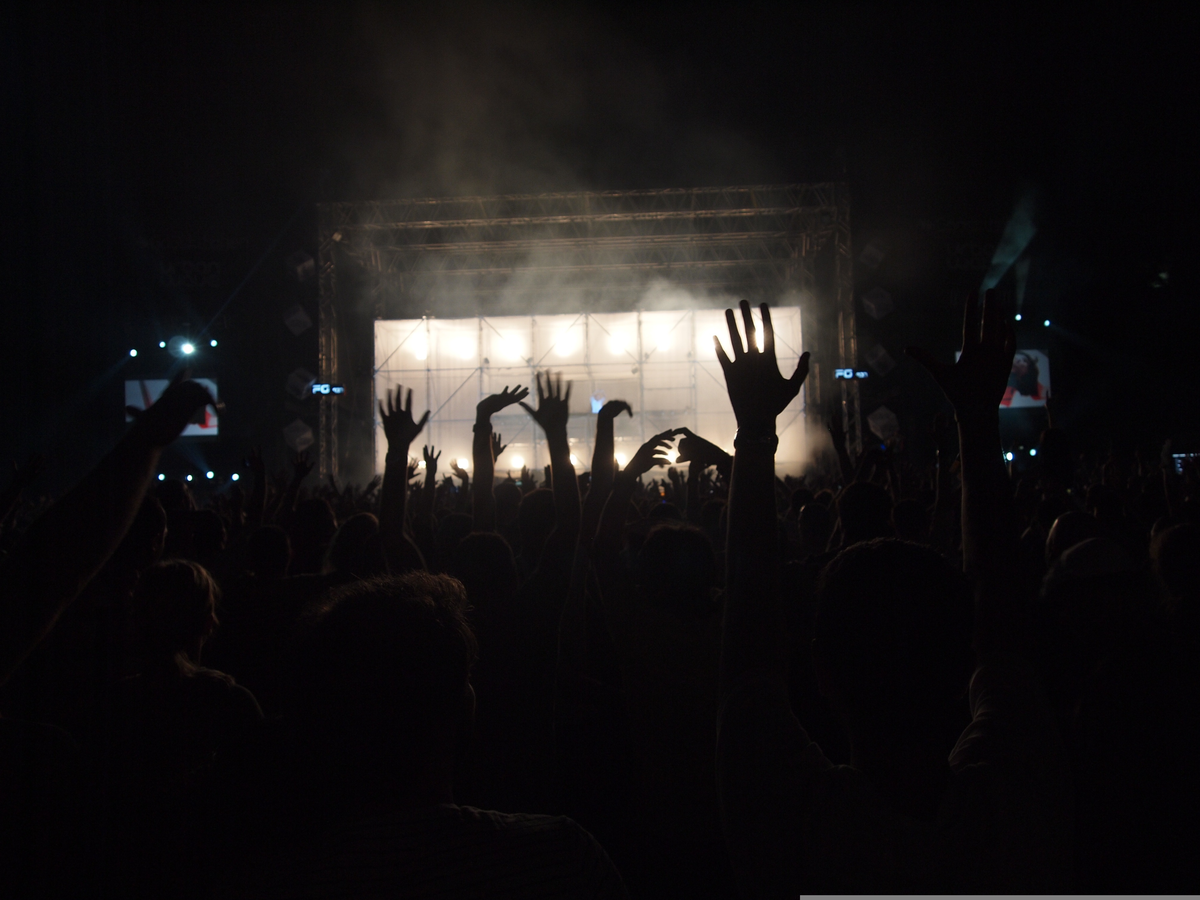
Atmosphere-wise, the crowd is its own experience. At a modern Jay-Z show, you’ve got twenty-somethings screaming Spotify favorites next to fans who remember buying Reasonable Doubt on CD. People rap full verses of "U Don’t Know" and "Nigga What, Nigga Who" word-for-word, then flip right into belting "Young Forever" with phone flashlights in the air. That multi-generational energy is rare, even in hip-hop.
Production usually stays sleek and minimal rather than overstuffed: sharp lighting cues, giant HD screens with clean, bold visuals, and a tight live band or DJ setup that keeps the focus on the bars. When Jay-Z is locked in, he doesn’t need pyro to make "Takeover" or "Lucifer" feel massive. His voice and the crowd response do most of the heavy lifting.
Setlist-wise, a lot of fans are specifically hoping any 2026 shows include more from 4:44 ("The Story of O.J.", "Smile", "Family Feud") and even callbacks to the Watch the Throne era. Online chatter often includes wishlists that look like: "Open with PSALM-91-style intro, drop straight into ‘U Don’t Know’, close with a three-song encore of ‘N***** In Paris’, ‘Encore’, and ‘Empire State of Mind’." Jay-Z obviously does whatever he wants — but historically, he’s paid attention to fan favorites and built them into his narrative.
What the web is saying:
Rumor Mill: What Fans Are Speculating
Spend ten minutes on r/hiphopheads, r/music, or r/popheads and you’ll see it: fans are absolutely convinced Jay-Z is cooking something. The theories fall into a few main lanes.
1. The "final classic" album theory
One of the biggest Reddit talking points is that Jay-Z is quietly working on one last full, cohesive solo album — not just a feature run, not a quick side collab, but a mature, reflective record that sits next to 4:44 as a kind of sequel or closing chapter. Users point to how much he’s talked about fatherhood, aging, and ownership, and how naturally that translates into late-career masterpieces in other genres. The argument: if anyone in hip-hop can deliver a graceful, powerful "last word" album, it’s him.
2. Surprise anniversary shows
Another popular theory links potential live dates to album anniversaries. Fans already celebrate key Jay-Z dates themselves — the release of Reasonable Doubt, The Blueprint, The Black Album — with resurfaced threads, playlists, and nostalgic think pieces. Some people believe Jay-Z (and Roc Nation) could be quietly planning a limited run of "one night only" album shows in major cities like New York, London, Los Angeles, and maybe Paris, performing records front-to-back.
Reddit users and TikTok creators have shared mock tour posters, fan-made lineups, and even fantasy guest lists: imagine "The Blueprint" live in NYC with surprise appearances from Kanye West (complicated, but people still fantasize), Beyoncé dropping in for "’03 Bonnie & Clyde", or a UK night where J. Cole, Giggs, or Skepta step out during specific songs.
3. The luxury-ticket drama
Any time a big-name artist announces dates now, ticket discourse goes nuclear, and fans expect Jay-Z to be no different. Even before anything is officially announced, people are already arguing about hypothetical prices. On TikTok, creators break down how much they’d pay for a floor seat vs. a nosebleed if Jay-Z played something like Madison Square Garden or The O2 in London. On Reddit, some insist he’ll lean into a more "heritage act" price point — expensive, but prestige — while others think he’ll try to keep a portion of tickets accessible for younger fans who’ve never seen him live.
4. Collab-heavy era loading
Then there’s the collab theory. Fans think we’re entering (or already in) a phase where Jay-Z appears in powerful, curated guest verses — especially on tracks with newer stars — rather than dropping a full solo project. This is already partially true: when he pops up, it becomes an event, and his features tend to be long, essay-like verses where he reflects on life and power. Some TikTok breakdowns argue that this is how he’ll keep shaping the culture without needing a 15-track album rollout.
5. Legacy moves around streaming and ownership
Finally, you’ve got the nerdier theory crowd: people watching his moves around streaming, catalog licensing, and brand partnerships. These fans think any big music move in 2026 — whether a tour, reissued vinyl, or deluxe versions of classic albums — will tie into a larger strategy about how his music lives online for the next few decades. Think curated playlists, upgraded masters, or exclusive drops tied to big platforms or live events.
None of this is officially confirmed, of course. But fan speculation itself is now part of the Jay-Z experience. The guesswork, the decoding, the "what if he did this?" energy — that’s how you know he’s still sitting firmly at the center of the culture, even when he’s quiet.
Key Dates & Facts at a Glance
Here are some essential Jay-Z facts and timeline points fans keep bookmarked:
- Birth name: Shawn Corey Carter
- Born: December 4, 1969, in Brooklyn, New York (Marcy Projects, Bedford-Stuyvesant)
- Debut album: Reasonable Doubt — originally released June 25, 1996 (now widely considered one of the greatest rap debuts ever)
- Breakthrough mainstream era: Late 1990s to early 2000s with albums like Vol. 2... Hard Knock Life and The Blueprint
- Retirement fake-out: Announced a "retirement" with The Black Album in 2003, then returned with Kingdom Come in 2006
- Key classic albums often referenced by fans: Reasonable Doubt (1996), Vol. 2... Hard Knock Life (1998), The Blueprint (2001), The Black Album (2003), American Gangster (2007), 4:44 (2017)
- Major collaborative projects: Watch the Throne with Kanye West (2011), Everything Is Love as The Carters with Beyoncé (2018)
- Headline-grabbing tours: The "Hard Knock Life" tour (late 1990s), "Watch the Throne" tour, "On the Run" and "On the Run II" with Beyoncé, plus numerous arena and festival headlining sets
- Awards: Multiple Grammy Awards across decades, including wins for work in the late ’90s, 2000s, 2010s, and beyond
- Business footprint: Founder of Roc-A-Fella Records (historically), co-founder of Roc Nation, major player in sports management, fashion, spirits, and other investments
- Streaming presence: Catalog widely available on major platforms globally, with certain historic windows of exclusivity in earlier years
- Live show reputation: Known for marathon-level breath control, minimal use of backing tracks, and a heavy focus on lyrical clarity and crowd engagement
- Fan hot spots: Massive bases in the US (especially New York, LA, Chicago), UK (London, Birmingham, Manchester), and across Europe
FAQ: Everything You Need to Know About Jay-Z
Who is Jay-Z and why do people call him Hov?
Jay-Z is Shawn Corey Carter, a rapper, songwriter, entrepreneur, and cultural icon from Brooklyn. He came up in the 1990s hustling independently after major labels initially passed on him, co-founding Roc-A-Fella Records to put out his own music. Over time he turned that underdog grind into one of the most dominant runs in hip-hop history.
The nickname "Hov" comes from "J-Hova", a play on "Jehovah", used in the context of his god-like status on the mic and in the rap game. It’s not about religious claims — it’s more about the way he was seen (and saw himself) as operating at the very top of the culture. Fans turned "Hov" into a shorthand: when people say "Hov did that so hopefully you won’t have to go through that," they’re quoting him as a kind of big-brother figure who already made the mistakes and took the risks.
What kind of music does Jay-Z make, and how has it changed over time?
At his core, Jay-Z is a hip-hop artist rooted in East Coast rap. Early on, he blended Mafioso storytelling, street realism, and slick wordplay over soulful, sample-heavy beats. Albums like Reasonable Doubt and The Blueprint defined that era: dusty drums, chopped soul samples, and razor-sharp verses about hustling, ambition, and paranoia.
As his career evolved, he experimented with bigger pop hooks (think "Hard Knock Life (Ghetto Anthem)", "Izzo (H.O.V.A.)", "Empire State of Mind") and darker, cinematic production ("D’Evils", "No Church in the Wild"). In the 2010s, particularly with 4:44, he shifted into a more stripped-back, mature sound — still soulful, but with an emphasis on vulnerability, generational wealth, Black ownership, infidelity, and healing. That evolution is a huge part of why younger fans still connect with him: he grew up in public instead of pretending to be 25 forever.
Is Jay-Z still touring or performing live in 2026?
As of early 2026, Jay-Z hasn’t locked into a traditional, months-long solo arena tour like some pop stars, but he is absolutely still performing. His live pattern in recent years has leaned toward high-impact appearances: festival headlines, curated special events, and select one-off shows. These are the kind of nights that trend worldwide as soon as he walks on stage.
Because he’s more selective now, fans treat every rumor seriously. If anything new pops up — a listing on a major venue site, a credible festival leak, or a hint dropped in a Roc Nation-related announcement — it spreads insanely fast. If you’re trying to catch him live, the best strategy is to follow official channels, stay plugged into Roc Nation updates, and keep an eye on major festival lineups in the US and UK.
Why are ticket prices for Jay-Z such a big discussion online?
Jay-Z sits at the intersection of legendary status and modern touring economics, and that’s exactly where ticket controversies live. Fans know he can sell out arenas and stadiums, so they expect prices to be steep. But there’s also a core belief that hip-hop — especially artists with stories like his — should remain reachable for everyday fans, not just VIP packages and corporate boxes.
Whenever people even imagine a new Jay-Z tour, debates start: what’s a fair price for seeing one of the greatest rappers ever? Should there be standing-room-only sections for hardcore fans, or is everything seated now? Will dynamic pricing push regular listeners into resale hell? These conversations often reflect bigger worries about live music in general, but Jay-Z sits right in the crossfire because his shows feel historic and "once in a lifetime" for newer generations.
How does Jay-Z perform compared to newer rappers?
One of the most common comments from younger fans who see him live for the first time is: "Yo, he actually raps every word." In an era where a lot of shows lean heavily on backing tracks and hype, Jay-Z’s performance style is old-school in the best way. He focuses on breath control, timing, and clarity, often delivering long stretches of verses with minimal breaks.
He doesn’t need wild choreography or constant outfit changes. The show is about command: pacing the set, talking to the crowd, reacting to which songs get the loudest response, and adjusting mid-show if he feels like giving people something special. That’s why seasoned concert-goers often rank a good Jay-Z night alongside legendary rock or pop acts — the professionalism and control are on that level, just with different music and culture wrapped around it.
Why do fans keep asking for full-album shows from Jay-Z?
Album anniversaries have become a big thing across genres, and Jay-Z’s catalog is practically built for it. Records like The Blueprint, Reasonable Doubt, and The Black Album are so cohesive that fans want to experience them front-to-back in the order they were made. Online, you’ll see fans swap rankings and say things like, "I’d pay anything to see Reasonable Doubt live with a band in a small theater."
There’s also nostalgia involved. Millennials who grew up with Jay-Z as the soundtrack to high school, college, or early adulthood now have the money and freedom to travel and chase those bucket-list shows. For Gen Z listeners who discovered him through streaming, a full-album night would feel like stepping into a history lesson and a live party at the same time.
How important is Jay-Z in hip-hop culture today?
Even if he never released another song, Jay-Z would remain a central figure in how people talk about hip-hop. He’s a blueprint (no pun intended) for how a rapper can evolve from street-level hustler to global businessman without completely abandoning the art. Artists reference him constantly — in lyrics, in interviews, in how they structure their own careers.
For fans, especially in the US and UK, Jay-Z represents a full arc: struggle, skill, success, mistakes, growth, and reflection. Younger artists might chase viral moments, but they still measure long-term success against names like his. That’s why the conversation around his next move is so intense: everyone understands that every new show, feature, or project is another piece of a legacy that’s already sitting at the top tier of music history.
So schätzen die Börsenprofis Aktien ein!

Für. Immer. Kostenlos.