
Interpublic Group stock faces industry shakeup amid advertising market volatility and client spending shifts
26.03.2026 - 01:47:18 | ad-hoc-news.de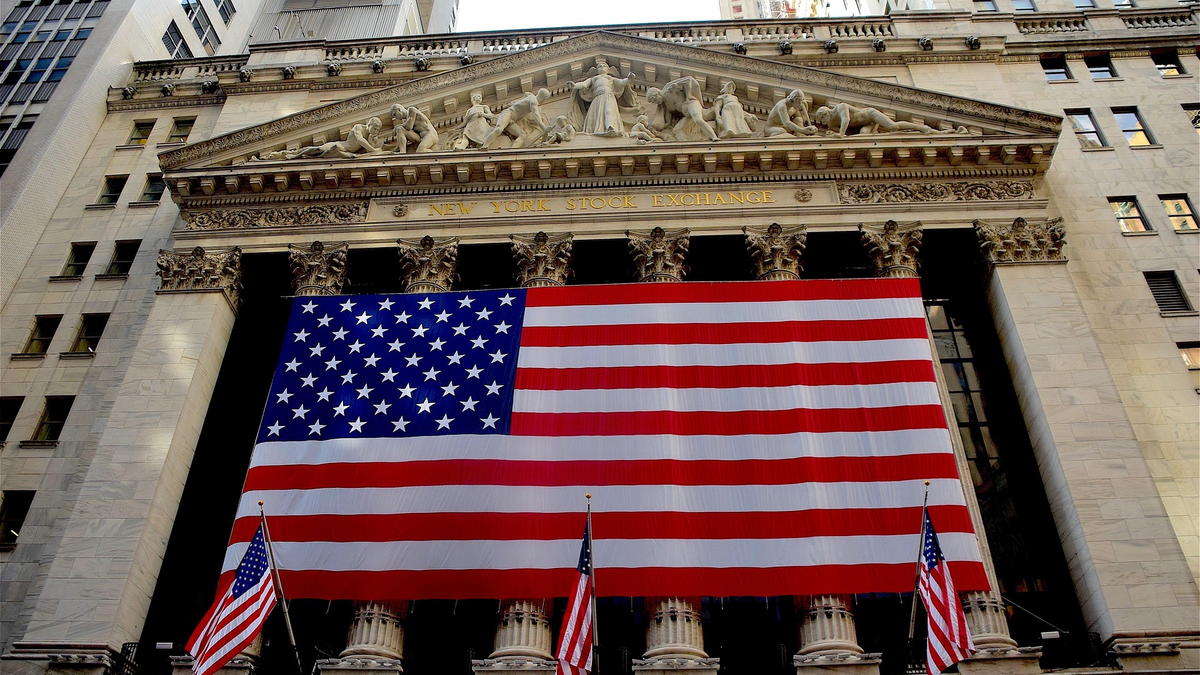
The Interpublic Group of Companies, Inc., known as IPG, stands at a pivotal moment in the advertising industry. As one of the world's largest advertising holding companies, IPG manages a portfolio of agencies serving major global brands. Recent market dynamics, including shifts in client budgets toward digital and performance marketing, have put pressure on traditional agency models. Investors are closely monitoring IPG's ability to adapt amid broader economic headwinds.
As of: 26.03.2026
Elena Voss, Senior Advertising Sector Analyst: In a landscape where AI-driven ad tech disrupts traditional creative services, IPG's strategic positioning will determine its resilience for US portfolios.
Recent Industry Shakeup Triggers IPG Stock Volatility
The advertising sector is undergoing a profound transformation, with holding companies like IPG caught in the crosscurrents. Clients are reallocating budgets from legacy TV and print to programmatic digital, social media, and data-driven campaigns. This shift favors tech-savvy agencies but challenges IPG's diverse portfolio, which includes creative powerhouses like McCann Worldgroup and media specialists like Mediabrands.
Over the past week, reports of major client reviews have circulated, prompting speculation about account shifts that could impact revenue streams. While no specific IPG client losses have been confirmed, the industry-wide consolidation signals caution. IPG's stock has reflected this uncertainty, trading on the New York Stock Exchange in US dollars, with investors eyeing its exposure to consumer discretionary spending.
IPG's scale provides a buffer, with operations spanning over 100 countries and billings exceeding tens of billions annually. However, the pace of digital disruption requires ongoing investment in capabilities like retail media networks and connected TV attribution. For US investors, this means assessing whether IPG's reinvestment cycle supports long-term earnings growth or erodes near-term margins.
Official source
Find the latest company information on the official website of Interpublic Group.
Visit the official company websiteClient Spending Patterns Reshape Revenue Outlook
Advertising holding companies derive revenue primarily from commissions, fees, and incentives tied to client media spend. IPG's clients include blue-chip names across consumer goods, automotive, and tech sectors. Recent economic softening has led to cautious budget planning, with marketers prioritizing measurable ROI over brand-building campaigns.
In the US market, which accounts for roughly half of IPG's revenue, consumer confidence indicators point to selective spending. Tech giants and CPG leaders are consolidating agency relationships to cut costs, potentially favoring larger players like IPG but at lower fee rates. This dynamic pressures organic growth, pushing management toward acquisitions or share buybacks to bolster returns.
IPG's diversified agency network allows flexibility, but integration challenges persist. Investors should note the rising importance of performance marketing units within IPG, which promise higher margins but require upfront tech investments. For portfolios heavy in communication services, IPG represents a play on advertising cyclicality tied to GDP growth.
Sentiment and reactions
Digital Transformation Demands Heavy Capex
IPG is accelerating investments in ad tech platforms to compete with independent martech firms. Acquisitions like Acxiom have bolstered data capabilities, but ongoing R&D is essential for competing in a landscape dominated by Google, Meta, and Amazon ad ecosystems. This capex intensity could weigh on free cash flow in the near term.
US investors focused on software-like margins in services will scrutinize IPG's progress. Traditional agency fees hover around 10-15% of billings, while digital performance arms target 20% plus. Success hinges on client adoption of IPG's proprietary tools, amid privacy regulations like CCPA and GDPR complicating data strategies.
The company's global footprint mitigates US-centric risks, but currency fluctuations add volatility. With shares listed on the NYSE in USD, exchange rate impacts on international revenue bear watching, especially as emerging markets contribute growing portions of billings.
Why US Investors Should Track IPG Now
For American portfolios, IPG offers exposure to the $800 billion-plus US advertising market, projected to grow at mid-single digits annually. As a bellwether for discretionary spending, IPG's quarterly results preview broader consumer trends. Dividend yields and buyback programs enhance appeal for income-oriented strategies.
Unlike pure tech plays, IPG blends stability from blue-chip retainers with upside from digital expansion. US regulatory scrutiny on ad tech antitrust issues could create opportunities or headwinds, positioning IPG at the intersection of policy and innovation. Long-term, generational shifts in media consumption favor adaptable incumbents.
Portfolio diversification benefits from IPG's low correlation to high-growth tech, providing balance during market rotations. Active managers tracking communication services will value IPG's management track record in navigating cycles.
Further reading
Further developments, updates and company context can be explored through the linked pages below.
Competitive Landscape and M&A Activity
IPG competes with WPP, Omnicom, and Publicis in a consolidating industry. Recent M&A, including Publicis' Epsilon deal, highlights the premium on data assets. IPG's strategy emphasizes organic tech development alongside bolt-on buys, aiming to preserve balance sheet flexibility.
US investors note IPG's favorable tax position post-reforms, supporting capital returns. Peer valuation multiples, often in the 10-12x earnings range, provide a benchmark. Upside scenarios involve successful AI integration for personalized campaigns, potentially lifting multiples.
Key Risks and Open Questions
Macroeconomic slowdowns pose the largest threat, as ad budgets are highly elastic. Recessionary environments cut discretionary spend first, hitting agencies hardest. Geopolitical tensions could disrupt global campaigns, particularly in Europe and Asia.
Regulatory risks around data privacy and antitrust loom large. Talent retention in a competitive creative labor market adds execution risk. Investors must question if IPG's transformation pace matches disruptors like The Trade Desk or ByteDance.
Valuation discipline is crucial; overpaying for tuck-in deals could dilute returns. Open questions include Q1 billing trends and guidance updates, which will calibrate 2026 expectations.
Disclaimer: This is not investment advice. Stocks are volatile financial instruments.
So schätzen Börsenprofis die Aktie ein!

Für. Immer. Kostenlos.


