HNO doctor in Berlin Steglitz / Lankwitz: comprehensive ENT care with a personal touch
02.04.2026 - 07:07:02 | ad-hoc-news.de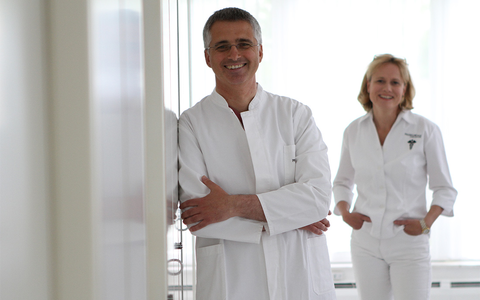
Finding an HNO doctor in Berlin Steglitz / Lankwitz who really listens, explains clearly and offers modern ENT diagnostics can feel challenging, especially if you are anxious about examinations or prefer to speak in your mother tongue. At HNO Praxis Berlin, run by Dr. Dr. Cyrus Djamchidi, patients from Steglitz, Lankwitz and the wider district of Steglitz?Zehlendorf are welcomed in a practice that presents itself as personal, thorough and far from an assembly?line feeling, according to the practice’s own information.[^1]
The practice is geared towards people who appreciate a calm, structured appointment, want to understand what is happening step by step, and may be dealing with recurring problems such as sinus pressure, middle ear discomfort, throat irritation or allergies. It is also a clear point of contact for Persian?speaking residents of Berlin, as Dr. Djamchidi is fluent in Farsi (Persian) and specifically addresses this community on his website.[^1]
Learn more about your HNO doctor in Berlin Steglitz / Lankwitz and the practice profile here
Book an appointment online via Doctolib
Online booking via Doctolib makes it easier to secure an appointment without having to call during practice hours. On the Doctolib page "Praxisclinic HNO Berlin – Steglitz", you can choose from the available time slots and, if needed, manage or reschedule appointments digitally.[^2] This is particularly convenient for people who work irregular hours or organize appointments for the whole family.
The practice location as listed is in the south?western part of Berlin, close to the S?Bahn line in Steglitz and with good connections to Lankwitz and the wider Steglitz?Zehlendorf district.[^1] According to the practice information, parking options are available near the building, which can be a relief if you are coming by car and may not feel like searching for a spot with a sore ear or sinus discomfort.[^1]
Mother?tongue communication: Farsi / Persian as a real advantage
For many Berliners with a Persian background, speaking about health issues in German can feel limiting, especially when it comes to subtle symptoms, fears or previous medical histories. According to the practice, Dr. Dr. Cyrus Djamchidi is fluent in Farsi (Persian) and specifically highlights this on his site, inviting Persian?speaking patients to address their concerns in their mother tongue.[^1]
Being able to describe pain, dizziness or noise in the ears in one’s own language is more than just a convenience. Studies and expert statements from health communication research indicate that language congruence between physician and patient can reduce misunderstandings and increase satisfaction with care, because nuances and cultural references are easier to express.[^3] This can be particularly important in ENT (otolaryngology), where symptoms such as pressure, ringing or changes in taste and smell often need precise description.
In addition, for older family members who may not be fully comfortable with German, the possibility to speak Farsi can lower the threshold for actually booking a consultation. Relatives who accompany them do not have to translate every sentence, and the conversation can focus more on medical content and practical next steps. The practice positions itself, according to its public information, as a place where this multilingual communication is part of everyday routine rather than an exception.[^1]
For the Persian?speaking community in Berlin, this combination – an ENT specialist who also understands cultural references, family structures and typical concerns in Farsi – can make the difference between postponing a visit and seeking early support when a symptom first appears.
Dual qualification: medicine, dentistry and ENT specialization
One of the central professional features of Dr. Dr. Cyrus Djamchidi is his dual licensure: according to his official profile, he is both a licensed physician and a licensed dentist and also a specialist in ear, nose and throat medicine.[^1] This is relatively rare and may offer practical benefits in the region where ENT, dental and jaw structures meet.
The sinuses, nasal passages, upper jaw and teeth are anatomically close. The maxillary sinuses, for example, lie directly above the roots of the upper molars.[^4] A tooth infection in the upper jaw can sometimes affect the maxillary sinus and vice versa; in medical literature this is referred to as odontogenic sinusitis.[^4] While such conditions always require individual assessment, a practitioner who is trained both in dentistry and ENT is particularly familiar with both domains.
In practical terms, this can help in structured diagnostics: When a patient reports pressure under the cheekbone and tooth discomfort, it can be important to consider whether the main cause might be sinus?related, dental or a combination. Evidence?based guidelines emphasize the importance of differentiating sinus disease from dental causes to avoid unnecessary treatments.[^4] A dual?qualified physician can integrate both perspectives when deciding which further steps – for example radiological imaging or cooperation with other specialists – might be useful. No general treatment recommendations can be given here, but the overlap of competencies can help in forming a more complete picture.
According to the practice’s public information, ENT care is the core focus, including diagnostics in the areas of nose, sinuses, throat, middle ear and larynx.[^1] For patients, this means they can expect the usual spectrum of ENT examinations, underpinned by a background that includes dental and oral anatomy. It should be emphasized that this does not replace the role of a treating dentist for purely dental problems; rather, it can complement ENT diagnostics in those cases where the border region between teeth, jaws and sinuses is relevant.
Affiliation with DRK Kliniken Berlin Westend: what “attending physician” typically implies
On its profile, the practice mentions that Dr. Dr. Cyrus Djamchidi works as an attending or affiliated physician at DRK Kliniken Berlin Westend.[^1] On the hospital’s official site, the ENT department is described as offering diagnostics and treatment for a broad range of otolaryngological conditions and surgical procedures.[^5] An attending or affiliated physician is generally a specialist who is not a fully employed hospital staff member but has the right to treat their own patients in the hospital, often for specific procedures or inpatient care.[^6]
This dual activity – practice?based care and clinical cooperation – can be relevant for patients who might one day need surgical ENT procedures. While every case is different and there is no guarantee that surgery will be done by a specific person, collaboration with a well?known hospital such as DRK Kliniken Berlin Westend, which is part of the DRK (German Red Cross) hospital group, signals an integration into the wider medical network of the city.[^5] According to general descriptions of attending physician models in Germany, such affiliations often allow for continuity of care: pre? and post?treatment can be coordinated between practice and clinic, and diagnostic findings can be shared more efficiently.[^6]
For patients from Steglitz, Lankwitz and broader Berlin, this can provide a sense of security that, if a hospital stay or surgery is needed, the ENT specialist they already know from the practice may be involved in planning and, where structures permit, in parts of the clinical process.
Atmosphere and approach: family?like, modern, no assembly?line feel
On its own channels, the practice presents itself as a modern, patient?oriented ENT clinic that aims to avoid a rushed, anonymous vibe. According to the practice website, the team focuses on a family?like atmosphere, personal communication and the feeling of being taken seriously rather than being processed in quick succession.[^1] While such statements are, of course, the practice’s self?description, they give an impression of the values guiding daily work.
Modern ENT care usually includes tools such as endoscopic examinations of the nose and throat, hearing tests in an acoustically shielded environment and, depending on the practice and indication, additional functional tests.[^7] The practice describes itself as technically up to date and embedded in a specialist medical center environment.[^1] For patients, this can translate into shorter pathways when additional diagnostic steps are necessary and cooperation with other disciplines on site.
In terms of service, transparent scheduling, explanations in understandable language and a structured approach to findings are central aspects repeatedly highlighted in patient satisfaction research in ENT and other specialties.[^8] Although individual experiences always vary, the way a practice speaks about itself can be a clue that these aspects are taken seriously. According to its website, HNO Praxis Berlin emphasizes precisely this clarity and sufficient time for consultation.[^1]
Accessibility and parking: honest information before you come
Before deciding on a practice, many people want to know whether the premises are easily accessible, especially if they use a wheelchair, walker or stroller. According to its own information, HNO Praxis Berlin is not barrier?free; the building does not have an elevator, and the practice rooms are located on an upper floor.[^1] For people with limited mobility, this is essential information and allows them to decide in advance whether the stairs are manageable or whether another solution is needed.
The open communication about the lack of an elevator fits into a broader trend of greater transparency regarding accessibility in German healthcare facilities, encouraged by patient advocacy groups.[^9] It allows patients to plan realistically and, where necessary, discuss alternatives by phone before scheduling. This transparent approach can be especially important if you are bringing elderly relatives to the appointment.
Regarding arrival by car, the practice notes that parking is available in the area of the building.[^1] In busy areas of Berlin such as Steglitz and Lankwitz, where street parking can be tight, this is a practical advantage. If you are sensitive to noise or feel unwell because of dizziness or ear problems, being able to park nearby often makes the way to the practice less stressful. For detailed directions and current notes on public transport connections, the practice recommends checking the contact section of its website.[^1]
Appointment organization and opening hours
According to the information provided via Doctolib, the practice offers appointments on weekdays; specific time slots are visible directly in the online booking system.[^2] The presence of Saturday appointments sometimes depends on the week and demand; on the Doctolib page, you can see on which days Saturday appointments are currently offered, if any are available, and choose accordingly.[^2] Because opening hours and special consultation times may change, it is advisable to always rely on the latest data on Doctolib or on the practice’s own website.
Online appointment booking through portals like Doctolib has become a widespread service in Berlin’s outpatient care and is appreciated by patients who prefer to select an appointment quietly at home rather than phoning during a busy workday.[^10] In the case of HNO Praxis Berlin, this option is clearly established and can also minimize waiting times on the phone.
If you need urgent ENT assessment, for example for acute ear pain or sudden hoarseness, you can check for the nearest available time slot online. For emergencies outside practice opening hours, general emergency numbers and the on?call medical service remain the correct points of contact; information about this is provided by the Kassenärztliche Vereinigung Berlin and other official sources.[^11]
Who might feel especially at home in this ENT practice?
Patients who feel anxious about any kind of medical examination, especially those involving the nose, throat or ears, often look for an ENT doctor who works calmly and explains each step. According to practice information, HNO Praxis Berlin places value on an unhurried, respectful atmosphere, where questions are explicitly welcome.[^1] For instance, before an endoscopic look into the nose or throat, it is typically helpful when a physician briefly explains what instrument is used and how long it will take. Patient?centered communication of this kind has been associated in studies with lower anxiety and higher satisfaction.[^8]
The practice may also be a good fit for families in Steglitz, Lankwitz and surrounding neighborhoods who want to bring children and older relatives to the same ENT doctor. Although the website does not explicitly present itself as a pediatric ENT clinic, ENT practices in Germany commonly see both adults and children, and the family?like tone signals that all age groups are welcome.[^1][^7]
Another group that may benefit from this setting are people with complex symptom constellations around sinuses, jaw and teeth. While every case needs individual diagnostics and interdisciplinary evaluation, having a dual?qualified physician may help in integrating ENT and dental perspectives when deciding on further steps.[^1][^4]
Finally, Berliners of Persian origin or people who prefer to speak Farsi in medical contexts may find in HNO Praxis Berlin a rare combination of ENT specialization, dual medical?dental background and mother?tongue consultation.[^1][^3] For many, this can create a feeling of cultural familiarity, which in turn can make it easier to talk openly about health worries that might otherwise remain unspoken.
Medical focus areas typically seen in an ENT practice
While each practice may emphasize different aspects, ENT (otolaryngology) as a specialty usually covers conditions of the ear, nose, paranasal sinuses, throat, larynx and parts of the head and neck region.[^7] The German ENT professional society describes the scope of care as ranging from acute infections and hearing loss to dizziness, allergies involving the upper airways and voice disorders.[^7]
According to the HNO Praxis Berlin website, patients can expect evidence?based diagnostics in the classic ENT spectrum, including issues with the sinuses, nasal breathing, middle ear, hearing, throat and vocal cords.[^1] In Berlin, ENT practices often work closely with radiology, allergology and, where necessary, phoniatrics or speech therapy.[^7] The practice’s embedding in a specialist medical center environment, as stated on its site, suggests easy pathways to such cooperation.[^1]
It is important to emphasize that this article cannot make any treatment promises or individual recommendations. If you have specific symptoms – for example, muffled hearing, recurring nosebleeds or a persistent foreign?body sensation in the throat – you should contact a qualified ENT specialist for personal evaluation. HNO Praxis Berlin positions itself as a contact point for such concerns in the Steglitz / Lankwitz region.[^1]
Practical information: address, district and how to get there
According to the practice website, HNO Praxis Berlin with Dr. Dr. Cyrus Djamchidi is located in the south?western part of the city, in Berlin?Steglitz, not far from the border to Lankwitz and within the district of Steglitz?Zehlendorf.[^1] The exact address, phone number and map are clearly listed in the contact section of the site.[^1] Because addresses or telephone extensions can change over time, it is advisable to always check the current information directly on the official website before your first visit.
Public transport in Steglitz?Zehlendorf is typically served by S?Bahn, U?Bahn and several bus lines, which makes the practice reasonably accessible from other parts of Berlin as well.[^12] For detailed connections (such as lines and travel times), the BVG journey planner is the most reliable source, as it is updated continuously.[^12] The practice itself recommends that new patients look up the route in advance to allow for a relaxed arrival.[^1]
Because of the non?barrier?free situation in the building (no elevator), people with mobility limitations may wish to call the practice in advance and clarify whether the stairs are manageable for them or whether another option is preferable.[^1] Such a brief clarification can prevent unpleasant surprises on the day of the appointment.
Insurance status and billing: what is known
Many Berlin ENT practices treat both statutory and privately insured patients, but the exact billing modalities can vary.[^13] On its website, HNO Praxis Berlin provides information about accepted insurance types and billing procedures.[^1] Because this may change over time, and because details can depend on your specific health insurance plan, it is safest to check the current information on the practice website or to ask directly by phone.
In general, ENT care in Germany is part of the standard outpatient system, and for statutory insured persons, costs for medically necessary examinations are usually covered when the practice is licensed for statutory care.[^13] For private patients, reimbursement depends on the individual tariff and insurance conditions. If you have questions about potential co?payments or services that may not be covered, clarifying them before or during the first appointment can help to avoid surprises.
How the practice presents its philosophy of care
According to its public self?description, HNO Praxis Berlin emphasizes individual, patient?centered care with sufficient time for conversation and explanation.[^1] This aligns with recommendations from medical quality initiatives, which highlight shared decision?making – the joint weighing of diagnostic and therapeutic options – as a key element of modern care.[^8] For you as a patient, this can mean that your preferences and concerns are actively taken into account when planning next steps.
The combination of practice?based care, multilingual communication and cooperation with a clinic like DRK Kliniken Berlin Westend suggests that the practice is oriented towards continuity: from initial consultation, through diagnostic clarification, to potential further steps that may involve other specialists or inpatient treatment.[^1][^5][^6] Again, no specific course can be predicted in advance, but the structure provides a framework for coordinated care.
Preparing for your first visit
If you are planning your first appointment at HNO Praxis Berlin, it can be useful to bring previous ENT or dental findings, discharge letters from hospitals and a list of medications you regularly take. Health services research shows that having this information at hand can improve continuity and reduce duplicate examinations.[^14] For Persian?speaking patients, it may be especially helpful to think in advance about which terms or previous diagnoses you know in German and which you prefer to express in Farsi, so that nothing important gets lost.
If you are sensitive to certain sprays or local anesthetics, it is advisable to mention this early in the consultation. ENT examinations sometimes involve topical anesthetic or decongestant agents, and knowing about sensitivities helps the physician adapt as needed.[^7] These are general considerations that apply to many ENT practices and do not replace individual medical advice.
Closing: a local ENT address in Berlin?Steglitz with a multilingual, integrative profile
For residents of Steglitz, Lankwitz and the broader Steglitz?Zehlendorf area who are looking for an ENT doctor in Berlin with a personal approach, multilingual consultation options and cooperation with a major clinic, HNO Praxis Berlin with Dr. Dr. Cyrus Djamchidi offers a clearly profiled option.[^1][^5] The blend of ENT specialization, dual qualification in medicine and dentistry, affiliation with DRK Kliniken Berlin Westend and Farsi?language capacity creates a framework that is particularly interesting for patients with complex questions or with a Persian migration background.
If you would like to get a first impression, you can find more detailed information, including address, directions and information about insurance, on the official practice website.[^1] For up?to?date available appointments, especially if you are looking for slots that might include Saturday when offered, you can book directly via Doctolib.[^2]
Book an appointment online via Doctolib
Whether you come because of recurring sinus pressure, sudden ear noises, throat irritation or simply for a careful ENT check?up: a structured, respectful consultation can make a big difference in how you experience medical care. HNO Praxis Berlin positions itself as a place where this experience is central – for German?speaking and Persian?speaking patients alike.[^1][^3]
Internal guide: When sinus pressure becomes a daily burden
Internal guide: Coping with anxiety before medical appointments
Internal guide: Healthcare options in Berlin?Steglitz at a glance
Image idea: Bright, modern ENT examination room in Berlin?Steglitz with an otolaryngology chair and endoscopic equipment, conveying calm and order.
Image idea: Friendly portrait of Dr. Dr. Cyrus Djamchidi in a white coat in the practice corridor, with subtle signage indicating HNO Praxis Berlin.
Image idea: Waiting area with a family (including an older relative) seated comfortably, hinting at a family?like, multilingual practice atmosphere.
Sources
[^1] https://www.praxisclinic.de/ueber-mich/index.php/ – Praxisclinic HNO Berlin Steglitz – Accessed 2026-04-01
[^2] https://www.doctolib.de/praxis/berlin/praxisclinic-hno-berlin-steglitz – Praxisclinic HNO Berlin – Doctolib booking page – Accessed 2026-04-01
[^3] https://pubmed.ncbi.nlm.nih.gov/21809932/ – Karliner et al., Do professional interpreters improve clinical care for patients with limited English proficiency? – Health Serv Res – Accessed 2026-04-01
[^4] https://www.ncbi.nlm.nih.gov/pmc/articles/PMC4991627/ – Patel & Ferguson, Odontogenic sinusitis: An ancient but under?appreciated cause of maxillary sinusitis – Int Forum Allergy Rhinol – Accessed 2026-04-01
[^5] https://www.drk-kliniken-berlin.de/westend/ – DRK Kliniken Berlin Westend – Official hospital site – Accessed 2026-04-01
[^6] https://www.bundesaerztekammer.de/patienten/arzt-und-patient – Bundesärztekammer: Informationen zum Behandlungsvertrag und zu Praxis-/Belegärzten – Accessed 2026-04-01
[^7] https://www.hno.org/de/patienten/was-macht-der-hno-arzt.php – Deutsche Gesellschaft für HNO-Heilkunde: Was macht der HNO-Arzt? – Accessed 2026-04-01
[^8] https://www.aerzteblatt.de/archiv/173237/Shared-Decision-Making-in-der-aerztlichen-Praxis – Deutsches Ärzteblatt: Shared Decision Making in der ärztlichen Praxis – Accessed 2026-04-01
[^9] https://www.patientenbeauftragte.de/presse/pressemitteilungen/barrierefreiheit-im-gesundheitswesen-staerken – Patientenbeauftragte der Bundesregierung: Barrierefreiheit im Gesundheitswesen stärken – Accessed 2026-04-01
[^10] https://www.kbv.de/html/1150_52046.php – Kassenärztliche Bundesvereinigung: Online-Terminvergabe in Arztpraxen – Accessed 2026-04-01
[^11] https://www.kvberlin.de/patienten/ich-brauche-einen-arzt/notfall – Kassenärztliche Vereinigung Berlin: Notfallversorgung und Arztruf 116117 – Accessed 2026-04-01
[^12] https://www.bvg.de – Berliner Verkehrsbetriebe (BVG) – Fahrinfo Berlin – Accessed 2026-04-01
[^13] https://www.verbraucherzentrale.de/wissen/gesundheit-pflege/arztrechnungen-und-privatversicherungen/arztbesuch-und-krankenversicherung-was-kostet-das-13238 – Verbraucherzentrale: Arztbesuch und Krankenversicherung – Accessed 2026-04-01
[^14] https://www.ncbi.nlm.nih.gov/pmc/articles/PMC1495199/ – Kripalani et al., Promoting effective transitions of care at hospital discharge – J Hosp Med – Accessed 2026-04-01
So schätzen die Börsenprofis Aktien ein!

Für. Immer. Kostenlos.