
Green Day 2026: Tour Hype, Setlists, Rumors & Receipts
20.02.2026 - 22:48:01 | ad-hoc-news.de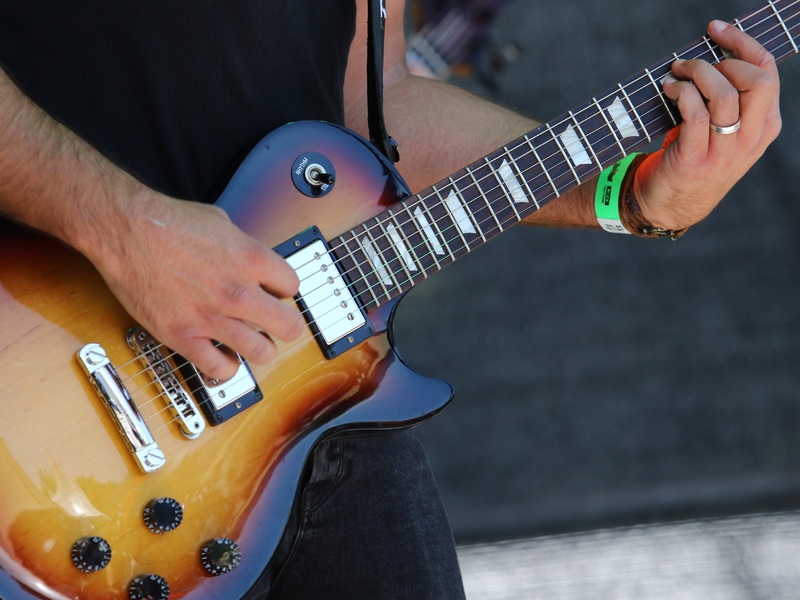
If your feed feels extra loud with Green Day right now, you're not imagining it. Between fresh tour dates, surprise deep cuts sneaking into setlists, and fans dissecting every Billie Joe post for clues, the Green Day universe is in full chaos mode again – the good kind. Tickets are flying, Reddit is arguing, TikTok is screaming, and everyone wants to know: if you go see Green Day in 2026, what kind of show are you actually walking into?
See the latest official Green Day tour dates and tickets
Think stadium-sized singalongs, mosh pits that feel strangely wholesome, and three guys in their fifties playing like they still have something to prove. Whether you grew up on Dookie, got pulled in by American Idiot, or you're a Gen Z fan who found them through TikTok edits, this era is built to hit every version of you at once.
The Backstory: Breaking News in Detail
The current Green Day buzz didn't just appear out of nowhere. Over the past months, the band have been stacking announcements: fresh tour legs, festival headlines, and a run of dates that are clearly designed to keep the momentum going in the US, UK, and across Europe. If you check the official site, you'll see a long list of arena and stadium shows with more than a few "special guests to be announced" tags that have fans speculating nonstop.
In recent interviews with rock and pop outlets in both the US and UK, Billie Joe Armstrong has been leaning into that classic Green Day mix of chaos and control. He's talked about how the band still wants their shows to feel slightly dangerous and unpredictable, but with a level of detail they never had in the 90s. You'll see that in how the nights are being built: carefully paced setlists, recurring punk anthems, but also rotating songs that keep hardcore fans guessing.
On the touring front, the pattern is clear. They're stacking big city anchor dates – think New York, Los Angeles, London, Manchester, Berlin – with a few smaller market stops that feel almost like a nod to the early days of van tours and tiny clubs. Ticket tiers are following the post-COVID norm: standard GA and seated, a couple of premium or VIP experiences, and variable pricing that has fans watching presale codes like it's a sport.
Fan chatter over the past few weeks has locked onto a couple of things:
- How long the shows are running (spoiler: generous by punk standards, usually pushing around two hours).
- Which albums are getting the most love in the setlist.
- Whether this run is teeing up a bigger release cycle or anniversary drop.
Some of the most shared commentary comes from people who have caught the first wave of dates. They describe a band that looks energised instead of nostalgic, with Billie Joe constantly talking directly to the crowd about politics, growing up, and how weird it is to watch kids filming mosh pits on their phones. Mike Dirnt and Tré Cool aren't just background players here either; their stage presence and banter have been repeatedly highlighted in fan reviews and social clips.
From a fan perspective, the "why now?" is simple. Green Day sit in that rare spot where they're legacy and current at the same time. They're a Spotify-core band for teenagers and an "I saw them in '94" badge of honour for older fans. By leaning into tours that mash eras together instead of doing a single-album nostalgia run, they're giving you a reason to show up even if you've seen them three or four times already. The implication: miss this run, and you might miss the moment where their classic catalog and present tense collide in the biggest way they have in years.
The Setlist & Show: What to Expect
Let's get to the thing you really care about: what are they actually playing?
Recent Green Day setlists have followed a loose spine that anchors the night with songs everybody in the building can scream, then rotates deep cuts and newer tracks depending on the city. The opening run has often leaned on pure adrenaline: think American Idiot firing off early, with Holiday or Know Your Enemy coming in quick to lock the crowd in. That trio alone can turn the floor into a moving mass before the first ten minutes are over.
From there, the band tend to pivot into Dookie territory. Basket Case, Longview, When I Come Around, and Welcome to Paradise are basically non-negotiable at this point, and fan reports say they still hit as hard as they did on old MTV footage. What's interesting is how they're framing those songs now: less "here's the old hits" and more "this is still our spine". In some cities, they've been slipping in Burnout or She as surprises, which sends the longtime fans in the front rows into full meltdown.
Mid-show is usually where the band stretch out a bit. Expect:
- At least one acoustic moment – often Billie Joe solo with an acoustic guitar doing Good Riddance (Time of Your Life) or another slower track, and occasionally inviting a fan up on stage.
- A run of American Idiot era deep cuts – songs like Jesus of Suburbia or St. Jimmy that let the band jam and the crowd scream every single lyric.
- Rotating newer material, which gives you a sense of where Green Day's head is now rather than where they were twenty years ago.
Visually, the shows are bigger than the scrappy club days but still feel very "band-first". You get pyro and confetti, sure, but the focus is on the three core members and a touring lineup that locks the sound down. Billie Joe spends a lot of time at the very front of the stage, pointing out people in the crowd, reading signs, and demanding circle pits. Tré Cool's drum riser and Mike Dirnt's bass tone remain their own characters in the show.
Atmosphere-wise, don't be surprised if you end up next to a 16-year-old in a thrifted vintage tee on one side and a 40-year-old in a faded original Insomniac shirt on the other. Green Day have always drawn mixed generations, but this current run is making that split even clearer. TikTok has pulled a new wave of fans in with edits set to Wake Me Up When September Ends, 21 Guns, and older tracks like Brain Stew. Those same fans are now screaming the words in real life, shoulder-to-shoulder with people who remember buying the CDs on release day.
Some recent shows have also included quick covers or references woven into intros and outros – tiny snippets of classic punk and rock songs that remind you of the band's roots. It's not a full cover set, but it's enough to send guitar nerds and older fans into "did they just do that?" mode.
If you're the type who checks setlist sites before going, you'll see patterns but also enough chaos to keep things interesting. Green Day know fans track every move now. They lean into that by swapping a couple of songs per night, making certain cities feel "blessed" with rarities, and giving people a reason to compare notes online after.
What the web is saying:
Rumor Mill: What Fans Are Speculating
You can't have a Green Day era without conspiracy-level fan theories, and the current cycle is stacked with them. Scroll Reddit threads or TikTok comments and you'll see the same questions pop up over and over again.
1. Is there another album or special release coming?
Any time the band start extending tours or sprinkling in new material, the "secret album" talk kicks in. Fans have been pausing interviews and scanning social posts for hints – outfit repeats, background studio shots, offhand comments about "writing all the time." Some threads break down possible timelines: finish this tour leg, take a short break, then pivot into a new drop or an anniversary deluxe edition with unreleased tracks and demos.
Others think the band may be gearing up for more structured anniversary content. With major milestones around Dookie and American Idiot still fresh, fans are watching for remastered editions, documentary projects, or one-off shows where specific albums get played front to back. Nothing has been officially locked in beyond what you see on the tour page, but the speculation shows how hungry the fanbase is for anything that reframes the classic catalog.
2. Will ticket prices keep climbing?
Another big talking point: the cost of actually getting in the door. On Reddit, fans share screenshots of presale queues and price tiers like it's a group project. You'll see stories of lucky standard GA grabs alongside frustration at dynamic pricing on some seats. The consensus: if you're flexible and move early, you can still get in without selling a kidney, but certain big-city dates are rough on the wallet.
People are swapping strategy tips – using fan club presales, avoiding reseller sites unless absolutely necessary, or travelling to a nearby city where the venue is slightly smaller and prices come down a bit. Some fans are pointing out that compared with other legacy acts, Green Day are still relatively reasonable, especially when you factor in show length and production. Others argue that punk was built on accessibility and they wish more tickets were locked at lower prices.
3. Are they going to play more small venues?
TikTok and Twitter light up anytime a band drops a surprise club show, and Green Day are no exception. Because they've occasionally slid into underplays or secret sets in the past, fans are hoping this tour run will include more of those "no phones, tiny room, tell-a-friend" style nights. Message boards are full of people tracking rumours: unannounced club bookings, local crew whispers, or sudden gaps in the schedule that could hide a small show.
Right now, most confirmed dates are big rooms – arenas, festivals, outdoor spaces. But the hope is there: a late-night club show in London, a last-minute LA venue announced the day before, or a warm-up gig in some random city where the band first played in the 90s. Whether it happens or not, the speculation keeps fans glued to local venue calendars.
4. Are they about to "retire" the classics live?
Every time a legacy band stays on the road, someone starts the "this might be the last time you hear this song live" narrative. Green Day have pushed back on that energy by leaning straight into the hits, but some fans think certain songs may rotate out eventually as they age or try to pivot the narrative. Threads debate which tracks feel "essential" (think Basket Case, American Idiot) and which they could live without if it meant more deep cuts.
So far, the band don't seem ready to put the biggest songs away. The rumours say more about fan anxiety than actual plans. When you have a catalog this stacked, setlist anxiety is basically a lifestyle.
Key Dates & Facts at a Glance
Here's a quick cheat sheet for Green Day fans trying to plan their next move. Always cross-check with the official site for the latest updates, as dates and venues can shift.
| Type | Region | Example Date | City & Venue | Notes |
|---|---|---|---|---|
| Tour Date | USA | Summer 2026 | Los Angeles – Arena / Stadium | High demand, multiple tiers, likely to sell out fast. |
| Tour Date | USA | Summer 2026 | New York City – Arena | Core stop with full production and extended setlist. |
| Tour Date | UK | Mid 2026 | London – Stadium / Major Outdoor Venue | Biggest UK date; expect massive singalongs and pyro. |
| Tour Date | UK | Mid 2026 | Manchester – Arena | Often gets strong setlist variations and loud crowds. |
| Tour Date | Europe | Mid/Late 2026 | Berlin, Paris, Amsterdam | Mix of festivals and headline shows across mainland Europe. |
| Classic Album | Global | 1994 | Dookie Release | Breakthrough major-label record; still core to setlists. |
| Classic Album | Global | 2004 | American Idiot Release | Rock opera era; title track is basically a live anthem requirement. |
| Fan Planning | Online | Ongoing | Official Tour Page | Check Green Day's site for up-to-date tickets, support acts, and new cities. |
FAQ: Everything You Need to Know About Green Day
1. Who are Green Day and why do they still matter in 2026?
Green Day are a punk-rooted rock band formed in the late 1980s in California, built around Billie Joe Armstrong (vocals, guitar), Mike Dirnt (bass), and Tré Cool (drums). They broke into the mainstream with the 1994 album Dookie, then reinvented themselves in the 2000s with the politically charged rock opera American Idiot. That double-era impact is why they still matter: they're both the soundtrack to skate parks and Warped Tour memories and a band that used arena rock to talk about politics, disillusionment, and growing up.
In 2026, you're seeing a band that already survived trends, backlash, the death of physical media, and multiple waves of "rock is dead" headlines. Their songs live on streaming playlists, TikTok edits, and festival stages simultaneously. For Gen Z and younger millennials, Green Day are often a gateway band: you might start with American Idiot and end up tracing back to 80s punk, or you might dive from Dookie into the 90s alt-rock rabbit hole. That cross-generational role keeps them relevant long after a lot of their peers faded out.
2. What can you expect from a Green Day concert in 2026?
Expect volume, confetti, and the weirdly emotional feeling of screaming lyrics you first heard in a bedroom a decade ago alongside thousands of strangers. Shows are typically long by punk standards, circling the 20+ song mark and running around two hours. The band play a mix of:
- Era-defining hits like Basket Case, American Idiot, Holiday, Wake Me Up When September Ends.
- Fan-favourite deep cuts from albums like Insomniac, Nimrod, or Warning.
- Newer tracks that show where their songwriting is now.
The crowd energy is high but usually positive. You'll see mosh pits and crowd surfing, but also people crying during slower songs and big group hugs when the lights come up. Production is slick enough to feel like a modern arena show – think big lights, pyro, and visuals – but not so overblown that it stops feeling like a rock gig.
3. Where can you find official Green Day tour dates and tickets?
The most reliable source is the band's own site. Third-party sites and social media will echo the info, but the official tour page is where new dates, venue changes, and support acts go first, along with links to legitimate ticket vendors.
It's a good idea to:
- Bookmark the official page and check it regularly during an active tour cycle.
- Sign up for email lists or fan clubs if you're chasing presale codes.
- Watch for announcements from local venues on Instagram and X, which often confirm door times, curfews, and any last-minute changes.
4. When should you buy tickets to get the best deal?
There's no single perfect strategy, but a few patterns have emerged from fan reports:
- Presales – If you can get into an official presale, you'll often find the widest choice of seats and some of the fairest initial prices.
- General on-sale – This can be chaos, especially for major cities, but if you move quickly and don't obsess over a perfect seat, you can still grab decent options.
- Last-minute – Occasionally, extra holds or production sightlines are released closer to the date, leading to surprise face-value drops. Risky, but some fans swear by it.
Dynamic pricing means some seated tickets spike if demand is high, especially in the first hour. If a price looks outrageous, don't panic-buy. Wait a bit, refresh, and consider alternative dates or cities within travel distance. And always double-check that you're on an authorised primary seller before entering any payment details.
5. Why do people say Green Day are such an important "gateway" band?
Green Day sit at a cultural crossroads. They introduced millions of kids to punk-adjacent music through catchy, accessible songs while still carrying enough edge and attitude to feel like a step away from the mainstream. You can trace a line from hearing Basket Case on the radio to diving into older punk bands, or from discovering American Idiot to caring about politics and protest music for the first time.
They also span media eras: MTV, CD racks, MySpace, iTunes, streaming playlists, TikTok. Each time, a new generation found them in a different format. Their biggest songs have become memeable, quotable, and endlessly remixable, which is exactly the sort of thing that keeps a band alive in algorithm culture. A teenager in 2026 can hear Welcome to Paradise for the first time and have the exact same "what is this?" reaction that someone did in 1994.
6. What should you wear or bring to a Green Day show?
There's no dress code, but if you want to lean into the vibe, think comfortable and slightly chaotic. Classic fits include:
- Band tees (Green Day or your other favourite punk/rock bands).
- Doc Martens, Vans, or any shoes you can stand and jump in for two hours.
- Layered flannel shirts, ripped jeans, DIY patches, eyeliner if you're in the mood.
On the practical side, bring:
- Earplugs (the volume is real, and protecting your hearing is punk).
- A portable charger if you plan to film, but don't live behind your screen the whole time.
- A small bag that meets the venue's security policy.
Signs are hit or miss depending on the venue, but fans with creative posters sometimes get noticed by the band. Just don't block people behind you for the entire gig.
7. Why does seeing Green Day live feel different from just streaming the songs?
On streaming, Green Day are a playlist staple. Live, they're a shared memory factory. The gaps between studio and stage are big: songs speed up, lyrics turn into crowd chants, and quiet album moments become cathartic shout-alongs. Billie Joe's habit of talking directly to the audience, calling out fans, and pulling people onstage blurs the line between performer and fan. You don't just hear Good Riddance (Time of Your Life); you watch people in the crowd hold each other and cry while it plays.
That energy is why so many people keep coming back tour after tour, even if the setlists overlap. Each city, each night, each crowd shapes the songs slightly differently. You walk out with a version of American Idiot that lives in your head forever, built from the exact way your section jumped on the "Welcome to a new kind of tension" line.
Wenn du diese Nachrichten liest, haben die Profis längst gehandelt. Wie groß ist dein Informationsrü
An der Börse entscheidet das Timing über Rendite. Wer sich nur auf allgemeine News verlässt, kauft oft dann, wenn die größten Gewinne bereits gemacht sind. Sichere dir jetzt den entscheidenden Vorsprung: Der Börsenbrief 'trading-notes' liefert dir dreimal wöchentlich datengestützte Trading-Empfehlungen direkt ins Postfach. Agiere fundiert bereits vor der breiten Masse.
100% kostenlos. 100% Expertenwissen. Jetzt abonnieren.


