Geopolitical Tensions and Oil Prices Weigh on German Blue Chips
25.03.2026 - 05:06:11 | boerse-global.de
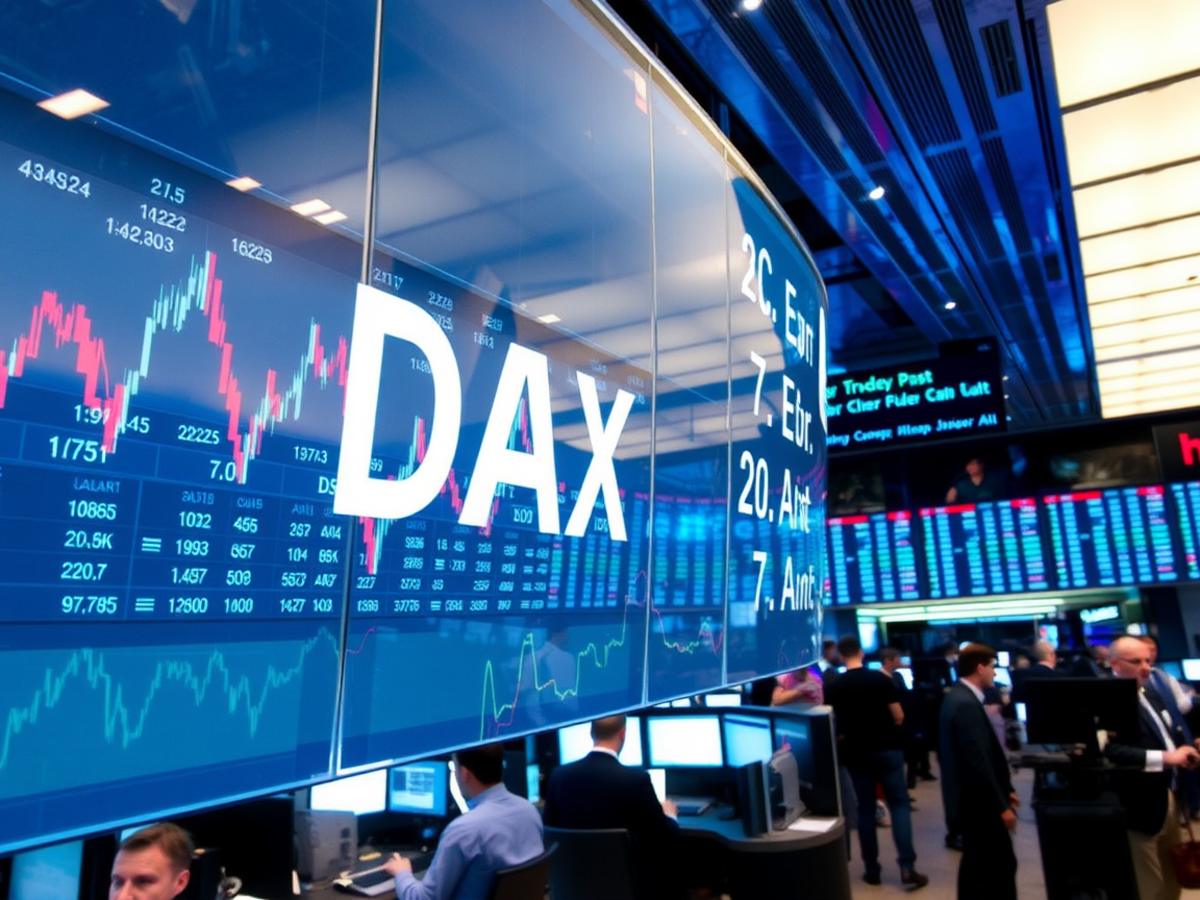
The German benchmark DAX index continues to navigate a complex landscape dominated by geopolitical risk and its economic fallout. The primary pressure point remains the conflict involving Iran, which has propelled Brent crude oil prices from approximately $72 per barrel in late February to levels exceeding $100. This sustained surge is reigniting inflation concerns and tempering market expectations for imminent interest rate cuts.
Tuesday’s trading session exemplified this volatility. Brief rallies, sparked by reports of potential nuclear negotiations between the US and Iran, proved fleeting. The underlying pressure from rising energy costs reasserted itself, with Brent briefly touching almost $104. This pushed the DAX below the 22,500-point threshold during the day. The index ultimately managed a nearly flat close at 22,612 points, a level that remains roughly eight percent below where it started the year.
SAP Drags on the Index
Compounding these broad market headwinds was significant weakness in a key constituent. SAP SE, the DAX's largest single member with an index weighting of nearly nine percent, saw its shares decline around four percent on Tuesday, hitting a 26-month low. The move was triggered by a downgrade from JPMorgan. Analyst Toby Ogg reduced his rating on the software giant from "Overweight" to "Neutral" and slashed his price target from €260 to €175. Ogg cited a decelerating margin expansion, noting that the company's AI-driven business model transition is increasingly facing challenges. Other firms, including Kepler Cheuvreux and Jefferies, also revised their price targets downward but maintained their buy recommendations.
Should investors sell immediately? Or is it worth buying DAX?
On a more positive note, Siemens Energy was among the session's few bright spots, registering a gain of close to two percent.
Technical Support at 22,000 Points
From a chart perspective, the area around 22,000 points has emerged as a critical support zone for the DAX. On Monday, the index briefly dipped below this level for the first time since the tariff-related shock of April 2025. The current distance to its 200-day moving average stands at approximately six percent, highlighting the extent of the index's deviation from its medium-term trend.
The path forward appears heavily contingent on the oil market. According to Joachim Schallmayer of DekaBank, it would require several consecutive months of Brent prices staying above $100 to force central banks into significant rate hikes. For now, the scenario remains open-ended, leaving the DAX's direction in question. Tangible diplomatic progress in the Iran conflict could pave the way for a more sustainable recovery. However, a prolonged period of triple-digit oil prices is likely to maintain downward pressure on the index, keeping the 22,000-point mark in focus.
Ad
DAX Stock: New Analysis - 25 March
Fresh DAX information released. What's the impact for investors? Our latest independent report examines recent figures and market trends.
So schätzen die Börsenprofis Geopolitical Aktien ein!

Für. Immer. Kostenlos.