Finding a Trusted Dental Practice in Berlin Steglitz as an Expat
08.03.2026 - 07:01:02 | ad-hoc-news.de
Arriving in a new city like Berlin often feels like a fresh start: new neighbourhood, new job, new favourite café. But the moment you get tooth pain, break a filling, or finally decide to replace a missing tooth, the excitement can quickly turn into stress. Where do you find a Dental Practice that not only offers high medical standards, but also understands what it means to be an international patient navigating a foreign healthcare system?
For many expats in Berlin, the first hurdle is not the treatment itself, but the fear around it: Will the dentist speak English well enough to explain everything? Will I understand my options for prophylaxis, tooth preservation, or implantology? How does insurance work in Germany? On top of that, there is often a history of dental anxiety, past bad experiences, or a simple fear of pain and the unknown.
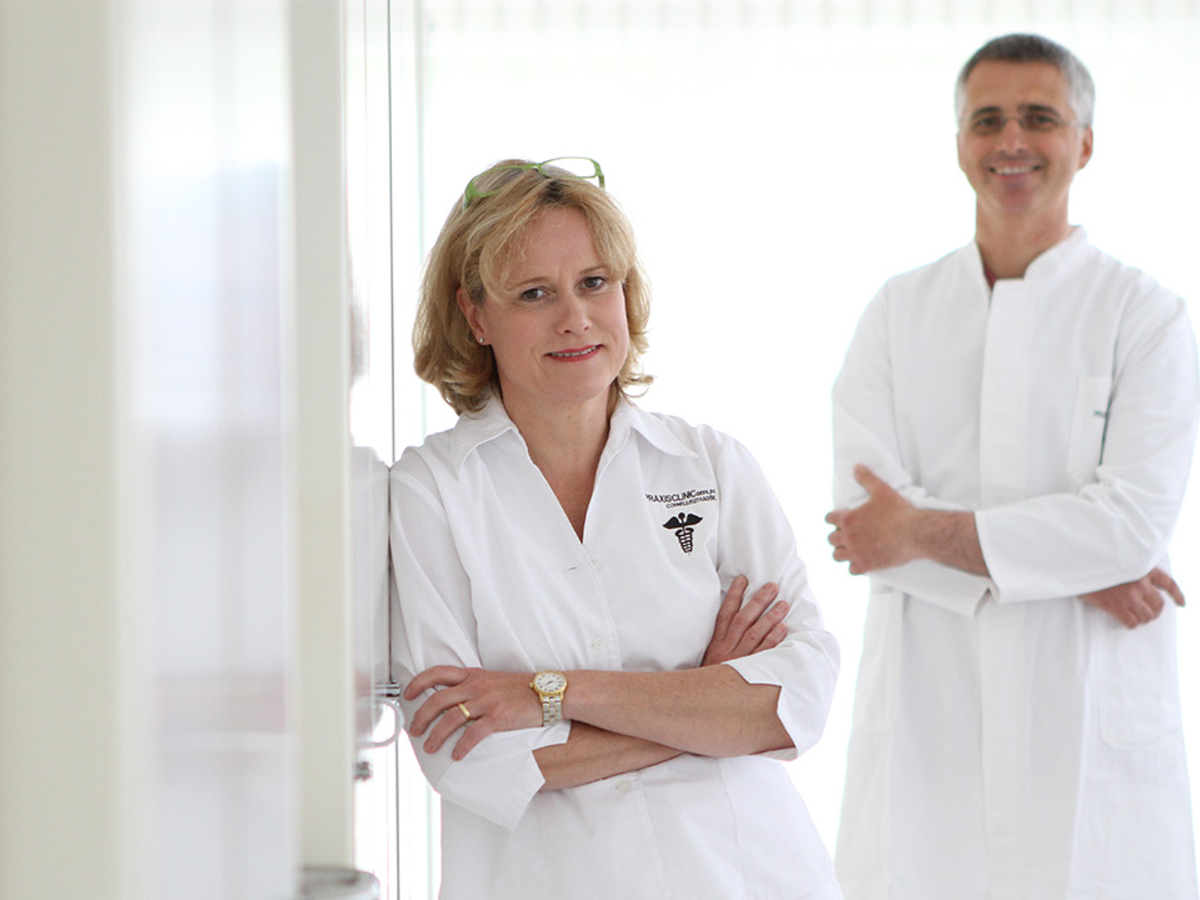
In the southwest of the city, in the district of Steglitz, close to Schloßstraße and within easy reach of Zehlendorf, one Dental Practice stands out for offering exactly what many international patients are looking for: Zahnarzt-Praxis Berlin Steglitz (Dr. Djamchidi & A. Jannack). Here, modern dentistry meets a rare combination of qualifications, a warm atmosphere, and a clear focus on communication.
What makes this practice special is not just technical equipment or a stylish waiting room, but the people behind it: Dr. Djamchidi, who holds a double approbation as both physician and dentist with specialization in ENT and oral surgery, and dentist Annette Jannack, whose passion for endodontics and aesthetic tooth preservation gives patients a real alternative to quick extractions and replacements.
For international patients, this combination can be transformative: a Dental Practice in Berlin Steglitz where your questions are welcome, your medical history is understood from both a dental and a general medical perspective, and where you are guided through each step from prophylaxis to complex implantology.
The double perspective: why an ENT physician and dentist in one person matters
When you hear the term \"double approbation\" it might sound like a bureaucratic detail. In the context of Zahnarzt-Praxis Berlin Steglitz, it translates into something very concrete: extra safety and deeper understanding for patients who need oral surgery, implants, or treatments close to sensitive structures like the sinuses or the airway.
As both MD (physician and ENT specialist) and DDS (dentist), Dr. Djamchidi brings together two worlds that in many healthcare systems are strictly separated. In practical terms, this means he is highly trained not only in the teeth, gums, and jawbone, but also in the broader anatomy of the head and neck: nasal cavities, maxillary sinus floor, airway, and ear structures.
This dual perspective becomes especially important in implantology and oral surgery. Many implants in the upper jaw are placed very close to the maxillary sinus, a hollow space above the roots of the premolars and molars. If there is too little bone height between the oral cavity and the sinus, the dentist must either choose shorter implants or perform a procedure known as sinus floor elevation (often called a sinus lift) to create more stable bone for the implant.
For a layperson, the idea of working so close to the sinuses can sound intimidating. But for a professional with ENT and dental training, this is precisely where the combined expertise pays off. Understanding the detailed anatomy and physiology of the maxillary sinus, nasal passages, and surrounding structures allows for a more nuanced risk assessment, careful planning, and minimally invasive technique.
Before placing implants, the bone situation is evaluated using imaging such as digital X-rays or three-dimensional scans. As a physician, Dr. Djamchidi pays attention not only to the bone height but also to the health of the sinus itself: Are there chronic inflammations, polyps, or anatomical variations that may increase the risk of complications? As a dentist specialized in oral surgery, he then translates this medical information into a surgical plan that respects both function and aesthetics.
For patients, this means that complex treatments, such as implants near the maxillary sinus floor or combined oral and ENT procedures, can be done in one coordinated setting. The result is fewer referrals, better communication, and an increased sense of security, especially for those who already feel vulnerable due to dental anxiety or language barriers.
Another advantage of the double degree is a holistic view of overall health. Before surgical interventions, the physician in him considers your general medical condition: blood pressure, medications like blood thinners, chronic illnesses such as diabetes, and any risks related to sedation or twilight sleep. This integrated approach is particularly valuable for older patients or those with complex medical histories who might otherwise feel they are being bounced between different specialists.
During oral surgery and implantology, biocompatibility is also a central concern. As both doctor and dentist, Dr. Djamchidi is familiar with how materials interact with the immune system and tissues throughout the body, not just in the mouth. This leads to carefully chosen materials and techniques that aim for long-term tolerance and stability, not just a quick cosmetic result.
This dual background also plays a role in pain management and anxiety reduction. When someone with a strong fear of treatment arrives at the practice, a detailed anamnesis is taken, including previous medical experiences. Options such as sedation, gentle local anaesthesia, or even twilight sleep can then be discussed in a calm and medically grounded manner, making sure that both dental needs and overall health risks are balanced.
All of this turns what might seem like a small detail on a website into a real-world benefit: when your Dental Practice is led in part by someone who is both Zahnarzt and ENT physician, you gain extra layers of safety and holistic evaluation that are particularly valuable in advanced implantology and oral surgery.
Annette Jannack: the endodontic focus and the philosophy of saving teeth
While modern implantology is impressive, the best implant will never be as biologically perfect as your own natural tooth. This is the philosophy behind the work of dentist Annette Jannack, whose specialty areas are endodontics and aesthetic dentistry. Her focus can be summarized in one guiding principle: save the tooth before replacing it, or in German, \"Zahnerhalt vor Zahnersatz\".
Endodontics is the field of dentistry dealing with the inside of the tooth, particularly the root canal system. When deep decay, trauma, or repeated dental procedures allow bacteria to enter the inner chamber of the tooth, the nerve and tissue can become inflamed or die. In the past, such a tooth was often simply extracted. Today, modern root canal treatment offers a highly successful way to preserve the original tooth.
At Zahnarzt-Praxis Berlin Steglitz, endodontic treatment is carried out with a high degree of precision and, when appropriate, microscopic dentistry. Under strong magnification and proper illumination, the dentist can see the fine structures of the root canal system that would otherwise remain hidden: tiny accessory canals, curves, or calcifications.
The process of root canal treatment typically includes several steps. First, local anaesthesia ensures you are comfortable and pain-free during the procedure. Then, the tooth is opened from the top, and the inflamed or infected tissue inside the canals is carefully removed. Special instruments clean and shape the canals, while disinfecting solutions are used to reduce bacterial load as much as possible.
Once the canals are clean and dry, they are filled with a biocompatible material that seals the space and prevents re-infection. Finally, the tooth is restored with a filling or crown to protect it from fracture and to restore function and aesthetics. When carried out with modern techniques and careful attention to detail, this treatment can allow a tooth to function for many years, often decades.
For the patient, the difference between losing a tooth and preserving it is not only emotional, but also practical and financial. A preserved tooth helps maintain natural chewing function, supports the jawbone, and stabilizes the bite. It can also reduce the need for more extensive prosthetic work in the future.
Annette Jannack combines this technical expertise in endodontics with an aesthetic eye. After the infection is treated and the tooth is preserved, its visual appearance is addressed as well. Modern materials and techniques in aesthetic dentistry allow fillings and crowns to blend harmoniously with the rest of your teeth. This is especially important for front teeth, where even small imperfections can affect how you feel when you smile or speak.
Her work fits seamlessly into the philosophy of the entire Dental Practice in Berlin Steglitz: before considering surgical replacement with implants, the team evaluates whether tooth preservation is still possible and meaningful. This may sometimes require more time and microsurgical precision, but for many patients the reward is priceless: keeping their own tooth.
Anxiety-free dentistry: empathy, clear communication, and gentle options
One of the most common issues expats report in Germany is a sense of feeling rushed or not fully understood in medical settings. When combined with dental anxiety, this can lead to years of avoiding check-ups until pain forces an emergency visit. Zahnarzt-Praxis Berlin Steglitz aims to break this cycle with a consciously anxiety-aware approach.
From the first contact, the team understands that seeing a dentist is not easy for everyone. You are encouraged to talk openly about your fears, previous bad experiences, or specific triggers such as needles, drilling sounds, or feelings of loss of control. Being listened to is the first step toward reducing anxiety.
For international patients, having an English-speaking dentist and team members who can explain diagnostics, treatment options, and costs in clear terms makes a crucial difference. Instead of having to guess what is happening, you receive structured explanations, often with visual aids or models, and time for questions. This is particularly important when deciding between options such as extensive prophylaxis, root canal treatment, tooth extraction, or implantology.
When fear is more intense, the practice can offer options such as gentle sedation or twilight sleep. In twilight sleep, also known as conscious sedation, you remain responsive but deeply relaxed, with a reduced perception of time and discomfort. Combined with local anaesthesia, this allows more extensive treatments, like multiple root canal treatments or implant placements, to be carried out in one session without overwhelming the patient.
Where appropriate and according to individual preference, complementary methods such as homeopathic support or relaxation techniques can be integrated into the overall concept. The emphasis, however, remains on evidence-based dentistry: these supportive measures are designed to reduce anxiety and support well-being, while the core treatment is performed using scientifically validated methods.
Minimally invasive techniques are another key to anxiety reduction. The less tissue is traumatized, the faster and more comfortable the healing phase. Whether it is a small filling, a root canal, or oral surgery, the team aims to preserve as much healthy tissue as possible, use precise instruments, and work with gentle movements. This not only makes the procedure itself more tolerable, but also shortens post-operative discomfort.
Patients who have avoided the dentist for years often benefit from a staged treatment plan. Instead of trying to fix everything at once, the team prioritizes what is medically urgent and then gradually addresses functional and aesthetic issues. This gives anxious patients time to build trust and experience that modern dentistry can be different from what they feared.
Altbau charm and honest accessibility: the location in Berlin Steglitz
The practice is located in a classic Berlin Altbau in Steglitz, a district in the southwest of the city known for its mix of residential calm and urban convenience. Nearby Schloßstraße is one of Berlin\'s major shopping streets, and the neighbourhood offers easy connections to Zehlendorf and other areas of Berlin Southwest.
The historic building gives the practice a characteristic Berlin atmosphere: high ceilings, solid staircases, and architecture that reflects the city\'s long history. At the same time, this authentic charm comes with a clear practical limitation that the team addresses openly: the building is not barrier-free. There is no elevator, and access to the practice requires climbing stairs.
For many patients, this is simply part of the classic Berlin experience, especially in older residential and mixed-use streets. However, for those with significant mobility restrictions, this may pose a challenge. The practice encourages potential patients to mention any mobility issues when booking an appointment, so that realistic solutions or alternatives can be discussed in advance.
On the positive side, the location is well connected by public transport, and for those arriving by car, the area offers reasonable parking options compared to more central districts. Being situated a bit away from the crowded tourist centres of Berlin also contributes to a calmer environment that can be helpful for anxious patients.
Your first visit: what the patient journey looks like
To reduce uncertainty, it is helpful to know what to expect during a first visit to Zahnarzt-Praxis Berlin Steglitz. The process is designed to be transparent, structured, and considerate, especially for those not familiar with the German healthcare system.
Before your appointment, you will usually be asked to fill in an anamnesis form. This includes questions about your general health, medications, allergies, previous surgeries, and of course your dental history. If you are more comfortable in English, the team will help you go through it, ensuring that any important information from your medical background is not lost in translation.
During the first consultation, your main concerns are discussed in detail. This might be acute pain, a wish for a second opinion on a proposed treatment, or a long-term plan for prophylaxis and aesthetic improvement. The dentist will examine your teeth, gums, and bite, and may take X-rays or other imaging to assess hidden issues, such as deep decay, bone structure, or the condition of the maxillary sinus floor in areas where implants might be planned.
The results are then explained to you step by step. Instead of being confronted with technical jargon, you receive an overview of your current oral health and possible treatment paths. For example, if a tooth is deeply damaged, options such as root canal treatment (endodontics) for tooth preservation versus extraction and replacement with an implant will be clearly compared. Advantages, risks, and expected longevity are discussed openly.
At this stage, cost transparency is important, especially for expats who may be unsure what their public or private insurance covers in Germany. The practice can provide cost estimates and, where relevant, help you understand the difference between standard insurance coverage and optional services that may be recommended for long-term durability or aesthetics.
Once a treatment plan is agreed upon, appointments are scheduled in a way that respects both medical priorities and your schedule. If you are particularly anxious, the first active treatment session might focus on a simpler procedure to help you experience that dentistry can be calm and manageable, before moving on to more complex work.
During treatment, whether it is a professional prophylaxis session, a root canal with microscopic dentistry, or implantology combined with sinus management, the team keeps you informed about each step. For many patients, knowing what is happening and how long it will take is one of the easiest and most effective ways to feel more in control.
Post-treatment, you receive clear instructions in English about what to expect, how to manage any temporary discomfort, and which signs would require contacting the practice. Follow-up appointments are scheduled as needed, for example to monitor healing after oral surgery or to check the integration of an implant.
Over time, regular check-ups and individualized prophylaxis help stabilize your oral health. Instead of waiting for the next emergency, you are guided toward a preventive approach: professional cleaning to prevent gum disease, early detection of small cavities before they become large, and ongoing assessment of existing restorations or implants.
Why this Dental Practice in Berlin Steglitz is a strong choice for locals and expats
Choosing a dentist is always personal, but for international residents in Berlin the decision is often even more complex. You are looking for a place where clinical excellence and human understanding come together, where language does not become a barrier, and where you feel seen as a whole person, not just a set of teeth.
Zahnarzt-Praxis Berlin Steglitz, led by Dr. Djamchidi and Annette Jannack, offers a combination that is rare even in a large city like Berlin. The double approbation of Dr. Djamchidi brings together ENT medicine, oral surgery, and implantology in a way that directly benefits patients needing complex treatments, especially near the sinus and airway. At the same time, the endodontic and aesthetic expertise of Annette Jannack ensures that tooth preservation is always seriously considered before moving to replacement options.
The practice places a strong emphasis on anxiety-aware, minimally invasive care, with options like sedation and twilight sleep where medically appropriate. For expats and other international patients, the presence of English-speaking dentists and clear explanations about procedures and costs helps transform what could be a stressful experience into one that feels manageable and respectful.
Located in a classic Altbau in Steglitz, the practice offers an authentic Berlin atmosphere and a central position in the southwest of the city, close to Schloßstraße and well connected to Zehlendorf and other neighbourhoods. At the same time, the honest acknowledgment of the building\'s limitations (stairs, no elevator) reflects the transparency that also characterizes their medical communication.
Whether you are seeking a second opinion on a complex implant plan, looking for a trusted partner for long-term prophylaxis and tooth preservation, or finally ready to confront your dental anxiety in a supportive environment, this Dental Practice provides a medically grounded, patient-centred answer. It is a place where the German concept of \"Zahnarzt\" expands beyond simple tooth repair into a holistic approach that integrates general health, function, and aesthetics.
For locals and international residents alike, Zahnarzt-Praxis Berlin Steglitz represents more than just another address on a list of dentists. It is a practice where a unique combination of qualifications, a focus on endodontics and implantology, and genuine attention to individual needs come together. In a city as diverse and dynamic as Berlin, that combination can make all the difference between postponing necessary treatment and finally feeling ready to take the next step towards a healthier, more confident smile.
So schätzen die Börsenprofis Aktien ein!

Für. Immer. Kostenlos.