Dr. Dre: Is The Doc Quietly Setting Up One Last Era?
06.03.2026 - 06:42:21 | ad-hoc-news.de
You can feel it if you spend more than five minutes on music Twitter or TikTok: people are suddenly talking about Dr. Dre again like it’s 2001. Old Dre beats are going viral, fan accounts keep hinting at a mysterious new era, and every tiny move the West Coast legend makes turns into a thread, a meme, or a full-blown theory. For an artist who famously prefers silence over oversharing, the current noise around Dr. Dre feels different, like the calm before a very loud storm.
Check the official Dr. Dre site for any sudden moves
We’re in a moment where Dre doesn’t need to prove anything. He helped design modern hip-hop, launched careers that reshaped the charts, and built a headphone brand that turned into a tech empire. But that’s exactly why every whisper about new music, a rare appearance, or a potential farewell run hits so hard. If Dr. Dre is gearing up for one more chapter, you don’t want to catch it late.
The Backstory: Breaking News in Detail
First, some reality: Dr. Dre is not the kind of artist who drops weekly updates or floods the internet with teasers. His history is built on long silences followed by seismic moves: The Chronic, 2001, the rise of Eminem and 50 Cent, the Beats by Dre empire, and then the surprise 2015 album Compton that came out alongside the Straight Outta Compton movie.
In the last few years, Dre has kept a low public profile but strategically picked high-impact moments. The most visible move was the 2022 Super Bowl Halftime Show in Los Angeles, where he headlined with Snoop Dogg, Eminem, Kendrick Lamar, Mary J. Blige, and 50 Cent. That performance didn’t just celebrate nostalgia; it reminded everyone that Dre is still the connective tissue of West Coast rap, early 2000s mainstream hip-hop, and current lyricists like Kendrick.
Since then, the news trickling out has been more subtle. He’s reportedly spent a lot of time in the studio, often mentioned by other artists in interviews as a low-key mentor or executive producer presence. Rappers and singers have talked about playing music for Dre, getting detailed feedback, or sending him ideas, which lines up with his reputation as a perfectionist. Any time a big-name West Coast artist hints they’ve been in the lab with a "certain legendary producer," fans instantly assume Dr. Dre.
Industry chatter has focused on two major possibilities. One: Dre quietly shaping a new generation of projects through production, executive credits, and songwriting tweaks. Two: Dre finally tying up a long-rumored "final" personal album that would act as a send-off, much like Compton felt like a cinematic epilogue at the time. Even without a firm release date or confirmed tracklist, insiders repeatedly describe his vault as deep, with tracks that span from the shelved Detox era to fresh sessions in the 2020s.
For fans, the implications are huge. Dre is the kind of artist whose moves rarely stay small. If he chooses to come back with a full project, it will likely come with heavyweight features, cultural commentary, and a carefully built roll-out. If he focuses instead on one-off singles and executive producing, he could quietly shift the sound of mainstream rap and R&B again without even putting his own face on the cover. Either way, the current buzz tells you one thing: people feel like he’s winding up for something, and that anticipation on its own is reshaping how younger fans discover his catalog.
The Setlist & Show: What to Expect
Because Dr. Dre doesn’t tour regularly like a typical headliner, every major live appearance he does carry "event" energy. The best blueprint we have for what a modern Dre show looks and feels like is the way he curated the 2022 Super Bowl performance and his occasional festival-style cameos across the 2010s.
If you’re picturing a full Dr. Dre concert, think of it less as a straight rapper set and more like a live history of West Coast hip-hop curated by the architect himself. A fantasy-but-realistic setlist would likely run through a spine of Dre’s biggest records:
- Nuthin' but a 'G' Thang – the ultimate G-funk handshake, still instantly recognizable from the first few notes.
- Let Me Ride – a driving, laid-back groove that still translates perfectly to a live band.
- California Love – the moment every crowd turns into a choir, even outside California.
- Still D.R.E. – now a TikTok anthem as much as a classic, the piano riff alone could open or close an entire show.
- The Next Episode – guaranteed chaos when the "la-da-da-da-daaa" hits.
- Forgot About Dre – a crossover moment that pulls pop fans, rap purists, and Eminem stans together.
- Kush, I Need a Doctor, cuts from Compton – proof that late-era Dre can still command modern production energy.
Because Dre’s catalog is so intertwined with other artists, you can safely expect guest appearances at any larger-scale show: Snoop Dogg for the G-funk classics, Eminem for the early 2000s anthems, maybe even surprise pop-ins from newer voices who grew up on Dre’s sound. Instead of Dre rapping every verse himself, you’d likely see him moving between roles: conductor, hype-man, occasional MC, and proud architect watching his creations come to life onstage.
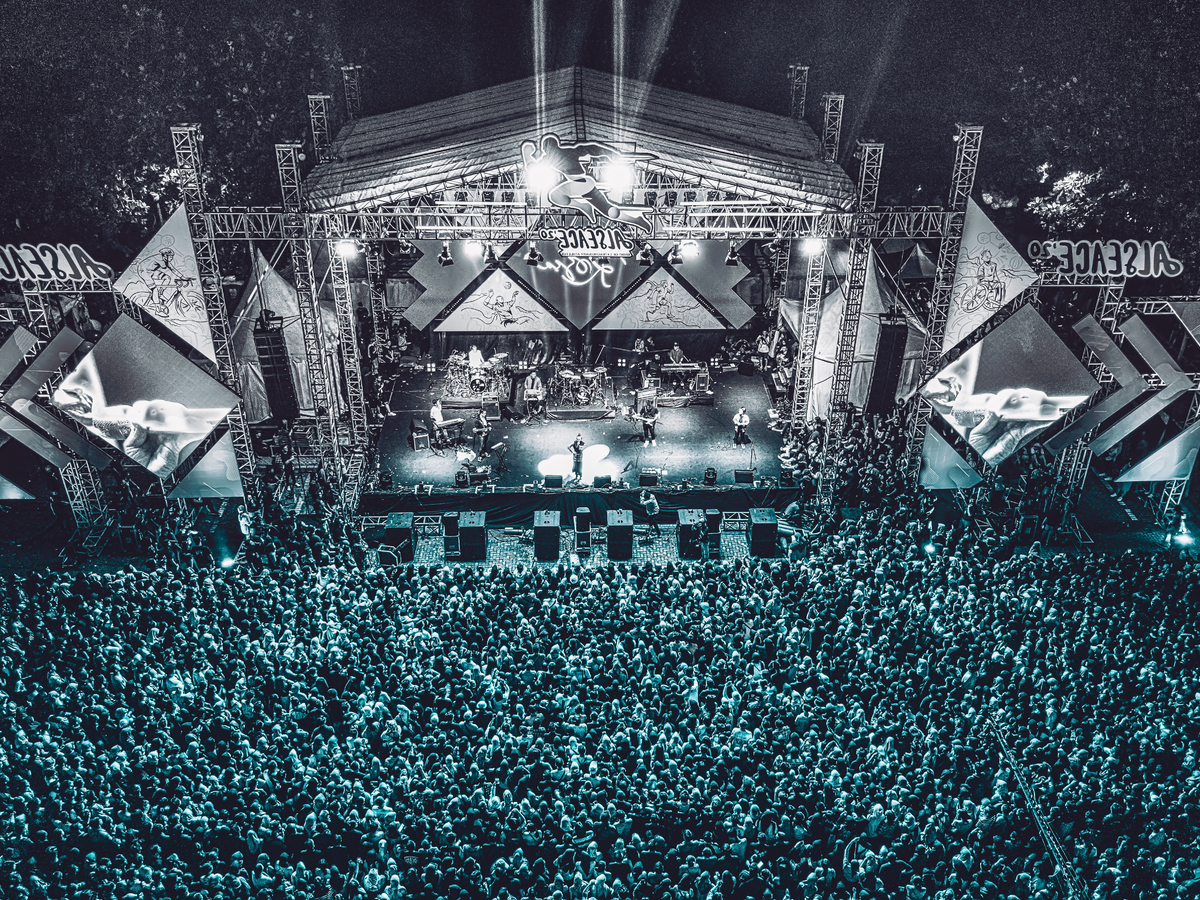
Atmosphere-wise, a Dre-curated show would lean hard into production value. Think huge LED visuals referencing L.A. streets, lowriders, studio boards, and archival footage of Death Row, Aftermath, and early Eminem. The energy in the crowd skews multigenerational: older fans who remember buying The Chronic on CD, millennials who memorized 2001 word for word, and Gen Z kids who discovered "Still D.R.E." through meme culture but stuck around for the deeper cuts.
In fan-shot clips from past appearances, there’s a common pattern: everyone knows the hooks, even people who look too young to have heard the songs on radio the first time. Once "California Love" drops, phones go up. When the hook to "Forgot About Dre" comes around, people who grew up on early-2000s MTV lose their minds. If Dre chooses to layer in new or unreleased material in a future set, he’s likely to slide it between classics to test fan reactions without losing the room.
The biggest question fans talk about when they imagine a proper Dre tour is pacing. Do you open with "Still D.R.E." as a statement that the legend is back, or close with it and let that piano run echo in people’s heads on the way out? Do you bring out guests early or save them for surprise third-act moments? One thing is almost certain: if Dr. Dre does announce a real tour or residency, tickets will move fast off the strength of the setlist potential alone.
What the web is saying:
Rumor Mill: What Fans Are Speculating
If you dive into Reddit threads or TikTok comment sections right now and search for Dr. Dre, you’ll find a mix of unfiltered nostalgia and sharp speculation. A lot of Gen Z and younger millennials discovered Dre in reverse: through Eminem, through Grand Theft Auto soundtracks, or through TikTok sounds. That means the conversation isn’t just "Will Dre drop again?" It’s more like "What does a Dr. Dre album even sound like in 2026?"
One of the longest-running rumors is the ghost of Detox. Fans joke about it constantly, but beneath the memes there’s a real question: how much of that mythical album was quietly repurposed into later projects like Compton, and how much is still sitting in drives? Thread after thread imagines Dre finally cleaning house and dropping an archival-style release, maybe framed as his last word on that chapter. People toss out fantasy tracklists featuring everyone from Kendrick Lamar, Anderson .Paak, and SZA to old collaborators like Snoop and Eminem.
Another thread of speculation circles around the idea of Dre doing more behind-the-scenes work than front-facing projects. Fans point to younger producers who clearly grew up on his drum programming and piano loops, wondering whether Dre might be ghost-coaching a new wave the way he once did with early Aftermath signings. There’s also a persistent theory that whenever you see a West Coast artist suddenly level up in mix quality and arrangement, Dre or someone from his close circle quietly stepped in.
On TikTok, the vibe is slightly different. Clips of "Still D.R.E." or "The Next Episode" soundtrack everything from car videos to nostalgic edits, and users who weren’t even born when 2001 dropped are now calling it a "no-skip" album. That online worship feeds a specific rumor: if Dre returns with new music, he might lean into the cinematic, bass-heavy sound that made those records timeless, instead of chasing every current trend. Fans are vocal about wanting "grown" Dre – detailed storytelling, ruthless drum programming, and immaculate mixing rather than TikTok-bait hooks.
Then there’s the live angle. In forums and comment sections, you’ll see fans begging for at least a limited run – maybe a short U.S. tour or a L.A./London residency – partly because they see Dre as a bucket-list act. For many, a Dre show would rank alongside seeing Jay-Z, Beyoncé, or Kanye in their prime. People are already debating ticket prices in theory, comparing what they’d be willing to pay to what they spent on the Super Bowl performers, or on legacy acts like Nas and Wu-Tang. There’s a clear sense that if Dre announces anything live, it will sell on rarity alone, even if the ticket tiers push into luxury territory.
Underneath all the wild theorizing, one emotional thread stands out: fans don’t just want more music, they want closure. Whether it’s closure on Detox, closure on Dre’s own story as a solo artist, or a clear "this is my last era" statement, people want to feel like they were present for the final chapter of a career that shaped the sound of their lives.
Key Dates & Facts at a Glance
- Stage Name: Dr. Dre (real name Andre Romelle Young).
- Birthdate: February 18, 1965 – one of the defining figures of hip-hop’s late-80s and 90s explosion.
- Early Group: Member of N.W.A, the Compton collective that pushed gangsta rap into global conversation.
- Breakout Solo Album: The Chronic, released December 15, 1992, often cited as one of the most important hip-hop albums of all time.
- Iconic Follow-Up: 2001, released November 16, 1999, featuring hits like "Still D.R.E.", "The Next Episode", and "Forgot About Dre."
- Later Album: Compton, released August 7, 2015, inspired by the Straight Outta Compton biopic.
- Key Collaborations: Long-time creative ties with Snoop Dogg, Eminem, 50 Cent, The Game, and Kendrick Lamar.
- Super Bowl Halftime Performance: February 13, 2022, SoFi Stadium, Inglewood – headlining alongside Snoop Dogg, Eminem, Kendrick Lamar, Mary J. Blige, and 50 Cent.
- Label Legacy: Founder of Aftermath Entertainment, the label behind marquee careers like Eminem and 50 Cent.
- Producer Credits: Known for masterminding classic albums including Eminem’s The Slim Shady LP and The Marshall Mathers LP, 50 Cent’s Get Rich or Die Tryin', and more.
- Signature Sound: G-funk foundations, heavy bass, clean drum programming, haunting piano lines, and precise, cinematic mixing.
- Cultural Impact: Helped move hip-hop from regional underground scenes into a dominant force in global pop culture.
FAQ: Everything You Need to Know About Dr. Dre
Who is Dr. Dre, in simple terms?
Dr. Dre is one of the central architects of modern hip-hop. He started as a DJ and producer in Los Angeles, rose to fame with N.W.A, then flipped that momentum into a solo career and a legendary run as a producer and label head. If you listen to mainstream rap, R&B, or even pop from the 90s onward, you’ve felt his influence, even when his name isn’t on the front cover.
For Gen Z and younger millennials, you can think of Dre as both an artist and an ecosystem. He’s the person behind songs you know by Snoop Dogg, Eminem, 50 Cent, and many others. He helped build the sound of West Coast rap – those lowrider-ready beats, heavy basslines, and smooth synth leads – and then pushed it into the global mainstream.
What is Dr. Dre best known for musically?
On the surface, Dre is known for classic albums like The Chronic and 2001, plus a stack of hits like "Nuthin' but a 'G' Thang," "California Love," "Still D.R.E.," and "Forgot About Dre." Underneath that, he’s known for his studio obsession. Dre is widely respected for his ear: he cares about how every snare hits, what frequencies a vocal sits in, and how a whole track moves through big speakers.
He popularized a style that blended funk samples, replayed keys, and dense, layered arrangements with a clean, punchy mix. That combination gave West Coast hip-hop its iconic cruising feel while still slamming in clubs and arenas. When people call an instrumental "Dre-like," they’re usually talking about crisp drums, a head-nodding groove, and one simple but unforgettable melodic line that runs through the whole track.
Has Dr. Dre retired from music?
Officially, no. Dre has never fully announced a retirement from making music. Instead, he seems to have shifted his energy from constant public output to selective, high-impact moves. He pops up for big cultural moments, like the Super Bowl show, or contributes quietly behind the scenes on projects he believes in.
From fan and industry perspectives, Dre is in a different phase: less concerned with chart dominance every quarter, more focused on legacy and precision. That’s why every rumor about a new album or major collaboration hits the internet so hard – people know that if he decides to step into the spotlight again, it’s because he believes the material is strong enough to justify it.
Will there ever be a new Dr. Dre album?
No one can promise anything on Dre’s behalf, and he’s been famously unpredictable with release plans in the past. That said, the consistent reports from artists and insiders that he’s still in the studio, still giving feedback, and still building tracks means the door is very much open.
Realistically, there are a few scenarios fans talk about: a fully new solo album built from recent sessions; an archival project that pulls from Detox-era recordings; or a hybrid project that blends new work with unearthed material. Whatever form it takes, you can safely expect any Dre release to lean into his strengths – layered production, strong features, and mixing that makes headphones and car systems feel like live venues.
Why is Dr. Dre so important to hip-hop history?
Dre matters for three main reasons: sound, artists, and scale. On sound, he helped define the sonic identity of West Coast rap and, by extension, a huge portion of mainstream hip-hop. On artists, he spotted and developed some of the genre’s most important voices, including Eminem and 50 Cent, guiding them from raw talent to global icons.
On scale, he showed what it looks like when a hip-hop producer moves like a CEO – founding labels, shaping careers, and later building a brand like Beats that pushed hip-hop aesthetics right into the center of tech and pop culture. When you zoom out, Dre isn’t just a great producer; he’s one of the main reasons hip-hop became the dominant global genre it is now.
Where can new fans start with Dr. Dre’s catalog?
If you’re just getting into Dre, start with 2001. It sounds surprisingly current for a late-90s album and includes most of the songs you’ve already heard in memes, TikToks, or movies: "Still D.R.E.," "The Next Episode," "Forgot About Dre," and more. Once you understand that era, jump back to The Chronic for the early-90s foundation – it’s rawer, funkier, and absolutely essential.
After that, branch out into projects he produced: Eminem’s early albums, 50 Cent’s Get Rich or Die Tryin', classic Snoop Dogg records, and then his later work on Compton. You don’t have to listen in order, but if you do, you’ll hear how Dre’s sound evolves from dusty funk samples to sleek cinematic hip-hop without ever losing its punch.
What should fans watch for next from Dr. Dre?
Because Dre doesn’t announce every move in advance, your best bet is to watch the artists around him. When West Coast rappers start hinting they’ve played songs for "a legend" or post studio photos with no captions, fans immediately start speculating about Dre’s involvement. If a major artist suddenly teases a "West Coast-produced" project, that’s another sign to keep your ears open.
On the official side, keep an eye on his verified socials and the official site. Dre has a pattern: long silence, then sudden, very intentional signals. A small clip of a new beat, a behind-the-scenes studio photo, or a carefully worded interview answer can all be the first domino in a bigger rollout. In other words: don’t expect constant updates, but don’t assume silence means inactivity either.
Until something concrete drops, the best way to stay ready is simple: revisit the classics, pay attention to the producers and artists who name-check Dre as an influence, and be prepared to move quickly if he does announce a project or special show. With someone at his level, you’re not just watching an artist; you’re watching a legacy decide how it wants to be remembered.
So schätzen die Börsenprofis Aktien ein!

Für. Immer. Kostenlos.